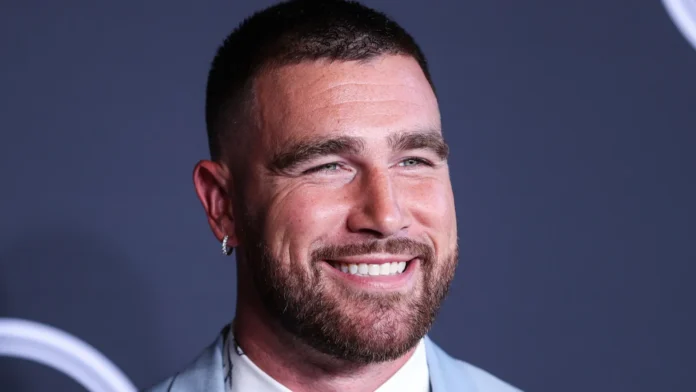
Former Pittsburgh Steelers head coach Mike Tomlin has delivered a blunt assessment of players-only meetings, a familiar response when NFL teams struggle to find answers. During an appearance on the New Heights podcast with Travis and Jason Kelce, Tomlin explained why these gatherings can signal deeper problems inside a locker room.
His comments came amid attention surrounding the Dallas Cowboys’ defense, which reportedly held a meeting without coaches after a difficult start to the season. Tomlin’s experience managing the Pittsburgh Steelers for 19 seasons lends considerable weight to his opinion. His remarks also revealed the distinction he makes between encouraging player leadership and questioning why a team needs a separate meeting to address its problems.
Mike Tomlin delivers a harsh verdict on players-only meetings
Jason Kelce asked Tomlin what he thought when an NFL team organized a players-only meeting. Tomlin responded, “I think you’re dead,” before explaining that the situation generally did not feel good from a coach’s perspective.
Tomlin was careful to distinguish his criticism of these meetings from his view of player leadership. He said he respected and embraced players taking responsibility, but he remained uncomfortable when teams reached the point of holding meetings without their coaches.
The former Steelers coach also questioned why such gatherings needed to become public knowledge. “If it did occur, I’d like to not hear about it,” Tomlin said.
Why the Cowboys brought the issue into focus
The discussion followed reports that Dallas’ defensive players had gathered privately after the Cowboys lost to the Tampa Bay Buccaneers in Week 5. The meeting drew attention because Dallas had struggled on defense during the opening weeks of the 2026 season.
Dallas entered the conversation under pressure to improve its defensive performance, with missed assignments and difficulties stopping opponents contributing to concerns about the unit. A meeting among defensive players offered an opportunity to address those problems internally.
Head coach Brian Schottenheimer subsequently defended the gathering, describing it as an open, honest, and productive discussion. His response highlighted the difference between Tomlin’s skepticism about the circumstances surrounding such meetings and the Cowboys’ view that players taking ownership can help a struggling team.
Jason Kelce shares Tomlin’s concerns
Jason Kelce agreed with Tomlin’s broader point, describing players-only meetings as something teams sometimes try when other approaches have failed. His observation reflected the pressure that can build when a team struggles to correct recurring problems through its usual preparation and communication.

The former Philadelphia Eagles center has firsthand experience with NFL locker rooms, including the relationships between players, coaches, and team leaders. His agreement gave the exchange another perspective from someone who understood how accountability works inside a professional football organization.
Tomlin’s comments were not an argument against players speaking honestly among themselves. Instead, his concern centered on what a highly publicized meeting might communicate about a team’s internal situation, particularly when the gathering becomes a headline rather than a private step toward improvement.
Tomlin’s Steelers tenure explains his perspective
Tomlin stepped down as Pittsburgh’s head coach in January 2026 after 19 seasons leading the franchise. He finished his tenure with a Super Bowl XLIII championship, earned during the 2008 season, and a reputation for maintaining competitive teams across different eras of the NFL.
Pittsburgh never recorded a losing regular-season record during Tomlin’s tenure, a remarkable level of consistency in a league built around competitive balance. That history helps explain why his assessment of locker-room culture carries significance beyond one struggling team.
Tomlin’s approach emphasized accountability, preparation, and clear leadership responsibilities. His comments on New Heights reflected the perspective of a coach who spent nearly two decades managing the expectations and relationships that shape an NFL locker room.
Fun fact: Mike Tomlin became the youngest head coach to win a Super Bowl when Pittsburgh defeated Arizona in Super Bowl XLIII at age 36.
Player leadership can help, but it cannot solve everything
Players-only meetings can give teammates an opportunity to speak candidly about effort, communication, and execution without the presence of coaches. Veteran players may also use these conversations to reinforce standards and encourage teammates to take responsibility for mistakes.
However, a meeting alone cannot correct poor tackling, missed assignments, or breakdowns in defensive coverage. Lasting improvement requires players to translate their discussions into better execution during practice and games, while coaches continue addressing tactical and personnel issues.
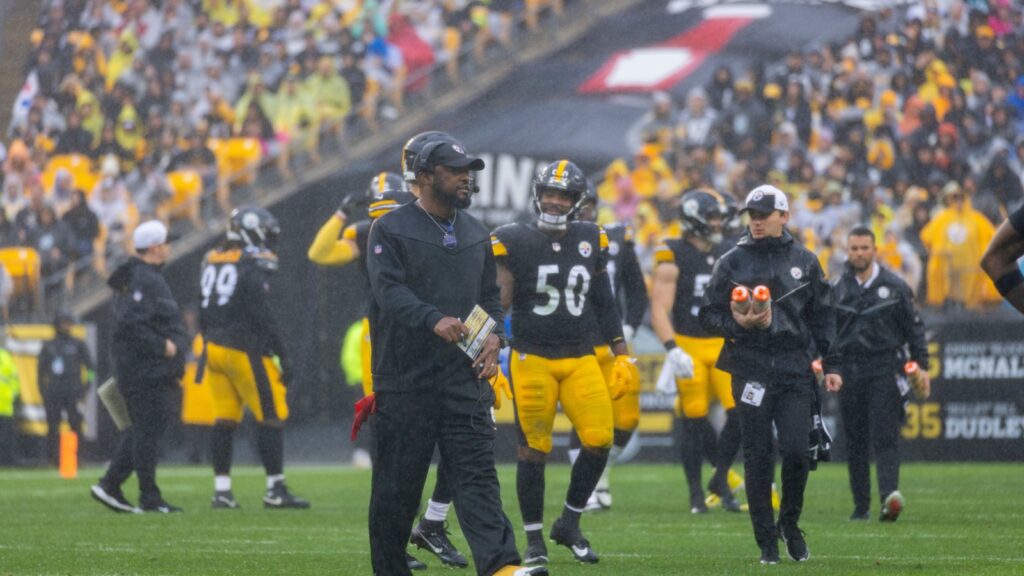
Tomlin’s criticism focused on the point at which a meeting becomes a sign of desperation rather than a routine exercise in leadership. Schottenheimer’s defense of Dallas’ gathering illustrated the competing interpretations: a private discussion can reflect either a team searching for answers or players taking ownership of a difficult situation.
What the exchange says about NFL locker rooms
The conversation between Mike Tomlin and the Kelce brothers highlighted how players-only meetings can raise questions about leadership and communication within an NFL team. When a struggling team gathers without its coaches, the decision can attract attention and spark debate about whether players are taking responsibility or searching for answers.
Tomlin made clear that he respects player leadership, but he also expressed discomfort with players-only meetings. He was particularly critical of such gatherings becoming public knowledge, saying he would prefer not to hear about them if they occurred. His comments reflected concerns about both the meetings themselves and the attention surrounding them.
Dallas head coach Brian Schottenheimer offered a different perspective, welcoming his defensive players’ decision to meet privately and describing the discussion as productive. The disagreement showed that players-only meetings can be interpreted differently, depending on a team’s circumstances and how its leaders respond.
TL;DR
- Mike Tomlin told Travis and Jason Kelce that players-only meetings can signal serious trouble inside an NFL team.
- Tomlin stressed that he respects player leadership but dislikes hearing about these meetings publicly.
- The discussion followed reports of a defensive players-only meeting involving the Dallas Cowboys.
- Brian Schottenheimer defended the Cowboys’ gathering as open, honest, and productive.
- Tomlin’s 19-season Steelers tenure, Super Bowl title and record of consistent winning shaped his perspective on locker-room accountability.
This article was made with AI assistance and human editing.
Read More From This Brand: