

Debate over college athlete pay
The debate over college athlete compensation continues to draw attention as NIL deals and revenue sharing reshape college sports. Nick Saban recently discussed the issue and defended a federal approach to regulating college athletics.
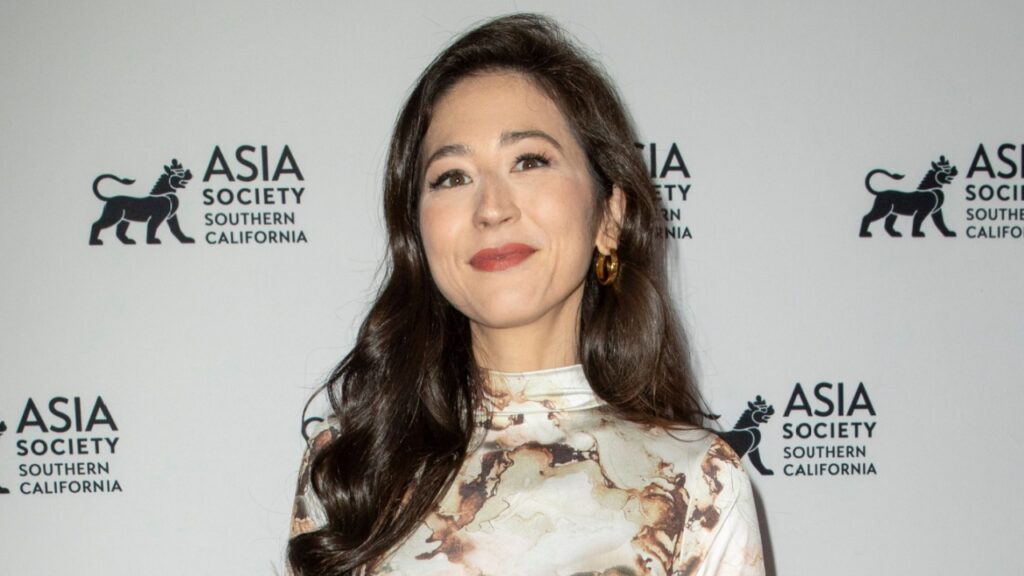
Mina Kimes challenged part of his argument by questioning how the free market should determine athletes’ compensation. Here’s a closer look at their exchange and the legislation at the center of the discussion.
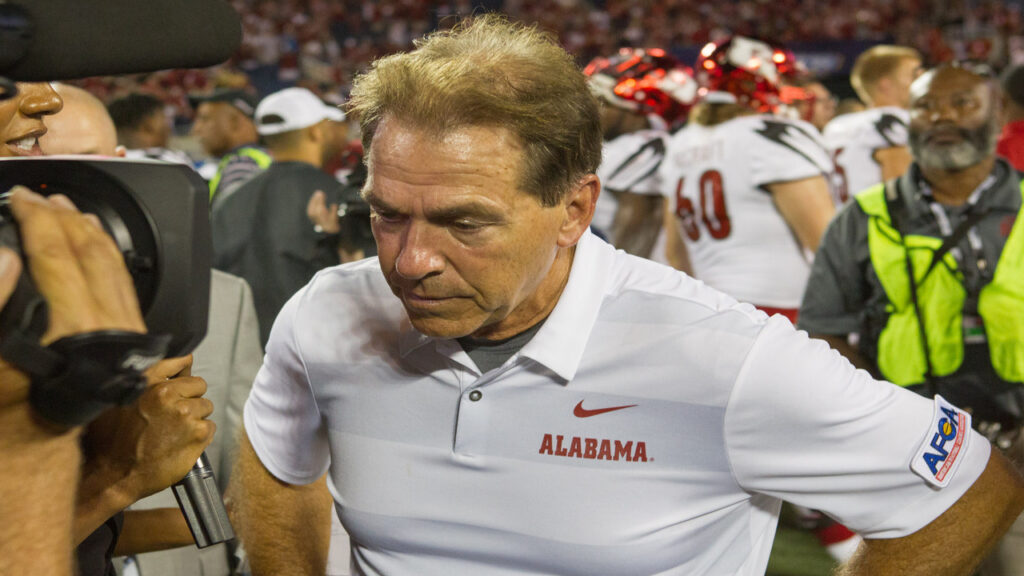
Saban’s position centers on NIL limits
Saban has distinguished legitimate name, image and likeness compensation from arrangements he considers pay-for-play. In Senate testimony, he supported athletes earning money from legitimate NIL opportunities while opposing recruiting or transfer inducements tied to outside payments.
His June 3 testimony supported the Protect College Sports Act. Saban said the legislation could establish national rules for NIL agreements, athlete agents and enforcement while preserving athletes’ ability to earn NIL compensation.

Kimes focused on market value
Kimes’ September 29 post addressed the economic question raised by Saban’s comparison between coaches and athletes. She wrote, “If athletes create less value, then surely universities would be comfortable letting the free market decide, no?”
Her post questioned Saban’s argument but did not identify a dollar amount or propose a specific pay formula.

The legislation covers more than NIL
The Protect College Sports Act covers more than athlete pay and NIL agreements. The Senate version establishes national rules involving NIL disclosures, transfers, eligibility, health and safety, scholarships, agents, revenue sharing and protections for women’s and Olympic sports.
The legislation also addresses media rights and enforcement, creating a federal framework for college athletics. Saban’s comments came within a larger debate over the regulation of college sports.
The Senate passed the bill 77-22
On September 28, the U.S. Senate passed the Protect College Sports Act by a 77-22 vote. The legislation then moved to the House, meaning Senate approval did not make the proposal federal law.
The vote followed weeks of committee work and Senate floor action during September. The Senate-passed version included amendments addressing compensation, health protections, eligibility and other college sports rules.

The bill would create national NIL standards
The Senate-passed legislation would establish federal protections for college athletes’ rights to market and earn compensation from their name, image and likeness. It would establish national NIL standards and preempt conflicting state and local laws involving NIL compensation and related eligibility rules.
The bill also includes requirements for NIL disclosures, a public agreement database and athlete-agent regulation. Supporters have emphasized clearer national rules, while opponents have raised concerns about athlete rights and legal remedies.

Revenue sharing is already changing college sports
The 2025 House settlement changed Division I athletics by allowing participating schools to provide direct financial benefits to athletes. The NCAA said the initial annual cap was approximately $20.5 million per school for 2025-26.
For 2026-27, the cap is approximately $21.58 million per participating school. Athletes can also pursue third-party NIL opportunities, making school payments one part of the broader compensation system.
Interesting fact: Nick Saban coached for 28 seasons as a college head coach, finishing with a 297-71-1 record and seven national championships, the most in FBS history.

Saban testified before the Senate
Saban testified before the Senate Commerce Committee on June 3, 2026, during a hearing on the Protect College Sports Act. He supported athletes earning money from legitimate NIL opportunities, including endorsements and other commercial activities.
He also criticized arrangements he viewed as disguised pay-for-play, including payments connected to recruiting and transfers. His testimony supported federal rules governing NIL activity, compensation and other aspects of college athletics.
The bill includes a retention fund
The Senate-passed measure includes a retention-fund structure connected to athlete compensation and school spending. The legislation also ties retention-fund spending to academic performance benchmarks, including graduation rates and academic progress.
The updated September bill text places the retention fund within the broader compensation framework. It also directs a future commission to study options for athletes’ long-term financial interests in college athletic programs.

Athlete employment status remains unresolved
The Senate-passed legislation does not classify college athletes as employees or non-employees under federal law. Its neutrality provision leaves that status unresolved while establishing rules for compensation, eligibility, health protections and other athletic issues.
That distinction matters because employee status can affect labor rights. The Congressional Black Caucus and other opponents have cited the absence of employment rights among their objections.
Support and opposition both emerged
The legislation has received support from NCAA officials, conferences, universities and several sports organizations. The Senate Commerce Committee reported institutional backing before the Senate vote, while the final measure passed with senators from both parties.
Opposition has also been formally stated by groups including the NAACP and Congressional Black Caucus. Their objections include concerns about athlete legal rights, representation, employment status and institutional power.

The House is the next step
After the Senate vote, the Protect College Sports Act moved to the House for consideration. As of October 2, 2026, the House had not passed the Senate bill, so the legislation had not become federal law.
The House is scheduled to consider legislative business after the election period, with the next scheduled legislative session listed for November 9. The timing of consideration for the Protect College Sports Act remains subject to the House’s legislative schedule.
The college football conversation also continues with USC player’s hit on Dante Moore sparking debate over college football conduct.
The compensation debate continues
Kimes’ exchange with Saban reflects a broader debate over college athlete compensation as revenue sharing and NIL deals expand. The Senate vote added a federal proposal to a system shaped by court settlements and state laws.
The key issue is how future rules will divide compensation responsibilities among schools, athletes, conferences and businesses. Any federal framework would depend on congressional action and later implementation.
Bradshaw’s latest FOX NFL Sunday appearance sparked plenty of jokes and retirement calls. Check out why Terry Bradshaw’s FOX NFL Sunday look draws jokes and retirement calls.
What do you think about the debate over college athlete compensation? Like this post and share your thoughts in the comments.
This slideshow was made with AI assistance and human editing.
Read More From This Brand: