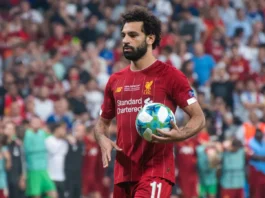


Mohamed Salah built a reputation as one of football’s most reliable global superstars for nearly a decade. Now his name is trending for a completely different reason involving a British courtroom and an expensive vehicle.
A routine traffic matter somehow turned into international news within days, proving fame changes how even minor legal issues get treated publicly. Millions of fans suddenly cared about paperwork most ordinary people would quietly ignore.
What happened on that March day
On March 27, a speed camera in Wilmslow, Cheshire, caught a Rolls-Royce traveling at 36mph inside a posted 30mph zone. That particular expensive car belonged to Mohamed Salah, still Liverpool’s star forward at the time.
Cheshire Police sent an official written notice asking who was behind the wheel that specific day. Salah reportedly never replied to that formal request. Silence, in this particular case, carried real legal weight and consequences.
Because he ignored the official request and failed to enter a formal plea, prosecutors decided to proceed regardless of his continued silence. English courts can still convict someone even without a personal response or appearance.
Why Salah faced legal trouble
Salah was not convicted of the speeding charge itself in this case. His conviction was for failing to provide information about who was driving the Rolls-Royce when it was recorded speeding in Cheshire.
In England and Wales, drivers or vehicle keepers must respond when police send a Section 172 notice asking for the driver’s identity after a camera-detected offense. Failing to provide that information can become a separate offense.
That rule matters because speed cameras may record a vehicle without proving who was behind the wheel. Police, therefore, rely on the person responsible for the vehicle to identify the driver when legally required.

Inside the Warrington court hearing
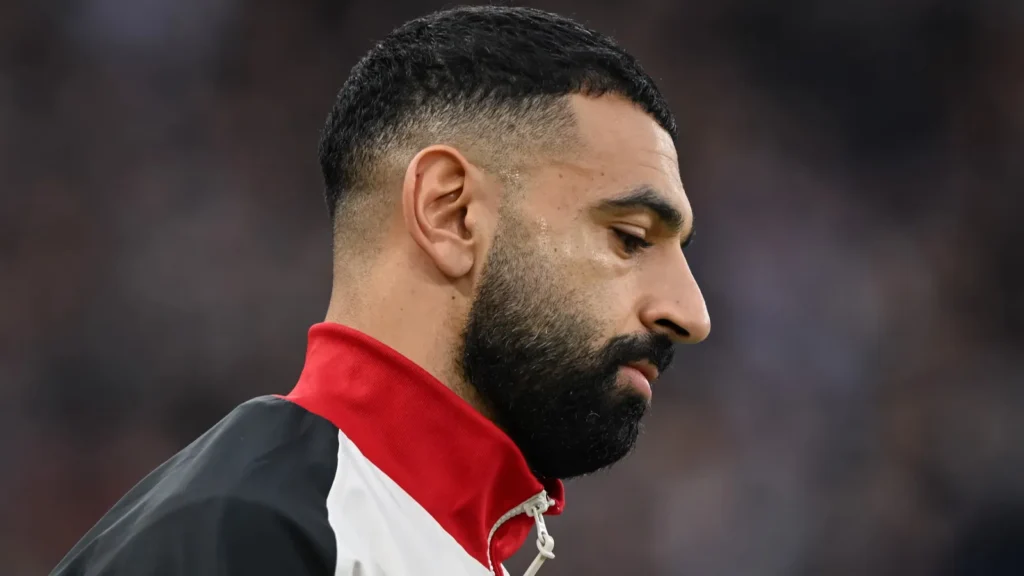
The case eventually landed at Warrington Combined Court and was handled through the Single Justice Procedure. That process allows certain lower-level offenses to be decided by a magistrate on the papers, without a full open-court hearing.
A court official said Salah was prosecuted under that procedure and convicted of failing to provide information relating to the driver’s identity. The case was decided without Salah appearing in person.
Magistrates handed Salah a 6-month driving ban and ordered him to pay £1,044. Reports described the payment as the total amount ordered by the court, rather than only court costs.
The Rolls-Royce and the speed camera
The Rolls-Royce detail helped push a routine motoring case into wider headlines. Reports identified the vehicle as Salah’s Rolls-Royce after it was recorded speeding in Wilmslow, Cheshire.
The speed-camera reading was 36mph in a 30mph zone, putting the vehicle 6mph over the posted limit. The speeding charge itself was not the basis of Salah’s conviction in the final case.
Instead, the court case centered on the failure to identify the driver. That distinction turned a low-level speeding allegation into a more serious paperwork issue, resulting in a 6-month driving ban.
Timing coincided with Liverpool exit news
The timing made the story feel even stranger to football supporters. The speeding incident happened on March 27, just 3 days after Liverpool announced that Salah would leave the club at the end of the season.
The legal matter surfaced months later, after Salah’s Liverpool exit had already become part of a much larger career shift. That timing gave the case an extra football angle beyond the motoring offense itself.
By the time the court ruling was reported in September, Salah had already joined Trabzonspor in Türkiye. The driving ban still affected his legal driving status in England and Wales, even though his club career had moved abroad.
Little-known fact: Salah and his father spent roughly $450,000 buying land near his hometown of Nagrig for a sewage treatment project intended to improve local water access.
Not his first brush with trouble
This was not the first time Salah’s driving had made headlines in Britain. In 2018, a video appeared to show him using a mobile phone while driving near Anfield.
Liverpool said it spoke to Salah and then referred the footage to Merseyside Police. Police later said a 26-year-old man had been spoken to and that no further action would be taken.
That earlier incident came after Salah’s remarkable debut Liverpool season, when he scored 44 goals in all competitions. Even then, a traffic-related story briefly pulled attention away from his work on the pitch.
Salah’s 9 historic years at Liverpool
Salah’s Liverpool legacy remains much larger than this recent driving ruling. He scored 257 goals and added 120 assists in 442 appearances during his 9-year spell at Anfield.
He left as one of Liverpool’s greatest modern attackers, having won major honors including the Premier League, Champions League, FIFA Club World Cup, UEFA Super Cup, FA Cup, League Cup, and FA Community Shield.
His departure closed a defining chapter for both the player and the club. Supporters can still debate how Liverpool replaces the attacking spark Salah provided so consistently during his years on Merseyside.
Fame brings extra public scrutiny
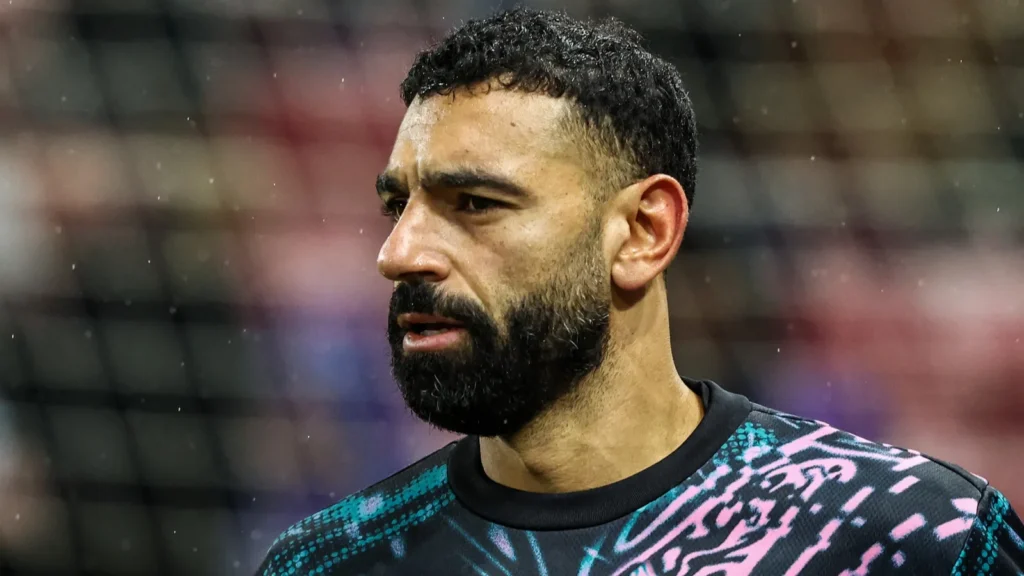
This driving ban adds another off-field headline to Salah’s long football career. The case did not involve a violent crime or a major sporting sanction, but it still drew wide attention because of his global profile.
High-profile athletes often face extra public scrutiny when routine legal or traffic matters become public. In Salah’s case, a failure to identify the driver of a Rolls-Royce became an international sports story.
Whether this changes how Salah manages his vehicles going forward remains unclear. In England and Wales, however, the 6-month driving ban means he cannot legally drive during the ban period.
TL;DR
- Salah’s Rolls-Royce was recorded at 36mph in a 30mph zone in Cheshire on March 27.
- He was convicted for failing to identify the driver, not for the speeding charge itself.
- Warrington Combined Court handled the case through the Single Justice Procedure.
- He received a 6-month driving ban and was ordered to pay £1,044.
- The incident happened 3 days after Liverpool announced he would leave at the end of the season.
- A 2018 allegation of phone use while driving also made headlines, though police later took no further action.
Read More From This Brand:
- Lamine Yamal reveals why he does not enjoy watching Bayern Munich
- Cristiano Ronaldo’s lifetime ban demand falls short after Jota chants
- Lionel Messi had animated exchange with MLS commissioner after Inter Miami win
This article was made with AI assistance and human editing.