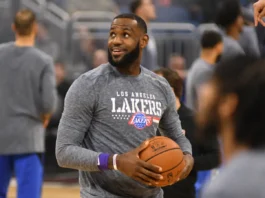


Behind every championship run lies a treasure trove of coaching secrets that cameras never capture.
While fans celebrate spectacular plays and superstar performances, elite NBA coaches deploy sophisticated tactics that remain largely invisible to casual observers. These hidden strategies separate good coaches from great ones.
The media focuses on visible moments like timeout speeches and substitution patterns. However, the real competitive edge comes from lesser-known tactics coaches refine behind closed doors. Understanding these approaches reveals the true complexity of professional basketball coaching.
Let’s dive into the hidden playbook.
Strategic Timeout Placement Beyond Momentum
Coaches use timeouts not just to stop runs but to manipulate game flow in calculated ways.
Elite NBA coaches time their timeouts with surgical precision that goes beyond halting opponent scoring streaks. Approximately 66% of timeouts successfully halt an opponent’s scoring run, proving this tactic works more often than not. Smart coaches call timeouts after opponent makes to prevent fast breaks and disrupt defensive setups.
The best coaches also avoid the timeout after the opponent misses to maintain offensive rhythm and clock advantages. Advanced teams track opponent fatigue patterns throughout games to time breaks when rivals are most vulnerable. This strategic pause management creates invisible advantages that accumulate over forty eight minutes.

Referee Tendency Tracking and Exploitation
NBA teams maintain detailed databases on individual referee calling patterns to adjust gameplay accordingly.
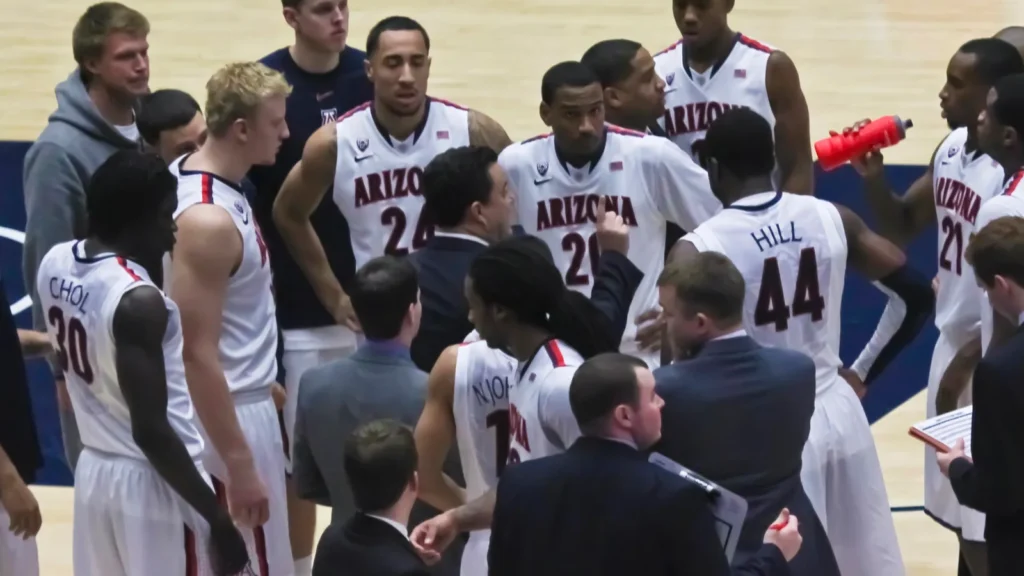
Top-tier coaching staffs compile extensive data on how different referees call games under various circumstances. Teams track which officials call more fouls in the paint versus perimeter and adjust offensive approaches to exploit these tendencies. Coaches know specific refs who rarely call offensive three-second or traveling violations.
Players receive pre-game briefings on referee tendencies to modify their aggression levels and defensive positioning throughout contests. Some coaches adjust defensive schemes entirely based on which officials are working that night. This invisible preparation creates tactical advantages opponents never see coming during actual competition.
Practice Squad Opponent Simulation
End-of-bench players spend hours perfecting imitations of upcoming opponent stars to prepare starters.
Developmental players and two-way contract athletes serve a crucial, invisible role by mimicking opponent tendencies during practice sessions. These scout team members study film exhaustively to replicate specific mannerisms like shot fakes, dribble patterns, and defensive positioning. Coaches position practice squad players in exact spots where opponent stars operate most effectively.
The best organizations reward scout team excellence with bonus incentives and public recognition to maintain effort levels. Some teams even hire recently retired players specifically for their ability to simulate certain superstar styles. This preparation method allows starters to face realistic opposition without revealing defensive schemes publicly.
Rotation Rewards for Behavioral Reinforcement
Coaches strategically grant extra playing time after big plays to reinforce desired behaviors psychologically.
Smart coaches understand that immediate positive reinforcement shapes player behavior more effectively than film room lectures. When role players make hustle plays or execute defensive rotations perfectly, coaches often extend their minutes slightly. This creates subconscious associations between desired actions and playing time rewards.
The tactic works even when the rewarded player is not the optimal lineup choice from a pure talent perspective. Players notice these patterns and modify their effort levels accordingly throughout the season. Coaches balance this psychological tool carefully to avoid undermining overall team performance or creating resentment.
Media Narrative Manipulation for Player Motivation
Coaches deliberately craft public comments to influence player confidence and effort without direct confrontation.
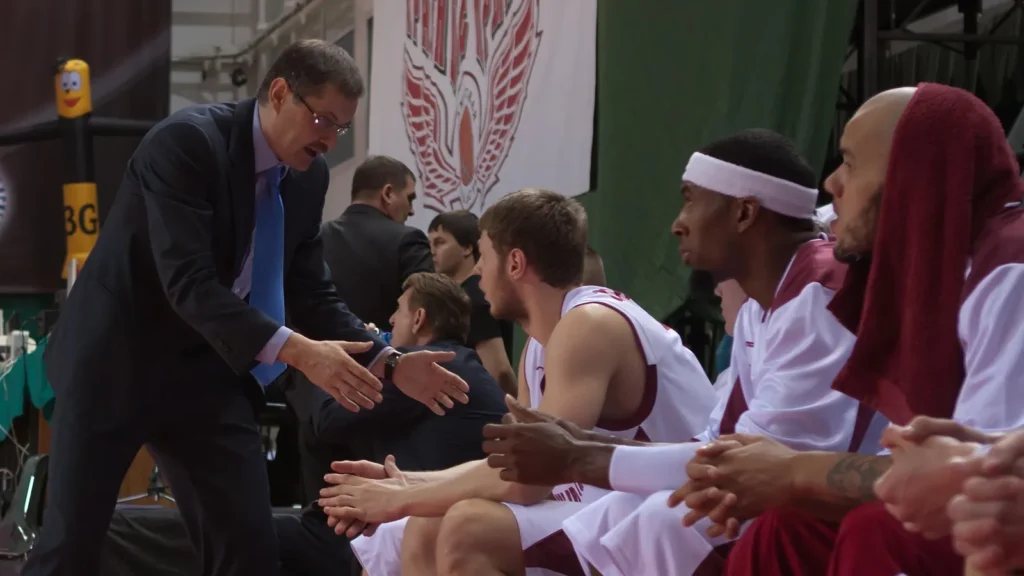
Elite coaches use press conferences as psychological tools to send messages to specific players without private conversations. Praising a struggling player publicly can restore confidence, while subtle criticism motivates complacent stars to elevate effort. Coaches know media amplifies these messages, and players consume content about themselves obsessively.
Some coaches intentionally downplay opponent strengths in the media to prevent their team from becoming intimidated before games. Others praise upcoming opponents excessively to ensure players take preparation seriously and avoid complacency. This invisible communication channel shapes team psychology without locker room drama or direct confrontation.
Chemistry Lineups Over Talent Maximization
Winning coaches sometimes play slightly inferior lineups that communicate and trust better in crucial moments.
The five most talented players do not always create the most effective lineup due to chemistry and communication factors. Coaches track which player combinations execute defensive rotations smoothly and share the basketball willingly on offense. These chemistry metrics often trump individual talent ratings when games reach critical possessions.
Some championship teams feature bench players in crunch time specifically because they mesh better with star players. Coaches balance ego management with winning basketball by rotating lineups based on interpersonal dynamics. This nuanced approach requires a deep understanding of personality compatibility and on-court relationships.
Defensive Matchup Hunting Through Substitutions
Coaches make substitutions purely to generate favorable defensive switches rather than for rest purposes.
Advanced coaches substitute players mid-possession specifically to force opponent adjustments that create advantageous matchups later. They identify which opposing players struggle to defend certain actions or positions on the floor. Strategic substitutions force slower defenders onto quicker offensive players through the switching rules.
This tactic requires extensive film study to identify which opponents cannot guard specific actions effectively. Coaches communicate these substitution patterns through coded signals that opponents cannot decipher in real time. The cumulative effect of several favorable switches throughout a game creates significant offensive advantages.

TL;DR
- Coaches call timeouts strategically based on make or miss outcomes to control game flow.
- Teams compile referee tendency databases to adjust tactics based on officials working each game.
- Practice squad players spend hours mimicking opponent stars to prepare starters realistically.
- Strategic rotation rewards reinforce desired player behaviors through playing time incentives.
- Chemistry metrics sometimes outweigh pure talent when selecting crunch time lineups.
- Substitutions create favorable defensive matchups through strategic switch manipulation.
Read More:
- Best NBA Finals Moments In History
- How NBA All-Star Weekend Became a Cultural Phenomenon
- Forgotten NBA Legends Who Deserve More Credit
This article was made with AI assistance and human editing.