
The best players didn’t just win games; they changed how everyone trains.
Before these legends arrived, basketball training followed basic patterns of shooting drills and conditioning runs. Players relied mostly on natural talent and game experience. Few invested serious effort into strength training, recovery science, or mental preparation beyond standard practice.
Then, certain superstars revolutionized everything with innovative approaches that became industry standards. Their methods spread throughout the league as younger players copied their routines. From dawn workouts to million-dollar recovery investments, these pioneers created blueprints.
Let’s explore the legends who changed basketball off the court.
Michael Jordan Revolutionized Strength Training
Jordan’s transformation from skilled scorer to unstoppable champion started in the weight room.
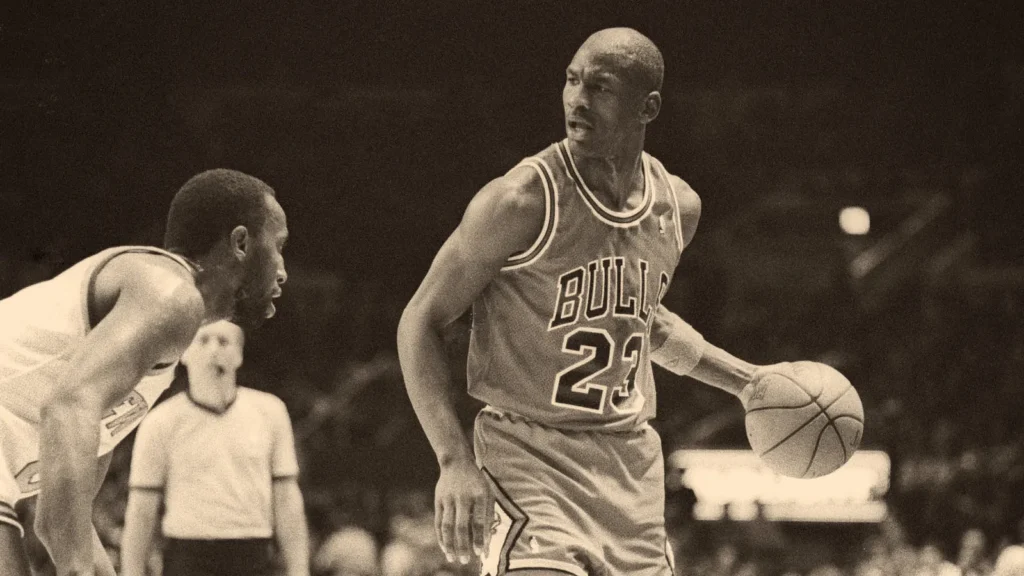
Michael Jordan faced brutal physicality from Detroit Pistons defenders during the late 1980s. His relatively lean frame couldn’t withstand the punishment from stronger opponents. Jordan hired trainer Tim Grover to address this weakness.
Grover designed a comprehensive program focusing on core strength and upper body power. The results were immediate and dramatic. Jordan added 15 pounds of muscle by the 1990 season, transforming his body and his game completely.
Breakfast Club: Basketball’s Most Famous Training Group
Jordan’s teammates noticed his physical transformation and wanted similar results for themselves.
Scottie Pippen and Ron Harper joined Jordan’s early morning sessions at his house before team practice. They called themselves the Breakfast Club. These workouts happened at 5 or 6 AM before standard team activities.
The group completed intense sessions lasting 45 to 60 minutes every single morning. Their dedication showed on the court immediately. The Bulls won six championships after implementing this routine, establishing a new standard for professional commitment.
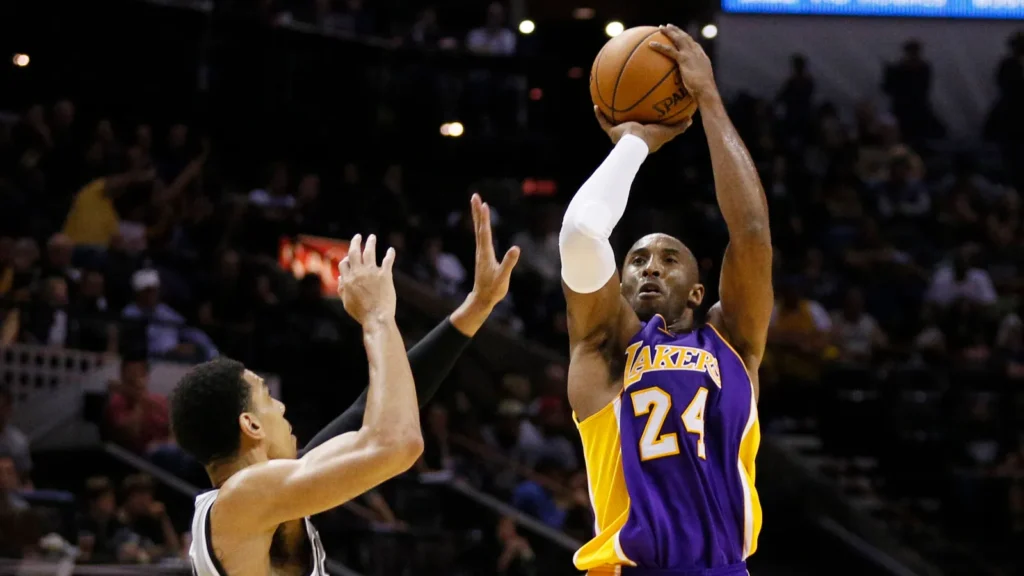
Kobe Bryant’s 666 Workout Set an Extreme Dedication Standard
Bryant created the most intense offseason training program that the league had ever witnessed.
Kobe developed his famous 666 routine during the summers to stay ahead of the competition. He trained six hours daily, six days weekly, for six months each year. This schedule became legendary among players and trainers alike.
Each day divided into two hours of track work, two hours of basketball skills, and two hours of weightlifting. Bryant reportedly made 700 to 1000 shots per day during his training sessions. His relentless approach influenced an entire generation of aspiring champions.
Bryant Trained at 2 AM While Others Partied
His commitment to improvement bordered on obsession and separated him from talented peers.
While teammates enjoyed nightlife, Kobe was in empty gyms working on his craft. He studied game film obsessively from 2 AM until 4 AM most nights. Bryant questioned every aspect of his training to understand why each drill mattered.
Former Bulls player Jay Williams arrived four hours early for a game at Staples Center. He found Bryant already drenched in sweat from training. That same night, Kobe dropped 40 points on Williams’ team, proving that preparation equals performance.
LeBron James Pioneered Modern Recovery And Longevity Methods
James changed how players view body maintenance and career sustainability at elite levels.
LeBron reportedly invests over $1.5 million annually on body maintenance, though he won’t confirm exact numbers. His approach combines strength training, yoga, pilates, and cutting-edge recovery technology. Sleep became a cornerstone of his routine.
James prioritizes 8 to 10 hours of sleep nightly for optimal muscle recovery. He uses hyperbaric chambers, compression boots, and daily meditation for mental clarity. His comprehensive approach redefined what professional longevity looks like in basketball.
James Trains Five Days Weekly During Intense Offseasons
His structured preparation keeps him competitive well past the typical retirement age for players.
Monday represents his most strenuous training day each week with maximum intensity workouts. Tuesday focuses on running, catch and shoot drills, and getting his legs back under him. Each session targets specific aspects of his game and physical conditioning.
Game days include lifting and shooting three to five hours before tipoff for optimal readiness. Recovery days feature massage, stretching, and compression therapy instead of high-impact work. This balance allows James to dominate at 40 years old, proving sustainable training beats burnout.
Allen Iverson Showed Talent Could Overcome Unconventional Training Habits
His approach sparked debates about the importance of natural ability and game performance.
Iverson famously didn’t prioritize traditional practice drills or offseason weightlifting throughout his career. He preferred playing five on five rather than running structured drills. His 2002 practice rant became one of basketball’s most memorable press conferences.
Despite minimal weight training, Iverson led the league in scoring four times and won MVP. He later admitted wondering how much better he could have been with different habits. Still, his Hall of Fame career proved multiple paths exist to basketball greatness.

Shaquille O’Neal Trained Like an MMA Fighter, Not a Basketball Player
Shaq discovered that wrestling conditioning prepared him better than traditional basketball drills.
O’Neal spent offseasons training in grappling and MMA techniques rather than shooting and dribbling. He realized his game required running, jumping, and physically dominating opponents in the paint. Traditional basketball conditioning didn’t address these specific demands adequately.
Once Shaq switched to MMA-style training, he started winning championships consistently. His body was conditioned for the physical warfare under the basket. This unconventional approach proved that sport-specific training sometimes means looking beyond your own sport.
Steve Nash Emphasized Injury Prevention Over Raw Power Development
His training philosophy focused on longevity and movement quality rather than explosive strength.
Nash avoided heavy weightlifting that could cause wear and tear on his body over time. Instead, he prioritized flexibility, mobility, stability, and coordination through movement-based training. This approach kept him healthy into his late thirties.
His offseason workouts aimed to prevent injuries and prepare for the competitive grind ahead. Nash incorporated yoga, pilates, and sport-specific drills rather than maximum weight exercises. After retiring, he continued playing soccer and training intensely, proving his methods worked.
TL;DR
- Michael Jordan’s strength training with Tim Grover added 15 pounds of muscle and six championships.
- Kobe Bryant’s 666 workout became the gold standard for offseason intensity and commitment.
- LeBron James revolutionized recovery protocols with million-dollar body maintenance investments.
- Allen Iverson proved that natural talent and game focus could succeed despite minimal practice habits.
- Shaquille O’Neal trained in MMA-style because his game demanded wrestling strength over finesse.
Read More:
- Games where underdogs shocked the basketball world
- How the NBA’s three-point revolution changed the league forever
- The Evolution of NBA 3-and-D Play and Its Importance
This article was made with AI assistance and human editing.