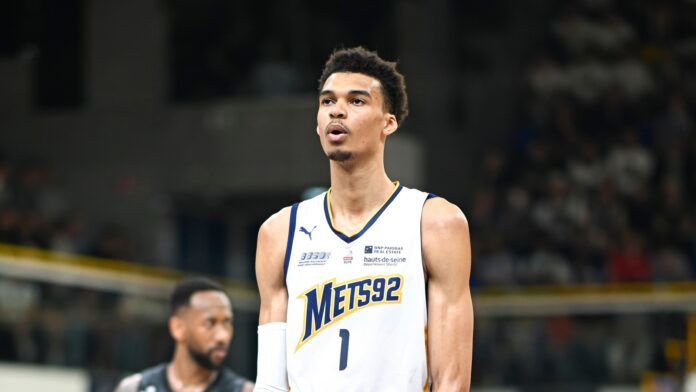
One gesture. Zero words. A thousand opinions. Before a single jump ball, Victor Wembanyama had already made headlines at the NBA Finals, not for his game. His arms stayed crossed through every note of “The Star-Spangled Banner.” Cameras caught it. Fans clipped it. X erupted soon after the clip began circulating.
Was it a protest? A cultural habit? A statement wrapped in silence? Nobody knows for certain, and that uncertainty is exactly what made it explosive. The clip quickly divided fans online.
The NBA wanted a new face for the league. It got one. Just not the kind of spotlight anyone planned for. Here is what really happened, why it blew up so fast, and what it means for basketball going forward.
The moment that ended the debate
Before Game 1 of the 2026 NBA Finals, cameras panned across the Spurs bench at Frost Bank Center. Wembanyama stood upright with both arms crossed as singer Tori Kelly performed the national anthem. Most of his teammates stood quietly with their hands at their sides. Several players did not place their hands over their hearts.
The clip circulated rapidly on social media and became one of the most shared sports videos of the morning. Fans immediately began picking sides. Some saw the gesture as a deliberate political statement. Others called the outrage overblown and pointed out that Wembanyama is French and may simply have stood the way he normally would.
Why Victor Wembanyama matters
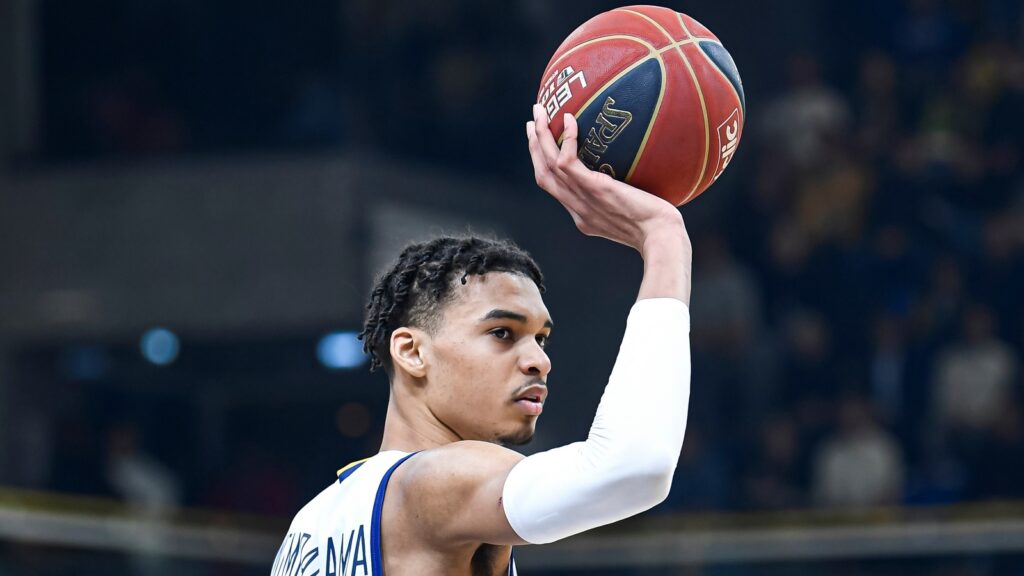
Victor Wembanyama is a 22-year-old from Le Chesnay, a suburb of Paris, France. He entered the NBA as the top pick in the 2023 draft and quickly became one of the most talked-about players in the league. His rare combination of size, skill, and playmaking earned comparisons to legends like Michael Jordan, Kobe Bryant, and LeBron James.
The NBA has been looking for a breakout young star to carry the league into a new era. Wembanyama fits that profile almost perfectly. That is exactly why the anthem moment carries weight beyond just basketball. When the potential face of the league makes a gesture that divides fans, the league itself has a problem on its hands.
Politics fueled the controversy
Wembanyama did not come into the Finals with a clean slate on political issues. Back in January 2026, he publicly commented on the fatal shootings of two civilians involving Immigration and Customs Enforcement agents in Minnesota. He said he was “horrified” by the events and called the deaths unacceptable. His comments drew both praise and criticism across the country.
Those earlier statements gave the anthem moment extra context for many fans. Critics who already viewed his ICE comments as political interference saw the crossed arms as a continuation of that pattern. That combination of prior statements and the gesture made it harder for some fans to view the anthem moment as an innocent cultural habit. The optics simply did not work in his favor.
The social media debate
Reactions on X and other platforms split almost instantly along familiar lines. Some users called the gesture blatantly disrespectful to the American flag and demanded greater appreciation from athletes earning millions in the US. One user wrote that crossing your arms during any national anthem is “clearly disrespectful” and that nationality is no excuse for the behavior.
Others pushed back firmly. ESPN personality Stephen A. Smith called accusations of disrespect “patently false” and reminded fans that the U.S. Code describes anthem etiquette using ‘should,’ including standing with the right hand over the heart, but it is not treated as a punishable legal requirement. One widely shared post put it plainly: Wembanyama stood silently, did not kneel, and is French. To many, there was simply nothing more to the story than that.
NBA’s anthem protest history
The NBA has navigated anthem controversy before, and it has rarely gone smoothly. The league’s rulebook technically requires players to stand in a dignified posture during the national anthem. That rule dates back to the early 1980s. However, the NBA has repeatedly chosen not to enforce it, particularly during periods of widespread social protest across American sports.
During the 2020 season, players across multiple teams knelt during the anthem as part of broader protests against racial injustice. Commissioner Adam Silver chose not to penalize anyone. The league also had to reverse course in 2021 when the Dallas Mavericks stopped playing the anthem entirely before home games. The NBA reaffirmed its policy quickly, but the enforcement question has always remained murky.
Fun fact: He taught himself English by watching TV shows as a teenager because he knew the NBA was his future.
Game 1 added another layer
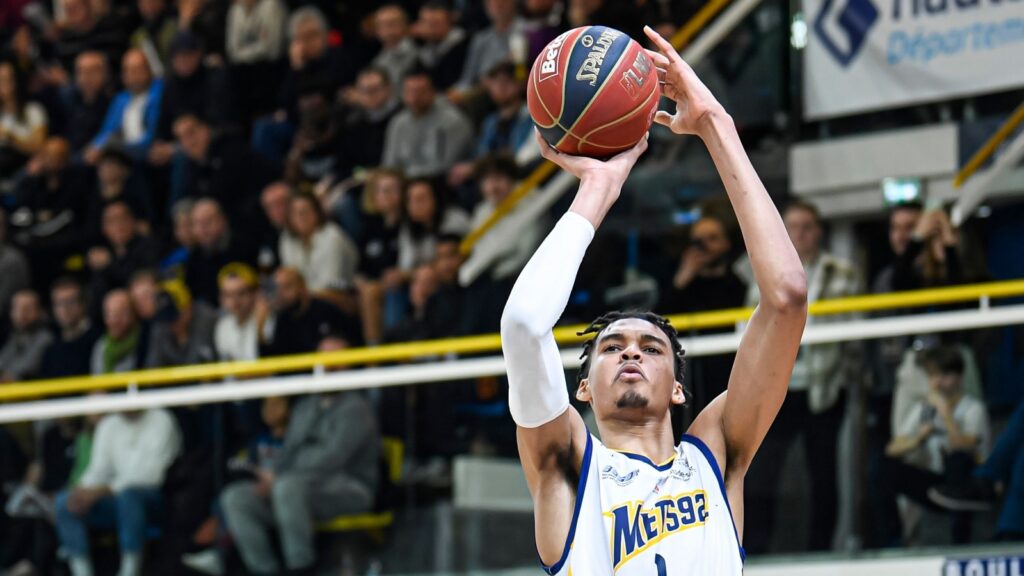
Wembanyama’s performance on the court did not help shift the narrative back to basketball. He finished Game 1 with 26 points but shot a 6-for-21 from the field. The Spurs blew a 14-point lead in the second half and lost to the New York Knicks 105-95. Jalen Brunson led New York with 30 points and helped close the game with an 11-point run.
After the game, Wembanyama was direct in his self-assessment. He told reporters, “I’ve been bad, and I’m better than this,” and said he planned to figure it out. That kind of honest accountability is typically the mark of a competitor who responds well to adversity. But the off-court noise was already drowning out his post-game comments and the basketball itself.
What experts said
Beyond Stephen A. Smith, a range of commentators weighed in on the controversy. Many pointed out that cultural norms around national anthems vary widely across countries. In France and much of Europe, standing at attention with crossed arms or hands folded is not considered disrespectful. The expectation that a foreign player would adopt American customs is itself a debated point.
Some media analysts noted that the controversy revealed a deeper tension. American sports fans often hold international athletes to the same patriotic standards as American-born players. When those athletes do not conform, the reaction can be swift and harsh regardless of intent. That gap between American expectations and international norms is a real and ongoing challenge for a globalized league like the NBA.
Why it’s a bigger NBA problem
The NBA has spent years trying to win back fans who tuned out during politically charged seasons. The league’s viewership declined sharply after the 2020 protests and the “Black Lives Matter” branding on courts. Executives worked hard to rebuild a broad fan base, and the 2026 Finals represented a genuine return to positive momentum with a compelling matchup.
Now the anthem moment threatens to reopen those old wounds at the worst possible time. Casual fans who came back to watch a great Finals series are suddenly debating immigration, protests, and patriotism instead of basketball. That is the last thing the NBA wanted heading into its biggest stage. The league will need to navigate the next few games carefully to keep the focus where it belongs.
Little-known fact: He was first scouted at a U11 game in Versailles when a coach initially mistook his towering frame for a member of the coaching staff. He was not even the one being watched that day.
TL;DR
- Victor Wembanyama stood with his arms crossed during the U.S. national anthem before Game 1 of the 2026 NBA Finals, sparking instant national debate.
- Wembanyama is French and may have simply stood the way he normally would, but many American fans viewed the gesture as disrespectful.
- His earlier comments calling ICE-related civilian deaths unacceptable gave the anthem moment added political weight for critics.
- Stephen A. Smith and others defended him, noting that putting a hand over the heart is not required and that he stood quietly throughout the anthem.
- The controversy threatens to overshadow the NBA Finals at a moment when the league has been rebuilding its fan base after years of declining viewership.
If you liked this story, don’t forget to follow us for more exclusive content.
This article was made with AI assistance and human editing.
If you liked this, you might also like: