The 2026 NCAA Men’s Basketball Championship ended with confetti, trophies, and a 37-year Michigan drought finally over. But less than 48 hours after the buzzer, the celebration gave way to one of the most heated debates college basketball has seen in years. Michigan had just become the first team in NCAA history to win a title with an all-transfer starting lineup.
That milestone was historic. It was also deeply controversial. For fans, coaches, and lawmakers, the win was a flashpoint for everything that has changed since NIL rules and the transfer portal reshaped how programs are built. As the dust settles in Indianapolis, the debate grows louder.
Here is everything you need to know.
Michigan made history in Indianapolis
On April 6, 2026, Michigan defeated UConn 69–63 at Lucas Oil Stadium to claim its second national title, ending a 37-year drought. It also gave the Big Ten its first championship since Michigan State in 2000. The win was remarkable on the scoreboard and even more so in roster construction.
All five Michigan starters began their careers at different schools, the first time that had happened in an NCAA title game. The team’s four leading scorers all transferred from other programs, something unseen in 80 years of NCAA play. May built a champion in one offseason.
What is the transfer portal, and how did we get here?
The NCAA transfer portal launched in October 2018 to help athletes change schools more transparently. Before it existed, players needed their coach’s permission to contact other programs. Athletes in major sports like basketball previously had to sit out a full year after transferring without a hardship waiver.
In 2021 the NCAA introduced a one-time transfer rule letting players switch schools without losing eligibility. Then in 2024 all restrictions were removed for academically eligible athletes entirely. Unlimited movement became the new standard, and programs began treating the portal like an annual professional free agency window for roster talent.
NIL money turned the portal into a marketplace
The transfer portal did not arrive alone. NIL rules took effect in 2021, letting athletes profit from their name, image, and likeness for the first time. Together, these changes transformed recruiting into something resembling free agency. Programs with deep financial resources could now simply go shopping for proven talent outright.
College basketball NIL spending reached $932.5 million in the 2025–26 season. Michigan star Yaxel Lendeborg turned down a reported $7 to $9 million Kentucky offer to sign with the Wolverines instead. The financial scale of what was once called amateur athletics has become genuinely extraordinary and unprecedented.

Players say the portal gave them a second chance
Not everyone views the portal negatively. Elliot Cadeau had been written off as a bust after two forgettable seasons at North Carolina. He won the tournament’s Most Outstanding Player award at Michigan. Lendeborg, Morez Johnson Jr., and Mara all watched their NBA draft stock soar dramatically after joining the Wolverines.
Cadeau reflected that the team sought a fresh start and took full advantage of the opportunity. For these players, the portal was not a loophole to exploit. It was a genuine second chance that the old restrictive transfer system would never have offered any of them.
Fun fact: Michigan’s men’s basketball operating budget ranked only 25th among public universities at $14.3 million in 2024–25. UConn spent $21.5 million that same year. Michigan’s title proves smart portal strategy can beat bigger spenders.
Transfer portal chaos erupted right after the final buzzer
If there was any doubt that college basketball mirrors a professional league, the portal timing settled it. For the first time, the men’s portal opened during the national championship postgame itself. Coaches were already calling prospects before the confetti inside Lucas Oil Stadium had finished falling.
The window ran from April 7 through April 21. More than 2,500 players entered the portal during the previous cycle alone. May was reportedly working phones from the locker room while clutching the championship trophy. That single image captured precisely how far college basketball has moved from its traditional roots.
Trump stepped in with a sweeping executive order
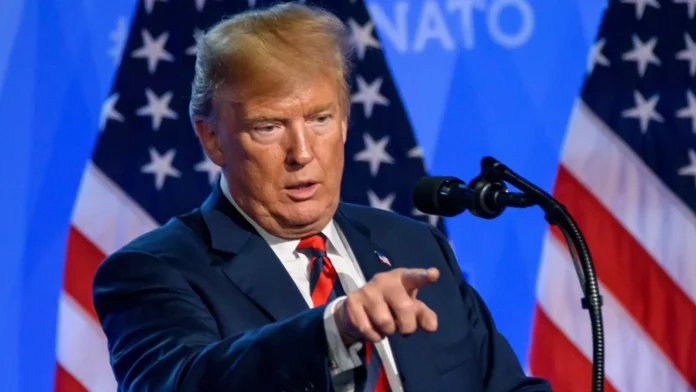
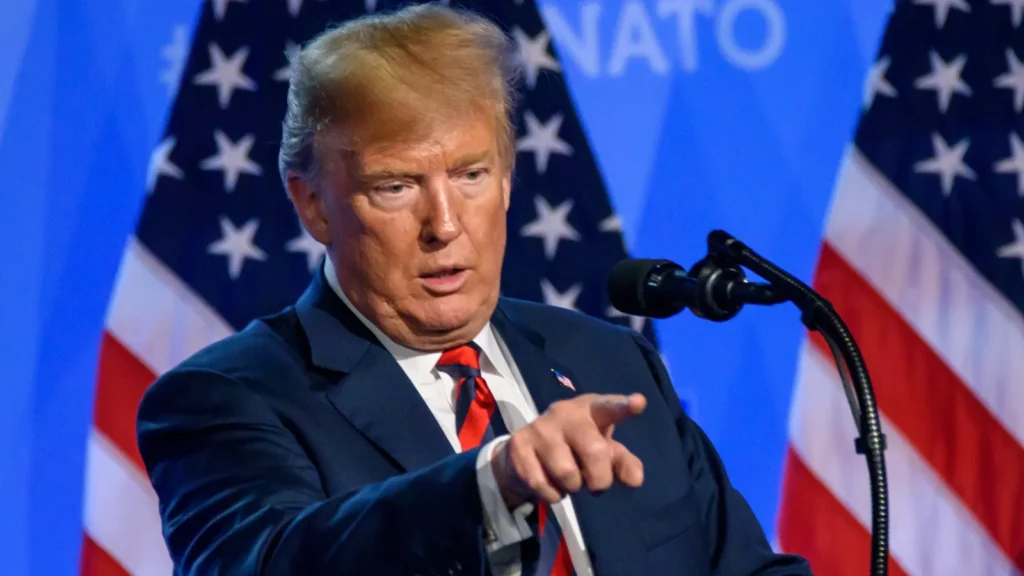
The chaos did not go unnoticed in Washington. On April 3, 2026, President Trump signed the Urgent National Action to Save College Sports. It directs the NCAA to cap athletes at a five-year window and limit each player to one transfer. Noncompliant schools risk losing their federal funding.
Legal experts are broadly skeptical that the order will survive court challenges. Courts already struck down similar restrictions, and multiple state laws conflict with the directive. The order takes effect August 1, 2026, so the current portal window operates under the old unlimited transfer rules. Most insiders expect multiple lawsuits immediately.
Fun fact: Trump’s April 2026 order was his second attempt at reforming college sports in under a year. His first executive order, signed in July 2025, had almost no measurable real-world impact on how programs actually operated or recruited.
What does this mean for the future of college basketball?
Michigan’s championship is being studied as a national coaching blueprint. Programs are examining how May built a title roster through aggressive portal recruiting in a single offseason. The era of developing champions slowly over four or five years of traditional player development may be permanently finished.
The deeper question is what college basketball actually is anymore. Rosters get rebuilt annually, NIL spending rivals professional salaries, and the House v. NCAA settlement lets schools share $20.5 million with athletes yearly. Whether the NCAA wants it or not, college basketball is being professionalized completely from the inside out.
TL;DR
- Michigan won the 2026 NCAA Championship with the first all-transfer starting five in college basketball history, defeating UConn 69–63 in Indianapolis.
- The historic win ignited a national debate over NIL money and the transfer portal’s impact on the soul of college sports.
- The transfer portal launched in 2018 and became fully unrestricted in 2024, allowing athletes to change schools unlimited times without penalty.
- College basketball NIL spending hit $932.5 million in 2025–26, turning player recruitment into a high-stakes financial competition.
- President Trump signed an executive order on April 3, 2026, limiting transfers to one per career, but legal experts widely expect it to be struck down in court.
If you liked this story, don’t forget to follow us for more exclusive content.
This article was made with AI assistance and human editing.
If you liked this, you might also like: