




Netflix brings MLB marquee matchups to streaming audiences
A major shift is underway in how fans experience baseball, as streaming platforms begin carving out a place in live sports. With select high-profile matchups moving into the spotlight, the viewing experience is evolving beyond traditional broadcasts.
This new approach blends entertainment, accessibility, and technology in ways that could reshape how audiences engage with the game. What this means for fans, leagues, and the future of sports viewing is just beginning to unfold.
MLB adopts a multi-platform media strategy
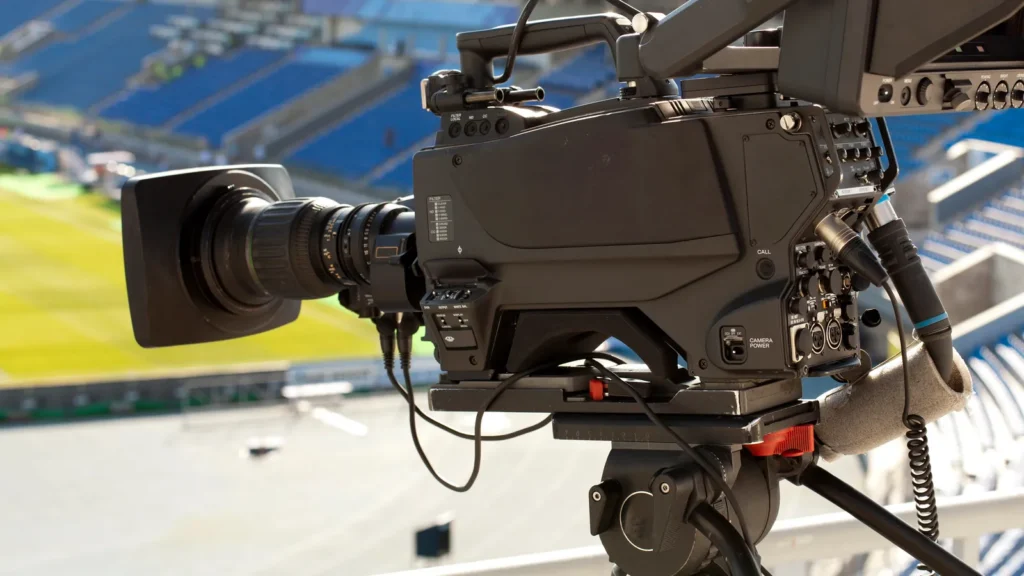
Major League Baseball has adopted a distribution model that spreads its content across multiple media partners, including streaming and traditional broadcasters. This approach allows the league to reach different audience segments while maintaining consistent national and global visibility.
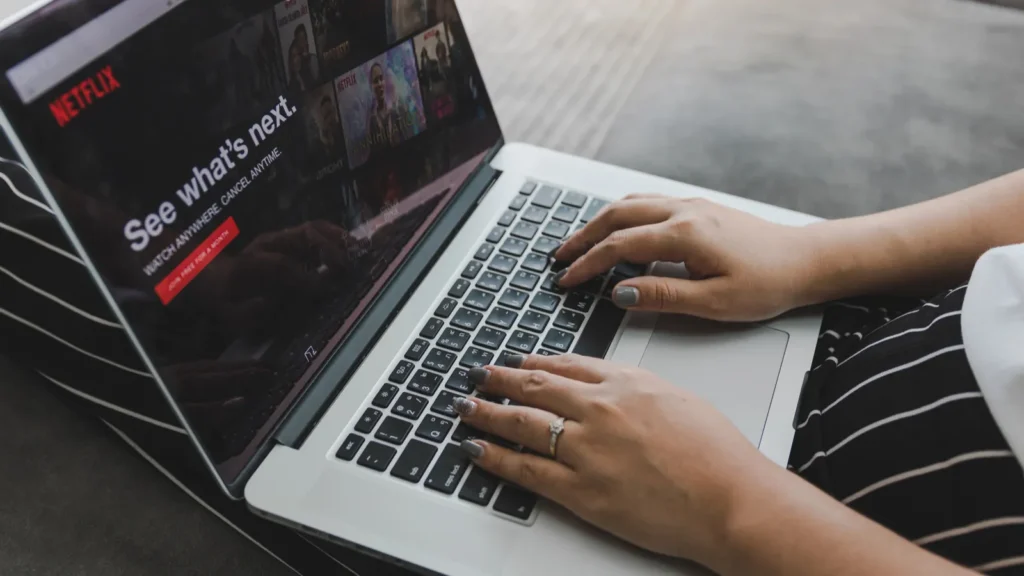
By partnering with platforms like Netflix, MLB expands access to its most important games beyond cable television. This strategy reflects a broader shift in sports media where leagues prioritize accessibility, flexibility, and global reach through digital platforms.

Streaming platforms expand into live sports
Streaming platforms are increasingly investing in live sports because these events generate consistent real-time viewership and reduce subscriber turnover. Live games also create shared viewing experiences that are less common in on-demand entertainment formats.
For Netflix, entering MLB aligns with its broader goal of diversifying content offerings and strengthening engagement. Sports content complements its existing library by adding live programming that encourages appointment viewing rather than passive consumption.
Focus on marquee matchups drives audience interest
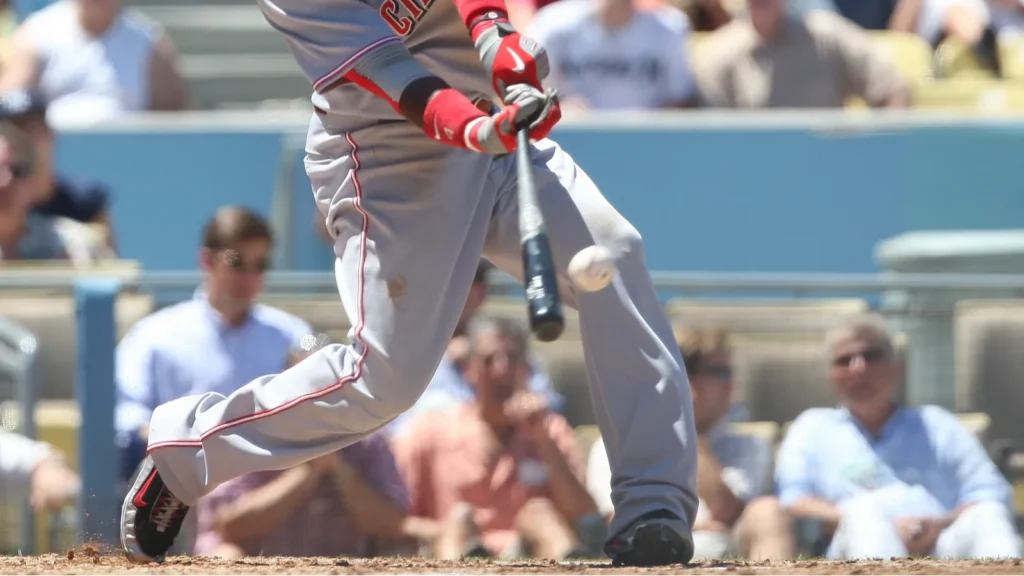
Marquee matchups in MLB typically feature popular teams, star athletes, and games with historical or competitive significance. These matchups are often scheduled to maximize viewership and national attention due to their strong storytelling potential.
Netflix’s involvement emphasizes these high-profile games because they naturally attract both dedicated baseball fans and casual viewers. By showcasing marquee events, the platform can leverage built-in excitement without needing to build narratives from scratch.

Opening Night sets the tone for the MLB season
Opening Night is positioned as a special standalone event that begins the MLB season with a primetime game before the full league schedule starts. This format creates a spotlight moment that highlights two prominent teams and key players.
Streaming Opening Night on Netflix allows global audiences to tune in simultaneously, increasing visibility for the league. The event also serves as an introduction to the MLB season for viewers who may not regularly follow baseball.
Home Run Derby remains a major attraction
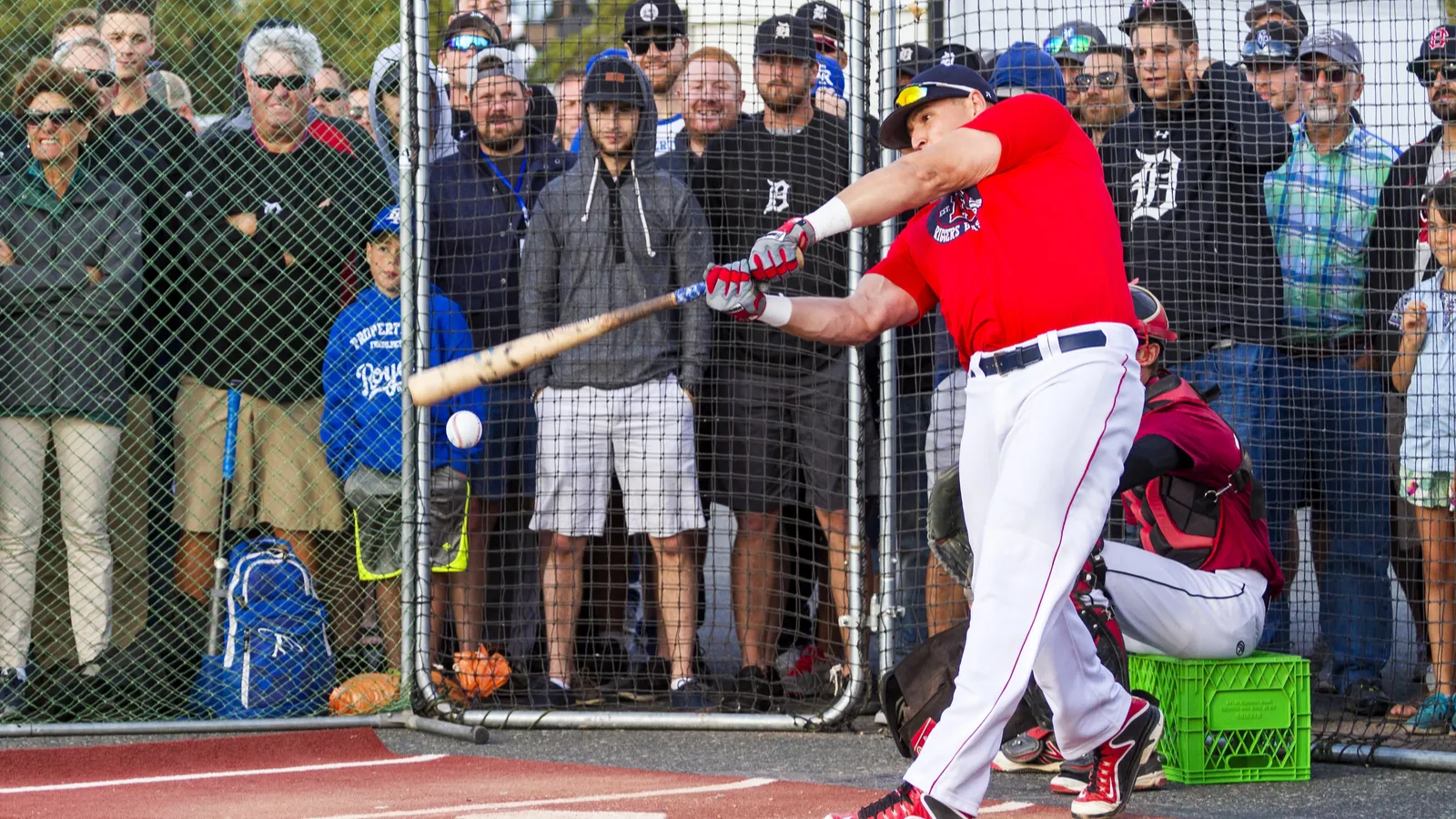
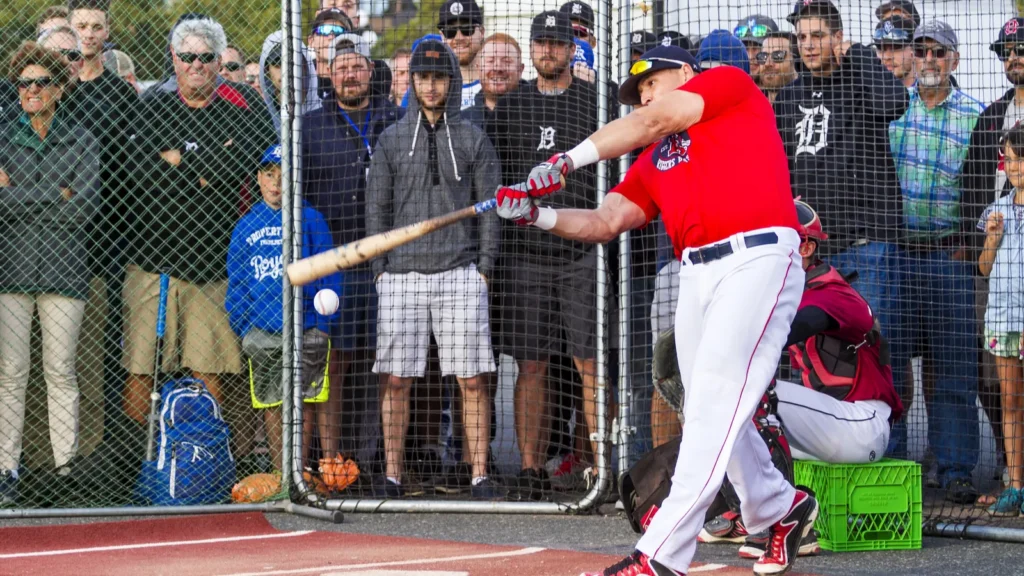
The Home Run Derby is one of MLB’s most popular showcase events, featuring top hitters competing in a high-energy format. Its entertainment value makes it a natural fit for streaming audiences who enjoy fast-paced and visually engaging sports content.
Netflix’s inclusion of the Derby reinforces its focus on events that combine competition with spectacle. The format’s simplicity and star-driven appeal make it accessible to both long-time fans and newcomers to the sport.
Field of Dreams game adds cultural significance
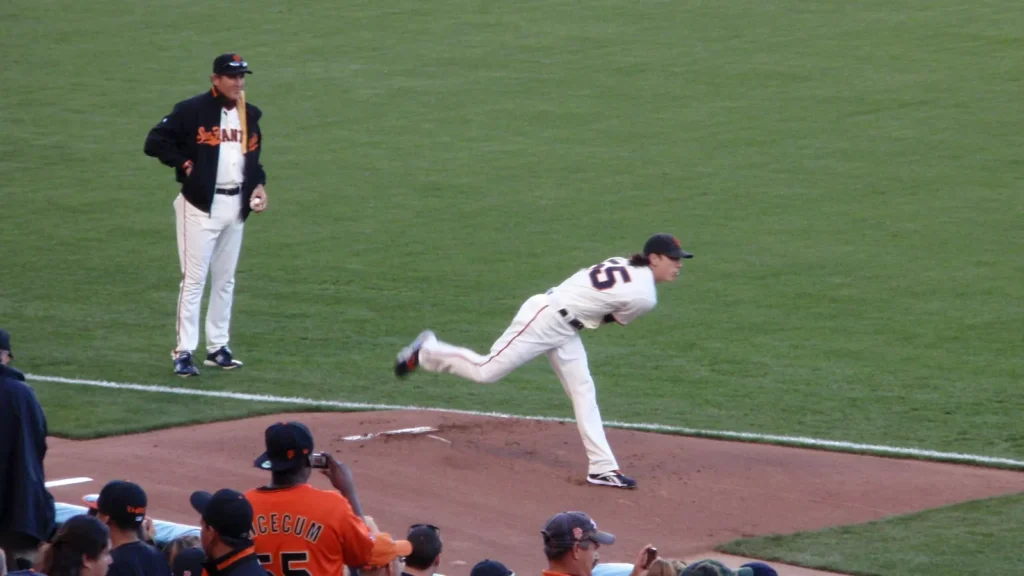
The Field of Dreams game is held at a historic movie site in Iowa and represents a unique blend of sports and pop culture. This special event often features themed presentations and a nostalgic atmosphere that sets it apart from standard games.
By including this event, Netflix gains access to a visually distinctive and emotionally resonant matchup. The setting and presentation contribute to its status as one of MLB’s most recognizable special events.
Interesting fact: The first MLB game played at the Field of Dreams site in Dyersville, Iowa, took place in 2021 between the Chicago White Sox and the New York Yankees.

Production collaboration enhances broadcast quality
MLB broadcasts on Netflix are produced in collaboration with MLB Network’s experienced production team, ensuring professional coverage aligned with established broadcast standards. This partnership helps maintain consistency in camera work, commentary, and overall presentation.
Combining Netflix’s platform with MLB’s production expertise allows for a high-quality viewing experience that meets expectations for live sports. The collaboration ensures that marquee matchups are delivered with clarity, precision, and reliability.
Interesting fact: The MLB All-Star Game was first played in 1933 and was originally created as part of the Chicago World’s Fair.
Star players drive engagement and viewership
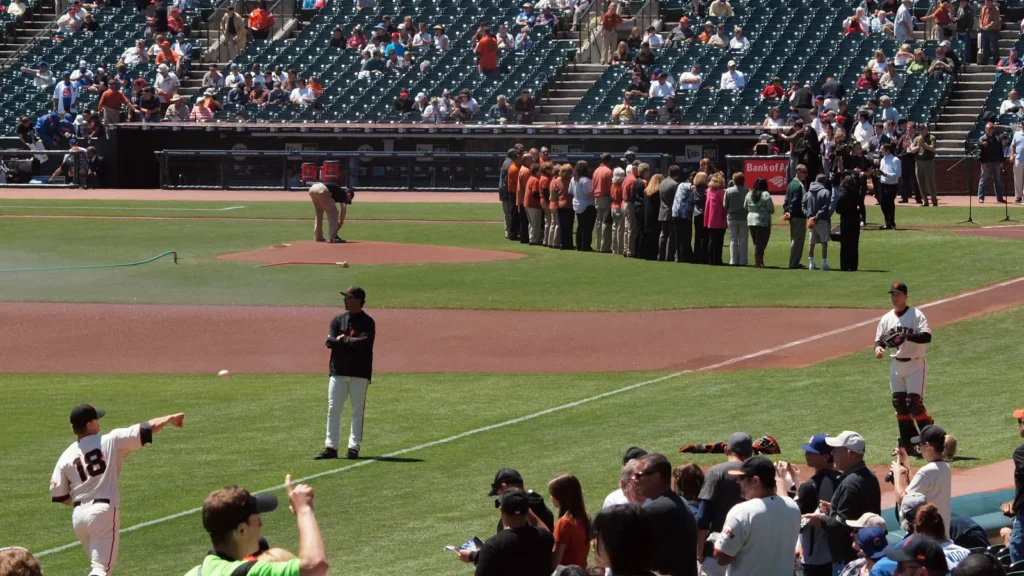
Star players play a central role in attracting audiences to marquee MLB matchups, as recognizable athletes often serve as the main draw for viewers. Their performance, reputation, and storylines contribute to the overall appeal of the broadcast.
These athletes also generate discussion across social media platforms, increasing visibility for both the game and the streaming service. Their presence helps transform individual games into widely followed events with broader cultural relevance.
Global accessibility expands MLB reach
Streaming through Netflix allows MLB to reach international audiences more easily than traditional broadcast networks. This global accessibility helps introduce baseball to regions where the sport may not be widely televised.
By distributing marquee events on a worldwide platform, MLB strengthens its international fan base. This expansion supports long-term growth by connecting the league with new viewers across different countries and time zones.

Audience behavior continues shifting to streaming
Viewers are increasingly choosing streaming platforms for convenience, flexibility, and device compatibility. This trend has encouraged sports leagues to explore digital partnerships that align with modern viewing habits.
Netflix benefits from this shift by offering content that can be accessed on-demand or live across multiple devices. MLB benefits by meeting fans where they already consume most of their entertainment.

Media rights structure balances multiple partners
MLB’s media rights structure includes multiple partners, each responsible for different portions of the league’s coverage. This division allows each platform to specialize in specific types of content, such as regular-season games, postseason coverage, or marquee events.
Netflix’s role is focused on select high-profile games rather than full-season coverage. This balanced approach helps maintain traditional broadcast relationships while integrating streaming platforms into the overall ecosystem.
The internet is also talking about how Shohei Ohtani just proved his commitment to the Dodgers with a surprise pitching update.

Future of MLB streaming centers on event-based viewing
The future of MLB streaming is likely to continue emphasizing event-based viewing through strategic partnerships with platforms like Netflix. Marquee matchups will remain central to attracting audiences and maintaining interest throughout the season.
As technology and media consumption evolve, MLB may expand its digital presence further while preserving its core broadcasting structure. Streaming platforms will continue to play an important role in delivering key moments to global audiences.
In other news, the Panthers land LB Devin Lloyd with a 3-year, $45M agreement.
Share your thoughts in the comments. Do you think streaming platforms will become the main way fans watch live baseball in the future?
This slideshow was made with AI assistance and human editing.
Read More From This Brand:


