

Mixed reactions emerge as CBS faces renewed online criticism
A wave of online conversation has started building around CBS, pulling attention from both entertainment and sports audiences as the 2026 NFL season approaches. What began as scattered reactions on social media has quickly turned into a broader debate about viewer frustration and network decisions.
While opinions are split and the situation is still developing, the discussion has gained enough traction to raise questions about how far these reactions can actually go. Here’s a closer look at what’s happening and why it’s trending right now.

Entertainment controversy becomes the starting point
The discussion around CBS intensified after backlash tied to changes in its entertainment programming lineup and late-night television direction. This sparked strong reactions online, especially among viewers of long-running shows.
Social media users quickly connected these entertainment concerns to broader criticism of the network. The conversation then expanded beyond entertainment into general discussions about CBS content.

Social platforms amplify scattered opinions
Platforms like X, Reddit, and Facebook played a major role in spreading CBS-related discussions. Users shared posts expressing frustration, support, or confusion about the situation.
These posts varied widely in tone and intent, showing no unified message or coordinated structure. Most engagement appears to be individual opinion sharing rather than an organized activity.
NFL broadcasts enter the conversation indirectly
CBS’s role as a major NFL broadcaster led some users to mention football coverage in their reactions. This connection mainly appeared in comment threads rather than formal discussions.
However, reporting shows these references are secondary and not the main focus of the backlash. NFL broadcasts themselves remain unaffected by the online conversation.

No evidence of organized viewer movement
Despite viral posts, there is no verified evidence of a structured boycott campaign against CBS. The reactions are fragmented and spread across several different online communities.
Most reporting describes the situation as social media-driven sentiment rather than a relevant coordinated consumer action. No official groups or organizations are leading such efforts.
CBS continues stable NFL broadcasting role
CBS remains one of the primary television partners of the NFL in the United States. The network continues to air regular-season games and major matchups under existing agreements.
There are no confirmed changes to its broadcast rights or scheduling for the 2026 season. NFL coverage is expected to continue as part of established contracts.

Viewer frustration reflects broader media habits
Some frustration reflects larger changes in how audiences consume sports and entertainment content today. Streaming platforms and network shifts have made viewing habits more fragmented.
This broader environment often increases criticism toward traditional networks like CBS. However, it does not directly alter NFL broadcast performance or rights.
Interesting fact: CBS began in 1927 as a radio network called United Independent Broadcasters, Inc., later becoming the Columbia Broadcasting System under William S. Paley’s leadership.
Celebrity commentary increases visibility
Certain public figures and entertainment personalities added commentary that amplified CBS-related discussions online. These statements were widely shared and discussed across platforms.
While influential in visibility, these remarks remain individual opinions rather than coordinated efforts. No official entertainment or sports organization has endorsed any boycott activity.
Interesting fact: CBS was founded in Chicago and later became one of the major American broadcast television networks, expanding from radio into television in the 1940s and becoming one of the “Big Three” U.S. TV networks.

Social media sentiment remains divided
Online reactions to CBS-related discussions show a wide range of opinions, with users expressing agreement, criticism, and indifference across different platforms. Some posts strongly support the idea of avoiding CBS, while others argue that the reaction is exaggerated or unnecessary.
This division highlights how social media rarely produces a unified viewpoint during entertainment controversies. Conversations often shift quickly as new topics trend, reducing the staying power of any single narrative. Engagement tends to be driven more by emotion and timing than long-term organization.

NFL viewership continues to dominate American television
NFL games consistently rank among the most-watched broadcasts in the United States, drawing millions of viewers each week across multiple networks. This strong performance has remained steady over many seasons, making football one of the most reliable forces in live television.
Because of this consistent audience strength, short-term online debates rarely influence overall viewing behavior. Fans tend to follow teams and matchups regardless of which network carries the broadcast. This makes NFL programming resilient even during periods of media criticism or public controversy.
Advertising value reinforces stability in NFL broadcasts
NFL broadcasts represent some of the most valuable advertising opportunities in American media due to their large and engaged live audiences. Companies pay premium rates to reach viewers during these games, making them a major revenue source for networks like CBS.
This financial importance encourages broadcasters to maintain stable NFL coverage regardless of external discussions or online sentiment. The structure of sports media contracts ensures continuity even when entertainment-related controversies trend online.
The internet is also talking about the Bills’ 2026 schedule, which creates a tough path back to the AFC East title.
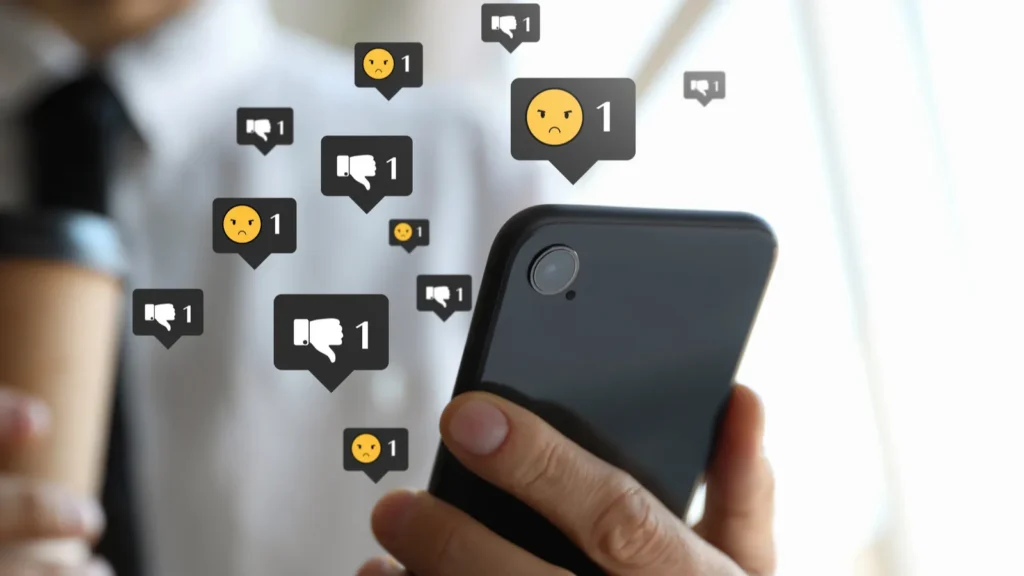
Digital backlash trends often fade quickly
Online backlash movements often gain rapid attention but lose momentum over time. This pattern is common in entertainment-driven controversies across social media.
Without structured organization, most viral discussions do not translate into long-term behavioral change. CBS-related conversations appear to follow this same trend.
In other news, Travis Kelce’s next chapter gets fresh attention after Kyle Long’s bold comments.
Drop your thoughts in the comments. Do you think online backlash like this actually impacts major networks like CBS, or does it fade without a real-world effect? Don’t forget to like and share if you want more breakdowns of trending sports media stories like this.
This slideshow was made with AI assistance and human editing.
Read More From This Brand: