


The Green Bay Packers defeated the Dallas Cowboys 23-13 at Lambeau Field, but a controversial roughing-the-passer penalty against defensive end Lukas Van Ness became one of the game’s biggest talking points. The flag wiped out a potential interception by cornerback Carrington Valentine and extended a Dallas drive in the fourth quarter.
The decision drew criticism from fans and former players who questioned whether Van Ness’ contact with quarterback Dak Prescott warranted a 15-yard penalty. The call came with Green Bay leading 23-7, making it a significant moment in a game the Packers ultimately controlled.
The controversy also renewed concerns about consistency in NFL officiating. Green Bay coach Matt LaFleur has expressed frustration with roughing-the-passer calls this season, arguing that quarterbacks should receive consistent protection regardless of which team they play for.
The Van Ness penalty overshadowed a Packers defensive highlight
The disputed play occurred with 7:44 remaining in the fourth quarter. Prescott attempted a pass intended for wide receiver Jonathan Mingo, but Valentine intercepted it, seemingly giving Green Bay another takeaway as Dallas tried to mount a late comeback.
Officials then flagged Van Ness for roughing the passer, nullifying the interception and awarding Dallas an automatic first down. Instead of taking possession, the Packers had to return to defending a Cowboys offense that was trying to close the deficit.
The call immediately attracted attention because the interception appeared to give Green Bay control of the situation. Critics questioned whether the contact justified the penalty, while the ruling itself meant Dallas retained possession and received additional yardage.
Fans and former players questioned the officials’ judgment
The penalty prompted strong reactions across social media, with viewers questioning what officials had seen to justify the flag. Some reactions focused on the apparent severity of the contact, arguing that the play did not look like an obvious roughing-the-passer infraction.
Former NFL players also joined the criticism. Reports highlighted reactions from football personalities who questioned the decision, adding to the scrutiny surrounding the officiating crew during a nationally televised Sunday night game.
However, disagreement over a call does not automatically establish that officials violated the rules. Roughing the passer involves judgment about the nature and timing of contact, and television replays can produce different interpretations depending on the camera angle.
The penalty had a clear impact on the game
The overturned interception mattered because Green Bay had an opportunity to end Dallas’ possession and further limit the Cowboys’ comeback chances. Instead, the penalty gave Dallas another opportunity to move the ball and potentially reduce the deficit.
The Packers entered the fourth quarter with a comfortable lead after building a 17-0 advantage by halftime. Dallas improved after the break, but Green Bay’s defense continued to create pressure and limit the visitors’ ability to turn possessions into points.
Despite the disputed call, the Packers maintained control and secured a 23-13 victory. The outcome is an important distinction: the penalty affected one possession, but there is no evidence that it determined the final result or changed the winner.

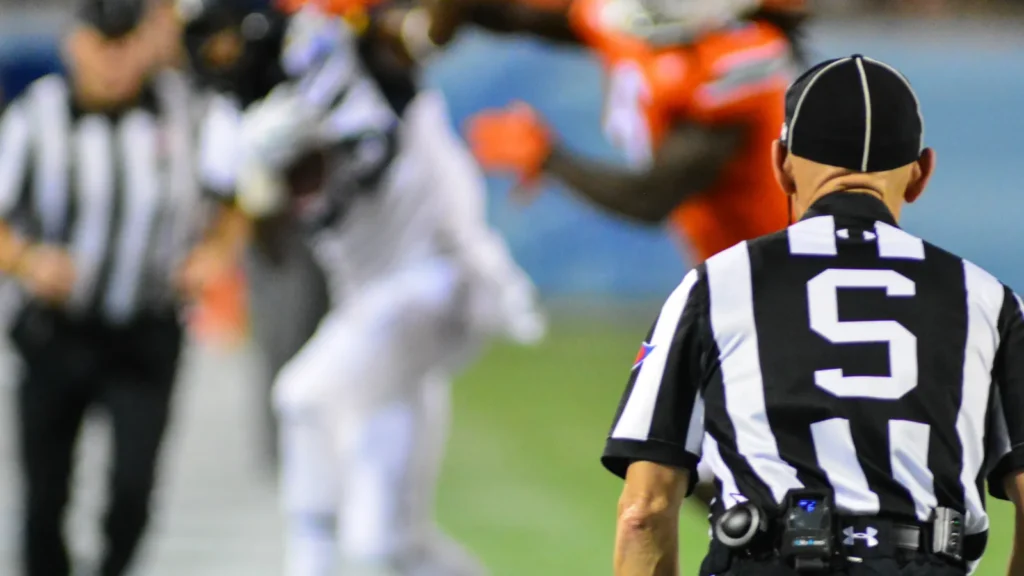
NFL roughing-the-passer rules leave room for judgment
The NFL protects quarterbacks from certain types of contact after they release the ball. The rules prohibit actions such as forcibly hitting a passer in the head or neck, driving the quarterback into the ground in prohibited ways, and landing on the passer with all or most of a defender’s body weight.
A roughing-the-passer penalty generally carries a 15-yard penalty and an automatic first down. Those consequences can dramatically change a possession, particularly when a defensive play initially appears to produce a turnover or stop a drive.
The challenge is applying those protections consistently without penalizing legitimate defensive plays. Defenders must react quickly as quarterbacks release passes, while officials must determine whether the resulting contact crosses the line from an ordinary tackle into a personal foul.
Green Bay’s penalty problems extend beyond one play
The Packers’ victory did not produce a completely clean performance. Green Bay committed 11 penalties for 96 yards against Dallas, while the Cowboys were penalized 11 times for 108 yards. The numbers showed that discipline was an issue for both teams.
Five of Green Bay’s penalties were personal fouls, including 3 roughing-the-passer calls. The accumulation of flags repeatedly disrupted the defense, even as the Packers produced key stops and forced turnovers against Dallas.
LaFleur acknowledged that his team needed to control its emotions and reduce mistakes. Regardless of whether individual calls are disputed, repeated personal fouls can give opponents extra opportunities and make it harder for a defense to finish possessions successfully.
LaFleur has questioned consistency in quarterback protection
LaFleur had expressed frustration with roughing-the-passer decisions earlier in the season, including a disputed penalty against Green Bay during its September loss to Atlanta. After the Cowboys game, he questioned whether quarterback Jordan Love receives the same protection as opposing passers.
After the Dallas victory, reports indicated LaFleur intended to send footage of relevant plays to the league for review. Reviewing game film can help teams understand how officials interpret contact and what defenders may need to change to avoid future penalties.
That distinction matters because coaches can challenge the consistency of enforcement without proving that every disputed decision was incorrect. The league’s postgame review process allows teams to seek clarification and improve their understanding of officiating standards without changing the result of a completed game.
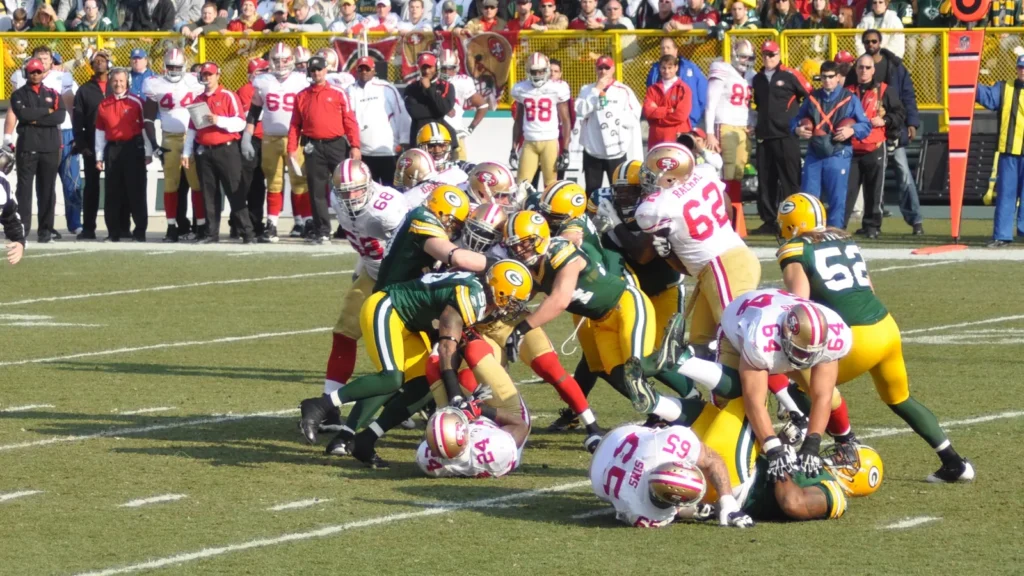
The controversy reflects a long-running NFL debate
Roughing-the-passer decisions have generated debate for years because the NFL must balance player safety with the physical nature of defensive football. Quarterbacks are protected players, but defenders still need a reasonable opportunity to make tackles when a pass is released.
Green Bay has experienced this tension before. In 2018, a controversial roughing-the-passer penalty against linebacker Clay Matthews erased an interception against the Minnesota Vikings and helped Minnesota extend a late-game drive. The incident became a prominent example of how one flag can change the course of a possession.
The latest controversy shows why consistency remains central to the discussion. Fans may disagree about individual plays, but clear explanations and dependable enforcement help preserve confidence in the officiating process and the fairness of the competition.
The Packers can celebrate the win while seeking clarity
Green Bay improved to 4-2 with the victory, while Dallas fell to 2-4. Jordan Love accounted for 2 touchdowns, and the Packers’ defense recorded 2 interceptions, helping the team secure its third consecutive win.
The Van Ness penalty remains a legitimate point of debate, particularly because it erased Valentine’s interception during a key stretch of the fourth quarter. Still, the available evidence does not establish that the officials deliberately favored either team or that the ruling changed the game’s outcome.
For the Packers, the immediate task is to reduce costly penalties while maintaining their defensive aggression. For the NFL, the reaction reinforces the importance of consistent officiating and clear communication about calls that can quickly reshape a possession.
Fun fact: In 2018, a roughing-the-passer penalty against Packers linebacker Clay Matthews erased an interception against the Minnesota Vikings. The NFL subsequently announced plans to include the play in a teaching video explaining prohibited tackling techniques.
TL;DR
- The Green Bay Packers defeated the Dallas Cowboys 23-13 at Lambeau Field.
- A roughing-the-passer penalty against Lukas Van Ness erased Carrington Valentine’s interception in the fourth quarter.
- The decision prompted criticism from fans and former players who questioned whether the contact justified the flag.
- Green Bay committed 11 penalties for 96 yards, including 3 roughing-the-passer calls.
- The controversy renewed questions about consistent enforcement of NFL quarterback-protection rules.
This article was made with AI assistance and human editing.
Read More From This Brand: