


The game you see on television represents just a fraction of what elite hockey players actually do.
Behind the scenes, NHL athletes dedicate countless hours to mastering skills that never make highlight reels. These hidden practices are transforming how players prepare, recover, and perform under pressure.
Modern hockey demands more than physical prowess. Mental toughness, flexibility, cognitive speed, and emotional regulation now separate good players from elite champions. Smart organizations invest heavily in these unseen advantages.
Let’s take a closer look.
Yoga Builds Flexibility and Mental Resilience
NHL veterans credit yoga with extending careers and improving performance.
NHL players, including Blake Wheeler, Kevin Bieksa, and Ryan Miller, have credited yoga with extending their careers. The practice improves flexibility, balance, and mental focus on ice. Regular yoga sessions help players develop stress management techniques. Controlled breathing enhances lung capacity and overall cardiovascular health.
Beyond physical benefits, yoga strengthens mental toughness for high-pressure moments. Players learn to control breathing and stay present during intense situations. Hip openers and shoulder releases target areas stressed by skating mechanics. The mind-body connection translates directly to better on-ice decision-making.


Virtual Reality Training Revolutionizes Cognitive Development
VR technology allows players to train hockey IQ without stepping on ice.
Seattle Kraken goalie Joey Daccord uses VR between periods during actual NHL games. He straps on a headset and faces virtual shooters to sharpen his focus. This cutting-edge approach helps him track pucks and read releases. The technology brings practice anywhere players go.
By 2025, several NHL goalies and skaters use VR drills as part of their routine. Players face dozens of simulated shots in small rooms to improve tracking and decision-making. Virtual training sharpens cognitive skills like scanning the ice and anticipating plays. Professional teams now embrace this once futuristic training method.
Meditation Becomes Standard Practice for Elite Players
Top performers use mindfulness to sharpen focus and reduce anxiety.
NHL stars like Sidney Crosby, Jonathan Toews, and P.K. Subban emphasize mindfulness in their routines. Meditation helps them stay focused and resilient when facing setbacks. Goaltender Carey Price credits his mental toughness partly to meditation practice. These techniques calm minds and improve composure under extreme pressure.
Players incorporate breathing exercises into pregame preparations to manage nerves and stress. Box breathing techniques help maintain composure during critical game moments. Mental clarity developed through meditation translates to better split-second decisions. The practice builds awareness of thoughts and emotions during competition.
Sports Psychology Coaches Join Team Staffs
Mental performance specialists work behind the scenes with players and organizations.
Most NHL teams now employ sports psychologists or mental performance coaches full-time. The Edmonton Oilers list George Mumford as their mental performance coach. The New Jersey Devils employ Steve Nightingale as a sports scientist and performance coach. Half or more Oilers players have personal psychologists beyond team resources.
These professionals help athletes sort through feelings and manage performance anxiety. Players learn mental strategies to overcome plateaus and boost consistency. Visualization techniques and positive self-talk strengthen confidence before games. Mental coaching addresses the psychological pressures unique to professional hockey careers.

Mental Health Initiatives Break Down Stigma
League-wide programs normalize conversations about psychological well-being.
The NHLPA partnered with Opening Minds to create the FIRST LINE mental health program. Over 85 NHL players completed this training since its January 2024 launch. The initiative provides peer-to-peer mental health education for professional players. Programs address unique challenges like performance pressure and career transitions.
Mental health matters in every area of life beyond the arena. Making training available sends a powerful message to hockey players everywhere. The program breaks down barriers and normalizes mental health conversations in professional sports. Players learn they are never alone in facing psychological challenges.
Recovery and Load Management Optimize Performance
Data-driven approaches prevent burnout and maximize game day readiness.
Many players wear GPS tracking vests during practices that capture granular performance data. Coaches monitor speed, acceleration, total distance skated, and exertion levels carefully. This technology helps determine if players are overextending and risking injury. Scientific load management prevents fatigue while optimizing peak performance windows.
NHL schedules never allow players long enough windows for full recovery. Teams balance practice preparation with managing energy throughout grueling seasons. Nutrition, sleep support, and specific recovery modalities minimize soreness and heavy legs. Vertical jump monitoring throughout seasons helps adjust programs on an individual basis.
Full Body Training Replaces Outdated Split Routines
Modern programs train integrative movement patterns instead of isolated muscle groups.
Traditional bodybuilding splits focusing on chest days or arm days are outdated. All NHL and NCAA programs now use full-body approaches for players. This trains integrative chains that translate directly to ice performance. Players challenge all movement patterns within each workout session.
The best hockey programs emphasize different patterns on particular days while maintaining integration. Three focused lifts per week allow greater nervous system recovery between sessions. This schedule permits extra speed, mobility, and skill work based on needs. Overloading the nervous system reduces output and motor learning capacity.
Unconventional Cross Training Builds Complete Athletes
Players incorporate diverse activities to enhance hockey-specific abilities.
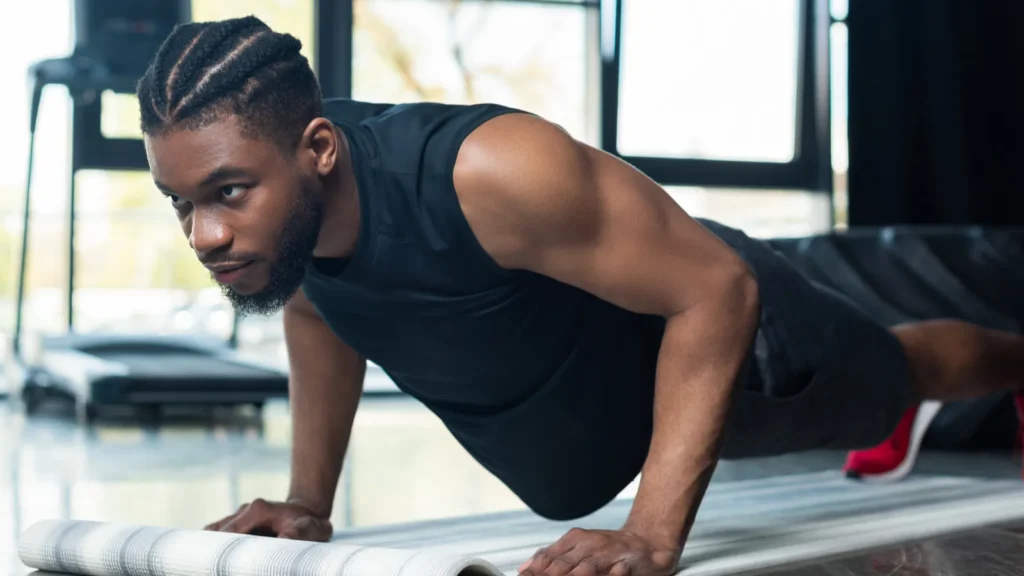
Elite players no longer limit training to traditional hockey drills and weightlifting. Cross-training through different sports improves overall athletic performance and prevents overuse injuries. Activities like martial arts, basketball, and swimming develop complementary skills. Diverse movement patterns create well-rounded athletes with multiple performance dimensions.
Off-season presents prime opportunities for players to address weaknesses without team pressures. Focused skill work and skating endurance prepare bodies for upcoming training camps. The mental benefits include reduced burnout and renewed passion for competition. Smart players use varied training to stay fresh physically and mentally.
TL;DR
- NHL players train with virtual reality to sharpen cognitive skills and hockey IQ without ice time.
- Yoga and meditation practices extend careers by improving flexibility, mental focus, and stress management.
- Mental performance coaches work with most teams to address psychological aspects of elite competition.
- Full-body training programs replaced outdated splits to develop integrated movement patterns for hockey.
- The FIRST LINE program educates over 85 NHL players on mental health and peer support.
Read More:
- Greatest Goaltenders In NHL History
- Forgotten NHL Franchises and Their Lasting Influence
- The Truth About NHL Home Ice Advantage
This article was made with AI assistance and human editing.