

The physical demands are relentless and unforgiving. The mental pressure never fully releases its grip. And yet, some players have returned from setbacks that should have ended everything, walked back onto a fairway, and won again. These are the stories that remind the world why golf endures.
They teach us something much bigger than birdies and bogeys ever could. They reveal what a person is truly made of when the odds are stacked impossibly high, and every expert says it is time to walk away forever. Golf has a remarkable way of calling people back.
Let’s take a closer look.
Tiger Woods, from the operating table to Augusta
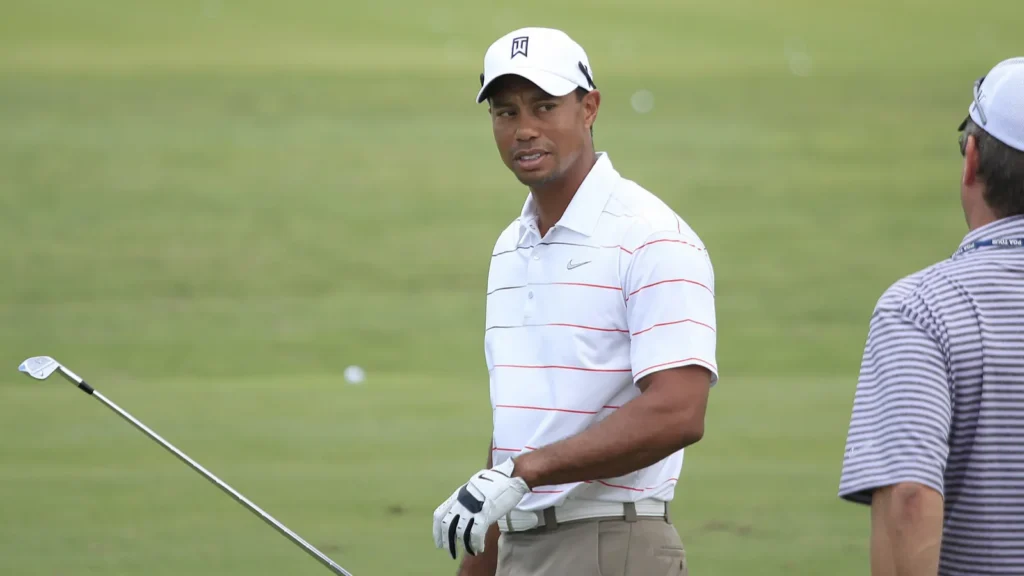
Tiger Woods underwent four back surgeries before the golfing world quietly accepted that his competitive career was finished for good.
In April 2017, Woods had spinal fusion surgery after back spasms made it very difficult to sit through a meal or play with his kids. He had not competed in a major in over 18 months. Fellow legends openly believed he was done competing at any serious professional level.
Two years later, Woods won the 2019 Masters and claimed his 15th major title, his first in 11 years. The victory came against a world-class field and under relentless public scrutiny. Golf Digest and other outlets described Woods’ 2019 Masters win as one of the most remarkable comebacks in sports history.

Ben Hogan, the miracle at Merion
No comeback in golf history, and arguably all of sports, has ever matched what Ben Hogan pulled off in 1950.
In February 1949, Hogan survived a head-on collision with a Greyhound bus in West Texas. The crash left him with a double fracture of the pelvis, a broken collarbone, a fractured ankle, and dangerous blood clots. Doctors told him he would likely never walk again, let alone compete professionally in golf.
Little-known fact: Hogan’s dive to shield his wife during the crash accidentally saved his own life as the steering column pierced his driver’s seat.
Just 16 months later, Hogan won the 1950 U.S. Open at Merion Golf Club, finishing a 36-hole final day with his legs wrapped in bandages and soaking them in Epsom-salt baths after rounds just to keep moving. Sportswriter Red Smith called it “the most remarkable feat in the history of sports.”
Phil Mickelson, defying father time at Kiawah Island
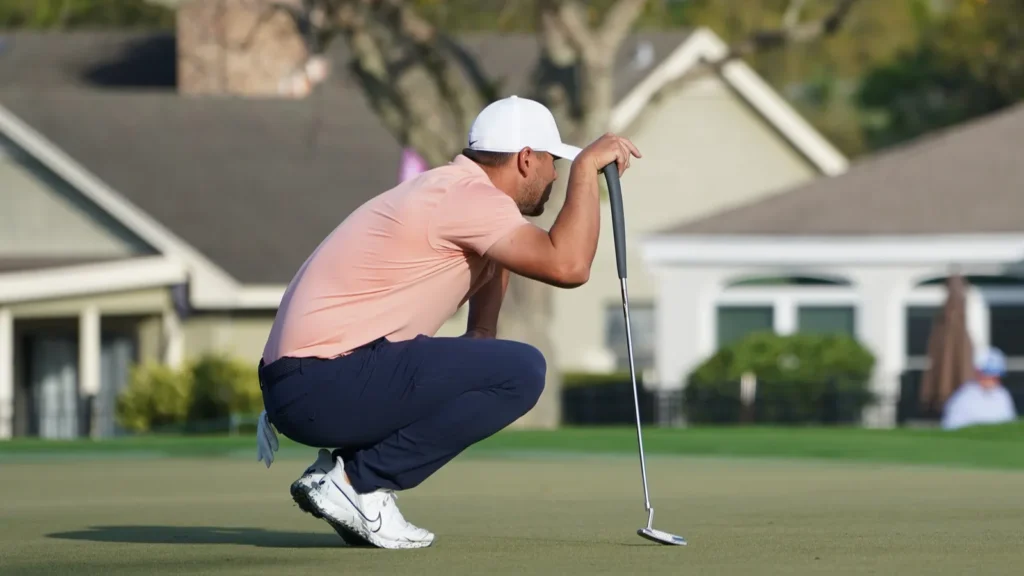
Phil Mickelson arrived at the 2021 PGA Championship ranked 115th in the world without a top-20 finish in 17 straight tournaments.
He even needed a special exemption from the USGA to play in the 2021 U.S. Open. Most analysts and fellow professionals had quietly concluded that another major title was simply beyond reach for the veteran left-hander at this advanced career stage.
At 50 years and 11 months old, Mickelson won at Kiawah Island by two strokes to become the oldest major champion in golf history. He surpassed Julius Boros, who won the 1968 PGA Championship at 48. It was his sixth major and his most stunning career win.
Tom Watson, Turnberry’s bittersweet legend
Tom Watson came within one missed putt of writing the single greatest comeback story the sport of golf has ever witnessed.
At 59 and 26 years removed from his last major, Watson led the 2009 Open Championship at Turnberry through three rounds. He had undergone hip replacement surgery just nine months earlier. Almost nobody in the golf world gave him a realistic chance of winning the Claret Jug.
He stood on the 72nd tee needing just a par to claim a sixth Open title. His approach caught the wind and rolled well past the green. He lost to Stewart Cink in a playoff after missing the par putt, leaving the golf world breathless with admiration and heartbreak.
Payne Stewart, a champion’s last and greatest chapter
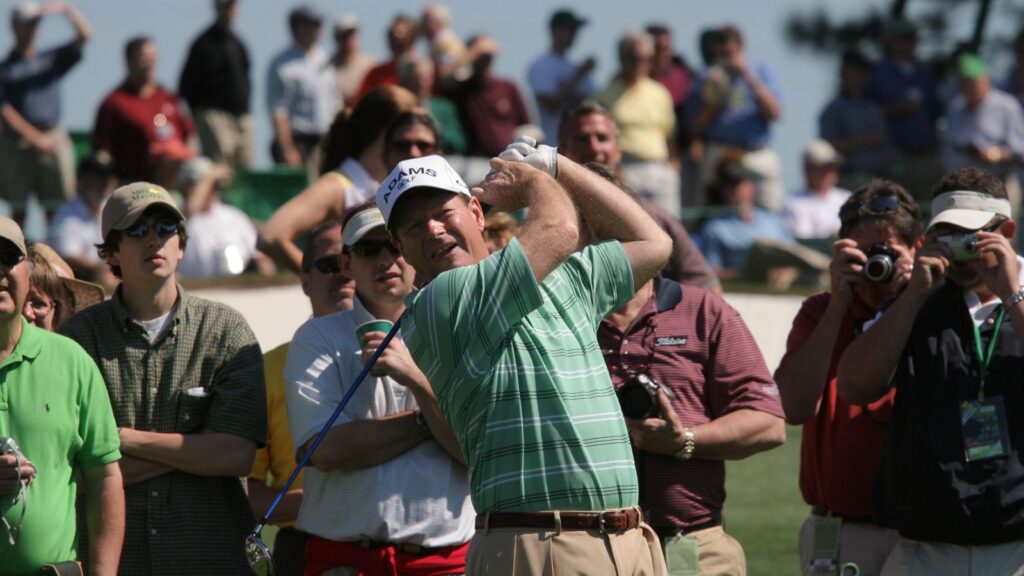
He had endured a long slump and famously blew a 54-hole lead at the 1998 U.S. Open to Lee Janzen. That loss forced a deep personal reset. He rebuilt his short game, sharpened his mindset, and found new clarity and calm heading into Pinehurst No. 2 the following year.
On the final hole at Pinehurst, Stewart holed a 15-foot par putt to beat Mickelson by one stroke and claim his third major title. He was 42 and remains the last player in his 40s to win a U.S. Open. Stewart died on October 25, 1999, in a private plane crash, just over four months after his triumph at Pinehurst.
Greg Norman, resilience beyond Augusta’s shadow
Greg Norman’s 1996 Masters collapse is one of golf’s most discussed heartbreaks, but his career was always defined by far more.
Norman entered the final round at Augusta holding a six-shot lead. He shot a 78 while Nick Faldo fired a brilliant 67 to complete an 11-shot turnaround, the greatest collapse in Masters history. It was painful, public, and permanently attached to Norman’s name in ways that rarely felt fully fair.
What gets overlooked is the extraordinary career Norman built despite his heartbreaks. He won 91 professional tournaments worldwide and held the world No. 1 ranking for 331 weeks. He mentored Adam Scott, the first Australian to win the Masters, and handled every devastating public loss with consistent grace and dignity.
What these comebacks really taught golf
Every comeback on this list required far more than physical healing. Each one demanded a courageous and complete reimagining of what remained possible.
Woods admitted his spinal fusion made him believe his competitive career was finished. Watson never stopped believing he could win at Turnberry at age 59. Stewart spoke openly about an inner peace he had found that completely transformed how he approached pressure in his final professional season on Tour.
Golf tests the mind and body separately and together during every single round. These players did not simply recover physically from their setbacks. They rebuilt their belief systems from scratch, found renewed reasons to compete, and proved that human will outlasts almost any injury or loss the sport can deliver.
TL;DR
- Ben Hogan won the 1950 U.S. Open just 16 months after a near-fatal bus crash that doctors said would end his ability to walk.
- Tiger Woods won the 2019 Masters two years after a spinal fusion surgery he feared would permanently end his playing career.
- Phil Mickelson became the oldest major champion in history at 50, winning the 2021 PGA Championship, ranked 115th in the world.
- Tom Watson led the 2009 Open Championship at age 59, nine months after hip surgery, before heartbreakingly losing in a playoff.
This article was made with AI assistance and human editing.
If you liked this, you might also like: