

Inside Brazil’s costly decision
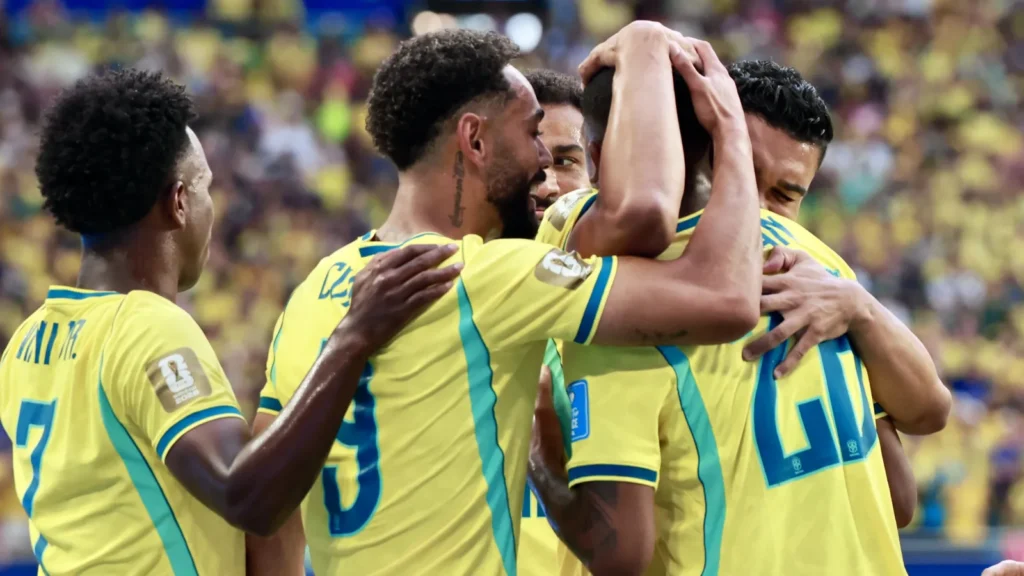
One decision can change everything in a World Cup match, and sometimes the biggest talking point comes long before the final whistle. Brazil’s latest tournament exit left fans and experts debating far more than the scoreline, with one crucial moment drawing intense scrutiny around the soccer world.
Was it simply a missed opportunity, or did it expose a bigger question about strategy under pressure? Here’s a closer look at the moment that continues to spark conversation.
The stutter-step technique divides opinions
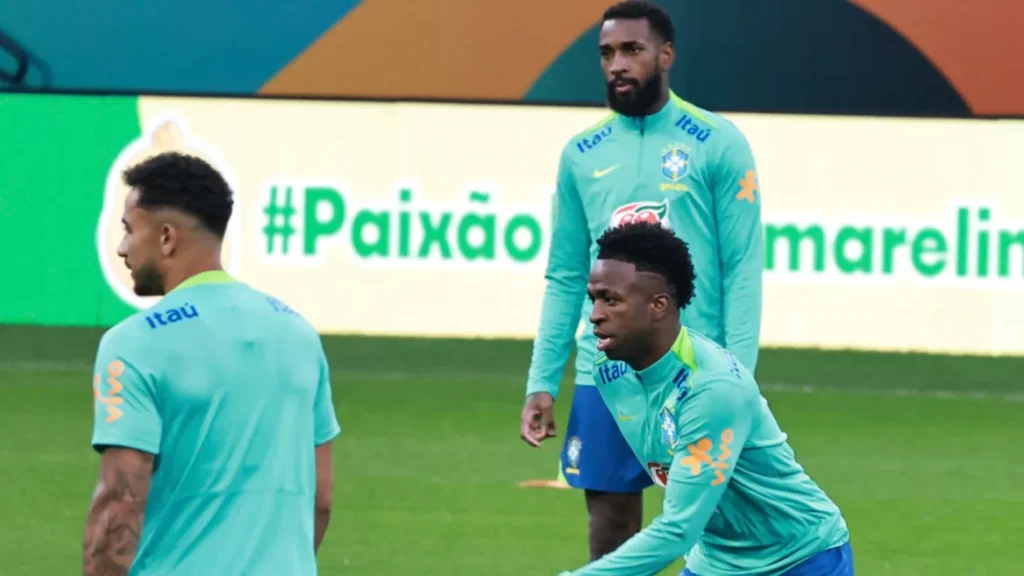
The stutter-step penalty has been used by major players for years, but it remains one of soccer’s most debated techniques. The approach is designed to make the goalkeeper move early before the shot is taken.
Brazil’s miss reignited arguments over whether the technique creates unnecessary risk in the biggest matches. IFAB’s Laws of the Game allow feinting during the run-up, but not after the kicker has completed the run-up, and Guimarães’ miss renewed debate over whether a simpler strike would have been safer under pressure.

Coaching decisions came under scrutiny
Much of the criticism focused on head coach Carlo Ancelotti rather than just Bruno Guimarães. Many questioned why Vinícius Júnior did not take the first penalty despite being one of Brazil’s biggest attacking stars.
Ancelotti later explained that Brazil followed a preplanned penalty order based on statistical analysis and previous performances. Even with that explanation, many fans continued debating whether game circumstances should outweigh pregame planning in knockout matches.
Vinícius Júnior addressed the controversy
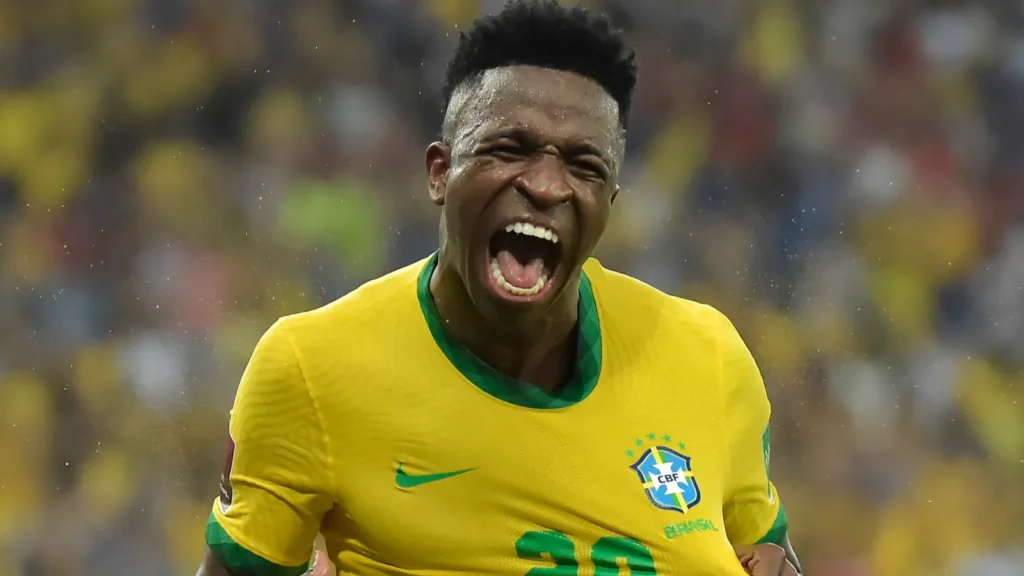
Following Brazil’s elimination, Vinícius Júnior explained that the coaching staff had already assigned penalty responsibilities before kickoff. He said Ancelotti chose Bruno Guimarães and dismissed the idea that he wanted the kick for personal scoring reasons.
Many supporters still questioned why Brazil’s leading attacking player did not take the penalty. Others argued that following the team’s preplanned order was part of Brazil’s preparation for a high-pressure knockout match.
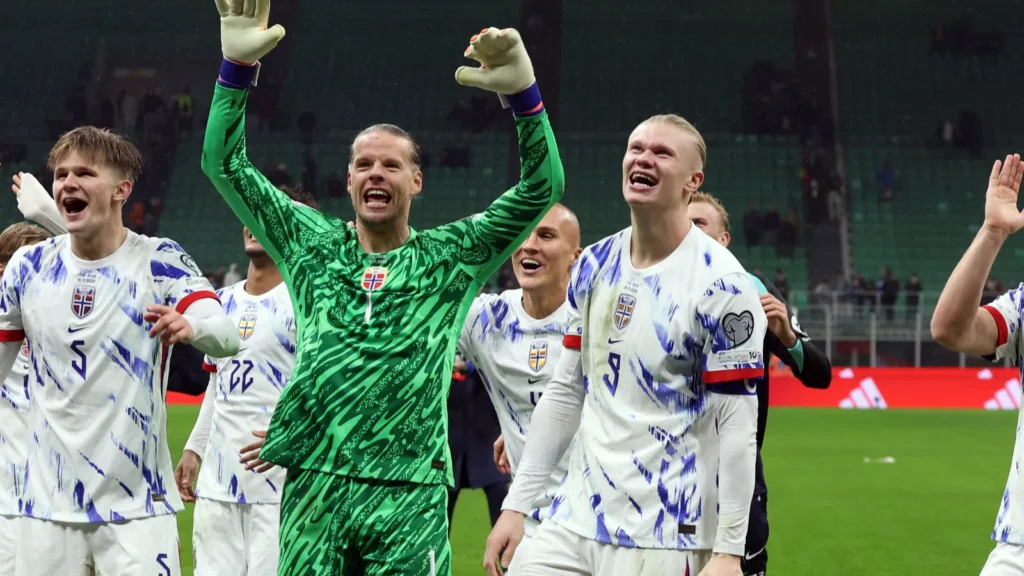
Norway capitalized on Brazil’s missed chance
Norway remained composed after surviving Brazil’s early penalty opportunity and gradually grew stronger throughout the match. Erling Haaland eventually scored twice to give Norway a memorable victory and a historic place in the quarterfinals.
Soccer analysts noted that knockout matches often turn on one defining moment, and this proved to be exactly that. Norway’s confidence increased while Brazil appeared to chase the game with growing frustration.
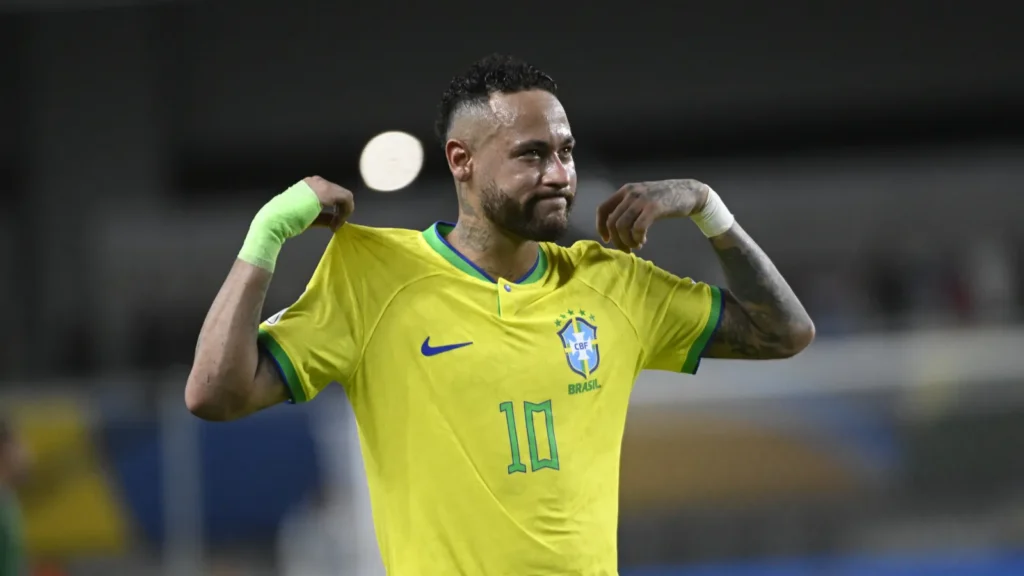
Neymar’s late penalty could not save Brazil
Neymar converted a penalty deep into stoppage time, but it came too late to change the outcome. His successful kick stood in contrast to Brazil’s earlier missed penalty.
After the match, Neymar suggested he may have played his final game for Brazil, making the emotional defeat even more significant. His possible farewell added another major storyline to Brazil’s disappointing World Cup campaign.

Statistics supported Brazil’s original plan
Ancelotti defended the decision by explaining that Brazil had reviewed penalty data from recent months. According to Ancelotti, Raphinha, Neymar, and Igor Thiago ranked ahead of Bruno Guimarães, but none of those players were on the pitch when Brazil won its early penalty.
Modern national teams increasingly use performance data when preparing for major match situations. Brazil’s experience has sparked new discussion about balancing analytics with the emotions and rhythm of live competition.

Post-match focus shifted to the penalty decision
Brazil’s missed first-half penalty became a major post-match discussion because it was the game’s earliest clear scoring opportunity. Carlo Ancelotti explained afterward that Bruno Guimarães had been selected before kickoff based on the team’s predetermined penalty order and statistical analysis.
The result also highlighted how national teams prepare for penalty situations before major tournaments. Brazil’s approach reflected a preplanned process rather than an on-field decision, making the selection itself a central topic after the 2–1 defeat to Norway.

Brazil faced broader tactical criticism
Although the missed penalty received most of the headlines, analysts pointed to several larger issues within Brazil’s overall performance. The team struggled to convert chances from open play and failed to consistently threaten Norway’s defense.
Several reports concluded that Brazil created opportunities but lacked efficiency when it mattered most. Those missed chances ultimately proved just as costly as the early penalty failure.
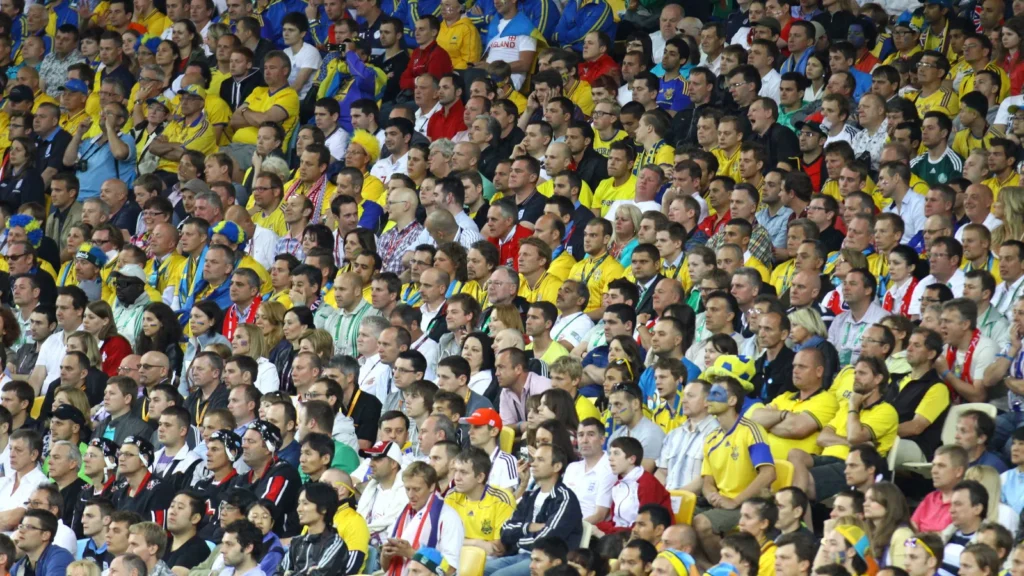
Pressure changes every penalty
Penalty kicks during the World Cup create unique psychological pressure because millions of people are watching every movement. Even experienced professionals can struggle to perform naturally under those conditions.
The debate surrounding Brazil’s technique also highlights how mental preparation remains just as important as technical ability. One moment can define an entire tournament regardless of previous success.
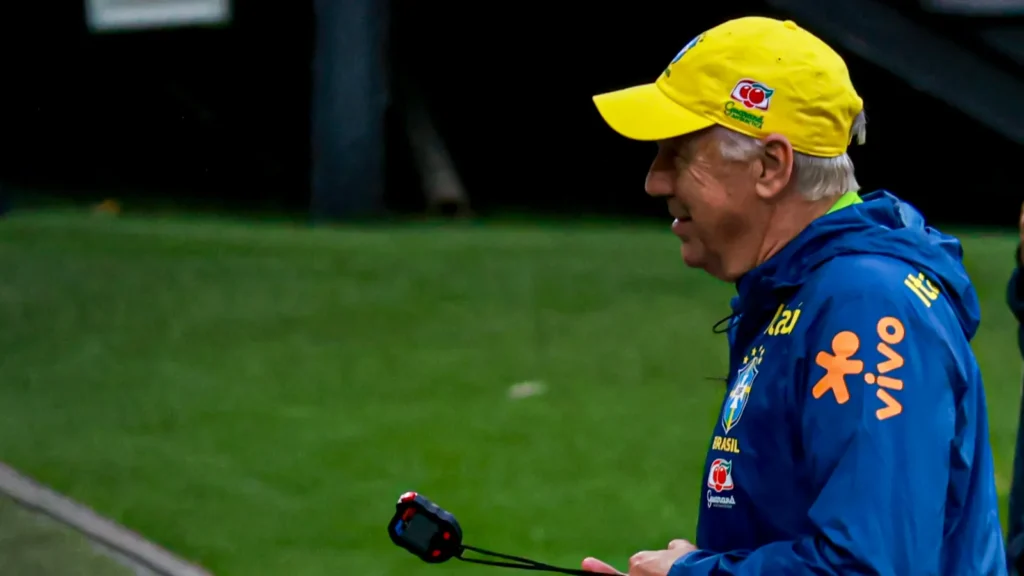
Ancelotti remains in charge after elimination
Despite Brazil’s Round of 16 exit, Carlo Ancelotti indicated that the defeat marked the beginning of a new cycle for the national team. He said Brazil created opportunities during the match but acknowledged the need to improve ahead of future international competitions.
Recent reports indicate that the Brazilian Football Confederation intends to keep Ancelotti as head coach following the tournament. Attention has now shifted toward evaluating the squad and preparing for the next international cycle.
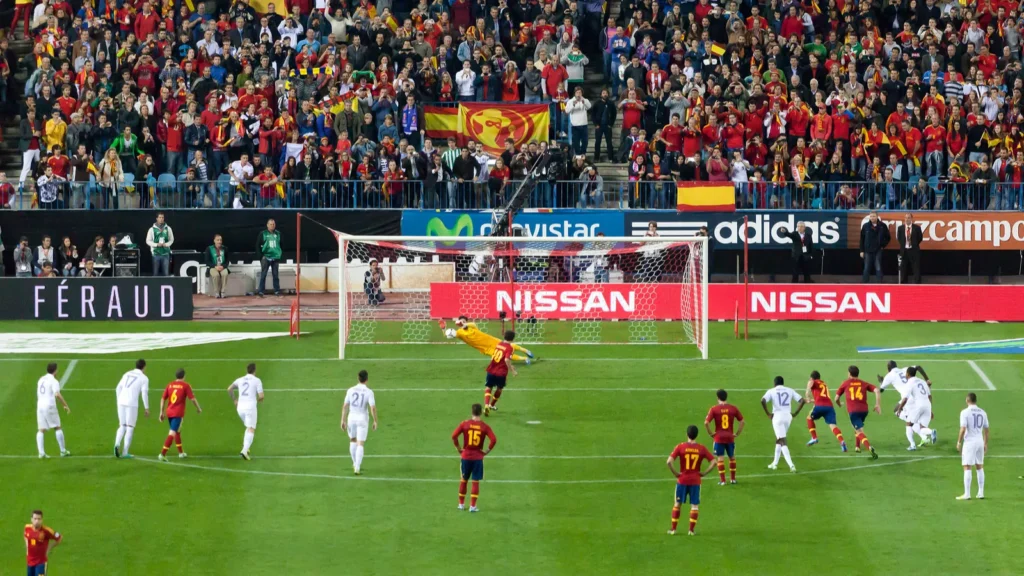
The match highlighted penalty planning
Brazil’s elimination brought renewed attention to how national teams organize penalty responsibilities before knockout matches. Ancelotti said the team’s penalty order was based on recent performance data rather than a last-second on-field decision.
The match illustrated how a predetermined strategy can become a major point of discussion when the result does not go a team’s way. Brazil’s early missed penalty remained one of the defining moments of Norway’s historic 2–1 victory and first World Cup quarterfinal qualification.
The internet is also talking about Erling Haaland’s 3-word post which has gone viral after Norway’s World Cup shock against Brazil.

One penalty changed the match’s direction
Brazil’s World Cup campaign ended with a 2–1 Round of 16 defeat to Norway, but the early missed penalty remained one of the match’s defining moments. Coach Carlo Ancelotti defended the preplanned penalty order after the final whistle, saying it was based on recent performance data.
The result marked Brazil’s earliest World Cup exit since 1990 and shifted attention toward the team’s next international cycle under Ancelotti. Brazil will now begin preparations with the long-term objective of competing for a record-extending sixth FIFA World Cup title
In other news, Kylian Mbappé faces criticism after France’s World Cup win over Paraguay.
What do you think was the stutter-step penalty the right choice, or should Brazil have taken a different approach? Share your thoughts in the comments, and if you enjoyed this slideshow, don’t forget to like, comment, and share it with fellow soccer fans.
This slideshow was made with AI assistance and human editing.
Read More From This Brand: