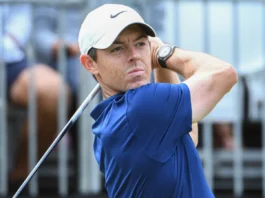


Rory McIlroy has signaled a willingness to welcome former LIV Golf players back to the PGA Tour, adding a significant twist to professional golf’s ongoing divide. The Northern Irish star, once among the breakaway league’s most outspoken critics, now believes bringing certain players back could strengthen the tour commercially and competitively.
His latest comments arrive as LIV Golf confronts serious financial uncertainty and several prominent players reassess their futures. However, McIlroy’s support doesn’t amount to an unrestricted invitation for every former rival. Questions about eligibility, financial consequences, and the views of current PGA Tour members remain central to any potential reintegration.
His position reflects a changing landscape across professional golf. The debate is increasingly about whether reconciliation can benefit the sport without overlooking the consequences of leaving.
McIlroy’s latest comments mark a significant change
At the Bloomberg New Economy Forum in New Delhi on October 13, McIlroy said he would vote to welcome former LIV players back to the PGA Tour and DP World Tour. He argued that their return could benefit both organizations by improving their business prospects and strengthening their competitive fields.
McIlroy also criticized LIV’s use of its substantial financial resources, arguing that the league could have worked more closely with golf’s governing bodies. His position suggests that he distinguishes between welcoming elite players back and endorsing the breakaway league’s original business strategy.
The six-time major champion acknowledged that his views won’t necessarily be shared by everyone on tour. Players who remained loyal to established circuits may object to former rivals receiving another opportunity, particularly if returning golfers regain access without comparable sacrifices.
LIV Golf’s financial crisis has changed the conversation
LIV Golf’s future became increasingly uncertain after Saudi Arabia’s Public Investment Fund announced it would end its financial support following the 2026 season. The league subsequently entered Chapter 11 bankruptcy proceedings while executives explored a proposed restructuring known as LIV 2.0.
On October 14, Reuters reported that a decision on whether LIV would continue under its revised model or wind down operations was expected by the end of October. Private investment firm BC Partners received court approval for an agreement providing up to $300 million in financing, although the league’s long-term future remained unresolved.
The uncertainty has already affected player decisions. Jon Rahm, Sergio Garcia and David Puig have exited LIV, while Patrick Reed declined to renew his contract for 2026 and Brooks Koepka returned to the PGA Tour earlier in the year. Bryson DeChambeau and Cameron Smith remain among the prominent names whose next moves have attracted attention.
Brooks Koepka’s return established an important precedent
Koepka’s return provided a practical example of how a former LIV player could rejoin the PGA Tour under specific conditions. In January 2026, the tour introduced its Returning Member Program, creating a limited pathway for qualifying players who had spent at least two years away and won a designated major championship or THE PLAYERS Championship between 2022 and 2025.

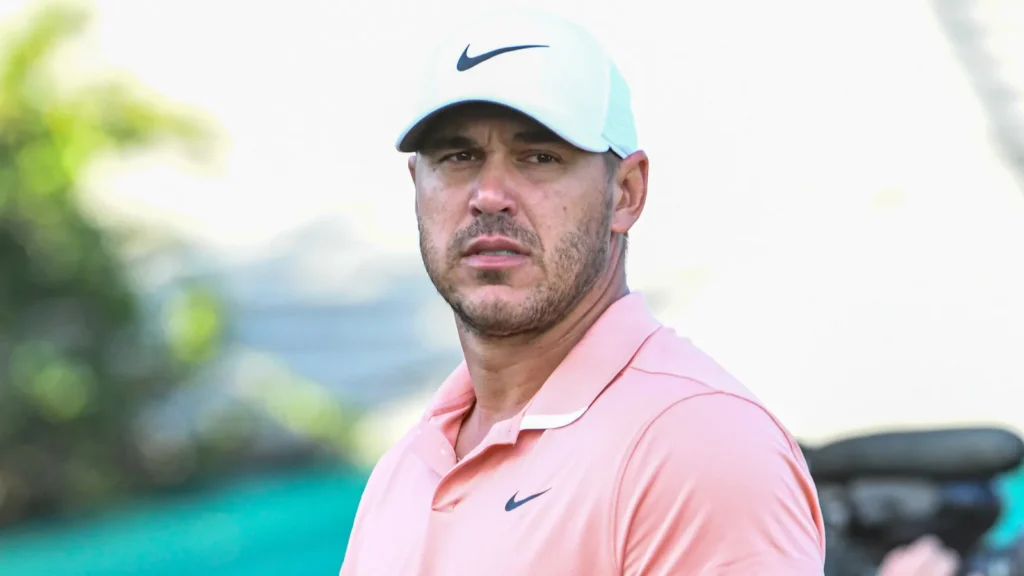
The program came with significant financial and competitive restrictions, including a $5 million charitable contribution, no sponsor exemptions into Signature Events and a five-year exclusion from the Player Equity Program. PGA Tour CEO Brian Rolapp said in August that there were no current plans to revive the program, leaving Koepka’s route distinct from any future arrangement.
Koepka’s case therefore does not establish an automatic route for other LIV players to return. Any future decision would depend on the PGA Tour’s rules and leadership, particularly as the organization weighs individual applications against its existing membership requirements and competitive structure.
Returning players could strengthen the PGA Tour
McIlroy’s argument centers partly on the commercial value of bringing recognizable players together again. Stars such as DeChambeau and Smith have significant followings, and their participation could strengthen tournament fields, attract attention and increase the appeal of head-to-head competition.
A reunion could also restore some of the rivalries that became harder to sustain after golf’s leading players split across competing tours. The prospect of major champions competing regularly in the same tournaments offers a clear sporting benefit, even as questions about fairness remain unresolved.
However, commercial advantages alone don’t settle the issue. PGA Tour members who declined lucrative LIV offers may believe that a return should involve meaningful consequences, while tour officials must weigh competitive strength against the credibility of membership rules. McIlroy has explicitly recognized that tension rather than suggesting every returning player should receive identical treatment.
Fun fact: Rory McIlroy became the youngest member of Holywood Golf Club in Northern Ireland at just seven years old.
LIV 2.0 faces additional obstacles for 2027
LIV’s proposed next phase faces a shrinking pool of committed players and uncertainty over its financial backing. It was reported that Rahm had decided to leave after reviewing the proposed terms, removing another major name from the league’s potential lineup.

The DP World Tour has also tightened its position on dual participation. Chief executive Guy Kinnings said players competing in LIV 2.0 during 2027 would not be permitted to compete on the European circuit, forcing golfers to choose between the organizations if they want to maintain eligibility.
That decision complicates the situation for players balancing career opportunities, team commitments and ambitions to represent Europe in the Ryder Cup. McIlroy’s willingness to support returns offers a more conciliatory message, but it does not resolve the separate eligibility rules governing either tour. Any broader reconciliation would require decisions from tour leadership and their memberships.
TL;DR
- Rory McIlroy said on October 13 that he would vote to welcome former LIV Golf players back to established tours.
- LIV Golf is undergoing bankruptcy proceedings, with a decision on its future expected by the end of October 2026.
- Brooks Koepka’s return provides a precedent, but the PGA Tour has no current plans to revive its Returning Member Program.
- McIlroy sees commercial benefits in reunification but recognizes concerns among players who stayed loyal.
- The DP World Tour has said players competing in LIV 2.0 in 2027 must choose between the circuits.
Read More From This Brand:
- Tony Romo’s bid to qualify for pro golf ends in disqualification
- Sergio Garcia opens door to PGA Tour return after LIV Golf exit
- Jordan Spieth reveals major health update as his PGA Tour comeback enters crucial stage
This article was made with AI assistance and human editing.