

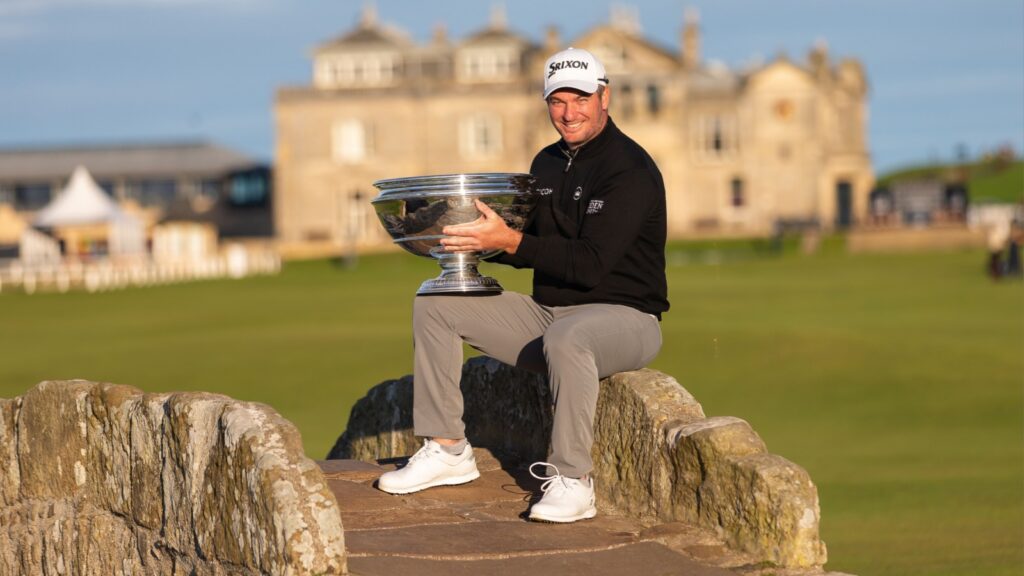
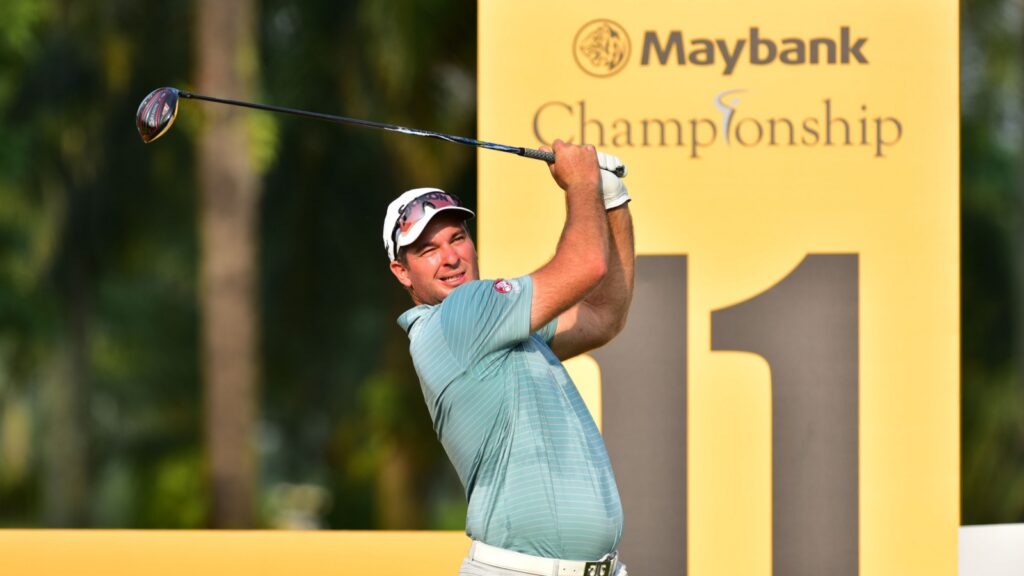
Ryan Fox won his first major championship at Royal Birkdale while reinforcing his reputation as one of professional golf’s quickest players. He captured the Claret Jug with a birdie on the final hole, finishing one shot ahead of Cameron Young.
During a subsequent appearance on the Fore Play podcast, Fox explained that naturally slow routines do not bother him as much as players who fail to prepare before their turn. His comments added another perspective to professional golf’s continuing pace-of-play debate.
Ryan Fox wins the Open Championship
Ryan Fox claimed the Claret Jug after a dramatic final round at Royal Birkdale. He finished at 10 under par and defeated American Cameron Young by one shot to secure his first major championship, capping years of steady competition on tour.
Fox made 4 birdies over his final 6 holes, including a 12-foot birdie putt on the 18th that secured the victory. He completed the final round in 68 strokes. That surge required composure and quick decision-making under intense pressure.
The New Zealander moved into contention by shooting a 3rd-round 62. The score equalled the lowest round recorded in a men’s major rather than merely tying a Royal Birkdale course record. That performance set the stage for his dramatic Sunday finish.
Fox wastes no time over the winning putt
Fox secured the championship with a 12-foot birdie putt on the final hole. Only 22 seconds passed between playing partner Sam Burns retrieving his ball and Fox sinking the winning putt. That quick turnaround stunned viewers accustomed to longer routines.
The quick finish attracted attention because Fox already had a reputation as one of professional golf’s fastest players. He later explained that he naturally sees and plays the game quickly. His pace stood in sharp contrast to some of his fellow competitors that week.
Fox’s quick routine has become a recognizable part of his playing style, though he did not suggest that every golfer should copy his exact approach.

Fox reveals his true pet peeve
During his Fore Play appearance, Fox explained that naturally slow players do not represent his biggest concern. He accepts that some golfers simply move and complete their routines more slowly than others. Some players are simply built that way, and he said he respects it.
Instead, Fox criticized players who fail to prepare before their turn. He said this habit particularly frustrates naturally fast players because competitors can complete much of their preparation while someone else plays.
Fox strongly criticized the practice and said that players show this lack of readiness too frequently on tour. Fox said this habit “annoys the hell out of me” during the interview. That blunt comment quickly spread across golf media outlets.
Unprepared players frustrate faster golfers
Fox explained that some players wait until their turn to discuss the next shot with their caddie or study a putt, rather than getting that work done while a competitor is still playing.
He acknowledged that players cannot always prepare in advance. For example, one competitor may need to wait when another player blocks the relevant position or line. Fox believes most of that preparation work does not require standing over the ball.
Fox, therefore, distinguishes unavoidable delays from those caused by players who waste time they could have used to prepare.
Fun fact: Fox’s grandfather, Merv Wallace, represented New Zealand in 13 Test matches and later captained the national side.
Slow play remains a concern in professional golf
Pace of play remains an important concern among professional golf fans. The PGA Tour has acknowledged, through its fan-feedback program, that viewers consider the issue one of their top priorities. Large fields and difficult setups tend to make the problem worse.
Some opening-round groups at Royal Birkdale reportedly needed approximately 5 hours and 40 minutes to complete their rounds. The delays prompted criticism, but the available evidence does not support singling out Scheffler and Smith as the cause.
Large fields, a single-tee start, difficult course conditions, ball searches, and individual routines can all contribute to longer rounds at major championships. The issue continues to shape conversations around the modern professional game.
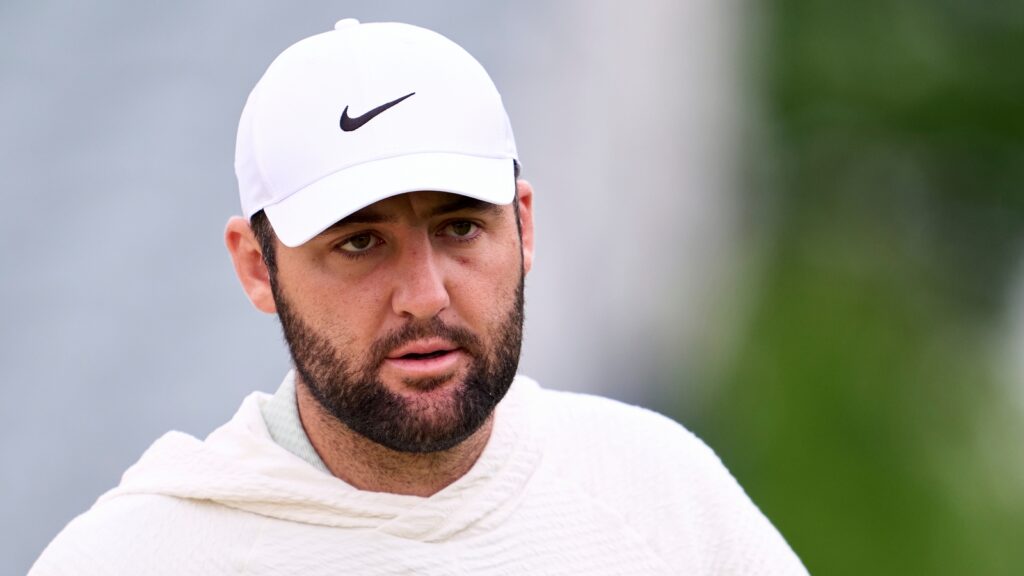
PGA Tour updates its pace-of-play policy
The PGA Tour’s 2026 regulations include updated timing procedures, stroke penalties, and seasonal fines. Players generally receive 40 seconds to make a stroke, while the first player, in certain situations, receives 50 seconds. Officials say the goal is to restore fairness to the fine system.
A player receives no stroke penalty for the first bad time during a tournament. A second bad time brings a 1-stroke penalty, a third brings 2 strokes, and a fourth results in disqualification. The changes aim to keep punishments proportional to each individual violation.
The second bad time accumulated during a season carries a $10,000 fine, while each subsequent bad time carries a $20,000 fine. A second excessive shot time carries a $5,000 fine, while subsequent offences carry $10,000 fines.
Jon Rahm offers a different perspective
Jon Rahm has also discussed slow play, but his explanation differs from Fox’s. Rahm has pointed to large fields and difficult hole setups as the real drivers of slow rounds at major championships, arguing that smaller-field events like the Masters rarely have the same problem.
Fox focused more narrowly on individual preparation. He said that naturally slow routines do not bother him as much as those of golfers who wait until their turn before planning a shot. His concern lies specifically with wasted time rather than a player’s overall pace.
Both players have addressed the pace of play, but their comments should not be presented as identical arguments. Rahm emphasized tournament structure, while Fox emphasized readiness.
What this means for tour golf
Fox’s comments add a new angle to an old debate. Readiness, rather than pure speed, may deserve more attention from tour officials. That shift could influence future conversations about fixing the pace of play.
Fans continue to push for quicker, more watchable rounds during broadcasts. Networks and sponsors also have a stake in shorter, smoother tournament days. Every major champion who speaks up adds pressure toward meaningful change.
Fox’s fresh major title gives his opinion extra influence within the sport. Players and officials tend to listen closely to a reigning champion. His comments could help guide the PGA Tour’s approach to this issue next.
Little-known fact: Fox did not seriously pursue golf until around age 18 while studying law at university.
TL;DR
- Ryan Fox won his first major at the Open Championship, finishing 10 under par.
- He sealed the win with a fast putt just seconds after his playing partner finished.
- Fox says unprepared players bother him more than naturally slow ones.
- His comments came during an appearance on the Fore Play podcast.
- The PGA Tour has already adjusted its pace of play fines for the 2026 season.
If you liked this story, don’t forget to follow us for more exclusive content.
This article was made with AI assistance and human editing.
If you liked this, you might also like: