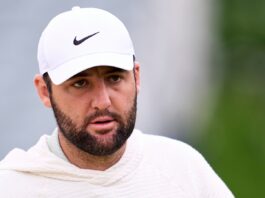

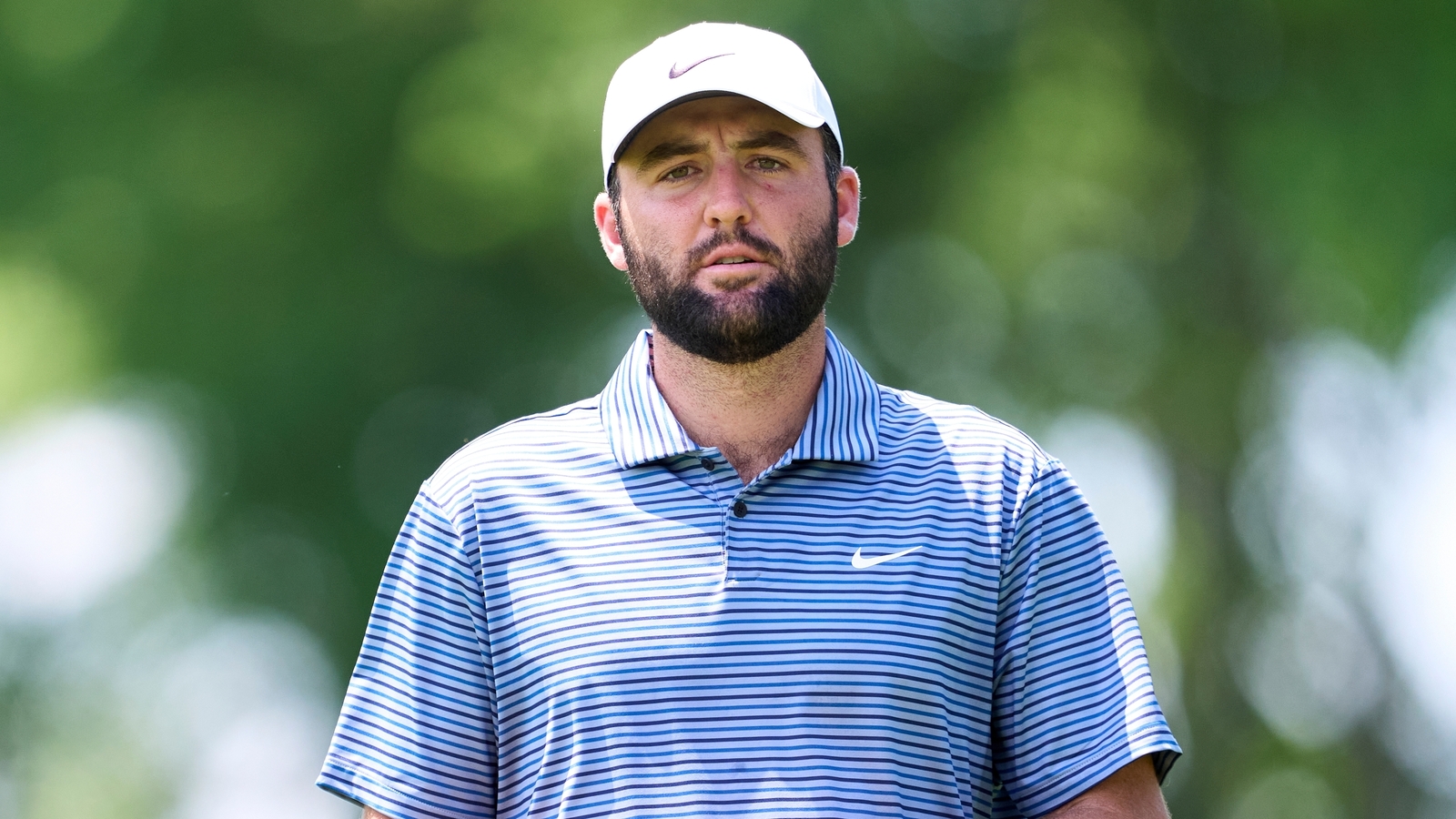
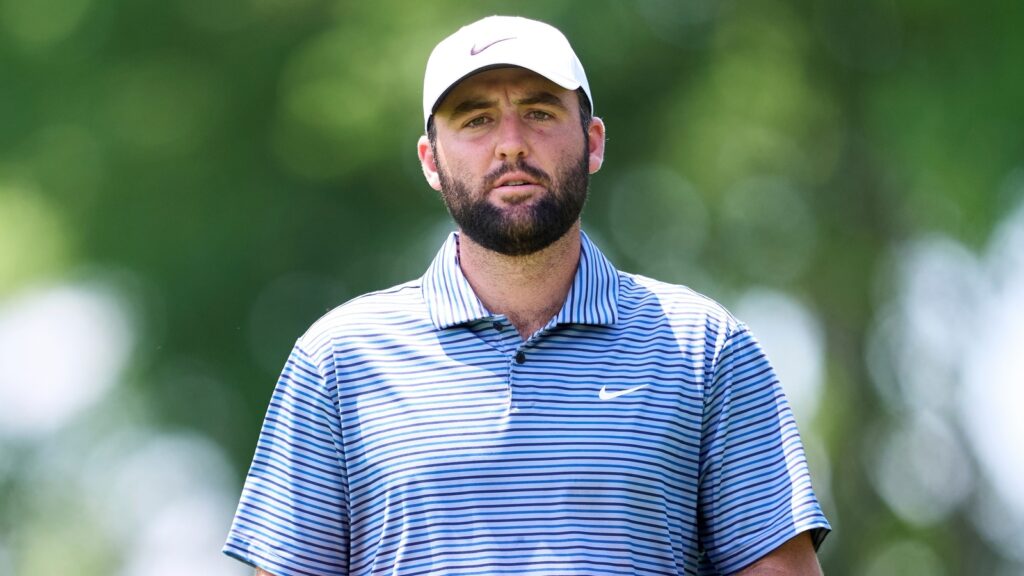
Scottie Scheffler has added a thoughtful warning to golf’s ongoing ball rollback debate. Speaking at Muirfield Village ahead of the Memorial Tournament, the world No. 1 said he agrees with some of the principles behind limiting distance, but he also raised a major concern: the change may not affect every player equally.
The USGA and R&A originally announced revised golf ball testing conditions for the 2028 cycle, with recreational golfers given a longer transition period through 2030. But the timeline has also been under review, with golf’s governing bodies considering whether a single 2030 start date would avoid confusion across the game.
That uncertainty is exactly why Scheffler’s comments matter. His warning was not simply about losing a few yards. It was about competitive balance, course design, and whether golf is solving the distance problem in the right way.
Why Scheffler’s view carries weight
Golf is at a crossroads, and the loudest voices do not always belong to the most credible ones. Scheffler carries real authority in this debate because his game does not depend on overpowering a course. Scheffler is not merely a distance specialist, but he is still a long driver by Tour standards.
That makes his concern about the rollback all the more striking. He is not the Tour’s longest hitter, but he is still above the Tour average in driving distance. He is a thinker who sees the game’s competitive balance being put at serious risk by a rule change that sounds simple but plays out in complicated ways.

What the golf ball rollback actually means
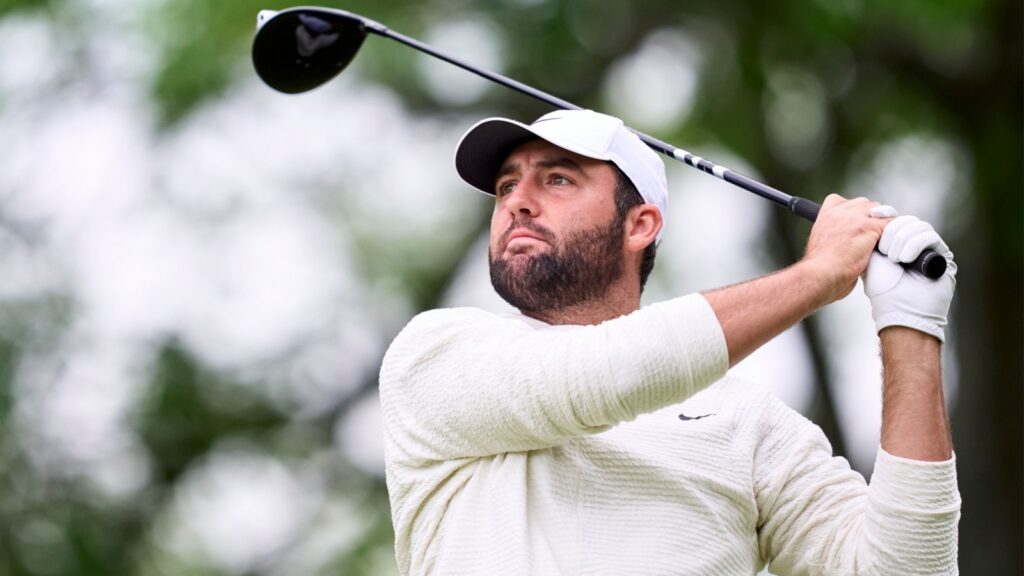
The golf ball rollback is a rule change being driven by golf’s two main governing bodies. The USGA and R&A announced revised testing conditions to begin with the 2028 cycle, with recreational golfers allowed to use balls on the 2027 conforming list until 2030; however, in 2026, the governing bodies were also considering shifting to a single 2030 implementation date.
The change modifies how balls are tested. The testing clubhead speed jumps from 120 mph to 125 mph, while the maximum distance allowed stays capped at 317 yards. The goal is simple: pull back the extraordinary distances that elite players are now hitting the ball.
Scheffler agrees with the principle, but not the plan
Scheffler did not outright reject the rollback when speaking to the media this week. He acknowledged that the game has a real distance problem worth addressing. That nuance matters because many players have simply refused to engage with the issue at all.
Scheffler said Russell Henley was “really the only guy” in the top 20 who does not hit it “pretty far” and “pretty high.” Henley had just won the 2026 Charles Schwab Challenge at Colonial.
The disproportionate impact problem
Here is where Scheffler’s warning gets serious. He raised a concern that many fans may not have considered: the rollback will not hit every player equally. Some players will barely feel the change, while others will lose significant distance off the tee.
The rollback is designed to reduce driving distance for elite professional males by 9 to 15 yards. Scheffler warned that some players could lose as many as 15 to 20 yards while others lose almost nothing. That gap in impact threatens competitive fairness.
Why Scheffler thinks course design is part of the problem
Scheffler did not stop at criticizing the rollback itself. He redirected the conversation toward golf course design as a bigger and more overlooked problem. His argument was sharp, wide fairways and big greens train young players to hit the ball as far as possible.
“The fairways are wide, and the penalty for missing them is not severe enough in my opinion,” Scheffler said, according to GolfMagic. He grew up on a tight parkland course in Dallas that rewarded precision over power, and he believes modern course design has removed that balance entirely.
Jack Nicklaus calls it “throwing a deck chair off the Titanic.”
Scheffler was not alone in his doubts at Muirfield Village. Golf legend Jack Nicklaus made headlines with his own blunt take during the same week. His colorful phrase captured the frustration that many insiders feel about a rollback they see as too small to fix anything meaningful.
Nicklaus questioned how much real-world difference the rollback would actually produce in recreational golf. He suggested it may amount to about one yard of distance change for the average amateur. Scheffler shared concerns about whether the current rollback guidelines would be a perfect fix.
Thomas and Spieth push back hard
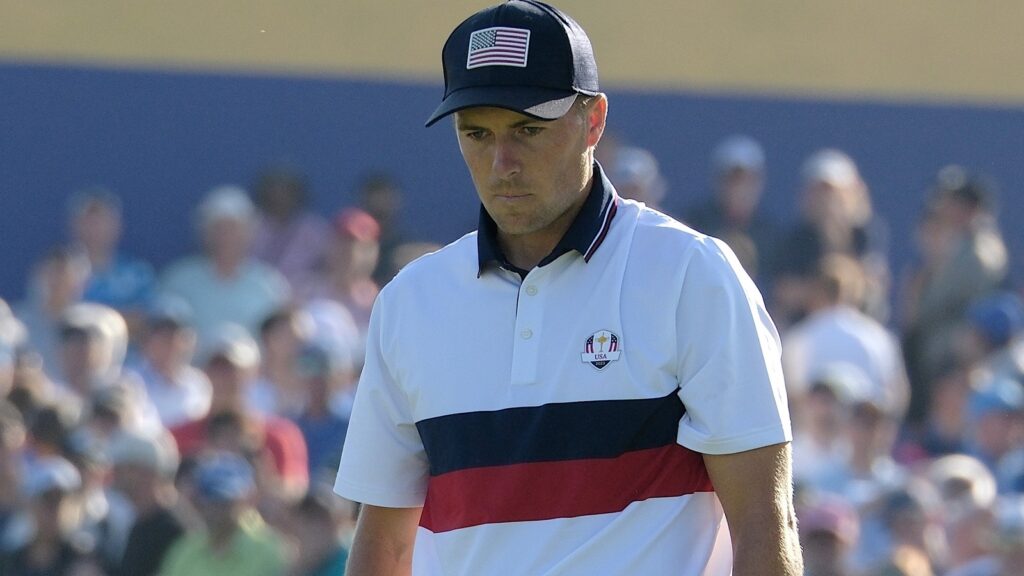
Not every top player is as measured in their response as Scheffler. Justin Thomas has strongly opposed rollback proposals; Jordan Spieth has also raised concerns about uneven effects and prototype-ball dispersion. Their opposition centers on a principle that resonates with many golf fans, the idea that pros and amateurs should play by the same rules.
Thomas said that every day golfers can currently buy the exact same ball that Scheffler plays. He argued the rollback would destroy that shared connection between the amateur and professional game. Spieth added that early rollback prototype balls behaved unpredictably in wind, with wide and chaotic dispersion patterns.
Little-known fact: Titleist alone accounted for 73% of all golf balls played on the PGA Tour in 2025, more than seven times its nearest competitor, giving a single manufacturer massive sway over how any equipment rule change lands in real competition.
What this means for elite golf
Scheffler’s warning was aimed squarely at the governing bodies of golf’s major championships and the creators of the rule. He implied that conflicting equipment standards could fracture the competitive landscape in ways the Tour has not fully prepared for. A rule that hits some players 15 yards harder than others changes the sport’s power structure.
Scheffler pointed to the way major championships reward high ball flight and distance above all else. Scheffler said majors such as the U.S. Open, Augusta National, and the PGA Championship often require players to hit the ball high and far, which makes the rollback debate complicated. That creates a conflict at the very top of the game’s calendar.
Little-known fact: The average PGA Tour driving distance has grown by 40 yards since the 1980s, reshaping how golf courses are designed and played.
TL;DR
- Scottie Scheffler spoke ahead of the 2026 Memorial Tournament about the golf ball rollback set for 2028.
- He agrees with the principle of reining in distances but questions whether the rollback itself is the right fix.
- The rollback will reduce elite driving distances by 9 to 15 yards, but will not impact all players equally.
- Scheffler argues that golf course design is a bigger culprit than the golf ball.
If you liked this story, don’t forget to follow us for more exclusive content.
This article was made with AI assistance and human editing.
If you liked this, you might also like: