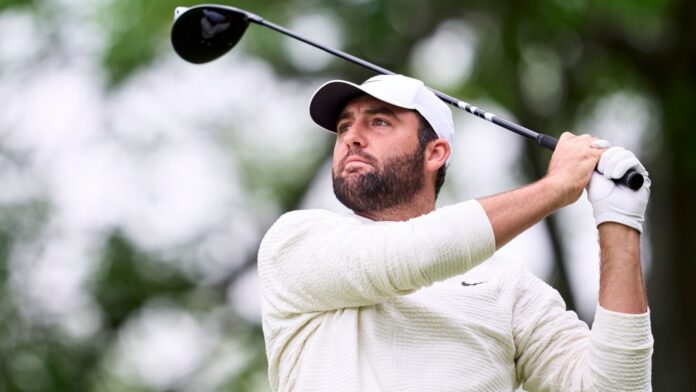
Scottie Scheffler’s dramatic free relief on the 17th hole became one of the biggest talking points of The Open, leaving fans and analysts debating whether the ruling was fair, even though it was within the Rules of Golf.
The world No. 1 found himself at the center of controversy after officials granted relief from a temporary immovable obstruction, even though his ball could not be found.
The decision helped keep his hopes alive during a tense final round and immediately fueled discussion across the golf world. While many questioned the outcome, rules officials pointed to a specific section of the R&A rulebook that justified the decision.
Why did Scheffler receive a free drop
The controversy unfolded on the par-5 17th after Scheffler’s approach flew toward a hospitality area set up beside the hole. His ball could not be found, yet officials still awarded him free relief rather than imposing a penalty.
The ruling was based on the temporary immovable obstruction, or TIO, rule. Under the Rules of Golf, a player may receive relief if it is known or virtually certain that the ball came to rest in a temporary obstruction, even if the ball itself cannot be found.
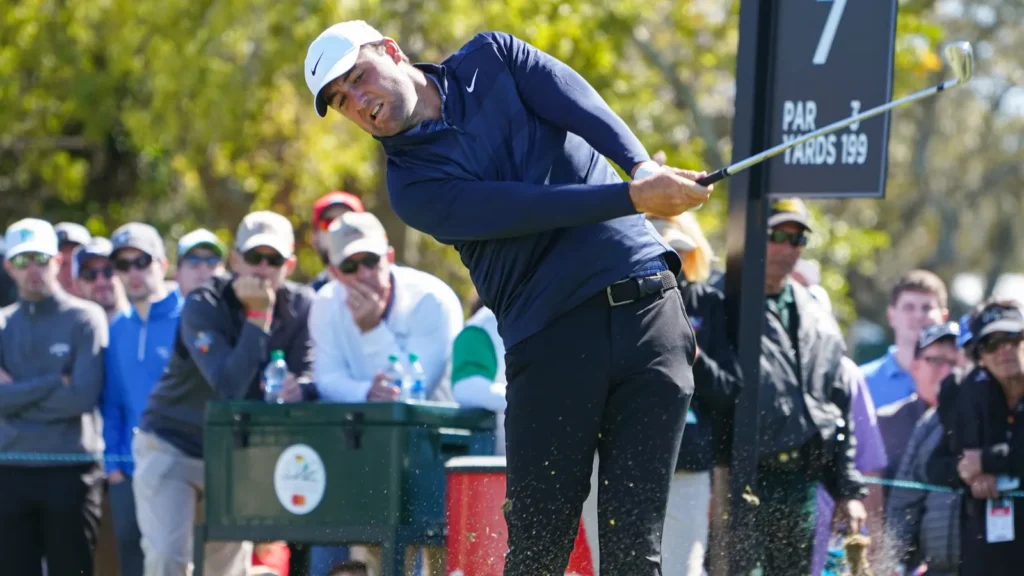
Sky Sports reporter Inci Mehmet explained the decision during the live broadcast, noting that a player does not have to physically recover the golf ball for the rule to apply. Instead, officials determine whether the available evidence makes it virtually certain that the ball entered the obstruction.
What the “virtual certainty” rule actually means
The phrase “virtual certainty” quickly became one of the most discussed terms of championship Sunday. Although many casual fans were unfamiliar with it, the language comes directly from the R&A’s official Rules of Golf.
Rather than relying on guesswork, officials must determine that there is overwhelming evidence showing where the ball most likely finished. If that standard is met, relief can be granted without forcing the player to take a penalty for a lost ball.
That distinction is important because the rule is designed to prevent temporary tournament structures from unfairly affecting play, with hospitality tents, grandstands, and television towers treated differently from permanent course features.
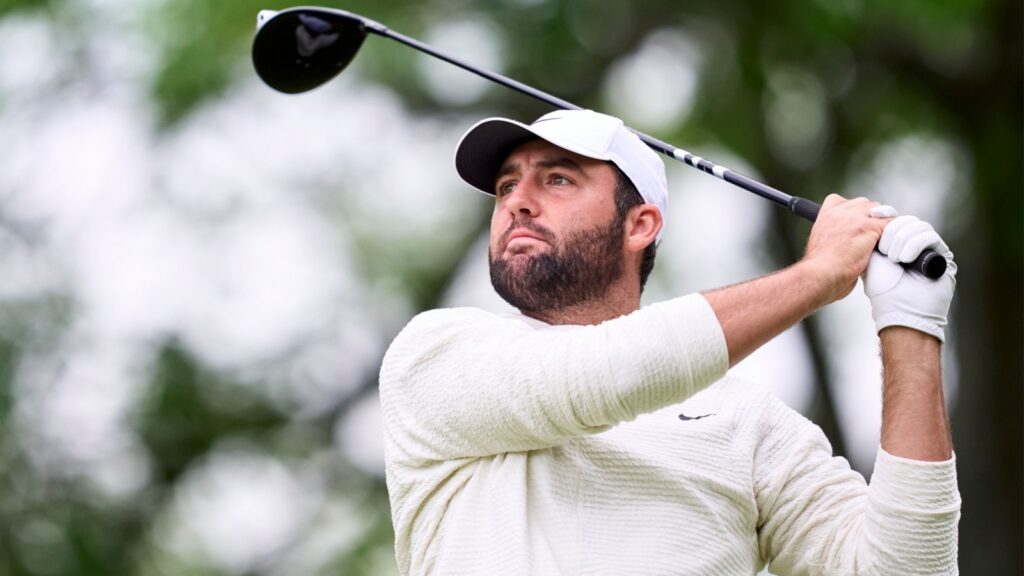
How officials determined Scheffler’s drop
The ruling was further explained by Royal Birkdale professional Mark Litten during Sky Sports’ coverage. He said officials were almost certain the ball had entered the temporary structure, allowing them to establish the correct relief procedure.
According to Litten, officials used the ball’s estimated point of entry into the obstruction before identifying the nearest point that provided relief from the player’s line of sight. Scheffler then measured two club lengths and completed the required drop within the designated relief area.
The process may have appeared unusual to viewers because no golf ball was ever recovered. However, each step followed the procedure outlined in the official rules once the standard of virtual certainty had been met.
Why did fans react so strongly?
Although the ruling followed the rulebook, it immediately divided golf fans. Many watching believed that failing to locate the ball should automatically result in a penalty, making the free drop seem overly generous.
Others argued that the rule exists precisely for situations involving temporary tournament infrastructure. They pointed out that players should not be punished when evidence strongly indicates the ball entered an obstruction created solely for the championship.
The debate quickly spread across social media as clips of the incident circulated. Much of the discussion centered less on whether officials applied the rule correctly and more on whether the rule itself produces outcomes that feel fair during a major championship.
Fun fact: The R&A and the USGA jointly oversee the Rules of Golf, ensuring the same rulebook applies across professional and amateur competitions worldwide.
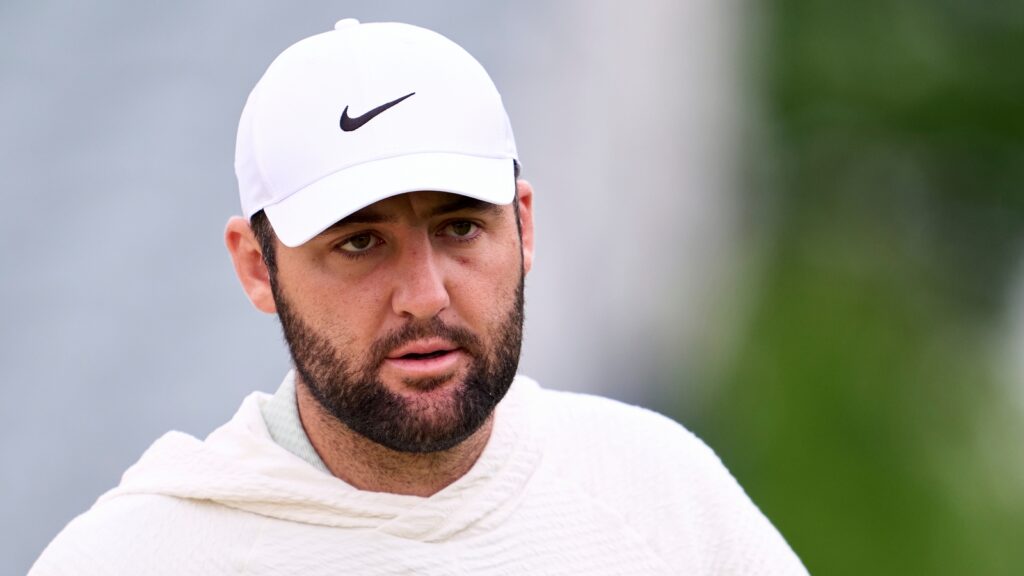
The birdie that intensified the debate
What made the controversy even bigger was what happened next. After receiving relief, Scheffler recovered brilliantly and made birdie on the 17th hole, moving within one shot of clubhouse leader Cameron Young during a dramatic finish.
He was unable to complete the comeback, though, bogeying the 18th to finish two strokes behind Young’s winning total.
Had he made bogey or par on 17 instead, the ruling likely would have attracted less attention. Instead, the birdie immediately increased scrutiny because it directly affected the championship storyline and the pressure on the leaders, even after Scheffler ultimately came up short.
A reminder that knowing the rules matters
The Scheffler incident will likely remain one of the defining moments from this year’s Open Championship. It combined high-pressure competition, a little-known rule, and a dramatic finish that naturally invited intense discussion.
While opinions remain divided, the ruling itself was rooted in an established section of the Rules of Golf rather than a judgment made on the spot. Officials relied on the evidence available, determined that the required standard had been met, and applied the relief procedure accordingly.
Whether fans agree with the rule is a separate conversation. What Sunday’s events demonstrated is that understanding golf’s rulebook can be just as important as understanding the shots that decide a major championship.
Fun fact: Temporary immovable obstructions are unique to professional tournaments because they include structures like hospitality suites and television compounds that are not part of the permanent golf course.
TL;DR
- Scottie Scheffler received free relief after his ball entered a temporary hospitality area on the 17th hole at The Open.
- Officials applied the R&A’s “virtual certainty” rule, which does not require the ball to be found.
- The ruling involved relief from a temporary immovable obstruction rather than a lost-ball penalty.
- Royal Birkdale pro Mark Litten explained the official drop procedure during the broadcast.
- Scheffler birdied the hole after the drop, making the ruling one of the tournament’s biggest talking points.
- The incident sparked widespread debate over the rule’s fairness, despite officials’ adherence to the rulebook.
If you liked this story, don’t forget to follow us for more exclusive content.
This article was made with AI assistance and human editing.
If you liked this, you might also like: