



East Potomac faces a federal lawsuit
East Potomac Golf Links, a federally owned public course in Washington, faces litigation over President Donald Trump’s proposed redevelopment and material moved from White House construction to the property during 2026.
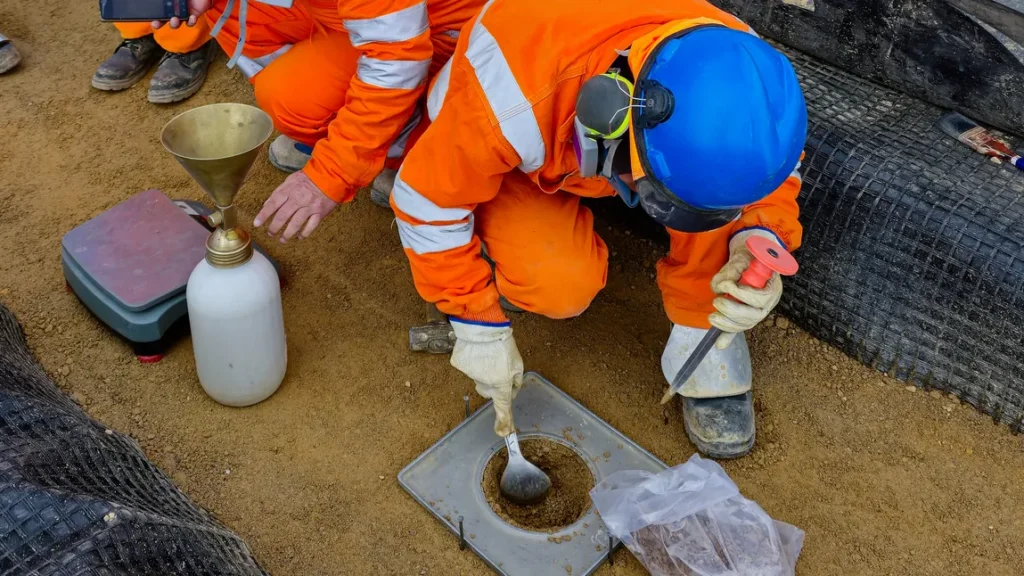
About 37,000 cubic yards now sit on one of East Potomac’s nine-hole courses. Preservation advocates seek independent testing after federal results detected arsenic, lead, chromium, and other substances in sampled material.

East Potomac receives White House soil
Construction crews hauled the material about 2 miles from the White House grounds to nearby East Potomac Park. The excavated soil came from work connected to Trump’s planned ballroom and underground facilities.
The Wall Street Journal reported that roughly 150 truckloads of material were delivered to the course. Workers later seeded the mound with grass to reduce runoff while nearby sections remained available for play.

East Potomac tests raise questions
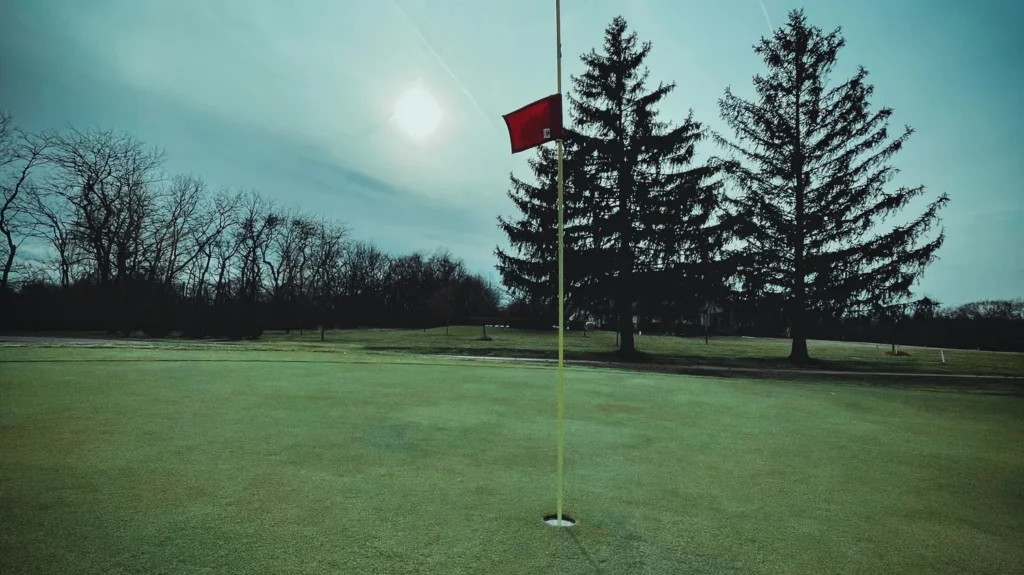
National Park Service testing found no asbestos in sampled material, while results detected arsenic, lead, chromium, and other substances. Those findings created disagreement over possible environmental and public health effects.
Federal officials maintain that their testing supports continued handling of the soil. Plaintiffs argue that existing samples and records do not resolve questions about conditions across the full stockpile before reuse.

East Potomac group seeks new testing
The D.C. Preservation League asked a federal judge to allow independent sampling of the mound. The group says a separate analysis could clarify potential exposure for golfers, workers, nearby water, and surrounding parkland.
Justice Department lawyers argued that federal agencies had no legal duty to provide soil samples. U.S. District Judge Ana Reyes questioned why officials opposed additional testing if they considered the material safe.

East Potomac judge wants more proof
Judge Ana Reyes questioned the reported arsenic findings during a July hearing. She said plaintiffs needed evidence that the material endangered people or the environment before she would consider ordering its removal.
The lawsuit was filed in February 2026 against the Department of the Interior, National Park Service, and federal officials. Plaintiffs include the D.C. Preservation League and Washington golfers Alex Dickson and Dave Roberts.

East Potomac case challenges reviews
The complaint alleges that federal officials advanced redevelopment without completing required environmental, historic, and administrative reviews. Government lawyers say no final plan has approval, and several formal reviews remain necessary before construction.
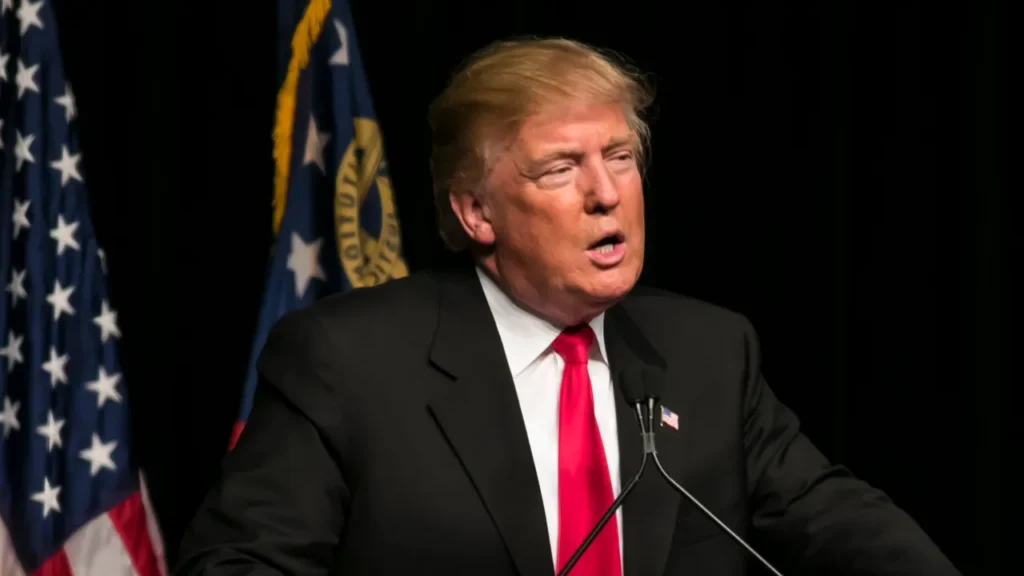
Trump announced that major course work would begin September 1, 2026. Reyes sought firmer assurances after photographs showed Trump touring East Potomac with golf architect Tom Fazio and large conceptual plans in June.
East Potomac plans remain conceptual
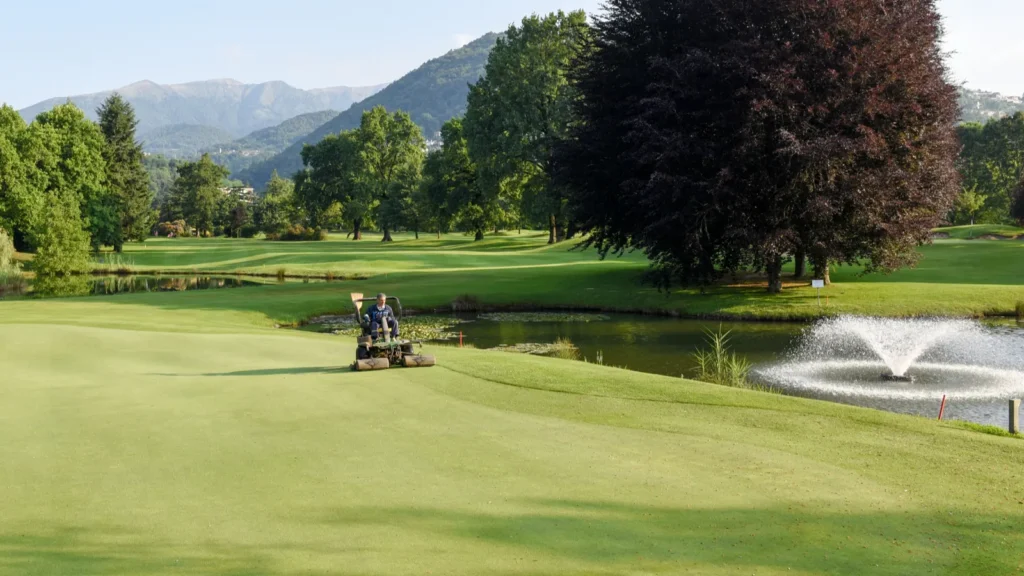
Federal attorneys said golf architect Tom Fazio had not been hired or officially selected by the Interior Department. They described the displayed drawings as conceptual and said any project would require several federal approvals.
Trump said a renovated course could host the U.S. Open, Ryder Cup, PGA Championship, and PGA Tour events. Major tournament locations are selected years ahead, and organizers have announced no East Potomac event.

East Potomac remains publicly owned
East Potomac remains a federally owned public golf facility within the National Park System. National Park Service records describe the property as a popular year-round course supporting accessible recreation in Washington.
The East Potomac Golf Course opened in 1920. Walter J. Travis designed the original 18-hole layout, which was developed between 1918 and 1923 during a major expansion of public golf in American cities.
East Potomac carries civil rights history
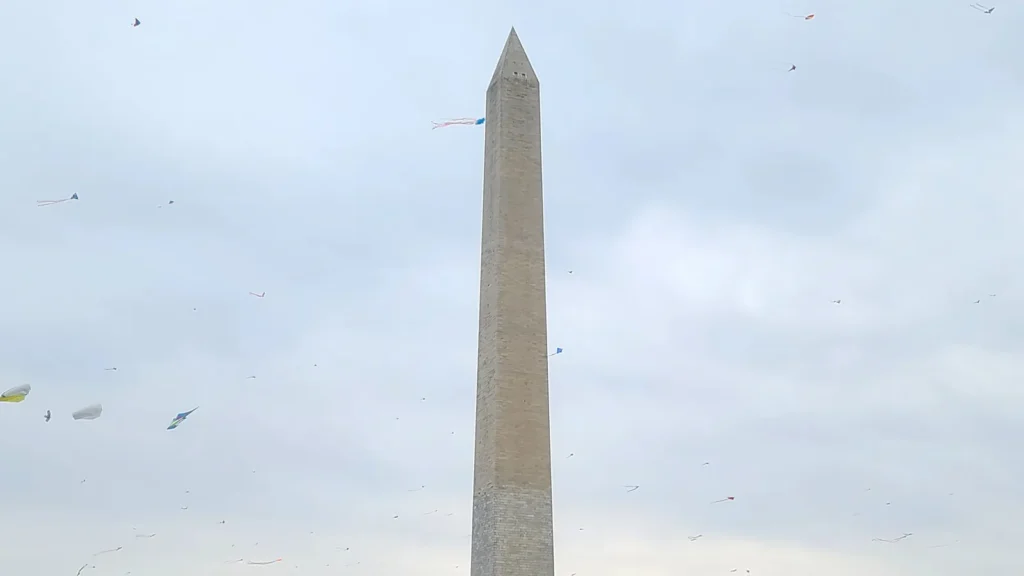
East Potomac holds an important place in Washington’s civil rights history. In 1941, Asa Williams, George Williams, and Cecil R. Shamwell played 18 holes while U.S. Park Police protected them nearby.
The protest pushed the National Park Service to integrate Washington’s public golf courses and contributed to wider recreational integration during the 1940s and 1950s. The course also forms part of a historic federal landscape.
East Potomac lease adds another issue
National Links Trust previously managed East Potomac under a 50-year National Park Service lease covering 3 Washington golf courses. The nonprofit said it invested more than $8.5 million across those properties.
Plaintiffs argue that a championship redesign could reduce affordable access or alter historic features. Trump has said East Potomac would remain public, while federal lawyers say reviews and approvals must precede construction.
East Potomac work faces court safeguards
Judge Ana Reyes declined to block the proposed redevelopment in early July because no final agency plan had been approved. She kept the lawsuit active and requested safeguards to prevent major work from beginning without notice.
The court gave both sides 2 weeks to develop protective language. Reyes said unannounced construction or tree removal could prevent plaintiffs from seeking timely judicial review before permanent landscape changes occurred.

East Potomac soil could prove costly
Relocating the mound could cost about $5.4 million, according to an industry estimate reported by The Wall Street Journal. That potential expense adds pressure while the testing dispute and redevelopment case continue.
Handling and disposal costs depend on contaminant levels, soil classification, and destination rules. The current disagreement centers on whether federal testing provides enough certainty before the material is reused during redevelopment.
Jack Nicklaus’ sharp response showed how strongly he defended the course design. Explore which criticism sparked the PGA legend’s fiery reaction and why the exchange still stands out.
East Potomac decision remains unresolved
East Potomac’s future involves disputes over soil testing, historic preservation, public access, and federal approvals. As of July 27, 2026, the lawsuit remains active, and no final championship-course design has federal approval.
The parties remain divided over independent testing and possible reuse of material moved from the White House grounds. Litigation may affect timing, while separate environmental, planning, and design approvals also remain necessary.
Scottie Scheffler’s fast start in the Open quickly lost momentum. Explore the key moment that disrupted his round and changed the direction of his championship challenge.
Should independent soil testing happen before the East Potomac golf project moves forward, or have federal reviews provided enough evidence? Like the post and share your thoughts in the comments below!
This slideshow was made with AI assistance and human editing.
Read More From This Brand: