





The 2026 FIFA World Cup kicks off on June 11 across the US, Canada, and Mexico. Millions of fans worldwide are preparing to travel to North America for the biggest soccer tournament in history. But for some, getting into the United States has come with a surprising financial hurdle.
The Trump administration has now moved to remove that barrier for ticket holders from select countries. Read on to find out if this change affects your travel plans.
What the new visa policy actually changes
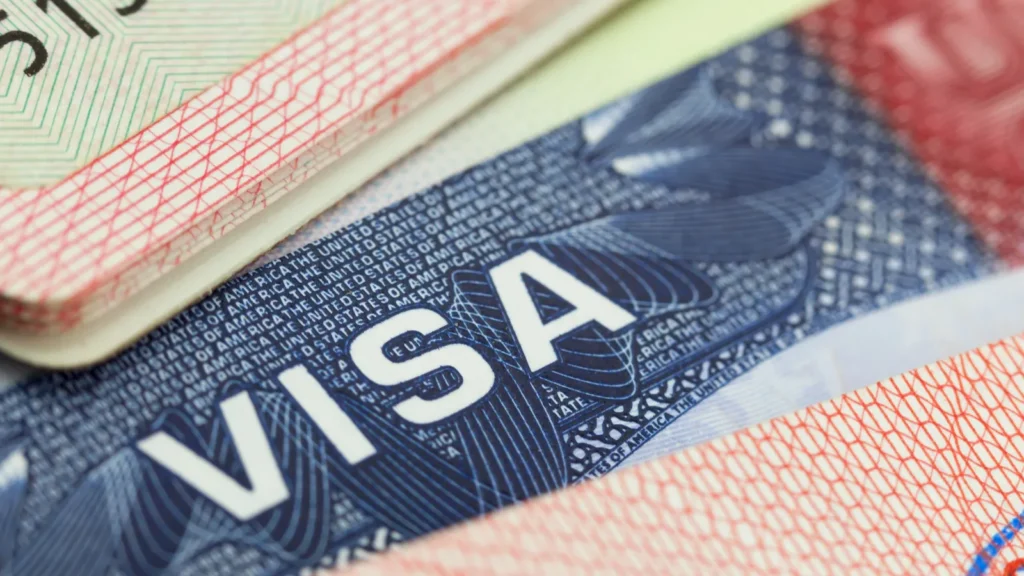
The U.S. is waiving visa bonds for qualified fans from competing countries who bought FIFA World Cup tickets by April 15, 2026, opted into FIFA PASS, and are otherwise eligible for a U.S. visitor visa. Previously, visitors from 50 countries had to pay bonds of up to $15,000 to secure a temporary US visa. This waiver applies specifically to fans who bought tickets directly from FIFA and enrolled in the FIFA Priority Appointment Scheduling System before April 15, 2026.
The bond amounts varied by country. Applicants were required to pay $5,000, $10,000, or $15,000, depending on their nation of origin. The government would refund the bond only if travelers complied with their visa terms or officials denied their application. The new waiver removes that upfront financial burden entirely for qualifying World Cup fans.

Which countries benefit from the waiver
Out of the 50 nations subject to visa bond requirements, five have qualified for the 2026 FIFA World Cup. Those countries are Algeria, Cape Verde, the Ivory Coast, Senegal, and Tunisia. Citizens from these nations who hold valid World Cup tickets are now exempt from paying the bond to enter the United States.
It is worth noting that some of these countries face other travel complications. Ivory Coast and Senegal, for instance, still remain under expanded travel ban restrictions. The waiver removes the bond requirement but does not suspend broader immigration restrictions. Fans from these nations must still go through rigorous vetting before they can enter the US.
How FIFA PASS works for ticket holders
FIFA PASS stands for the FIFA Priority Appointment Scheduling System. It was launched to help World Cup ticket holders get faster access to US visa interview appointments. To use it, fans must log into their FIFA.com account, submit an opt-in form, and complete the standard DS-160 visa application. If the information matches, they get access to a priority appointment slot.
The system does not guarantee that a visa will be issued. Every applicant still goes through full security screening and must prove they qualify for a B1/B2 visitor visa. Scheduling a priority appointment simply speeds up the interview process. It is a practical tool, but fans should not treat their World Cup ticket as a guaranteed entry pass to the United States.
Why the bond rule exists
The Trump administration introduced visa bond requirements in 2025 as part of a broader crackdown on immigration. The policy targeted countries that the State Department identified as having high rates of visa overstays and security concerns. The goal was to create a financial incentive for temporary visitors to leave the US before their visa expired.
The bond amounts were not small. At $15,000, the maximum cost was out of reach for many fans who would otherwise have the means to attend a soccer match. Critics argued the policy was blunt and unfairly punished law-abiding travelers. The World Cup waiver represents a targeted exception to that rule, not a reversal of the broader immigration strategy.

How FIFA won the waiver
FIFA formally requested the visa bond waiver from the US government. The request required approval from both the State Department and the Department of Homeland Security. Discussions took place over several months in meetings at the White House and across various government agencies. FIFA President Gianni Infantino had also been directly engaging with the administration on fan travel issues.
In its statement following the announcement, FIFA called the waiver proof of “ongoing collaboration with the US government and the White House task force for the FIFA World Cup.” The organization thanked the administration for its partnership and framed the waiver as a step toward delivering what it described as a “record-breaking and unforgettable global event.” The coordination underscores how much political work went into this single policy change.
Fun fact: The 1994 US World Cup averaged 68,991 fans per game. The 2026 edition is expected to top 100,000 per game at venues like AT&T Stadium.
Travel fears still remain
Not everyone is reassured by the waiver. Amnesty International, along with more than 120 civil society groups, issued a travel advisory warning fans about immigration risks in the US. The advisory pointed to concerns about arbitrary denial of entry, invasive searches of electronic devices, and racial profiling in host cities, including Los Angeles, Chicago, and Minneapolis.
The White House dismissed the advisory as what it called “ridiculous scare tactics driven by liberal activist groups.” Tourism officials also pushed back. The CEO of the US Travel Association noted that 67 million international travelers visited the US last year. Even so, the hotel industry reported that bookings for the World Cup remain far below projections. Visa barriers and geopolitical uncertainty are cited as key reasons for that shortfall.
Money on the line
The 2026 FIFA World Cup is expected to have a massive economic impact. A study by FIFA and the World Trade Organization projected that the tournament will generate $30.5 billion in gross output and contribute $17.2 billion to the US GDP. The event is also expected to create 185,000 full-time jobs across the country. Making it easier for international fans to attend directly supports those numbers.
However, the American Hotel and Lodging Association warned this month that visa barriers and geopolitical tensions have driven international demand well below expectations. Lengthy visa wait times, high fees, and uncertainty around entry procedures have discouraged many would-be visitors. The visa bond waiver is a positive step, but industry leaders say the government must provide broader policy certainty to fully restore fan confidence and hotel booking levels.
Little-known fact: Unlike Qatar’s Hayya card or Russia’s Fan ID, the 2026 World Cup has no fan ID system. A ticket is not an entry document.
Steps to take before traveling
Fans from Algeria, Cape Verde, the Ivory Coast, Senegal, or Tunisia with a valid World Cup ticket should act quickly. Since the FIFA PASS opt-in deadline was April 15, 2026, time is short. Still, all applicants must complete the DS-160 form, pay the visa fee, and attend a US consulate interview.
Meanwhile, fans from other countries should check if they qualify for the Visa Waiver Program. Citizens of the 42 program countries can apply for an ESTA instead. Canadian and Bermudan passport holders need no visa at all. Regardless, a World Cup ticket is not a substitute for a valid visa. Visit the US State Department FIFA PASS FAQ for current instructions.
TL;DR
- The Trump administration waived visa bonds for World Cup ticket holders from Algeria, Cape Verde, the Ivory Coast, Senegal, and Tunisia.
- Visa bonds previously cost up to $15,000 for visitors from 50 high-risk countries.
- The waiver only applies to fans who bought tickets directly from FIFA and opted into FIFA PASS by April 15, 2026.
- FIFA PASS gives ticket holders faster access to US visa interview appointments, but does not guarantee visa approval.
- FIFA lobbied for the waiver over several months through White House discussions.
- The World Cup hotel booking rate remains below expectations due to ongoing visa and policy uncertainty.
- The tournament runs from June 11 to July 19, 2026, across the US, Canada, and Mexico.
If you liked this story, don’t forget to follow us for more exclusive content.
This article was made with AI assistance and human editing.
If you liked this, you might also like:


