




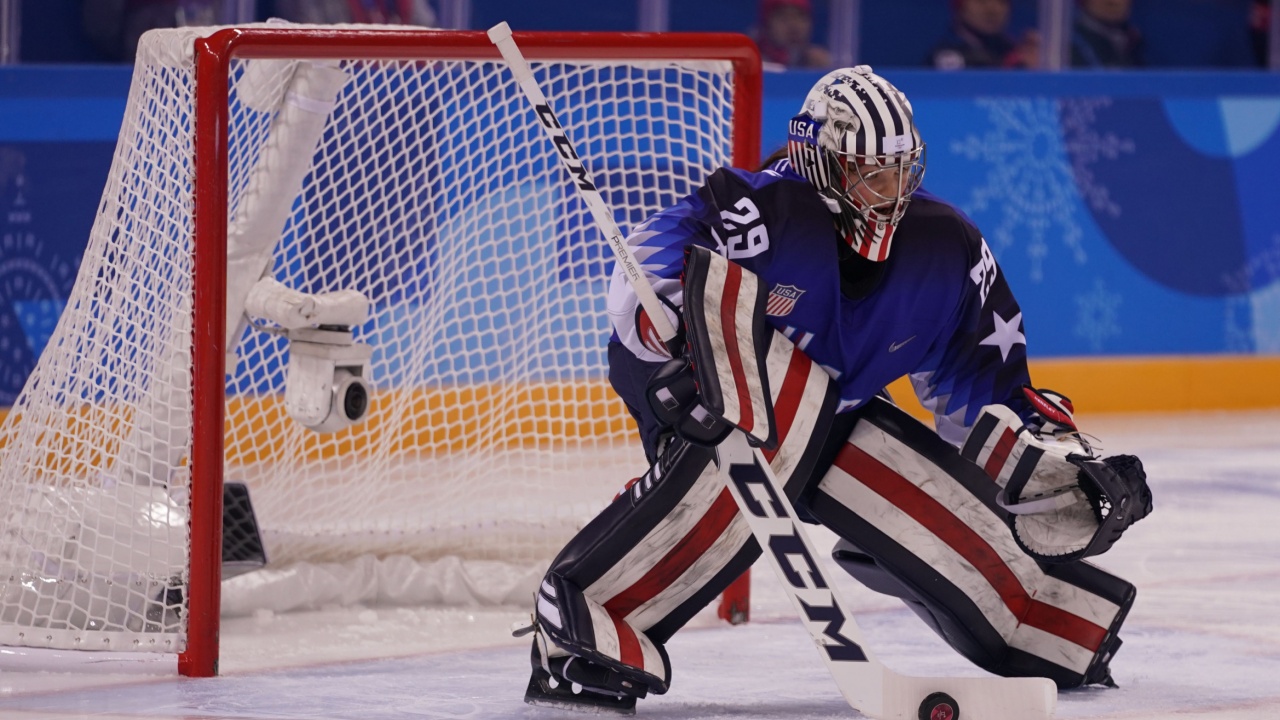
Hockey has changed faster than ever in recent years.
Players are skating harder, shifting faster, and reacting quicker. In this new era, two physical traits stand out above all others: speed and agility. These are no longer optional; they are essential for players who want to succeed at the highest levels.
Whether it’s a breakaway goal, a tight defensive play, or a rapid change of direction near the boards, speed and agility define modern hockey. This article explores why these traits matter, how they are trained, and what they mean for the future of the sport.
The Rising Importance of Speed and Agility in Hockey
Speed and Acceleration
Modern hockey is faster, tighter, and more dynamic than ever before. Players can accelerate quickly, change direction on a dime, and out-skate opponents. Speed is not just straight-line skating; it also includes acceleration from a standstill and maintaining high speed during play.
Agility and Reaction
Agility is how players control their speed while changing direction, responding to defenders, or adapting to puck movement. It allows players to pivot sharply, stop quickly, and react instantly to changes on the ice. Because modern hockey emphasizes fast transitions and tight-space play, players who lack speed and agility can struggle to keep up.
Strategic Impact
These traits affect more than individual performance. Coaches use speed and agility to deploy lines, manage transitions, and exploit scoring opportunities. Players who excel in these areas can change the flow of the game.
How Speed and Agility Are Developed and Trained
On-Ice Drills
Training begins on the ice. Players practice short sprints from different starting positions, slalom drills, quick pivots, sudden stops, and cutback turns. These exercises help players react faster and move efficiently in game situations.


Off-Ice Conditioning and Strength
Off-ice work develops the athletic foundation for speed and agility. Lower-body strength, mobility, balance, and explosive power are all critical. Exercises such as squats, lunges, hip thrusts, and plyometrics help players move faster and change direction more efficiently.
Technique and Mobility
Proper skating posture, low center of gravity, clean push mechanics, and stable edges enhance both speed and agility. Mobility in the hips, ankles, and shoulders allows players to maximize stride length and react quickly to on-ice situations.
Integration into Game Play
Training is most effective when it connects to actual game scenarios. Speed and agility must be applied during puck battles, defensive recoveries, breakouts, and quick transitions. Players need to react to opponents, read plays, and adjust in real time.
What Speed and Agility Mean for Game Strategy and Player Roles

Offensive Impact
Faster and more agile forwards can exploit gaps, create odd-man rushes, and beat defenders one-on-one. Agility allows them to navigate tight spaces while maintaining control of the puck. Speed enables quick transitions that can overwhelm slower defenses.
Defensive Importance
Defenders rely on speed to close gaps and support breakouts. Agility helps them pivot, shuffle, and recover when outmaneuvered. Teams increasingly value defenders who can skate effectively while reading the game.
Special Teams and Transitions
Speed and agility are critical during power plays, penalty kills, and fast breaks. Teams that can move quickly and react effectively gain advantages during transitions, creating scoring opportunities and limiting opponents’ chances.
Player Scouting and Development
Players who show quick acceleration, agile movements, and strong reaction skills are highly valued. Younger athletes with speed and agility have greater potential to succeed in today’s faster-paced game.
The Role of Functional Movement in Speed and Agility
Movement Quality and Balance
Recent research shows that players who demonstrate better functional movement patterns and dynamic balance tend to achieve faster skating speeds and greater agility.
The study with elite young male hockey players found that stronger performance in movement tests like the in‑line lunge and hurdle step was associated with faster 5‑m forward and backward skating times.
Training Implications
This means that improving mobility, stability, symmetry, and basic movement control should be viewed as a foundational step, not just “more sprints” when coaches aim to enhance speed and agility in hockey players.
Frequently Asked Questions
What is the difference between speed and agility in hockey?
Speed is how fast a player can move in a straight line or accelerate. Agility is the ability to change direction, stop, pivot, and react while maintaining balance.
Can speed and agility be improved, or are they just natural gifts?
Both can be improved. Structured on-ice drills, off-ice conditioning, strength training, mobility work, and reactive exercises help players develop these skills.
Why are modern hockey players faster than in the past?
Better training methods, focus on speed and agility, improved equipment, and faster-paced strategies contribute to today’s quicker players.
What kinds of drills help improve speed and agility?
Examples include sprints from varied positions, cone or slalom drills, lateral jumps, plyometrics, lower-body strength exercises, and mobility work.
Does having speed always guarantee success?
No. Speed is important, but technique, positioning, decision-making, and game sense are also crucial for effective performance.
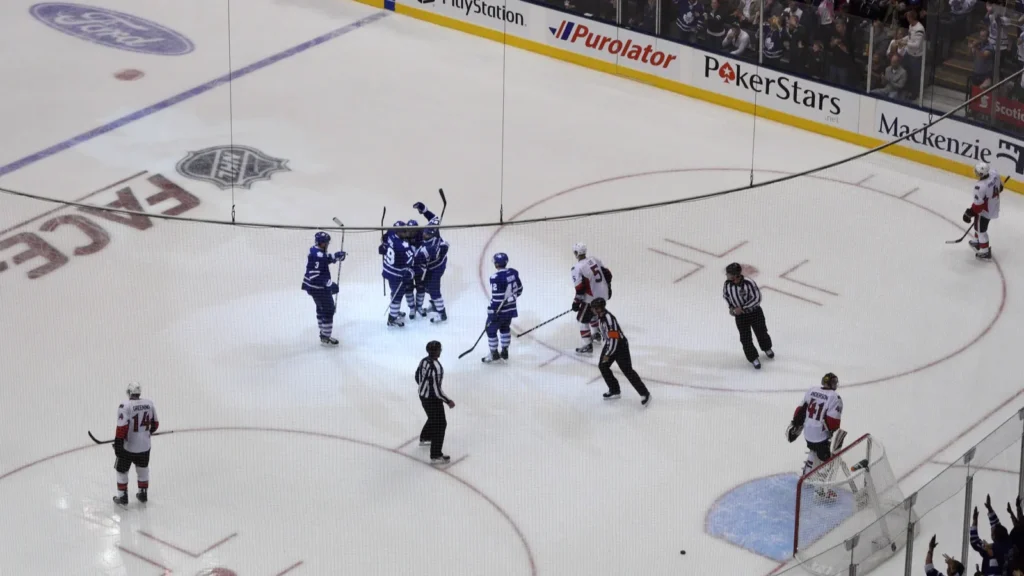
Conclusion
- Speed and agility are essential for modern hockey players at all levels.
- These traits influence offense, defense, special teams, and overall team strategy.
- On-ice drills, off-ice conditioning, technique, and mobility are all key to developing speed and agility.
- Players who combine speed with game sense and decision-making have the highest potential to succeed.
- Understanding and training these traits is shaping the future of hockey, changing how players perform and how teams plan strategy.
Read More
- How NHL Expansion Has Changed the Game’s Geography
- How the NHL Winter Classic Became a Beloved Tradition
- The Truth About NHL Home Ice Advantage
This article was made with AI assistance and human editing.


