
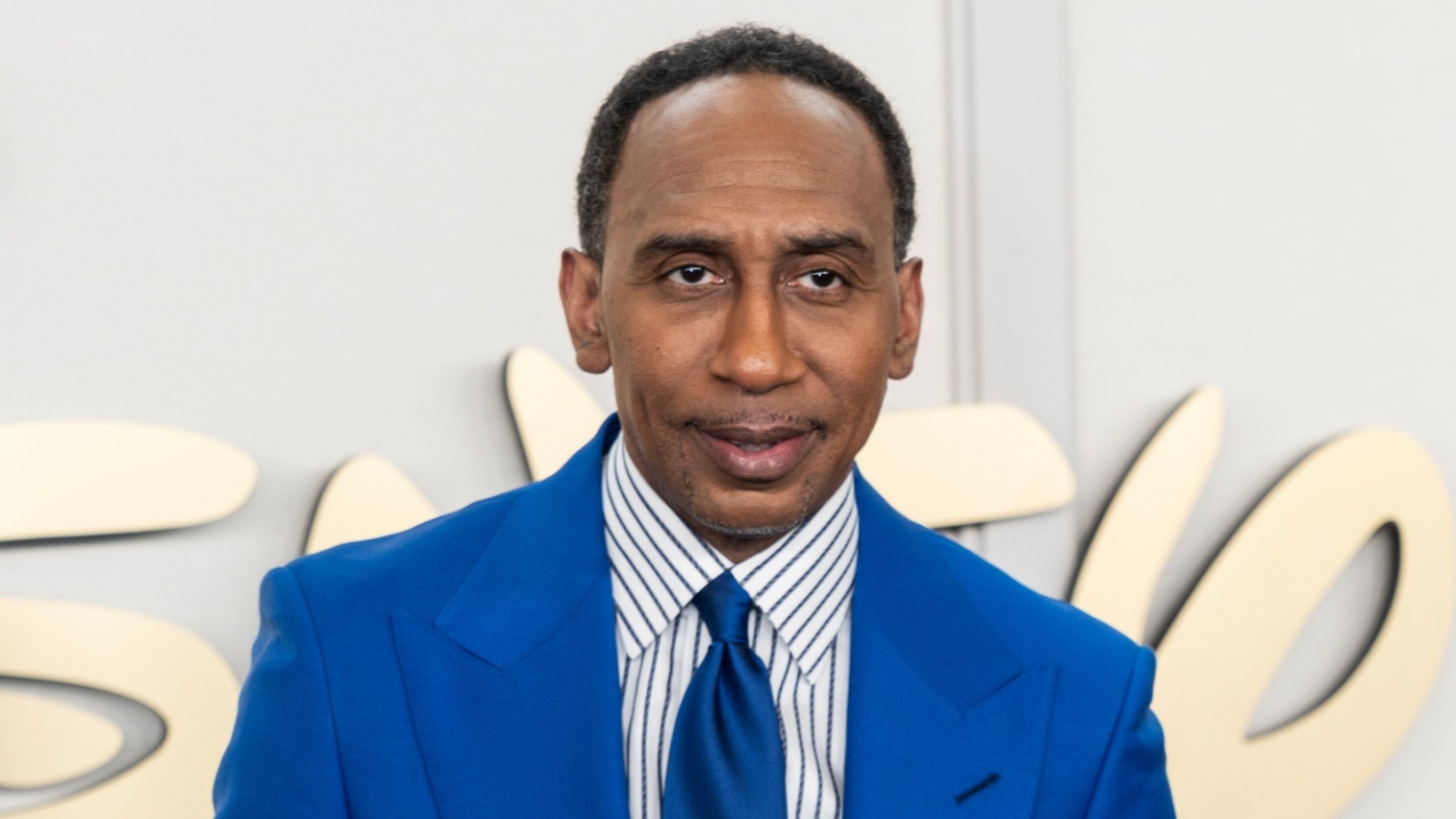
Golf rarely breaks through the noise of mainstream sports media. But when Stephen A. Smith starts talking about fairways and greens, people listen. On a late April episode of ESPN’s First Take, Smith went all in on the PGA Tour. He blamed the leadership for creating the conditions that gave LIV Golf room to exist.
His words were blunt, passionate, and instantly controversial in a sport that usually plays it quiet. He did not hold back. He named names, assigned blame, and demanded that LIV players be welcomed back without punishment. Whether you agree or not, the golf world had no choice but to respond.
The spark that started it all
Recent reports say Saudi Arabia’s PIF will end financial backing for LIV Golf after the 2026 season, while LIV executives say they are seeking new investors. The PIF had already invested more than $5 billion into the league since its 2022 launch. The news renewed uncertainty about LIV’s future and the status of its contracted players.
Almost immediately, questions emerged about what would happen to LIV players. Would the PGA Tour take them back? Would those players face penalties for leaving? Stephen A. Smith jumped into that conversation with full force. He chose a side loudly and publicly. Golf had not seen that kind of mainstream attention in years.

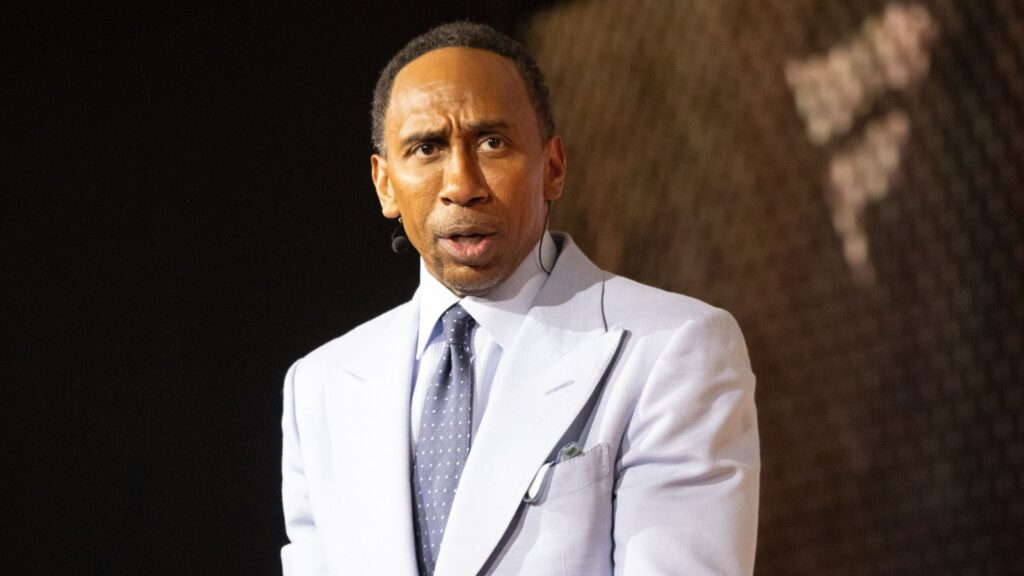
What Stephen A. Smith actually said
Speaking on First Take, Smith said the PGA Tour should not punish any returning LIV golfer under any circumstances. He argued it was the Tour’s own negligence and mistreatment of players that created the demand for a rival league. He pointed out that the Tour only started offering players better conditions after LIV appeared, calling that proof of guilt. His message was simple and unambiguous.
Smith urged the PGA Tour to welcome every returning player with open arms. He called the leadership arrogant and said golfers were left with no real choice. He was not commenting as a golf insider. He was bringing the energy of a sports debate champion to a world that tends to resolve things quietly and behind closed doors. It landed like a drive into the rough.
Little-known fact: ESPN dropped his show in 2007, then dropped him entirely after a contract dispute in 2009. That was rock bottom professionally, but he slowly worked his way back.
The PGA Tour’s record before LIV Golf
Before LIV Golf arrived, many top players were earning staggering sums on the PGA Tour. Phil Mickelson had accumulated over $96 million in career PGA Tour earnings before he left.
Dustin Johnson’s official career prize money on the PGA Tour totaled $75,816,566. If you include unofficial payouts and bonuses, specifically his massive $15 million FedEx Cup title in 2020, his total earnings from his time on the PGA Tour jump to over $81.6 million.
These were not underpaid athletes walking away from poverty. These were generational earners choosing guaranteed contracts over competitive uncertainty on an already lucrative Tour.
The Tour also created the Player Impact Program in 2021, a bonus pool designed to reward its biggest names for driving fan engagement. The inaugural pool offered $40 million split among just 10 players. Six of the top 10 players in the inaugural 2021 PIP list later joined LIV Golf.
The contracts that changed everything
Jon Rahm reportedly received $300 million to leave the PGA Tour for LIV Golf. Bryson DeChambeau earned an estimated $125 million from his initial deal. Phil Mickelson’s signing bonus alone was approximately $200 million. These were not competitive salary negotiations. They were transformational, life-changing offers backed by a sovereign wealth fund.
Smith’s argument rests on the idea that players were pushed out. But the math tells a different story. Players were pulled toward sums of money that no sports organization without government backing could compete with. That distinction matters enormously when assigning blame and deciding what accountability should look like going forward in professional golf.
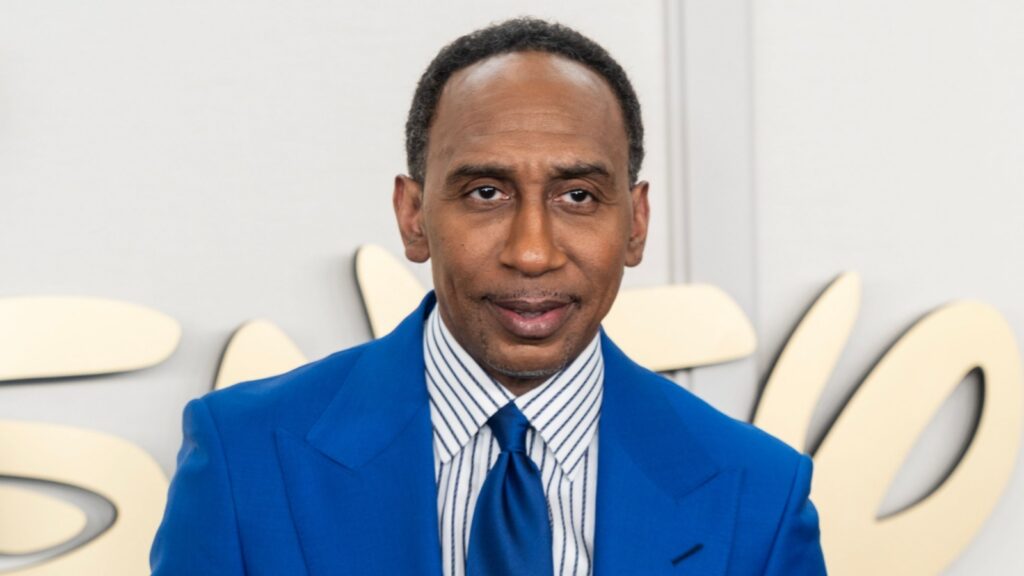
Why Smith’s take still has some merit
The PGA Tour did make significant changes to player compensation after LIV Golf launched. Purses grew. Signature events were introduced. The Player Impact Program expanded. These were not coincidental improvements. The Tour responded to competitive pressure in ways that showed real flexibility. That pattern supports Smith’s core point that players had legitimate reasons to feel undervalued in earlier years.
The Tour suspended members who competed in LIV events without releases, while major championship eligibility remained under separate governing bodies. A more collaborative approach early on might have prevented the schism entirely. Smith is right that leadership bears some responsibility, even if his framing of players as helpless victims goes too far.
Michael Kim pushes back hard
Within hours of Smith’s segment airing, PGA Tour player Michael Kim took to social media and called it a “horrendous take.” Kim argued that players were never forced to leave the Tour. They accepted massive checks and then sued the very organization that gave them their careers. He raised the Player Impact Program as clear evidence that the Tour was already investing in its top talent before any defections happened.
Kim’s response carried weight because it came from inside the ropes. He competes weekly on Tour and understands the economics from a player’s perspective. He was not dismissing all criticism of Tour leadership. He was specifically rejecting the idea that LIV golfers were victims. That distinction drew significant support from fans and analysts who felt Smith had oversimplified a genuinely complex situation.
What comes next for golf’s divided world
LIV Golf has hired Ducera Partners as an investment banking adviser and is seeking new investors as PIF funding ends after the 2026 season.
Some players, like Bryson DeChambeau, have been spotted in conversations with PGA Tour officials at major events. Others face more complicated paths because of lawsuits they filed against the Tour. The legal and personal baggage will shape every individual’s return negotiation differently over the coming months.
Professional golf has a genuine opportunity to reunite its best players under one structure. Whether the Tour leadership approaches that moment with grace or resentment will define the next decade of the sport. Stephen A. Smith may not be a golf expert. But he gave voice to a perspective that millions of casual sports fans share.
Little-known fact: LIV Golf’s ticket sales increased by 129% in the 2026 season, even as the league faced existential financial pressure. Growing audiences could not offset the massive structural costs of running a rival tour without sovereign wealth support.

TL;DR
- Stephen A. Smith publicly blamed PGA Tour leadership for the conditions that gave rise to LIV Golf on ESPN’s First Take.
- Saudi Arabia’s PIF announced it will stop funding LIV Golf after the 2026 season, having invested over $5 billion since 2022.
- PGA Tour player Michael Kim called Smith’s take “horrendous,” pointing to the Tour’s Player Impact Program and massive LIV signing bonuses as evidence that players were not forced out.
- LIV contracts were worth hundreds of millions, including $300 million for Jon Rahm and $200 million for Phil Mickelson.
If you liked this story, don’t forget to follow us for more exclusive content.
This article was made with AI assistance and human editing.
If you liked this, you might also like: