
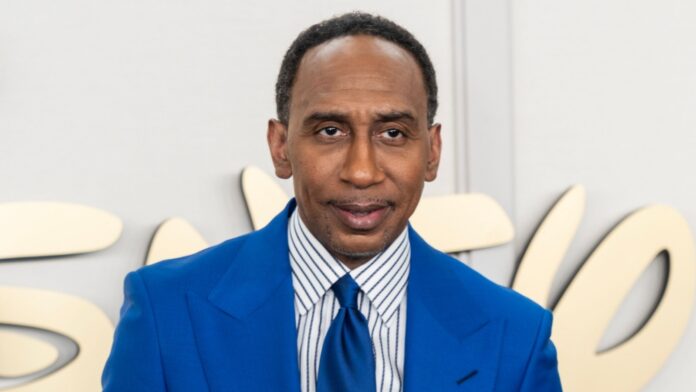
Stephen A. Smith is facing criticism from soccer fans after making an inaccurate comment about France’s World Cup history during ESPN’s First Take discussion of the 2026 tournament. The veteran analyst questioned whether France could “finally” win a World Cup, even though the nation already owns two titles, including its 2018 triumph in Russia.
The remark quickly spread across social media, where fans pointed out the mistake and reignited debate over cross-sport commentary on major broadcasts. The reaction also highlighted the growing expectations surrounding soccer coverage in the United States as the sport continues to gain mainstream attention.
What did Stephen A. Smith say about France?
The controversy followed France’s 3-1 win over Senegal in its 2026 FIFA World Cup opener. During a First Take discussion the next morning, Smith raised a question about France’s chances that immediately caught the attention of soccer viewers.
“I’m wondering what France is going to do. Could this be the year that they finally get it done and they win the World Cup?” Smith said in a clip later shared on social media by Awful Announcing.
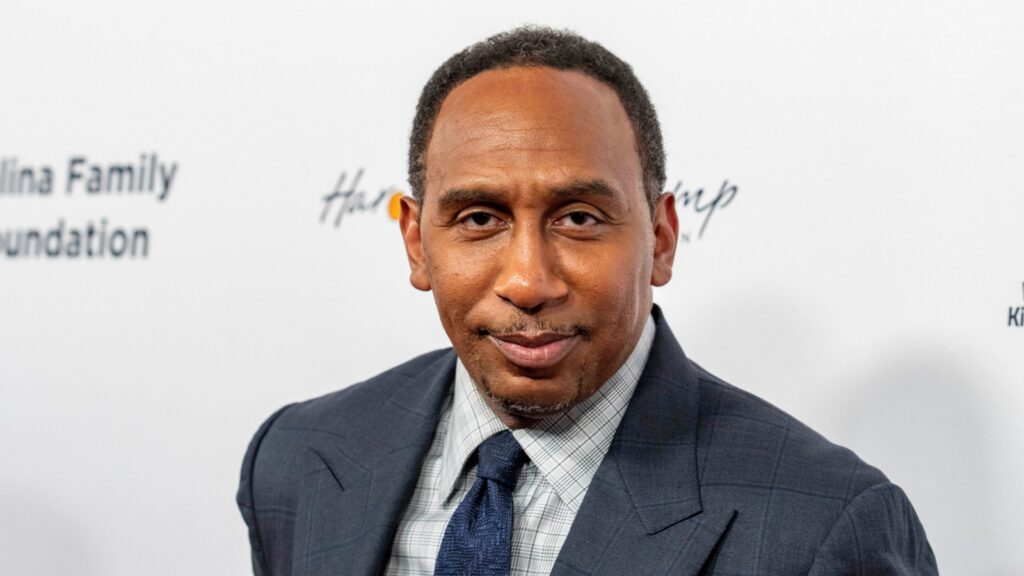
The wording surprised many fans because France is not a nation still searching for their first championship. Instead, they are one of international soccer’s most successful modern powers.
Why did fans react so strongly?
The backlash centered on one word: “finally.” France already won the World Cup in 1998 on home soil and again in 2018 when they defeated Croatia 4-2 in the final in Russia.
Les Bleus also came within a penalty shootout of winning another title in 2022. France pushed Argentina to a dramatic 3-3 draw before eventually falling in one of the most memorable finals in tournament history.
Because of that recent success, many fans felt Smith’s comment reflected a lack of familiarity with international soccer. Social media users quickly mocked the remark, with several questioning why prominent personalities are sometimes assigned to cover sports outside their traditional expertise.
The criticism goes beyond a single mistake
Smith has built his career by offering strong opinions across numerous sports, particularly the NBA and NFL. However, soccer fans have historically been quick to challenge broadcasters and analysts when they believe coverage lacks context or historical understanding.
The reaction to this latest comment reflects a broader discussion that has followed American soccer coverage for years. As soccer continues to expand in popularity in the U.S., audiences increasingly expect analysts to demonstrate the same level of knowledge routinely seen in football, basketball, or baseball broadcasts.
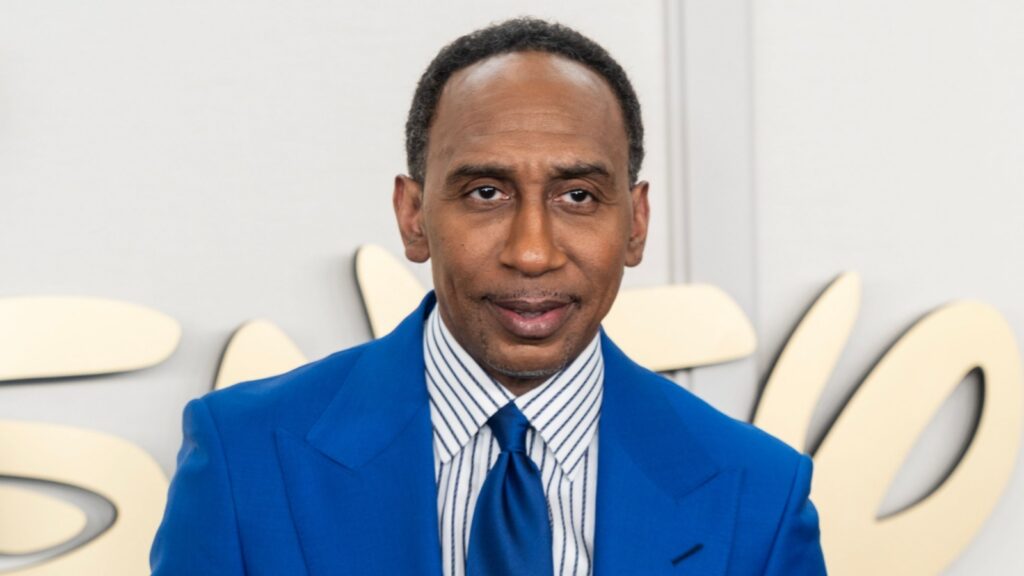
Many viewers argued online that factual mistakes involving a nation’s championship history are difficult to overlook, especially when discussing a tournament as globally significant as the World Cup.
Fun fact: France became just the sixth men’s national team to win multiple FIFA World Cups when it captured its second title in 2018. Only Brazil, Germany, Italy, Argentina, and Uruguay had previously achieved that feat.
France remains one of soccer’s elite nations
Regardless of the broadcasting controversy, France entered the 2026 World Cup as one of the tournament’s strongest teams. Under longtime manager Didier Deschamps, the nation has consistently advanced deep into major competitions.
France won the 2018 World Cup, reached the final in 2022, and also captured the UEFA Nations League title in 2021. Much of that success has been driven by a talented generation featuring stars such as Kylian Mbappe.
Mbappe, in particular, has already established himself as one of the defining players of his era. He scored four goals during France’s victorious 2018 campaign and famously netted a hat trick in the 2022 final against Argentina.
Fun fact: Kylian Mbappé scored twice against Senegal in France’s 2026 World Cup opener, taking his career World Cup total to 14 goals. That moved him past Pelé and Lionel Messi and tied him with Gerd Müller for third on the men’s all-time World Cup scoring list.
What this says about soccer’s growth in America
The intense reaction to Smith’s comments also illustrates soccer’s evolving place in American sports culture. A decade ago, such a mistake may not have generated widespread discussion outside dedicated soccer circles.
Today, however, the World Cup is commanding major attention from U.S. audiences while the tournament is being co-hosted by the United States, Canada, and Mexico. The expanded 2026 event has already drawn huge crowds, giving American soccer coverage even more visibility and scrutiny.
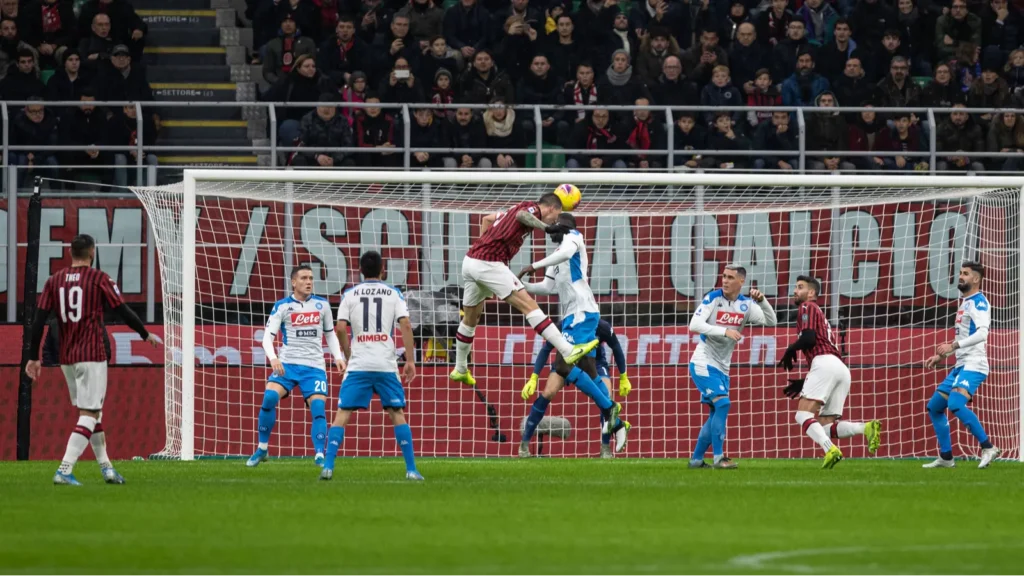
As soccer coverage expands across major American networks, broadcasters and analysts are facing increased scrutiny from increasingly knowledgeable fans. Viewers now expect accuracy and historical context regardless of an analyst’s primary sport.
Interesting fact: FIFA reported a new daily attendance record at the 2026 World Cup, with 281,223 fans attending matches on June 16, 2026.
Will the controversy have lasting effects?
It is too early to know whether the criticism will have any lasting impact on Smith’s standing as one of sports media’s most recognizable personalities. What is clear is that the clip renewed debate over how much preparation major TV voices need when discussing global soccer events.
Still, the episode serves as a reminder of the challenges that come with covering global sports events. The World Cup attracts audiences from every corner of the world, many of whom possess extensive knowledge of the tournament’s history.
For fans, the controversy became less about one mistaken comment and more about ensuring that soccer receives informed, detailed coverage as it continues its rapid growth in the American sports landscape.
TL;DR
- Stephen A. Smith drew criticism after suggesting France could “finally” win a World Cup.
- France has already won World Cups in 1998 and 2018.
- The comment sparked widespread backlash across social media.
- Many fans viewed the remark as evidence of insufficient soccer knowledge.
- The incident reignited discussions about the quality of American soccer coverage.
If you liked this story, don’t forget to follow us for more exclusive content.
This article was made with AI assistance and human editing.
If you liked this, you might also like: