

Stephen A. Smith is pushing back after Michael Wilbon questioned whether the ESPN star should still call himself a journalist, reigniting a debate about what sports media looks like today.
Wilbon argued that Smith has evolved from a traditional reporter into a television showman, while Smith says his responsibilities changed without erasing his journalistic foundation.
Both men built their careers as reporters before becoming major ESPN personalities. Smith’s response highlights how much sports media has changed since his newspaper days.
Wilbon says Smith has become “the show”
Wilbon addressed Smith during an appearance on The Awful Announcing Podcast, drawing a line between Smith’s current role and his newspaper career. He said Smith is no longer doing the kind of journalism he practiced at The Philadelphia Inquirer, where the two worked around the same NBA reporting environments.
Wilbon’s larger point was that Smith has become a personality-driven sports program in himself. He praised Smith’s success while arguing that his current work is better understood as entertainment and commentary than traditional journalism.
Smith argues his journalism background still matters
Smith responded by acknowledging the difference between his current responsibilities and those he had as a beat reporter. He said he isn’t claiming to operate like a locker-room reporter on every story because his schedule and role are fundamentally different.

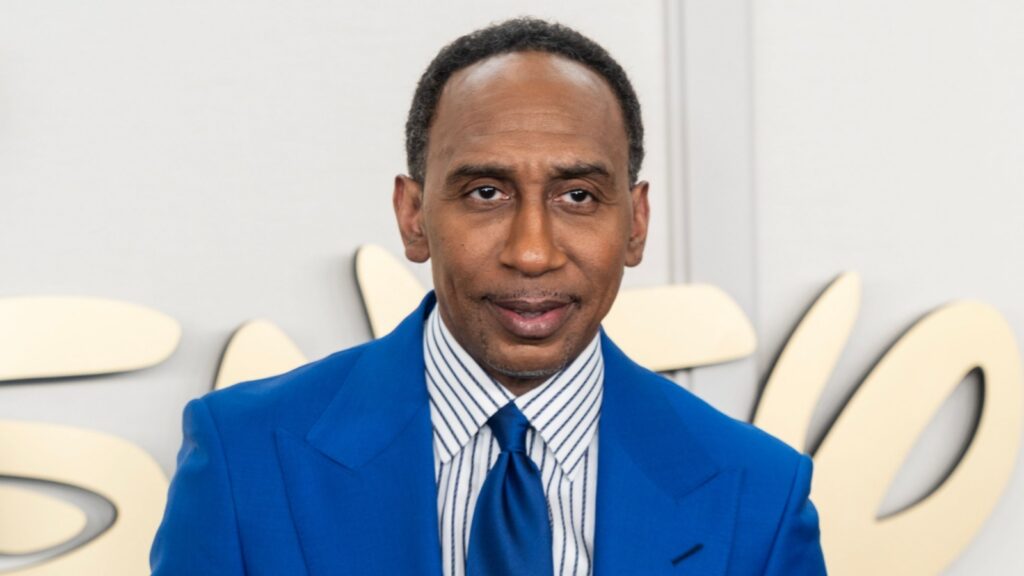
Smith said he produces about 22 hours of live content each week and more than 900 hours annually. His argument is that the absence of a daily beat does not mean he simply speaks without preparation or information.
He also said he continues to make calls, cultivate sources, and gather information from people in the sports world. In Smith’s view, those practices connect his present-day commentary to the journalism foundation he developed over decades.
Fun fact: Smith’s first ESPN role came in 2003 as an analyst for NBA Shootaround, the program that later became NBA Countdown. He had already spent years covering basketball in newspapers.
Smith’s newspaper career gives the argument context
There is no dispute that Smith began his career in traditional journalism. That history is central to his rejection of the idea that his current television role should completely redefine his professional identity.
ESPN’s official biography says he worked at the Winston-Salem Journal, Greensboro News and Record, and New York Daily News before joining The Philadelphia Inquirer.
Smith spent years at the Inquirer, eventually becoming a general sports columnist after covering the Philadelphia 76ers and the NBA. He later moved into television, radio, and ESPN roles, transforming himself from a newspaper writer into a national sports media personality.
The debate reflects a changing sports-media landscape
The Smith-Wilbon disagreement raises a broader question: Does journalism describe a job title, a set of responsibilities, or a professional foundation? That question has become harder to answer as sports coverage has moved beyond newspapers and traditional television newsrooms.
Traditional beat reporting generally involves regular access to teams and players, firsthand observation, original reporting, and accountability to sources and readers. Studio commentary operates differently, with more emphasis on analysis, perspective, debate, and audience engagement.
Neither side needs to erase the other. Smith can be a commentator whose career was built on journalism, while Wilbon can argue that the work Smith performs today is no longer traditional journalism.
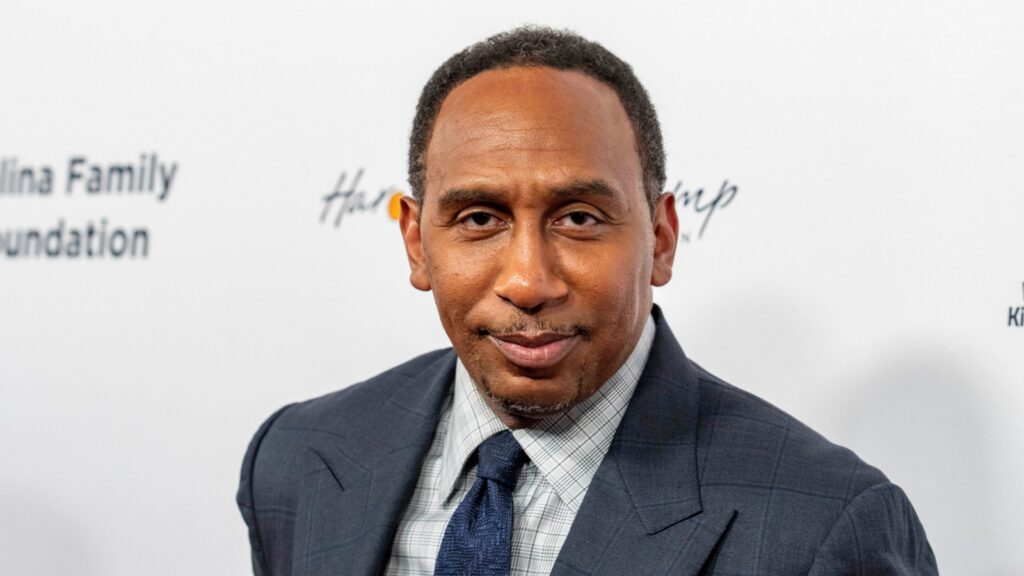
That distinction matters as sports personalities increasingly build audiences across television, podcasts, radio, streaming, and social media. Modern sports media figures can report, interview, analyze, and entertain without fitting neatly into a single category.
Fun fact: ESPN says Smith spent 16 years as a general sports columnist at The Philadelphia Inquirer from 1994 through 2010, making his newspaper career a substantial part of his professional foundation.
Smith’s ESPN role has grown far beyond a columnist
Smith’s career now extends well beyond the newspaper model. ESPN identifies him as a prominent analyst and longtime First Take personality, while he has also hosted radio and other ESPN programming.
In March 2025, Smith agreed to a new five-year, $100 million ESPN contract, according to The Washington Post. The deal reinforced his status as one of the network’s most valuable media personalities, further cementing his influence as a dominant voice in modern sports commentary across digital and broadcast platforms alike.
Why the argument is bigger than Smith and Wilbon
The disagreement does clarify the difference between reporting and commentary in today’s sports business. Smith’s defense rests on his history, his sources, and the journalistic skills he says continue to inform his work.
Wilbon’s criticism focuses on what Smith does now rather than how he started. Smith, meanwhile, is asking audiences to view his current role as the latest stage of a journalism career rather than a complete break from it.
Calling Smith a commentator does not erase his reporting background, just as pointing to that background does not make every segment of his current work traditional journalism. That may be why the disagreement has attracted attention beyond the two ESPN veterans: it touches on how audiences define credibility in an increasingly personality-driven sports-media world.
Fun fact: Smith has worked across newspapers, television, radio, and digital platforms. That range is a major reason his career is difficult for many fans to fit into a single traditional media label today.
TL;DR
- Michael Wilbon argued that Stephen A. Smith is now more of a sports-media “show” than a traditional journalist.
- Smith said his role has changed, but his journalism background and reporting habits remain central to his work.
- Smith spent years reporting for newspapers, including The Philadelphia Inquirer and New York Daily News.
- His ESPN career has expanded into television, radio, and other media platforms.
- The dispute reflects a broader shift in how sports personalities combine reporting, commentary, and entertainment.
If you liked this story, don’t forget to follow us for more exclusive content.
This article was made with AI assistance and human editing.
If you liked this, you might also like: