
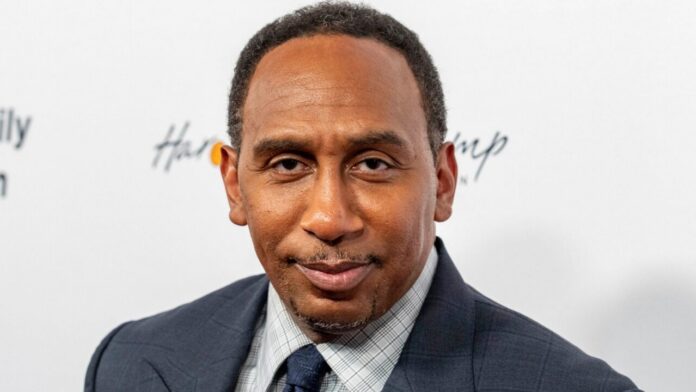
Stephen A. Smith has pushed college sports back into a familiar argument as eligibility rules face intense pressure. The ESPN personality says age should not matter when athletes remain in college for extended stretches. His comments come as the NCAA has replaced its traditional eligibility structure with a five-year model tied to age and enrollment.
At the same time, lawsuits have raised new questions about athletes who have exhausted their previous eligibility. The debate has also spread to players who reached the NFL but did not stick there. With the 2026 season beginning, Smith’s argument lands in the middle of a changing system.
Smith separates testing the NFL from playing in it
Smith’s latest comments focus on a distinction that has become increasingly important. He has argued that age should factor into college eligibility and that players who enter the NFL Draft but never play an NFL game should have a path back to college football.
Dae’Quan Wright has become a prominent test case after being waived by the Cleveland Browns and seeking a return to LSU. Wright was an undrafted free agent who briefly played in the NFL before returning to college for another season.
The NCAA approved a major overhaul of Division I eligibility in June. Under the new model, eligible athletes can receive up to 5 years of eligibility within a 5-year window, replacing the previous four-seasons-in-five-years structure.
The eligibility clock begins with initial full-time college enrollment or the beginning of the academic year after an athlete turns 19, whichever comes first. The new framework eliminates season-of-competition limits, sport-specific eligibility rules, and redshirt rules.
The NCAA also says limited exceptions remain, including certain circumstances involving military service, religious missions, and pregnancy. The new system is intended to simplify eligibility rules and reduce the need for sport-specific waivers.
Age is now part of the debate
That change makes Smith’s argument more relevant than it might have been under the old system. The NCAA is no longer simply asking how many seasons an athlete has used. It is placing a defined time limit on collegiate competition.
For future Division I entrants, the approach is designed to prevent careers from stretching indefinitely. NCAA guidance says delaying enrollment beyond age 19 can reduce the amount of eligibility available under the new system.
Current athletes and 2026-27 entrants can receive whichever framework is more favorable during the transition. The age-based model becomes the sole system for athletes initially enrolling in fall 2027 or later.
Lawsuits have complicated the transition
The 5-year eligibility model has already collided with litigation. Athletes from the high school class of 2022 have challenged the NCAA after completing their traditional eligibility and being excluded from the new 5-for-5 framework.
Courts have issued competing rulings as athletes seek additional eligibility during the transition. In Louisiana, a judge recently granted a preliminary injunction affecting Dae’Quan Wright, Zxavian Harris, and other athletes seeking another season. The ongoing litigation has made eligibility a major roster-management issue as the 2026 season begins.
Former pros have created a bigger test
The biggest question is what happens when an athlete reaches professional football before attempting to return to college. Wright became a major example after spending part of the offseason with the NFL before being waived by Cleveland and pursuing a return to LSU.
The SEC adopted a policy opposing the return of athletes who had signed professional contracts, while other major conferences moved toward similar restrictions. A Louisiana judge has since issued a preliminary injunction allowing affected athletes to pursue their eligibility while the legal fight continues.
The result is an unusual split between NCAA eligibility questions and conference policies. The court ruling has paved the way for affected athletes, but the SEC and other governing bodies continue to challenge the return of former professionals to college sports.
LSU is at the center
LSU is at the center of the eligibility fight after coach Lane Kiffin pursued former NFL players Dae’Quan Wright and Zxavian Harris. Both players were seeking another college season after brief professional stints.
The situation has drawn criticism from coaches who oppose allowing former professionals to return to college football. Clemson coach Dabo Swinney called the practice “embarrassing” as the debate intensified before LSU’s season opener.
A Louisiana judge issued a preliminary injunction allowing Wright, Harris and other affected athletes to pursue their college eligibility. However, LSU left Wright and Harris off its roster for the Sept. 5 opener against Clemson while the broader legal dispute continued.
The bigger question is what college sports should represent
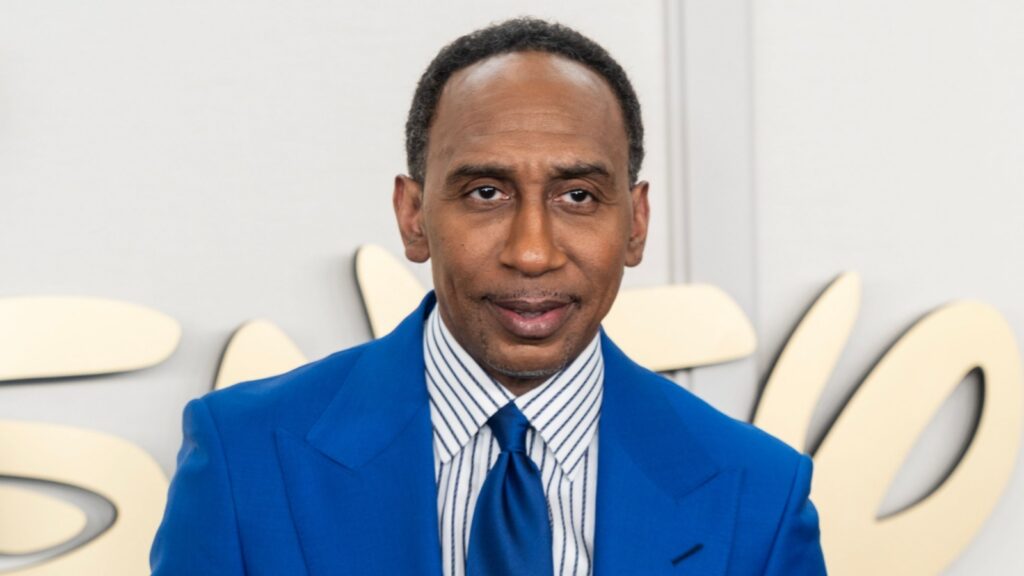
Smith’s argument is about more than one player or one rule. It raises a question about whether college sports should remain a developmental pathway or become a flexible option that athletes can return to when professional opportunities disappear.
The modern system makes that harder because college athletes now have access to NIL opportunities and direct financial benefits. If college football increasingly operates like a professional marketplace, the line between college and professional careers becomes harder to define.
Schools also have legitimate concerns about roster stability. Sudden eligibility changes can reshape recruiting plans, transfers and returning-player roles quickly.
Smith’s argument arrives at a pivotal moment
Smith has not argued that every older athlete should be removed from college sports. His position is narrower: distinguish athletes who merely test the professional market from those who actually become professionals, while keeping an age-based limit on extended college careers.
That distinction is now being tested by courts, conferences, and the NCAA simultaneously. The result is a system where the basic rule says five years, lawsuits can create exceptions, and conference policies can add another layer.
For college sports, the debate is no longer theoretical. The 2026 season is showing how eligibility decisions can affect rosters, coaching strategies and athletes’ careers, making Smith’s age argument part of a much larger fight over the modern college game.
Fun fact: Before becoming a major television personality, Smith hosted a late-night R&B radio show at Winston-Salem State called “Tender Moments.”
TL;DR
- Stephen A. Smith says age should not matter when determining how long athletes remain in college.
- He supports a path back for undrafted players who never played in the NFL.
- The NCAA adopted a five-year, age-based Division I eligibility model.
- Lawsuits involving 2022 graduates and former professionals have complicated the transition.
- LSU’s pursuit of former NFL players has become a major test of the new eligibility landscape.
If you liked this story, don’t forget to follow us for more exclusive content.
This article was made with AI assistance and human editing.
If you liked this, you might also like: