Stephen A. Smith faces journalism questions
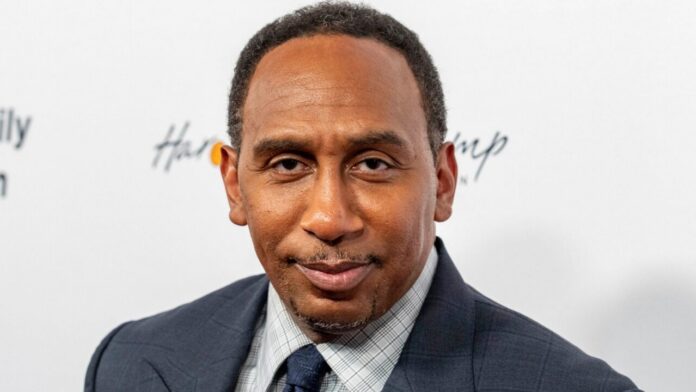
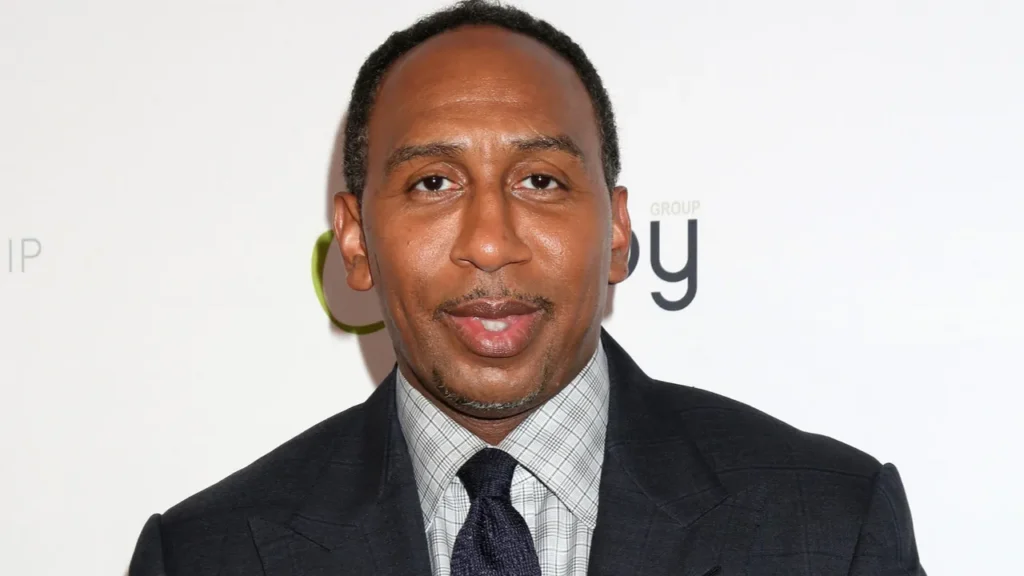
Stephen A. Smith remains one of ESPN’s most prominent personalities in 2026, while longtime colleague Michael Wilbon questions whether his current work still qualifies as journalism after years in television.
Wilbon argues that Smith no longer performs the daily reporting work he handled at The Philadelphia Inquirer. Smith responds that he still contacts sources, gathers information, and considers journalism his trade.

Michael Wilbon draws a reporting line
Michael Wilbon made his criticism during an August 6 appearance on the Awful Announcing Podcast. He said Smith had moved from traditional reporting toward becoming the central personality driving television debate.
Wilbon contrasted Smith’s current position with years spent on press rows, at practices, and inside locker rooms. His argument focused on daily reporting habits rather than questioning Smith’s earlier journalism experience.
Stephen A. Smith built newspaper credentials
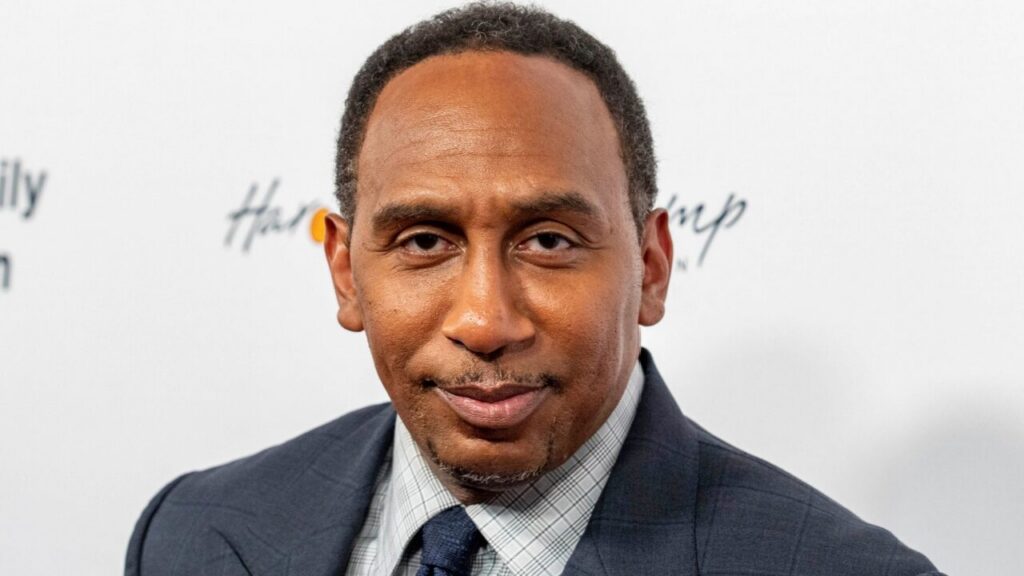
Stephen A. Smith began his career in newspapers before becoming a national television figure. He worked for several publications before joining The Philadelphia Inquirer, where he covered professional basketball extensively.
Smith worked as an NBA beat reporter and columnist before becoming a general sports columnist at the Inquirer. That reporting experience supports his argument that journalism remains part of his professional identity.
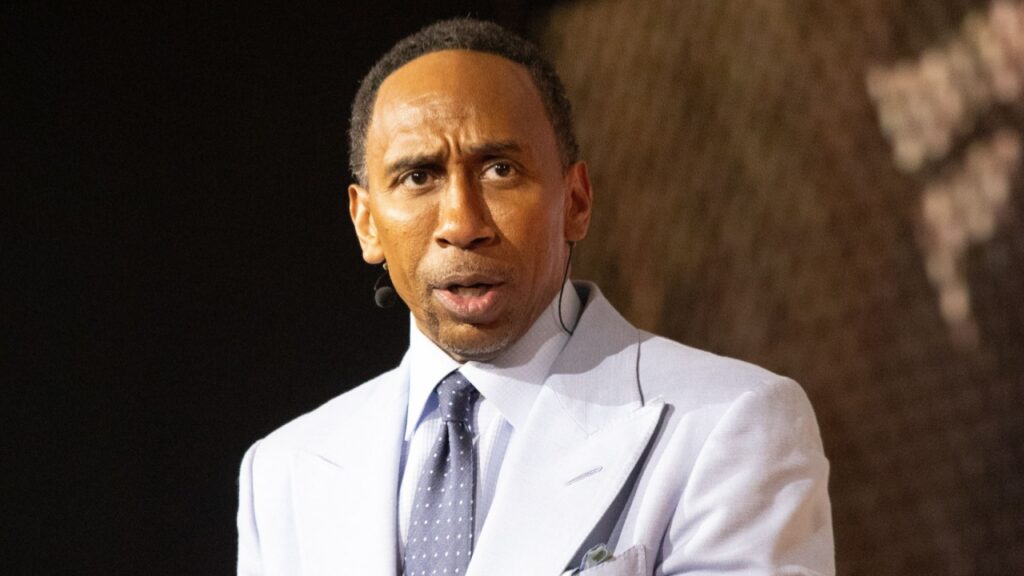
Stephen A. Smith defends his journalist label
Smith rejects the idea that leaving daily beat reporting erased his journalistic background. He says his responsibilities changed, while he still makes calls, maintains sources, and gathers information before discussing stories.
He also distinguishes being a journalist from working as a beat reporter. Smith no longer spends every day in locker rooms, but says reporting methods remain part of how he prepares commentary.

First Take posts a record audience
First Take averaged 517,000 viewers in 2025, setting a program record and increasing 6% from the previous year. ESPN reported strong year-over-year audience growth across several weekday studio programs that year.
Smith serves as a featured commentator and executive producer on First Take. His position gives him an on-camera role and production responsibilities on a program that recorded its largest average annual audience.
Stephen A. Smith reunites with Bayless
First Take drew 647,000 viewers when Skip Bayless returned as a guest in May 2026. That episode ran 24% above the program’s January through May weekday average and generated 33.5 million impressions.
The reunion also produced 22 million social views and 1.1 million engagements across ESPN platforms. Those figures show the episode generated substantial attention beyond its traditional television audience during the broadcast.
Stephen A. Smith expands beyond ESPN
Smith’s media role extends beyond ESPN through a multiyear SiriusXM agreement announced in June 2025. He hosts a weekday sports program and a separate weekly show covering current events and culture.
The SiriusXM expansion reflects how Smith’s career has moved beyond traditional sports reporting. His work now combines television debate, radio, interviews, executive production, and commentary across subjects beyond athletics.
Stephen A. Smith studies debate culture
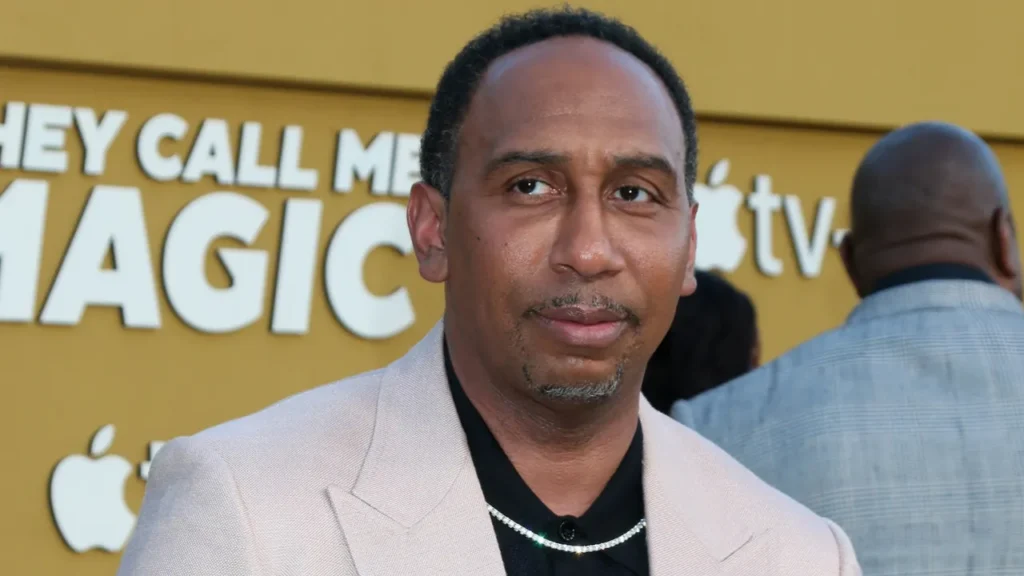
Smith executive-produced Up For Debate in 2024, a three-part ESPN series examining the evolution of sports discussion. The program traced debate culture from print journalism through television personalities and modern media.
The series also examined sports debate shows and the rise of personal media brands. Its subject parallels Smith’s career, which began in newspaper reporting before expanding into commentary, production, and other platforms.
Michael Wilbon questions his own label
Wilbon’s position carries added context because he has questioned whether he remains a journalist. In 2023, the longtime Washington Post columnist said he used to be one and questioned his current label.
Wilbon spent 31 years at The Washington Post before becoming best known for his television work. He has co-hosted Pardon the Interruption with Tony Kornheiser since the ESPN program launched in 2001.
Stephen A. Smith keeps Wilbon relationship
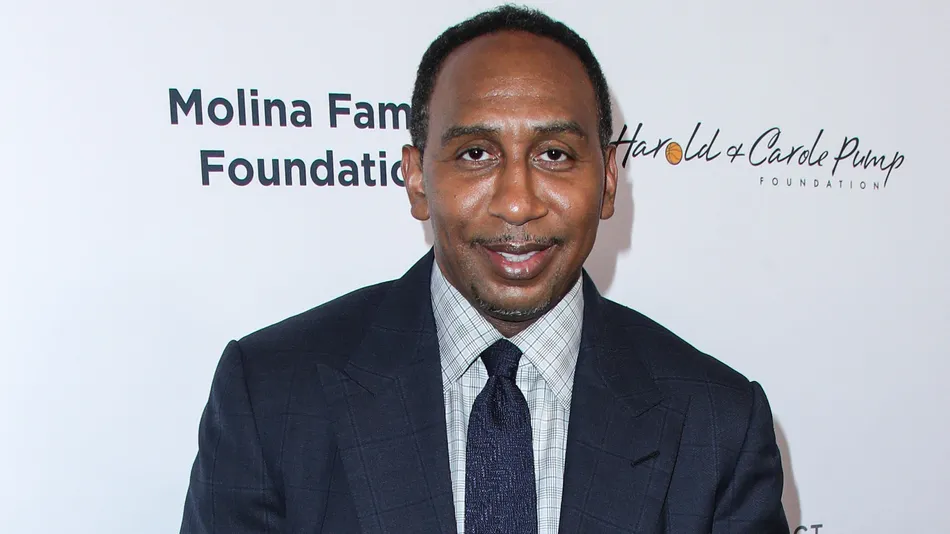
Wilbon and Smith continued working together despite their disagreement. Smith later brought his longtime colleague onto his program, where their conversation made clear that the dispute concerned professional labels, not friendship.
During that exchange, Wilbon praised Smith’s success and said he had built an empire. Their discussion showed agreement about Smith’s influence, while both men maintained different definitions of what modern journalism requires.
Fun fact: ESPN once broadcast First Take live from a yacht on New York’s East River, proving sports debate apparently travels well on water, too.
Stephen A. Smith faces wider criticism
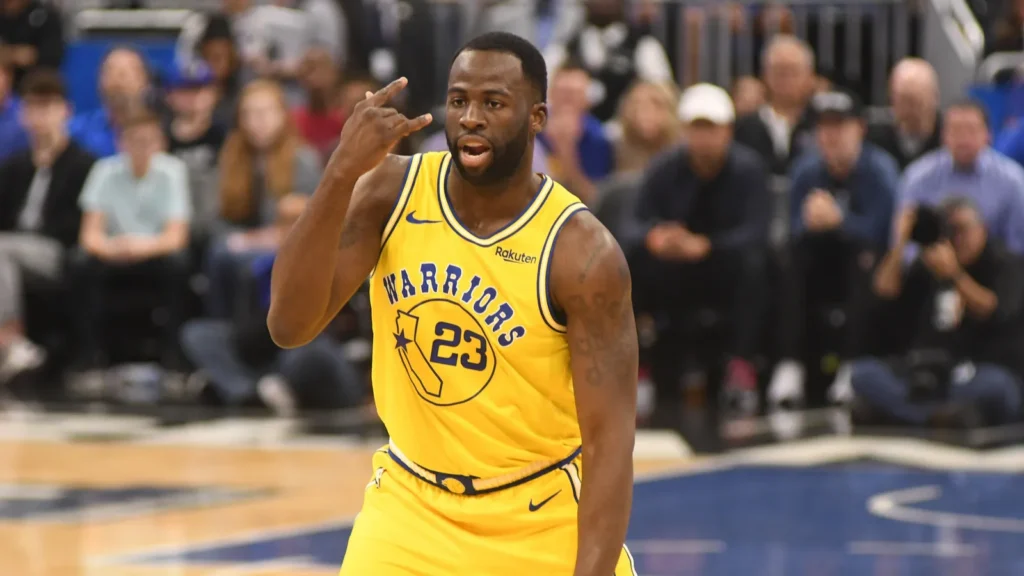
Criticism of Smith’s journalist label extends beyond Wilbon. In July 2026, Draymond Green questioned the description during a podcast conversation with former ESPN host Jemele Hill, citing limited locker-room reporting.
Smith responded by defending his reporting background and continued use of sources. The exchange preceded Wilbon’s August comments, showing that questions about Smith’s professional label had already surfaced elsewhere in sports media.
ESPN shows different formats can work
Pardon the Interruption averaged 679,000 viewers in 2025, making it ESPN’s most-watched weekday studio program. The show posted its strongest annual audience since 2019, up 5% from the previous year.
First Take averaged 517,000 viewers and recorded its largest annual audience. The figures show strong viewership for both PTI’s 30-minute discussion format and Smith’s longer morning debate program during 2025.
Three WNBA coaches have drawn criticism over comments about women’s sports, adding another debate around the league. Curious what they said and why the reaction grew? Explore the remarks and the response surrounding them.
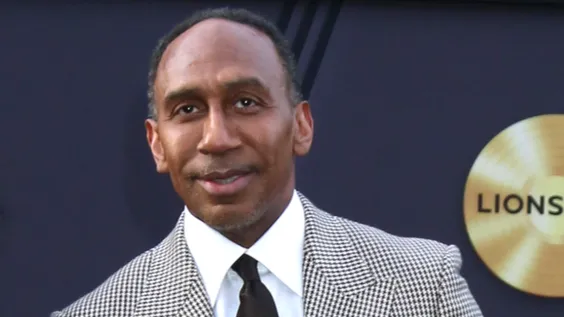
Stephen A. Smith holds broader media role
Smith holds an executive producer role on First Take, giving him responsibilities beyond appearing on screen. His career has expanded from newspaper reporting into television commentary, production, radio, and broader media work.
That range makes his current professional identity harder to define with one label. Smith remains connected to journalism through reporting experience and sourcing, while his daily work centers heavily on commentary and production.
Stephen A. Smith’s criticism raises questions about how the WNBA handles issues beyond basketball. Curious why he believes the league left itself open to political attacks? Dive into his argument and the wider context.
Stephen A. Smith still considers journalism part of his professional identity, while Michael Wilbon draws a sharper line between reporting and television commentary. Which definition makes more sense to you? Share your thoughts in the comments below!
This slideshow was made with AI assistance and human editing.
Read More From This Brand: