


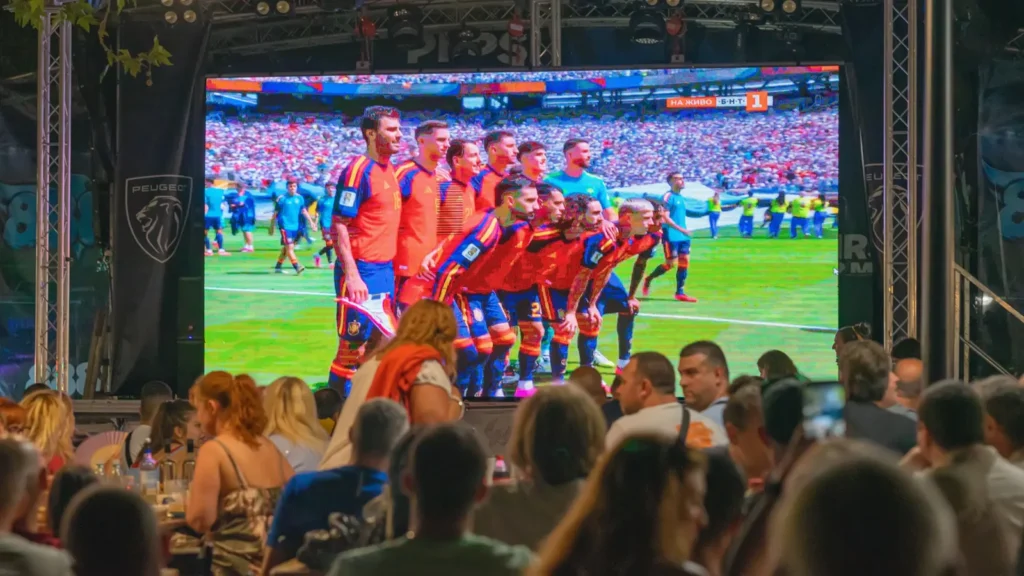
Major League Soccer gets a World Cup boost
Major League Soccer entered the 2026 World Cup with growing audiences and 30 clubs positioned to capture new interest afterward. League play resumed on July 16 following a scheduled pause that began on May 25.
MLS reported 7.9 million live match viewers per week through May, up 62% year-over-year. The league also recorded more than 4.8 million stadium visits during the opening three months of the 2026 season.

Major League Soccer reaches more TV viewers
Major League Soccer benefited from record-setting U.S. soccer television audiences during the World Cup. Final Nielsen figures showed the United States’ July 6 match against Belgium averaged 33.09 million viewers on FOX and peaked at 41.03 million.
That surpassed the previous single-network soccer record of 26.395 million viewers for the United States’ match against Bosnia and Herzegovina. The July 19 Spain-Argentina final later set a new single-network U.S. soccer record on FOX with 38.94 million viewers. The scale of those audiences gave MLS a large national audience to target after league play resumed.

Major League Soccer launches a major campaign
Major League Soccer launched its largest coordinated marketing campaign on July 13, just before regular-season matches returned. All 30 clubs joined the effort to convert World Cup attention into continued interest in local teams.
MLS said 22 clubs offered complimentary tickets to first-time attendees through the campaign. Forbes reported that every club committed at least $500,000, giving the league a coordinated push across markets after the tournament.

Major League Soccer draws near record crowds
Major League Soccer entered the World Cup pause with strong stadium demand. MLS reported average attendance of 22,109 through May, while more than 4.8 million fans attended matches during the season’s opening three months.
Major League Soccer sends 45 players
Major League Soccer sent a record 45 players to the 2026 World Cup, giving domestic clubs direct representation across national teams. That presence connected MLS players with the tournament’s large television and stadium audiences.
MLS also said all 13 World Cup host markets in the United States and Canada had league clubs. Five MLS stadiums hosted matches, while 14 MLS or MLS Next Pro clubs supported team-based camps.

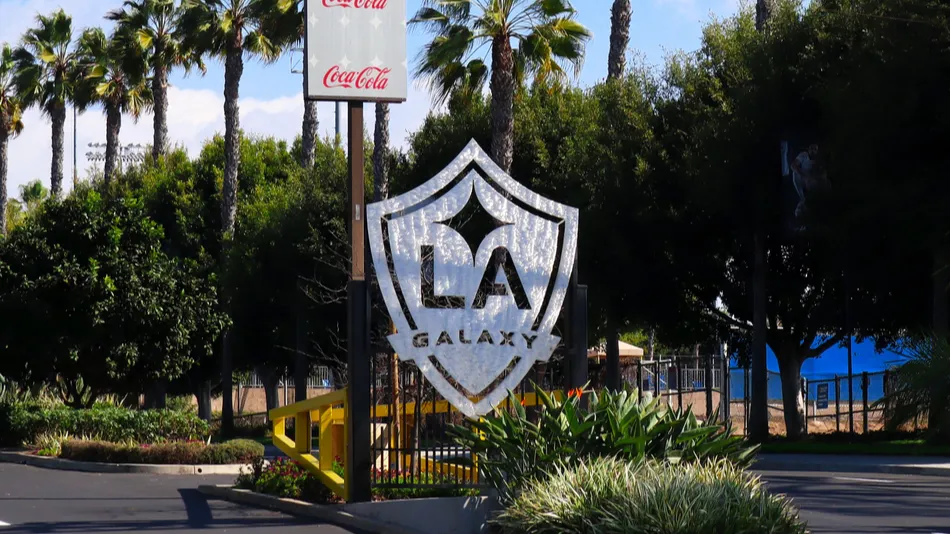
Major League Soccer returns with a sellout
Major League Soccer returned from its World Cup pause with a sold-out Los Angeles rivalry on July 17. LA Galaxy announced that every available ticket had been sold for its home match against LAFC.
The match drew 24,325 spectators and was nationally distributed on Fox networks and Apple TV. The event gave MLS a high-visibility rivalry immediately after league play restarted during the World Cup’s closing week.

Major League Soccer gains from Messi
Major League Soccer gained added global exposure through Lionel Messi, who captained Argentina during the 2026 World Cup while playing for Inter Miami. His presence continued to link the league with international audiences and sponsors.
Forbes estimated Inter Miami generated $200 million in revenue last season, compared with $56 million in 2022 before Messi arrived. The publication valued the club at $1.35 billion in 2026, the highest among MLS teams.

Major League Soccer values keep climbing
Major League Soccer club values have risen sharply during the league’s expansion era. Forbes estimated the average franchise value at $731 million in 2026, up from $185 million about a decade earlier, based on its valuation data.
Forbes also placed 7 MLS teams among the world’s 30 most valuable soccer clubs. Its analysis showed the league averaged an 8.9x revenue multiple, increasing pressure for future income growth to support current valuations.
Major League Soccer expands its footprint
Major League Soccer expanded its physical footprint after North America secured hosting rights for the 2026 World Cup. Reuters reported the league added 7 clubs and 9 soccer-specific stadiums during the period that followed.
San Diego paid a record $500 million expansion fee before joining MLS in 2025. Forbes reported that 7 of the 12 expansion clubs added over the previous 11 years ranked among the league’s 10 most valuable.

Major League Soccer widens Apple TV access
Major League Soccer widened access in 2026 by placing all 510 regular-season matches on Apple TV. The service made every game available to subscribers in more than 100 countries and regions, without local blackouts.
MLS also retained national television exposure through Fox Sports, which scheduled 34 regular-season matches in the United States. That package included 15 games on FOX and 19 on FS1, with Spanish coverage on Fox Deportes.
Fun fact: MLS exists partly because of a World Cup. The league was created after the United States hosted the 1994 tournament, making 2026 something of a full-circle moment.
Major League Soccer changes its calendar
Major League Soccer will change its calendar after the 2026 season to align more closely with major international leagues. A 14-match sprint season will run from February through April 2027 before the full transition.
The first full summer-to-spring MLS season will begin in summer 2027. The new structure places the league closer to international transfer windows and leaves more summer space for major national team competitions.

Major League Soccer picks its next leader
Major League Soccer selected Larry Berg to succeed Don Garber as commissioner on January 1, 2027. Reuters reported that Berg plans to focus on improving on-field quality, strengthening player development, and converting World Cup interest into lasting fandom.
Berg highlighted academies and MLS NEXT Pro as pathways for developing young players into first teams. Reuters also reported that 16 of the league’s 30 clubs had private equity backing when his appointment was announced.
With FIFA president Gianni Infantino facing closer scrutiny over executive authority, football leaders are considering how governance could change. Curious what limits are being discussed? Explore the proposals that could reshape the FIFA president’s powers.

Major League Soccer can use the Open Cup
Major League Soccer can extend World Cup interest through the domestic cup competition. The U.S. Open Cup was first contested during the 1913–14 season, crowned its first champion in 1914, and remains open to affiliated professional and amateur clubs.
The 2025 tournament included 16 of the 27 U.S.-based MLS clubs. Larry Berg has emphasized the value of consequential, high-stakes games, while the Open Cup offers single-elimination competition across levels of American soccer.
With pressure mounting around FIFA president Gianni Infantino, questions over football leadership are becoming harder to ignore. Curious what regional powerhouses are considering next? Explore the historic no-confidence vote that could reshape FIFA’s direction.
Did the 2026 World Cup make you more interested in watching Major League Soccer, or will the league need more than one summer to keep new fans engaged? Share your thoughts in the comments below!
This slideshow was made with AI assistance and human editing.
Read More From This Brand: