
Super Bowl halftime shows have transformed from simple intermissions into cultural events that captivate millions worldwide.
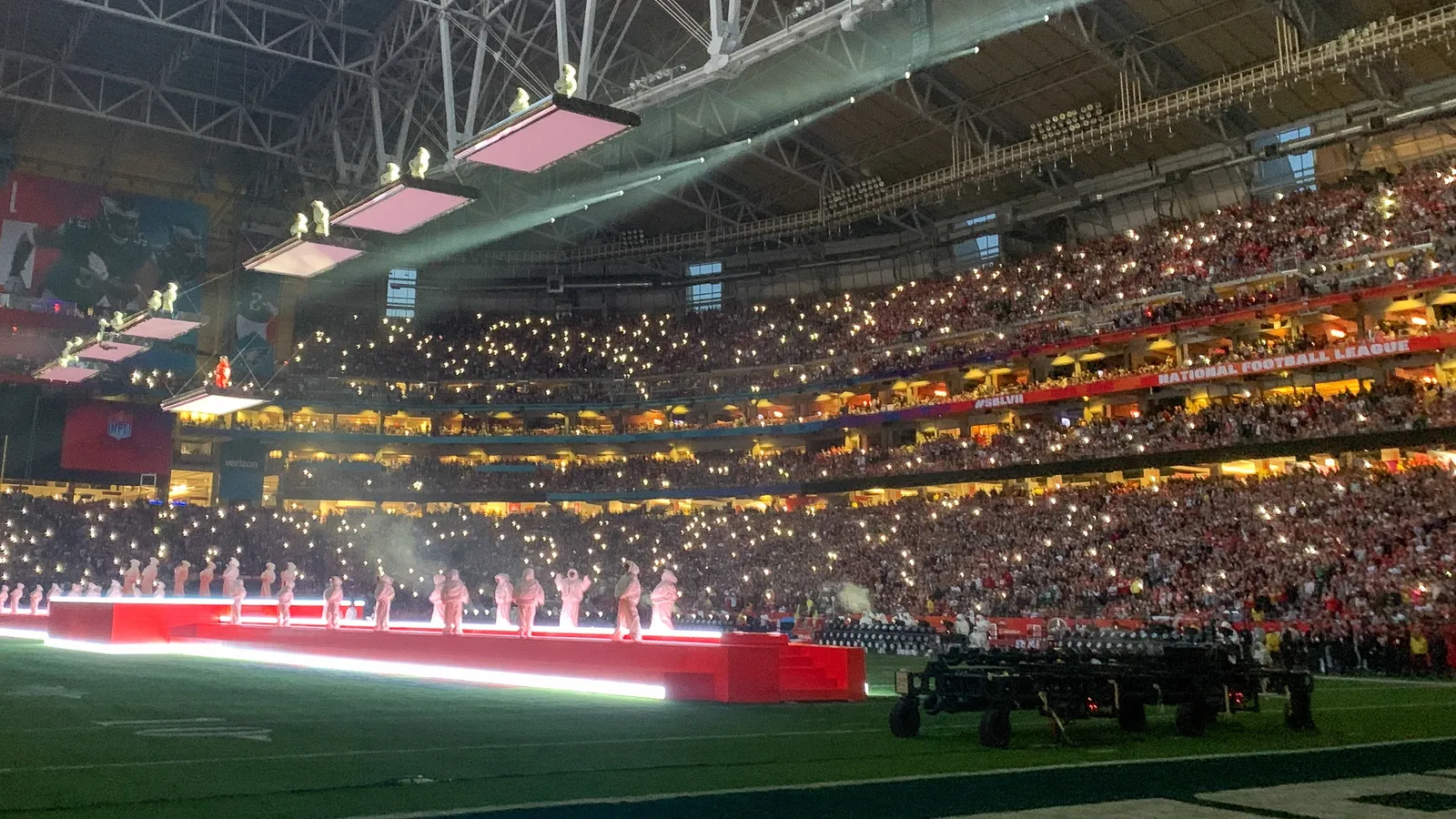
What started as modest marching band performances in 1967 has grown into spectacular productions that often rival the game itself. These 12-minute spectacles now serve as platforms for artistic expression.
The halftime show reflects broader shifts in American entertainment, technology, and social consciousness. Whether you love them or critique them, these performances have become an undeniable part of Super Bowl culture.
Let’s explore how halftime shows evolved into the cultural phenomena they are today.
The Humble Beginnings with Marching Bands
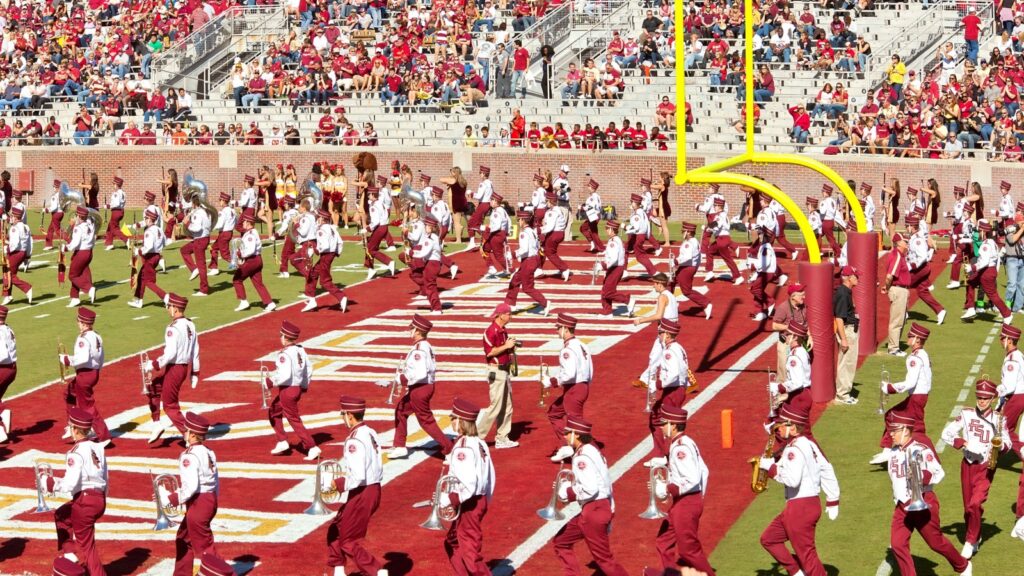
Early Super Bowl halftime shows featured college marching bands and patriotic pageantry.
The first Super Bowl in 1967 showcased university marching bands, jetpack demonstrations, and released pigeons into the sky. These wholesome performances reflected America’s straightforward entertainment values during that era. The shows remained simple and inexpensive throughout the initial decade of Super Bowl history.
College bands dominated halftime entertainment well into the 1970s and early 1980s without any major pop culture influence. The group Up with People performed at four different Super Bowls between 1976 and 1986, delivering messages of unity and harmony. Their 1986 show cost the NFL $1 million to produce, marking the first time production expenses reached that milestone for halftime entertainment.

Michael Jackson Changes Everything in 1993
The King of Pop transformed halftime shows from forgettable breaks into must-watch television.
Michael Jackson’s 1993 performance at Super Bowl XXVII became the first halftime show to attract more viewers than the game itself. He drew 133.4 million viewers, marking the first time viewership increased between halves rather than declining. Jackson stood motionless for nearly two minutes before launching into hits like Billie Jean and Black or White.
The NFL desperately needed a ratings boost after Fox’s In Living Color drew 22 million viewers away during the previous year’s halftime. Jackson’s electric performance established the template every future halftime show would follow, proving pop superstars could command massive audiences. His appearance also boosted sales of his Dangerous album by 83 percent in the following week, demonstrating commercial value for artists.
Beyoncé’s Black Panther Tribute in 2016
Queen Bey used the Super Bowl stage to make a powerful statement about Black identity.
Beyoncé’s 2016 performance of Formation became one of the most politically charged halftime moments in history. Her backup dancers wore Black Panther-inspired berets and formed an X shape on the field representing Malcolm X. The performance coincided with the 50th anniversary of the Black Panther Party’s founding in the Bay Area.
Conservative critics, including former New York Mayor Rudy Giuliani, accused Beyoncé of being anti-police and divisive. A BoycottBeyonce movement emerged on social media, though supporters countered with IStandWithBeyonce hashtags. The performance sparked national conversations about Black Lives Matter, police violence, and whether entertainment should address social justice.
The Age of Safe Rock Legends
Following the 2004 controversy, the NFL played it safe with classic rock acts.
For six years after the Janet Jackson incident, the NFL exclusively featured older rock artists from the 1960s through the 1980s. Paul McCartney, The Rolling Stones, Prince, Tom Petty, and Bruce Springsteen all took the halftime stage during this period. These performances were designed to avoid controversy and appeal to family-friendly audiences across generations.
Prince’s 2007 performance in actual pouring rain became one of the era’s most memorable moments despite the conservative approach. The NFL gradually loosened its restrictions after 2011, when the Black Eyed Peas returned contemporary pop music to halftime. This marked the end of what many called the reactionary era in Super Bowl halftime show history.
The NFL Partnership with Roc Nation
Jay-Z’s entertainment company transformed how halftime performers are selected.
In 2019, the NFL partnered with Jay-Z’s Roc Nation to serve as the league’s live music entertainment strategist. This collaboration shifted focus toward cultural relevance and diversity in performer selection. Roc Nation became co-producers and consultants, helping choose entertainers who could deliver both spectacle and meaningful cultural moments.
The partnership has produced some of the most talked-about halftime shows in recent memory. Performances by Shakira and Jennifer Lopez, The Weeknd, and the 2022 hip-hop showcase featuring Dr. Dre have all occurred under Roc Nation’s guidance. The company’s influence has helped the NFL navigate changing cultural landscapes and reach younger, more diverse audiences.
Halftime Shows as Cultural Platforms
Modern performances blend entertainment with social commentary and identity politics.
Artists increasingly use the Super Bowl stage to make statements about immigration, racial justice, and cultural pride. Jennifer Lopez’s 2020 show featured children in cages referencing border detention policies. Kendrick Lamar’s 2025 performance incorporated Black storytelling and historical references while President Trump watched from his seat.
These moments generate intense debate about whether entertainment should remain politically neutral or reflect contemporary social issues. The halftime show’s massive global audience makes it an irresistible platform for artists wanting to amplify important messages. The NFL walks a delicate line between allowing artistic expression and maintaining broad commercial appeal.
Bad Bunny Makes History in Spanish
The 2026 halftime show featured the first primarily Spanish-language performance in Super Bowl history.
Bad Bunny performed almost entirely in Spanish at Super Bowl LX, drawing 128.2 million viewers and becoming the fourth most-watched halftime show ever. The performance celebrated Puerto Rican culture with sugar cane fields, palm trees, and references to the island’s struggles. His selection sparked controversy from conservative groups who organized a counter-programming event featuring Kid Rock.
The show set Spanish-language viewership records, with Telemundo averaging 4.8 million viewers during the halftime performance. Bad Bunny climbed electrical poles referencing Puerto Rico’s power grid struggles after Hurricane Maria. He included guest appearances from Lady Gaga and Ricky Martin while listing countries across the Americas to emphasize continental unity.
Viewership and Commercial Impact
Halftime shows now regularly draw more viewers than the games they interrupt.
Recent halftime performances have consistently attracted over 120 million viewers, with some exceeding the game’s audience. Kendrick Lamar’s 2025 show drew 133.5 million viewers compared to 127.7 million for the actual game. This viewership phenomenon demonstrates how halftime has become an event unto itself rather than mere intermission entertainment.
Artists experience massive commercial benefits despite receiving no appearance fees from the NFL. Streaming numbers, album sales, and concert ticket demand all surge dramatically following Super Bowl performances.
TL;DR
- Super Bowl halftime shows evolved from marching bands in 1967 to global entertainment spectacles featuring major artists.
- Michael Jackson’s 1993 performance revolutionized halftime entertainment by attracting more viewers than the game itself.
- The 2004 Janet Jackson wardrobe malfunction led to stricter broadcast standards and six years of conservative programming.
- Recent shows have become platforms for cultural expression, featuring performances about race, immigration, and identity.
Read More:
- Bad Bunny at the Super Bowl excites some NFL players but confuses others
- The Business Behind Super Bowl Commercials
- What NFL Wild Card games reveal about team identity
This article was made with AI assistance and human editing.