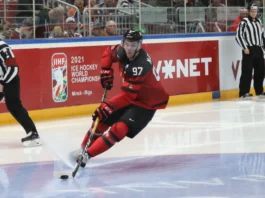

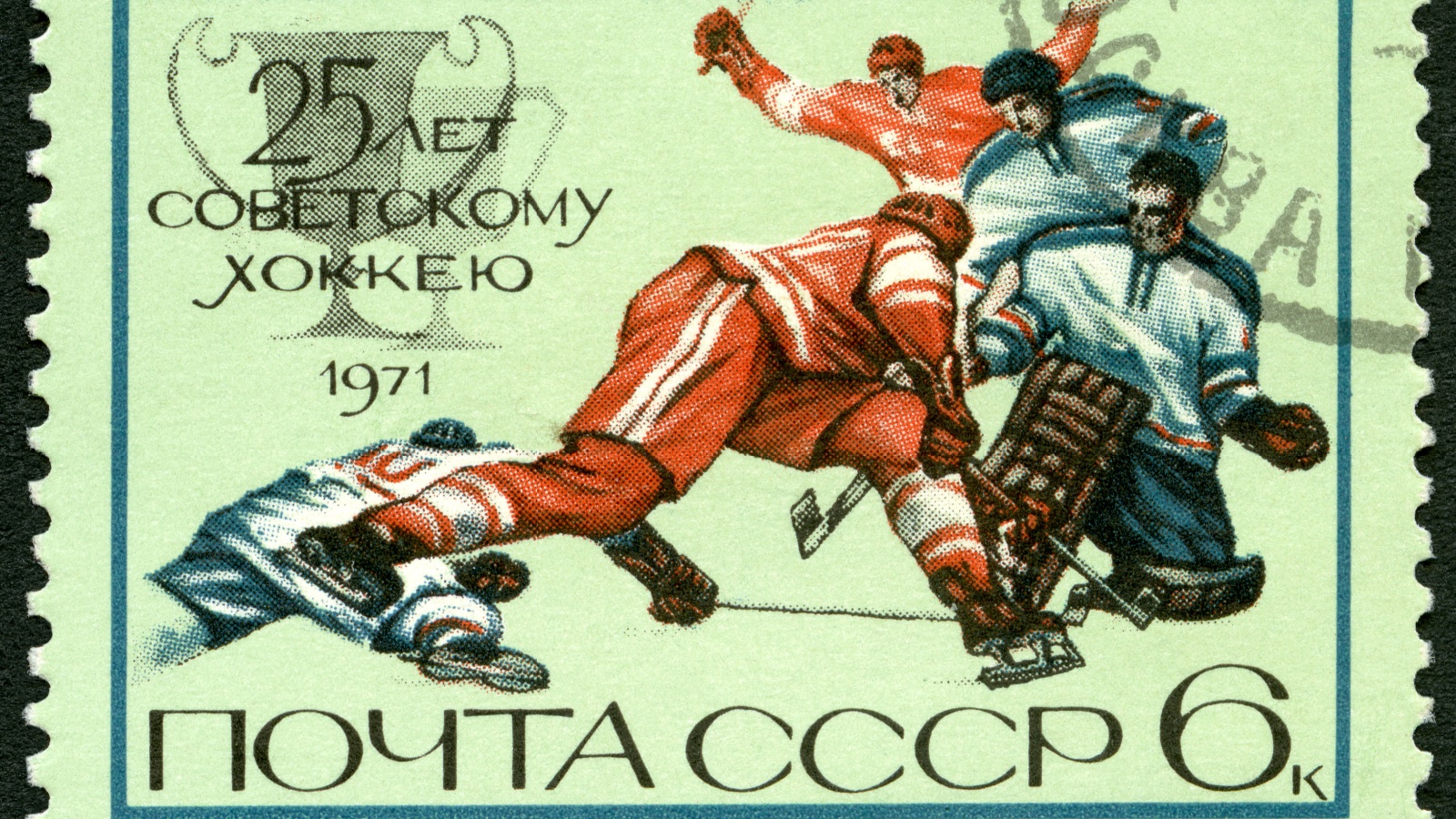
Ice hockey in North America, especially in the National Hockey League, has gone through major changes over the last several decades.
The rough, physical style that once defined the sport has slowly blended with a more skillful and team-driven way of playing. Much of this shift can be traced back to the Soviet Union’s national hockey program.
In the mid-1900s, the Soviets created a new vision of the sport that focused on teamwork, smooth passing, puck control, and smart movement. Over time, their ideas began to influence NHL players, coaches, and teams.
This article explains how that happened, why it mattered, and how the Soviet approach reshaped the modern style of hockey we see today.
The Origin of the Soviet Hockey Style
How the Soviet System Started
The Soviet hockey program began after World War II when the country wanted to create a strong and successful national team. Instead of copying the physical North American game, Soviet coaches built their own system based on discipline, creativity, and teamwork.
One of the most important leaders was Anatoli Tarasov, who is often called the father of Russian hockey. He believed that hockey should be played with skill, balance, rhythm, and complete unity.
Tarasov introduced training methods that were different from anything used in North America. Players spent long hours on the ice but also trained off the ice with drills that improved balance, coordination, and timing.
Some training even used movements inspired by dance to help players glide, turn, and move smoothly as a unit. These ideas were designed to help players skate better, pass more accurately, and think more quickly during games.


A Style Built Around Teamwork
The Soviet hockey style was not about big hits or fighting. Instead, it was centered on puck control and staying in motion. Soviet teams tried to keep the puck for as long as possible, pass it around until they found an opening, and then strike at the perfect moment.
Coaches pushed players to understand where their teammates were going to be at all times so that everything on the ice looked connected. This focus on teamwork and movement made their play look smooth and controlled, unlike the more forceful North American approach.
The training was also extremely demanding. Soviet players practiced often and did many types of physical conditioning. They trained as a group and worked together on patterns of movement that became a trademark of their style. The hard training paid off because the Soviets became one of the strongest hockey nations in the world for many years.
Success on the International Stage
The results of the Soviet system were clear. From the 1950s through the 1980s, Soviet teams won many world championships and Olympic medals.
Their dominance proved that their style was not just an interesting experiment.
It was a winning formula that brought real results. Their success also started to draw attention from North American fans who were curious about how a team could win with speed and patience instead of only physical strength.
When the World Saw the Soviet Style
The Shock of the 1972 Summit Series
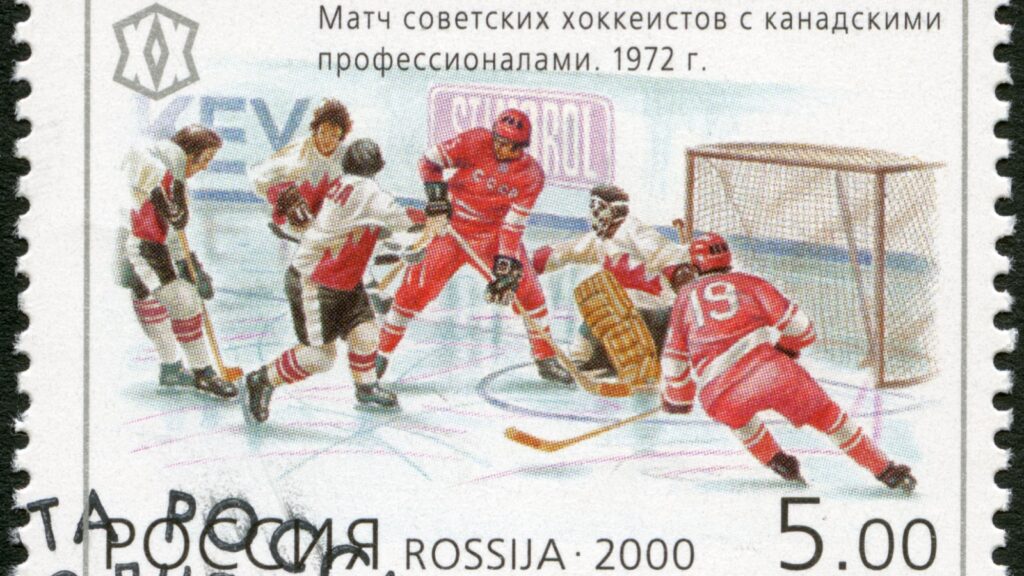
One of the biggest turning points came in 1972 during the Summit Series. This was an eight-game matchup between the best Canadian professional players and the Soviet national team.
Many expected Canada to win easily, but the Soviets surprised everyone with their fast skating, smart passing, and completely disciplined approach. Canadian players and fans realized that the Soviets played a style unlike anything they had seen before.
The Summit Series showed the world that the Soviet system was powerful. It also showed many NHL coaches that the old way of relying mostly on strength and toughness had limits. This series opened the door to new ideas that would eventually enter the NHL.
The Super Series and NHL Exposure
After the Summit Series, Soviet club teams began traveling to North America to play exhibition games against NHL teams. These matchups, known as the Super Series, continued through the late 1970s and into the 1980s.
The games gave NHL fans a close look at how Soviet hockey worked. Even when Soviet teams played in unfamiliar arenas, their style stood out. They passed quickly, moved as a single unit, and played with a level of control that surprised many people.
These games helped spread the idea that hockey could be played with intelligence and skill, not just brute force. Little by little, coaches, scouts, and players started paying more attention to European methods.
How Soviet Influence Changed the NHL
The Arrival of Soviet Trained Players
For many years, Soviet players were not allowed to leave the country.
That changed near the end of the 1980s when some players began joining the NHL. One of the first major stars to arrive was Alexander Mogilny, who left the Soviet system in 1989 and joined the Buffalo Sabres. His move opened the door for many others who followed in the early 1990s, especially after the Soviet Union collapsed.
These players brought the habits they learned in the Soviet program. They valued puck control, clean passing, and smart positioning. Their presence in the NHL began to change how teams played. Coaches noticed that these players could create scoring chances without relying on heavy hits or constant dumping of the puck into the corners.
The Impact of the Russian Five
One of the most famous examples of Soviet style influencing the NHL came from the Detroit Red Wings.
In the mid-1990s, the Red Wings put together a group of five Soviet trained players known as the Russian Five. The group included Sergei Fedorov, Igor Larionov, Vyacheslav Kozlov, Viacheslav Fetisov, and Vladimir Konstantinov.
Instead of forcing them to adapt to the traditional North American style, Detroit allowed them to play the way they were trained. This meant keeping the puck, moving constantly, and making quick, smart passes. The results were impressive.
In the 1995 to 1996 season, Detroit earned a record 62 wins. Shortly after, the team won the Stanley Cup in 1997 and then again in 1998. The Russian Five played a major role in these victories.
Their success proved to the entire NHL that the Soviet style was not only beautiful to watch but also highly effective at the highest level of play. Other teams began studying the Red Wings and looking for ways to add similar elements to their own strategies.
A New Direction for the NHL
As more Soviet trained players and other European players entered the league, NHL teams slowly changed their way of playing. Coaches began teaching better skating, better positioning, and more organized puck movement.
Teams focused more on possession and keeping control of the game instead of just dumping the puck and chasing it. Training methods also changed, with a stronger focus on conditioning and skill building rather than only strength.
The modern NHL is now faster and more creative than it was decades ago. While physical play still has a place in the game, the league has adopted many ideas that came from the Soviet system. Teamwork, smart decision-making, and smooth puck movement are now central parts of NHL hockey.
Frequently Asked Questions
Was Soviet hockey only about passing and speed
No. While passing and speed were important, Soviet hockey also required strong defense, high conditioning, and careful positioning. The system was built on discipline and smart play, not just flashy movement.
Why did the NHL take so long to adopt Soviet ideas
For many years, the Soviet Union and the NHL had very little contact. Soviet players were not allowed to join the NHL, and international games were rare. North American hockey had a strong identity that focused on toughness, so there was not much exposure to new ideas until events like the Summit Series and the Super Series.
Did early Soviet players in the NHL face criticism
Yes. Some fans and coaches at the time believed these players were not physical enough. Their patient style looked unusual compared to the fast shooting, hard-hitting North American approach. As these players found success, opinions slowly changed.
Is today’s NHL mostly Soviet style hockey
Not exactly, but many elements of Soviet hockey have become normal in the league. Teams today use more skill, better movement, and smarter puck control than in the past. The modern NHL is a blend of physical play and skill-based strategy.
Conclusion
• The Soviet hockey system introduced a new way of thinking about teamwork and puck control
• International matchups helped North American fans and players see the power of this style
• Soviet trained players who joined the NHL brought their habits and techniques with them
• The Detroit Red Wings’ Russian Five proved that Soviet style hockey could win championships
• Modern NHL teams now mix physical play with speed, positioning, and smart puck movement
Read More:
- How NHL Expansion Has Changed the Game’s Geography
- NHL Trades That Changed Hockey Forever
- Unforgettable Olympic Hockey Moments For Team USA
This article was made with AI assistance and human editing.