





The NFL broke its kickoff routine
The NFL broke from its familiar Thursday kickoff tradition, but the unusual scheduling decision quickly became more than a calendar curiosity. Seattle’s 13-10 comeback over New England turned the league’s Wednesday experiment into a night of injuries, turnovers and late drama.
Now that the opener is in the books, the bigger question is whether the NFL’s unusual approach could become part of its future scheduling strategy.
Why the NFL moved kickoff
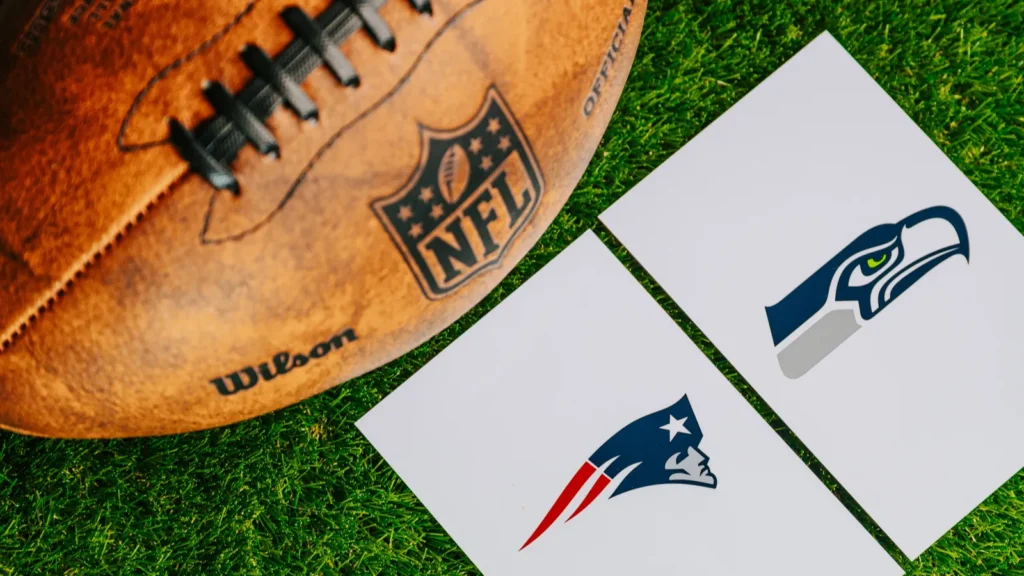
The Wednesday opener was not a random experiment by the NFL. The league moved the Seahawks-Patriots game forward because San Francisco and Los Angeles were scheduled to play the following night in Melbourne, Australia.
That international matchup created a complicated Week 1 calendar puzzle. Starting Seattle on Wednesday preserved two prime-time showcases while giving the first Australian regular-season game a dedicated Thursday U.S. window.
A rare break from NFL history
The unusual scheduling decision stood out because the NFL last opened a season on Wednesday in 2012, when the New York Giants hosted the Dallas Cowboys. That game was moved from Thursday to avoid a conflict with President Barack Obama’s speech at the Democratic National Convention.
Since 2002, the NFL Kickoff Game has been played on Thursday except in 2012 and 2026. The defending Super Bowl champion has traditionally hosted the opener, making Wednesday a clear break from the established routine.
Australia changed the calendar
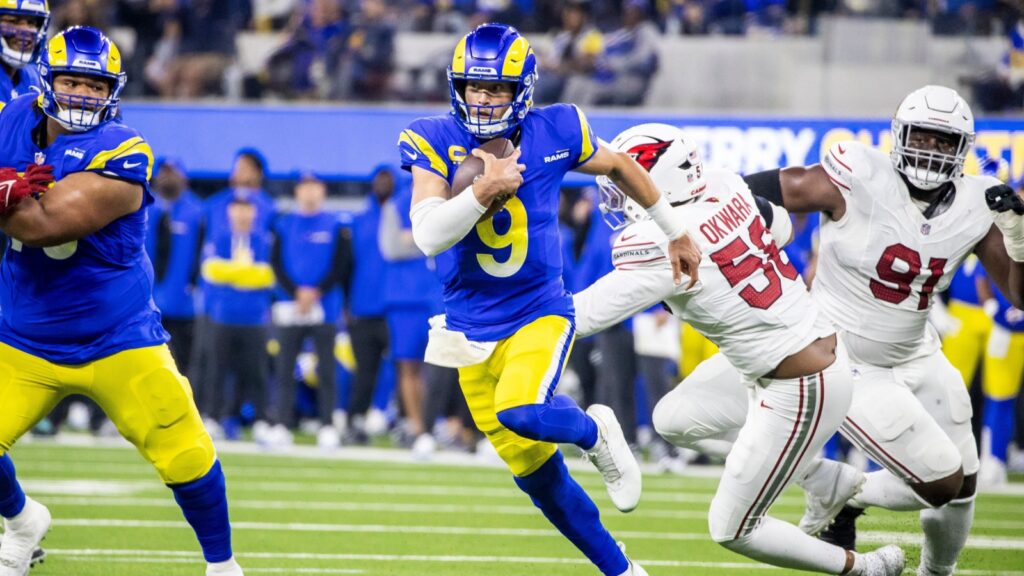
The unusual date was driven by the NFL’s international schedule. The league placed the Rams and 49ers in Melbourne on Thursday, Sept. 10, while the defending champion Seahawks opened the season the previous night in Seattle.
The Rams and 49ers played Friday morning local time in Melbourne, which translated to Thursday evening in the United States. The scheduling choice allowed both games to receive their own standalone national windows.
Fans had to relearn kickoff night
Fans quickly focused on the simple question: why Wednesday? The NFL leaned into the novelty, repeatedly reminding audiences through promotional messaging and broadcast advertising that football would begin earlier.
That promotion showed the league understood the schedule could catch people off guard. For viewers accustomed to Thursday Night Football beginning the season, Wednesday required a mental reset before the first meaningful snap.
The Super Bowl rematch split opinion
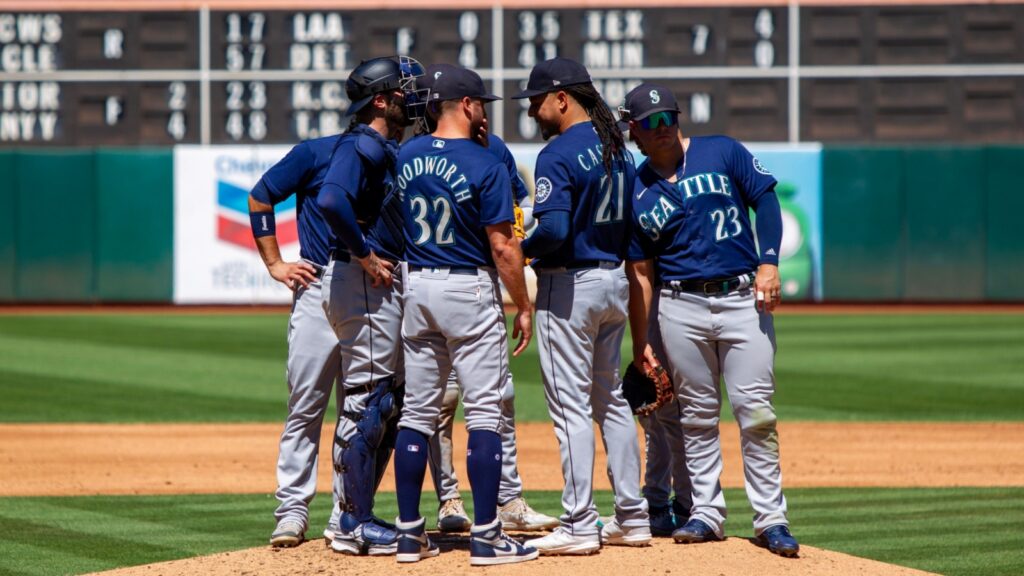
The matchup added intrigue because Seattle and New England had just met in Super Bowl LX. Seattle entered as defending champion, while New England returned after reaching the championship game the previous season.
Some fans welcomed the rematch because it guaranteed recognizable contenders and a championship storyline. One fan called the Wednesday start “fascinating,” while others questioned the matchup’s appeal so soon.
Wednesday football drew mixed reactions
Online reactions showed the opener was not universally embraced. Some fans celebrated the Wednesday kickoff, while others mocked the schedule and questioned the appeal of a Super Bowl rematch.
The criticism centered less on football than on presentation and timing. A Wednesday start disrupted the familiar NFL rhythm, with some critics arguing the league prioritized scheduling flexibility over tradition for opening night.
A work night became part of the debate
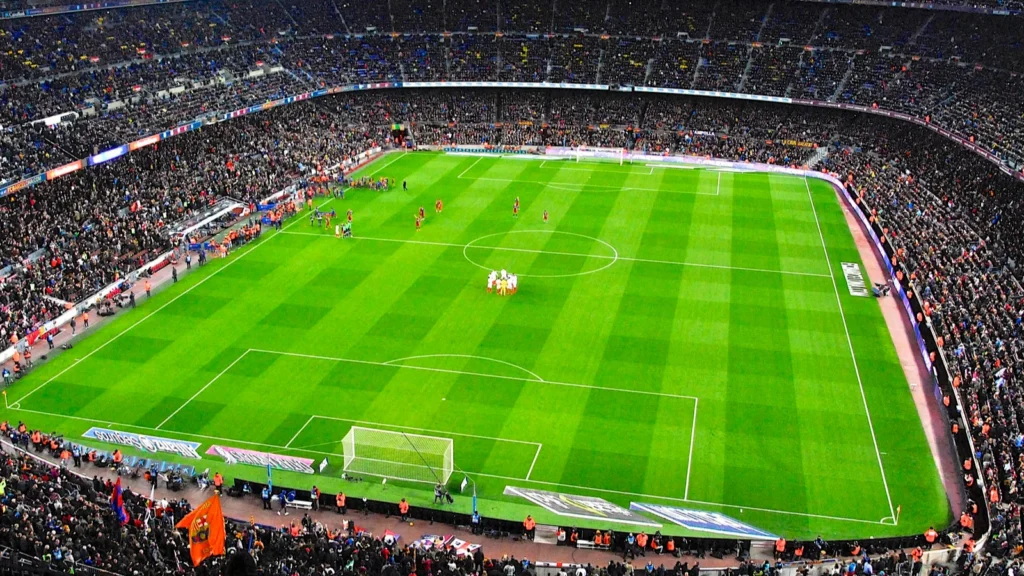
The game raised a practical issue: Wednesday is a work and school night for many viewers. An 8:20 p.m. ET kickoff could run late for audiences facing Thursday morning commitments.
That concern helped explain why the opener generated discussion beyond hardcore football circles. The NFL gained an extra standalone event, but some viewers wondered whether changing a beloved tradition was worth the inconvenience.

The broadcast became part of the story
The broadcast became part of the conversation too. Because the opener was unusual, the league and television partners emphasized the Wednesday date repeatedly, turning the scheduling quirk into part of the event’s identity.
That strategy had an upside: almost nobody could claim the date was a secret. But it also amplified debate, reinforcing how different the 2026 kickoff felt from the Thursday tradition.
The game itself delivered drama
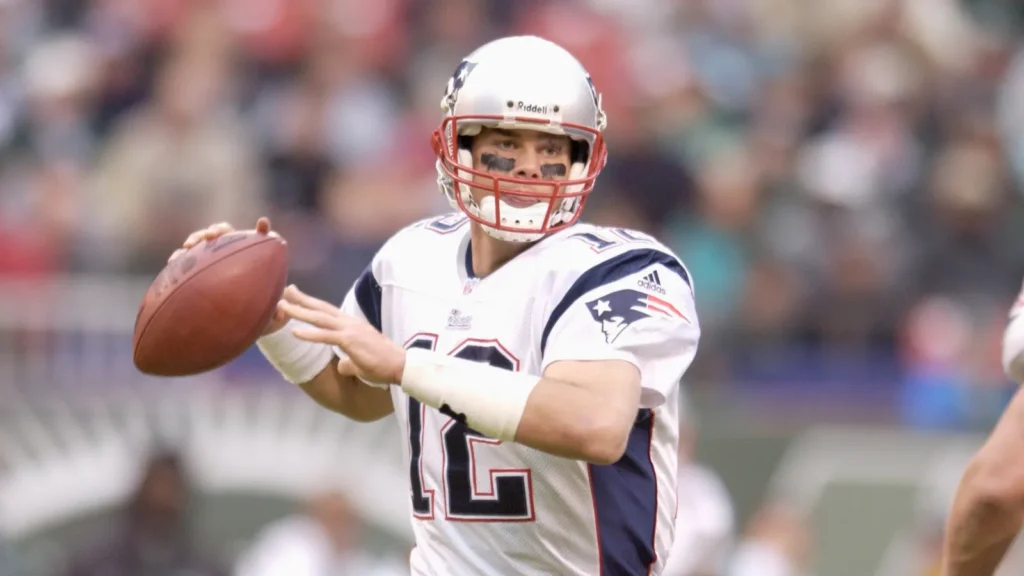
Once the game began, the unusual date took a back seat to the action. Seattle defeated New England 13-10 after a late defensive stand, turning the rare opener into a competitive finish.
The Patriots had a chance late, but Drake Maye threw 3 interceptions in the fourth quarter. Seattle rallied from a 10-0 deficit to give the defending champions a winning start at home.
Interesting fact: The NFL’s last Wednesday season opener before 2026 was in 2012, when the Giants hosted the Cowboys. The league moved the game from Thursday to avoid a scheduling conflict with President Barack Obama’s Democratic National Convention speech.
Hype and performance did not fully match
The result created an awkward contrast between hype and performance. A Super Bowl rematch sounded like a blockbuster opener, but the 13-10 score reflected a tightly contested game rather than an offensive showcase.
That disconnect fueled more negative reaction. Fans expecting a statement game instead watched a low-scoring contest decided late, giving critics another reason to question its prime-time opening slot.
The NFL had a bigger global plan
The NFL’s unusual Wednesday opener came as the league prepared for its first regular-season game in Australia. San Francisco and the Los Angeles Rams met in Melbourne on Sept. 10, part of the NFL’s 2026 international schedule.
The league is playing 9 regular-season games outside the U.S. this season, showing how international expansion is becoming a bigger part of the NFL’s schedule.
NFL scheduling is changing fast
The lesson is that NFL scheduling is becoming increasingly global and flexible worldwide. International games, streaming partnerships, television windows, and calendar restrictions now influence decisions that once seemed automatic to American fans.
For viewers, traditional NFL routines may continue to change in future seasons. The Wednesday opener showed how the league can reshape familiar rituals for its broader global expansion strategy.
“Not just filling your own pockets,” Magic Johnson explains his wealth mindset, showing how the NBA legend connects business success with community investment and long-term economic opportunity.

Wednesday may not be the last surprise
The NFL’s unusual opener is now part of league history, but its scheduling choices are becoming increasingly flexible. With international games and new broadcast arrangements shaping the calendar, future season openers may not always follow the familiar Thursday formula.
For now, Wednesday remains an exception. But the 2026 opener showed that the NFL is willing to move one of its biggest traditions when the broader schedule demands it.
The internet is also talking about how did the Clippers allegedly funnel millions to Kawhi Leonard?
What do you think about the NFL breaking from its traditional Thursday kickoff? Like this post and comment with your take on the unusual start.
This slideshow was made with AI assistance and human editing.
Read more from this brand.


