


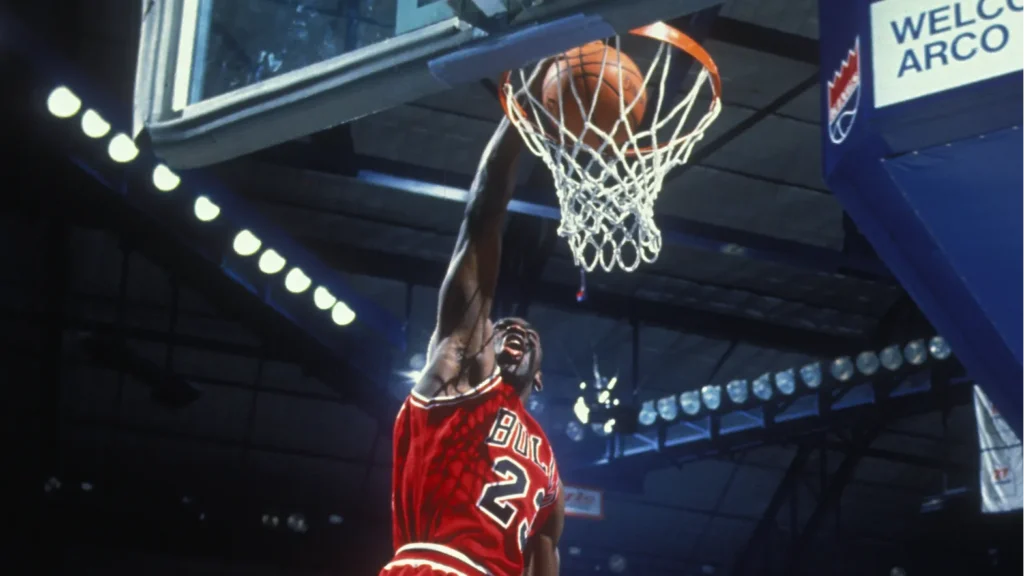
Michael Jordan and the legend of His Airness
Michael Jordan is widely considered the greatest basketball player ever to live. While his incredible aerial exploits captivated fans everywhere, his unmatchable will to win is what truly defined his legendary professional career.
He combined rare God-given talents with extreme determination to reach the top. This relentless pursuit of excellence earned him the nickname His Airness and a permanent place in the hearts of sports fans.


Leadership and accountability on the championship court
Jordan was always the clear leader because of his total dedication to the craft. This meant he took the most accountability for how the Chicago Bulls performed during high-pressure games in the 1990s.
Leading a team required a special level of focus that few could maintain. He believed being the primary leader meant carrying the heavy burden of every win or loss on his own shoulders.
Luc Longley and the off-court Bulls community
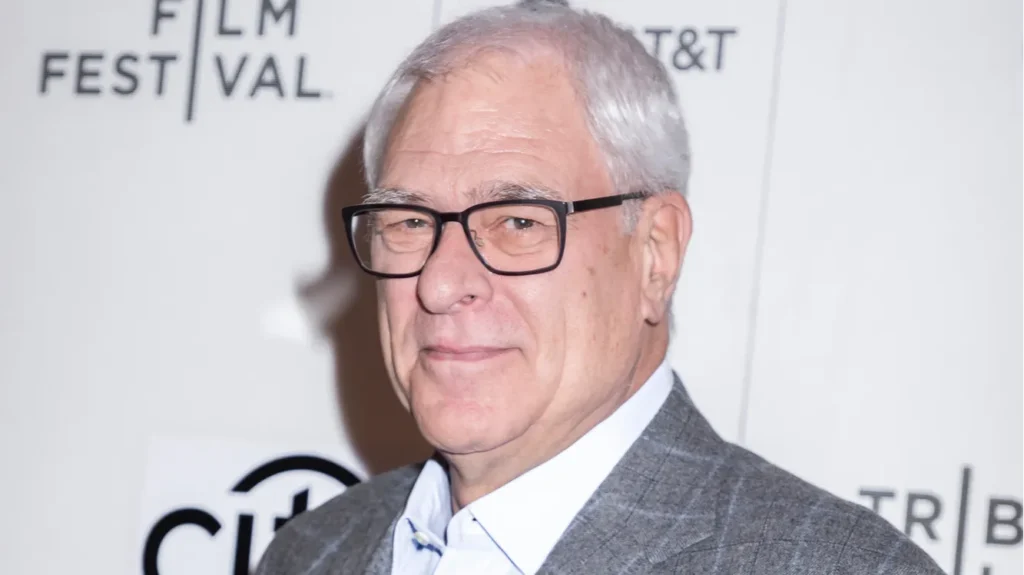
Former Bulls coach Phil Jackson has spoken about the strong team chemistry shared by many members of Chicago’s championship teams during the 1990s. Luc Longley was known as a popular teammate.
The Australian center helped create a relaxed social atmosphere away from basketball. That sense of camaraderie helped strengthen relationships throughout the roster during the many successful championship years for the Bulls franchise.

Phil Jackson on the isolation of a superstar
Even though the team was close, Michael was not totally included in the social circle. Jackson explained that Jordan remained isolated from the regular group while everybody else was invited to participate together.
This isolation was a byproduct of the intense pressure he faced as a global icon. Being the face of the league meant he existed on a different plane than his many fellow teammates.
A comparison between the Bulls and the Lakers
The early 2000s Los Angeles Lakers were stacked with talent but lacked seamless personal relationships. Unlike the Bulls, those Lakers proved that top teams do not always have to like each other personally.
The Bulls showed that enjoying the company of teammates usually makes attaining success much easier. On-court chemistry often flows better when players have a genuine connection with each other outside of their work.

Jordan’s perspective on missing out on the fun
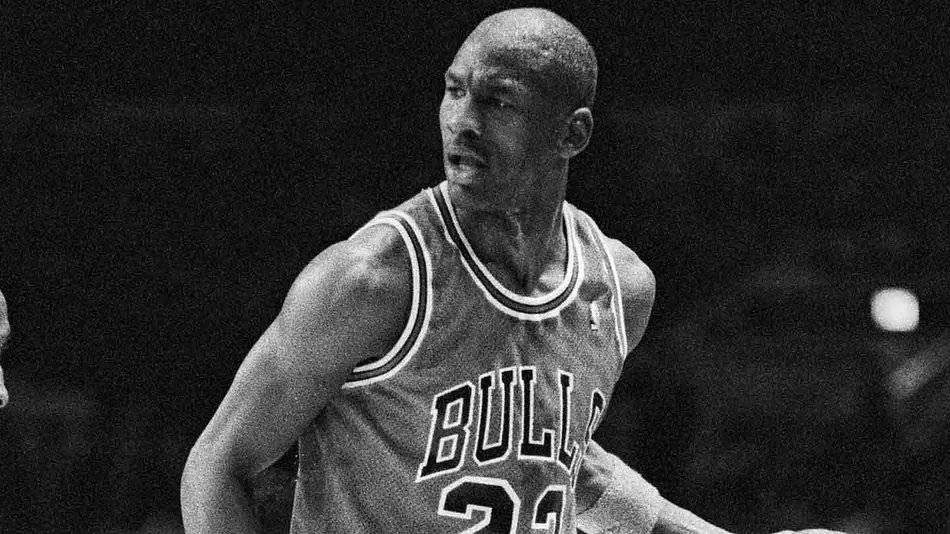
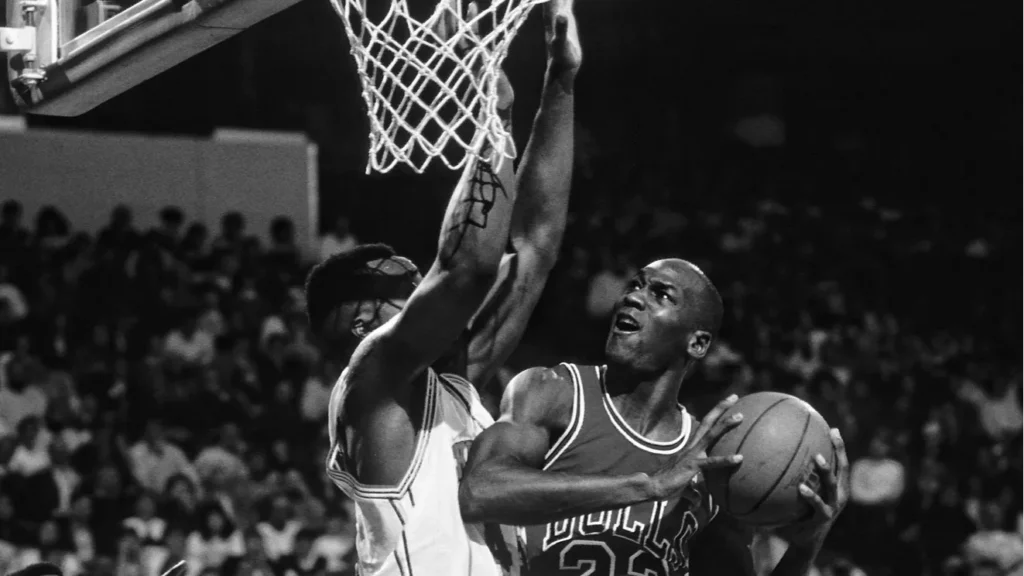
Jordan later admitted that he wished he could have lain back and enjoyed the journey much more. He saw his peers having fun but felt that doing so would not guarantee team success.
He made a conscious choice to sacrifice social enjoyment for the sake of winning. Michael believed he had to do what was necessary to ensure the Bulls reached their championship goals every single year.
The reality that success is never fully guaranteed
Michael understood that all he could do was try his best to find an effective path. He knew that simply being talented or having a good time would never be enough for them alone.
Greatness requires a specific roadmap that often involves making very difficult personal choices. He focused entirely on the results rather than the temporary happiness that comes from being among the regular guys.

Detachment as a tool for effective leadership
Some wonder if Jordan could have led while being more social with the roster. However, he did not see that as the best way to set a strong example for his many teammates.
Distancing himself allowed him to maintain a level of authority that social intimacy might have ruined. He prioritized his role as a disciplinarian over being a friend to the other professional basketball players.

Maintaining intensity through professional distance
Jordan believed maintaining some professional distance from teammates helped him hold everyone accountable during practices and games. His demanding leadership style was centered on pushing the Bulls to perform at a championship level.
He often prioritized competitiveness and discipline over close personal friendships within the locker room. This calculated distance ensured that every player remained focused on the primary goal of winning another NBA title.
The modern leadership style of LeBron James
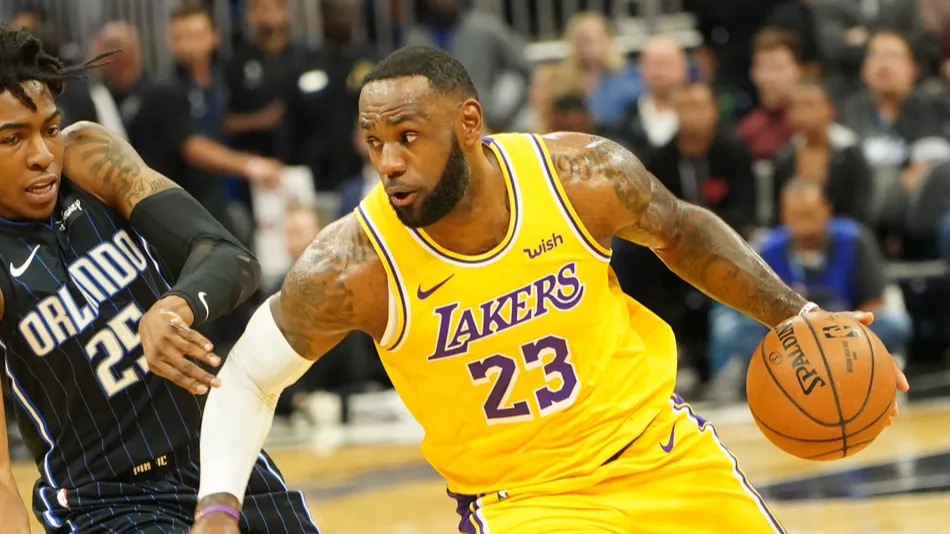
These days, we see leaders like LeBron James who take a very different approach to leadership. LeBron is known for being more inclusive and wanting to be part of the regular group.
He actively seeks to build strong bonds with his teammates both on and off the court. This style contrasts sharply with the cold and isolated method that Michael used during his incredible prime.
Fun fact: Michael Jordan lived by a peculiar pre-game ritual. Four hours before tip-off, he always ate a 23-ounce steak, a baked potato, and ginger ale. This heavy meal fueled six championships and one legendary career.
Holding teammates accountable in a softer NBA
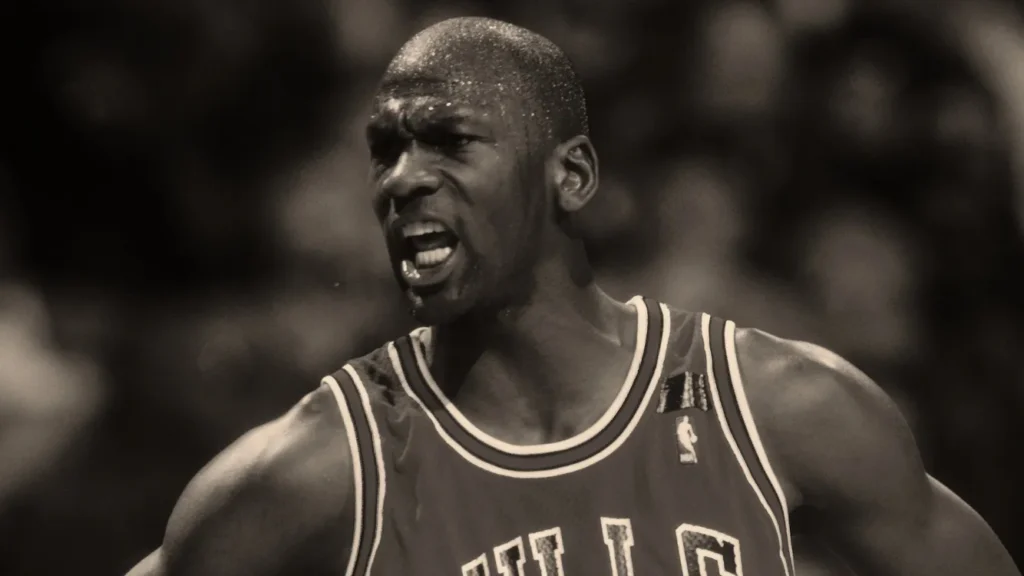
Michael believed that distancing himself allowed him to be much tougher during practice and games. Some critics today argue that the modern NBA has become soft because of these close player relationships.
Winning still matters immensely today, but the methods for achieving it have changed over time. The balance between being a friend and a fierce leader is handled differently by current basketball stars.
The classic debate of being feared or loved
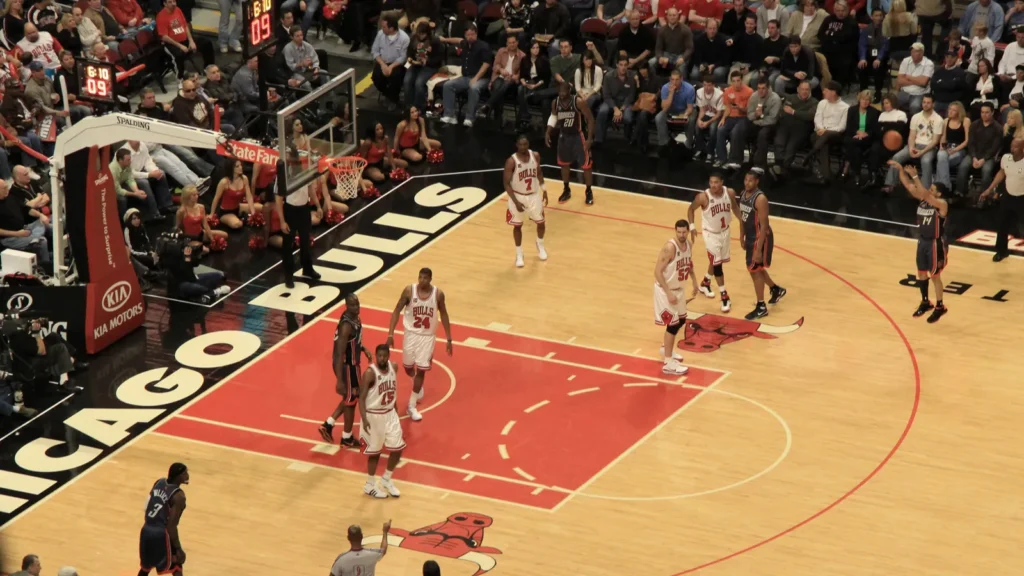
Many people love being teammates with LeBron because of his inclusive nature. However, the ultimate question in sports remains whether it is actually better to be feared or to be loved.
Greatness is often measured by what a player is willing to give up to win the game. Both styles have produced champions, but they offer very different experiences for players on the roster.
Luka Doncic and Cade Cunningham securing their postseason award eligibility has completely shifted the NBA landscape. You can dive into our analysis to explore how these unique rulings could disrupt the entire 2026 awards ballot.
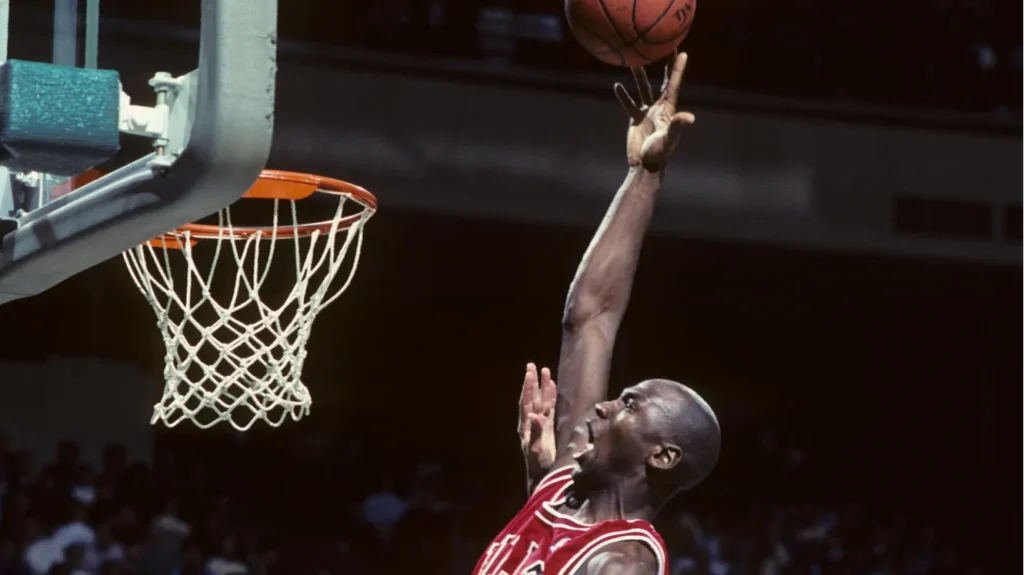
The ultimate choice between 4 and 6 championships
At the end of the day, championship results remain central to how great players are remembered. Michael Jordan won 6 NBA championships with the Bulls, while LeBron James has won 4 NBA titles.
Their different leadership styles continue to fuel debate about what type of approach works best. Every athlete must eventually decide if they would rather be the beloved teammate or the isolated winner.
Success in the postseason demands more than just physical talent; it requires a unique mental edge. Dive into the unconventional training methods Victor Wembanyama used to prepare for the intensity of his first NBA playoff series with the Spurs.
Would you rather play for a leader who treats you like family or one who demands perfection through distance? Share your thoughts in the comments on whether Michael Jordan’s isolated approach was the necessary price for six rings, or if modern inclusive leadership is the better way to win!
This slideshow was made with AI assistance and human editing.
Read More From This Brand: