
The 2026 NBA Finals already had everything a headline writer could want: the San Antonio Spurs, the New York Knicks, Victor Wembanyama, Madison Square Garden, and President Donald Trump stepping into the spotlight. But before the series even settled into its basketball rhythm, one national anthem moment turned into a political sports debate.
Wembanyama stood silently with his arms folded before Game 1 in San Antonio, and the clip quickly spread online. By the time Trump was asked about it aboard Air Force One and later appeared at Game 3 in New York, the Finals had become bigger than one pose.
It was suddenly about anthem etiquette, patriotism, celebrity politics, and how fast social media can turn a quiet pregame moment into a national argument.
The anthem moment
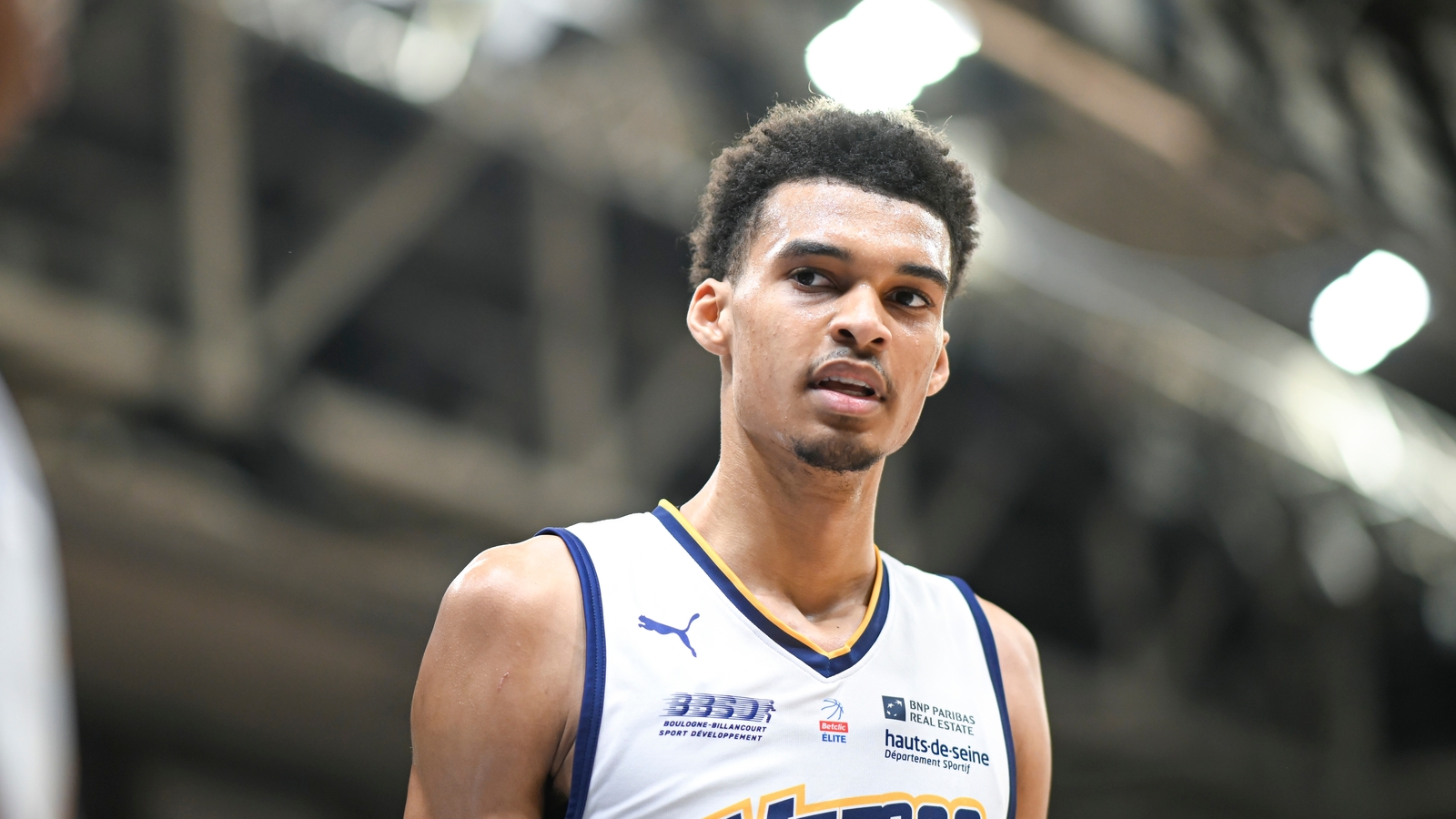
Before Game 1 of the 2026 NBA Finals between the San Antonio Spurs and the New York Knicks, singer Tori Kelly performed “The Star-Spangled Banner” at Frost Bank Center in San Antonio. Victor Wembanyama, the Spurs’ 7-foot-4 French superstar, stood with his arms folded across his chest during the performance. He did not place his hand over his heart, and he did not visibly react to the crowd around him.
Most of his Spurs teammates also did not place their hands over their hearts. Only two players, Luke Kornet and Mason Plumlee, followed that particular gesture. The rest stood quietly at their sides or, like Wembanyama, with their arms in front of them.
Trump responds on Air Force One
The controversy reached the highest levels of American politics when OutKick’s Dan Zaksheske asked President Donald Trump about Wembanyama’s posture while aboard Air Force One on Friday ahead of Game 2.

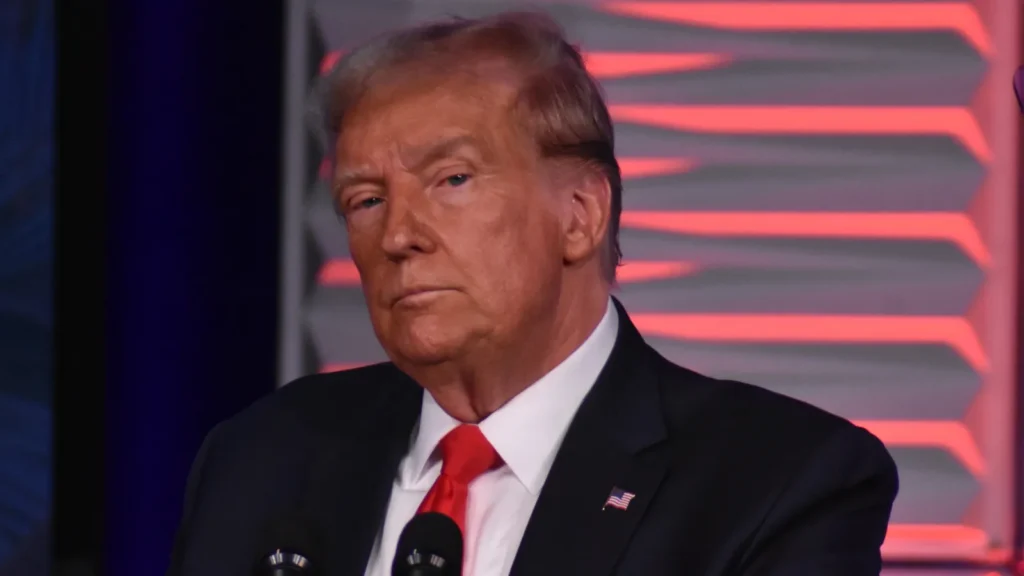
Trump said he had not seen the moment. “Is that what he did? What did he mean by that?” he asked. When told that no reporter had questioned Wembanyama about it, Trump responded, “I guess you have to ask him.”
Trump’s reaction was measured compared to some online voices. He had also praised Wembanyama earlier, calling him “a great player” and asking, “How do you guard this guy? He’s 7-foot-5 and has a great shot.” Trump later attended Game 3 at Madison Square Garden on June 8, 2026, adding another political dimension to the already charged series.
How it began on social media
The moment may have passed unnoticed if not for social media. Conservative influencer Matt Wallace shared a clip of the pregame ceremony on X, writing that the Spurs players “REFUSE to put their hands over their hearts for the national anthem.” Wallace accused the players of feeling “oppressed” despite earning millions of dollars. His post quickly gained traction and sparked heated reactions across platforms.
OutKick’s Bobby Burack also highlighted Wembanyama specifically, calling attention to his crossed arms as a notable image for what many were calling the “face of the NBA.” The framing of the story changed rapidly.
Wembanyama’s response in Game 2
Wembanyama did not address the controversy with words. Before Game 2, he was seen standing with his head bowed and eyes closed during “The Star-Spangled Banner.” Some critics still objected to the moment online, showing that the debate had moved beyond one specific posture.
Not everyone accepted this as a satisfactory answer. Conservative influencer Matt Wallace posted again, writing that Wembanyama was “covering his face” and calling it “the most disrespectful thing I have ever seen a foreign player do.”
Former NFL defensive lineman Breiden Fehoko also went after Wembanyama on social media, mocking him for his physical play and telling him to “have some respect for the national anthem.” The reaction showed that for some critics, no posture would be acceptable short of full compliance.
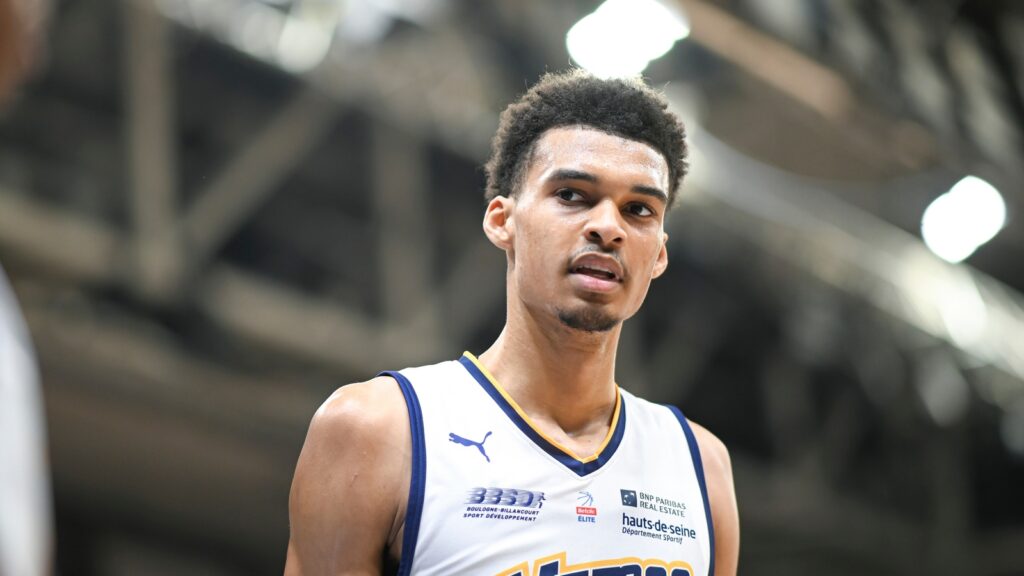
Fun fact: Wembanyama has an 8-foot wingspan, wider than he is tall. That’s longer than a standard door frame.
Smith dismisses the outrage
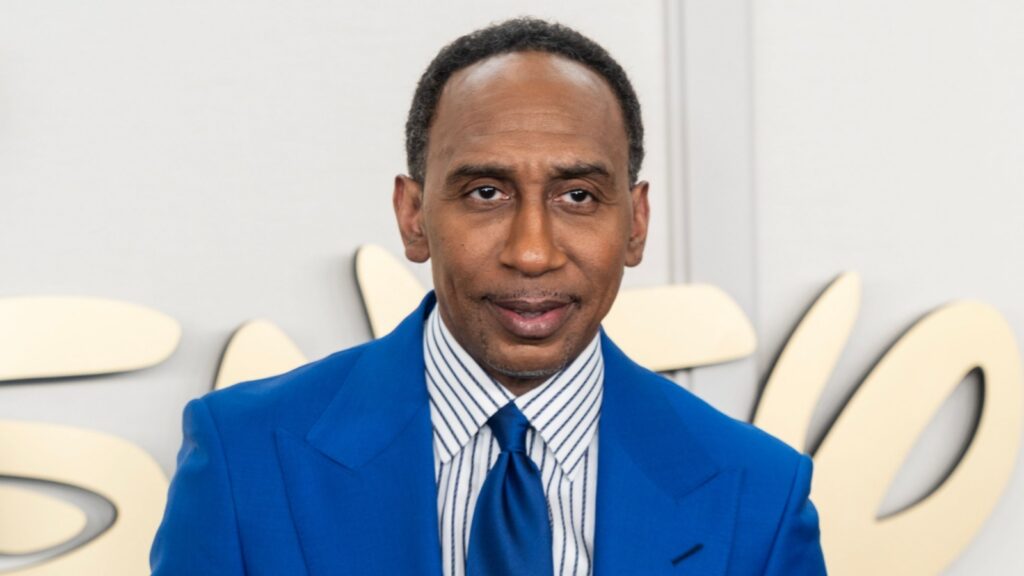
ESPN’s Stephen A. Smith became the most prominent voice to push back against the criticism. He posted directly in response to Wallace’s original claim, writing that the accusation was “patently false.”
Smith argued that many people show respect for the anthem by bowing their heads or placing their hands in front of or behind their backs without touching their chest. He was clear that placing a hand over the heart is not a legal or league requirement.
Smith called the reaction “utterly ridiculous” and said the Spurs were not being disrespectful in any way. His defense pointed to a broader truth about the NBA.
The league’s rosters are made up of players from dozens of countries with different cultural traditions around ceremony and national symbols. Expecting every player to follow a single American custom misunderstands the sport’s global nature.
The official rules explained
U.S. Flag Code etiquette says civilians should face the flag and stand at attention with the right hand over the heart during the anthem, but it does not create a criminal penalty.
NBA rules require players, coaches, and trainers to stand in a dignified posture during the American or Canadian national anthem, but the rule does not require a hand-over-heart gesture.
Little-known fact: Game 3 was also New York’s first NBA Finals home game in 27 years, which made the atmosphere at Madison Square Garden even more intense before Trump’s appearance added another layer of attention.
TL;DR
- Victor Wembanyama stood with his arms folded during the national anthem before Game 1 of the 2026 NBA Finals, sparking a viral controversy.
- Most Spurs players also did not place their hands over their hearts; only two teammates did.
- President Trump was asked about the gesture aboard Air Force One and responded: “What did he mean by that?”
- Before Game 2, Wembanyama was seen with his head bowed and eyes closed during the anthem, which drew further criticism from some conservative commentators.
- ESPN’s Stephen A. Smith strongly defended Wembanyama, calling claims of disrespect “patently false” and noting that placing a hand over the heart is not required by law or NBA rules.
If you liked this story, don’t forget to follow us for more exclusive content.
This article was made with AI assistance and human editing.
If you liked this, you might also like: