


FIFA President Gianni Infantino wrote to the organization’s 211 member associations outlining a proposal to create FIFA Forward Enterprise, a new commercial subsidiary carrying an initial equity valuation of approximately $20 billion. FIFA says the proposal could support more than $10 billion in planned football-development funding.
Associations face a Sept. 19 deadline to participate in an optional program offering up to $20 million in one-off project funding. The plan has triggered a major governance crisis. UEFA and all 55 of its national associations have voted to boycott FIFA competitions while the proposal remains active, while Concacaf and its 41 members have formally rejected it.
What the funding proposal offers
Infantino’s letter offered associations the opportunity to participate in the proposed FIFA Fast Forward Programme by Sept. 19. Participating associations could access up to $20 million in one-off capital for approved development projects.
If FIFA approves the broader plan, regular Forward funding would also rise from a budgeted $8 million to $20 million per association for the 2027–30 cycle. Combined, those programs could provide up to $40 million during that 4-year period.
FIFA says its various programs could produce more than $10 billion in planned development spending over the next 4 years. If the proposal fails, Reuters reports that FIFA would revert to a previously planned package worth approximately $2.7 billion overall.
Inside FIFA Forward Enterprise
FIFA Forward Enterprise would consolidate FIFA’s broadcasting, sponsorship, ticketing, licensing and tournament-delivery operations into a separate commercial subsidiary. It includes the men’s World Cup and other flagship events.
FIFA plans to offer outside investors a combined minority interest of up to 20%, not between 20% and 30%. JPMorgan estimated the subsidiary’s initial equity value at approximately $20 billion, and FIFA hopes to raise up to $4.2 billion.
FIFA says it would retain permanent majority ownership and exclusive authority over tournament formats, regulations, scheduling, and other sporting decisions. Critics see the plan very differently.

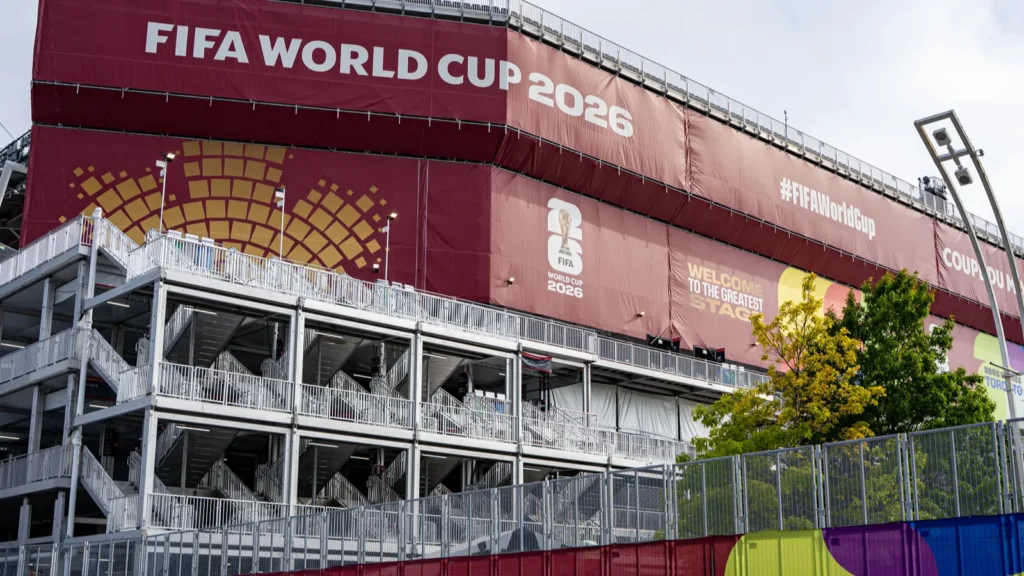
Reactions from Europe’s football bodies
UEFA initially accused FIFA of crossing an unacceptable governance line and criticized the lack of consultation and transparency. The European body said Infantino had “crossed a line” with this move. Its statement argued the game’s governance should never be for sale.
On July 30, UEFA’s 55 member associations voted unanimously to boycott all FIFA competitions while the proposal remains active. UEFA said its national teams would return only if FIFA abandoned the proposal and provided binding assurances against future private ownership of competitions. Some member nations are reportedly weighing a World Cup boycott.
The decision affects far more than a possible future men’s World Cup. Upcoming FIFA events include the Women’s Under-20 World Cup in Poland and the 2027 Women’s World Cup in Brazil. England remains one of the most influential voices in world soccer.
Fun fact: In 1966, the World Cup trophy was stolen in London and later found by a dog named Pickles.
Could the plan create different funding levels
Critics argue that the proposal uses major financial incentives to build support. Associations that participate in the optional Fast Forward Programme by Sept. 19 could access up to $20 million in additional one-off funding. Those who refuse would be left with far less support.
The broader increase in regular Forward funding depends on the majority approval of FIFA Forward Enterprise and FIFA Council authorization. It is therefore more complicated than a permanent system in which individual “yes” voters automatically receive all benefits while “no” voters receive nothing. Smaller nations could struggle even more to compete.
UEFA has nevertheless criticized the deadline, arguing that attaching a large one-off offer to a rapid decision places improper pressure on member associations. They argue that true partnership should not be threatened financially. The debate now centers on fairness as much as money.
Private investment and commercial control
FIFA has traditionally generated revenue directly through broadcasting, sponsorship, licensing, and ticketing connected with its tournaments. Under the proposal, those operations would sit inside FFE, with outside investors owning up to 20%. That connection has fueled further criticism of his leadership style.
Supporters argue that specialist investment and commercial expertise could increase revenue and development spending. FIFA says all net benefits would return to football. Others see it as a natural part of the global sports business.
Opponents argue that investors would expect financial returns, potentially placing permanent commercial pressure on tournament decisions. FIFA disputes the suggestion that investors would control competitions and says it would retain sole sporting authority. Its president is said to support the private investment sale.
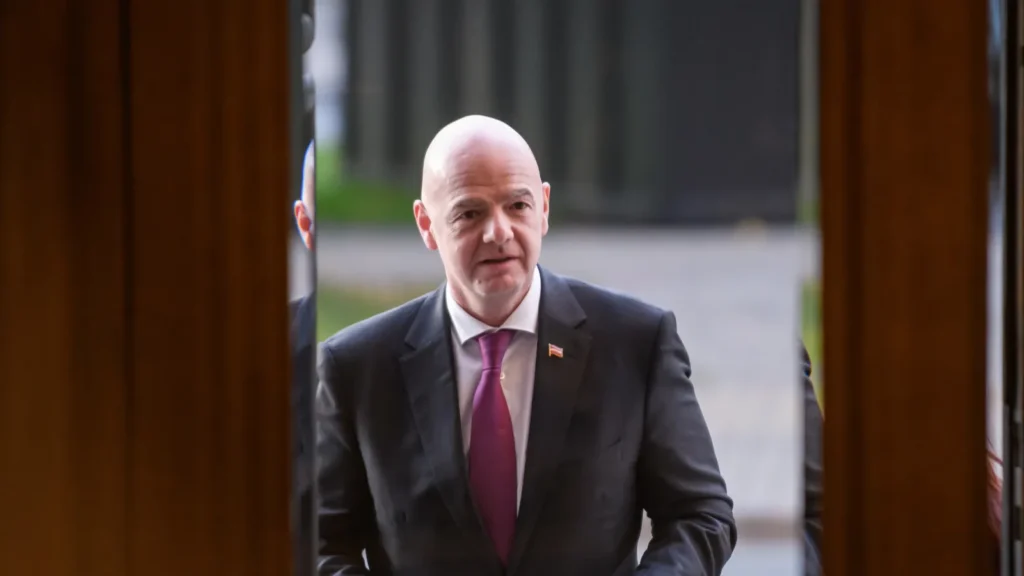
Money behind the World Cup deal
Thrive Eternal, an investment vehicle founded by Joshua Kushner, is expected to lead the proposed investor group. Joshua Kushner is the brother of Jared Kushner, President Donald Trump’s son-in-law. Private investors buying a stake changes that dynamic completely.
“The Times” reported that aspects of the plan had been discussed with Trump’s team. That claim should remain attributed to the publication; FIFA has not publicly detailed any formal role for the Trump administration in the proposal. FIFA has used similar arguments before for other ventures.
Infantino’s public relationship with Trump and the Kushner connection has increased political scrutiny. However, no evidence currently proves that Trump influenced FIFA’s selection of investors. That tension sits at the heart of the current standoff.
What happens next for FIFA
FIFA needs a majority of support from its 211 member associations and approval from the FIFA Council before launching FFE. Associations interested in the optional one-off funding must respond by Sept. 19. Their choice by September 19 could reshape football’s financial landscape.
UEFA’s boycott vote and Concacaf’s rejection significantly reduce the proposal’s chances of proceeding in its current form. The Asian Football Confederation has also strongly criticized the lack of consultation, while the African and Oceania confederations are expected to discuss the proposal separately. Either outcome would carry lasting consequences for the sport.
FIFA must now decide whether to withdraw, revise, or continue promoting the plan despite opposition from several major regional bodies. The coming weeks will reveal which force wins out.
Little-known fact: FIFA moved its offices from Amsterdam to Zurich, Switzerland, in 1932, not 1935. The source reviewed does not say the organization chose Zurich primarily because of favorable tax or legal rules.
TL;DR
- FIFA president Gianni Infantino sent a letter to all 211 member nations.
- The plan offers a $10 billion package if nations approve private investment in the World Cup.
- Rejecting it means associations keep only the existing $2.7 billion Forward program.
- UEFA and other bodies have strongly criticized the plan, calling it a threat to football’s governance.
- Nations have until September 19 to decide, setting up a major turning point for FIFA.
If you liked this story, don’t forget to follow us for more exclusive content.
This article was made with AI assistance and human editing.
If you liked this, you might also like: