






Venus Williams questions midnight scheduling
Venus Williams criticized the late US Open scheduling after her first-round match against Sofia Kenin began at 12:13 AM in New York. Kenin completed a 6-2, 7-6(6) victory after 2 AM.
The 46-year-old Williams called the timing not ideal and said it was not great for either player’s conditioning. The match marked her record 26th US Open singles main draw appearance.

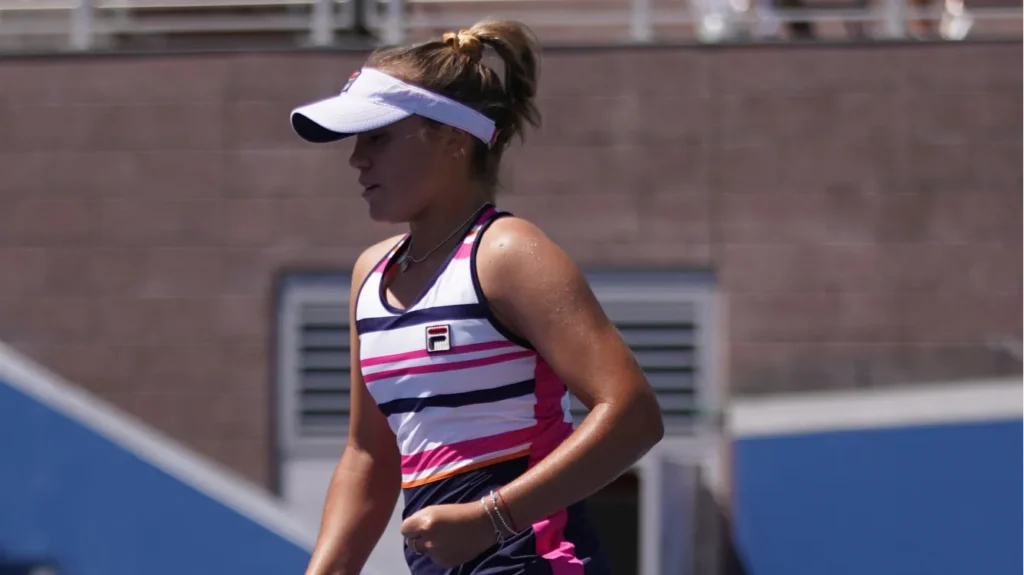
Venus Williams waited behind Djokovic
Williams and Kenin were scheduled as the second match of the Arthur Ashe Stadium night session on August 30. Their start depended on the opening contest between Novak Djokovic and Mariano Navone finishing first.
Navone defeated Djokovic in five sets, 7-6(5), 5-7, 4-6, 6-2, 6-1. The match lasted more than four hours, pushing Williams and Kenin past midnight before they could finally begin.
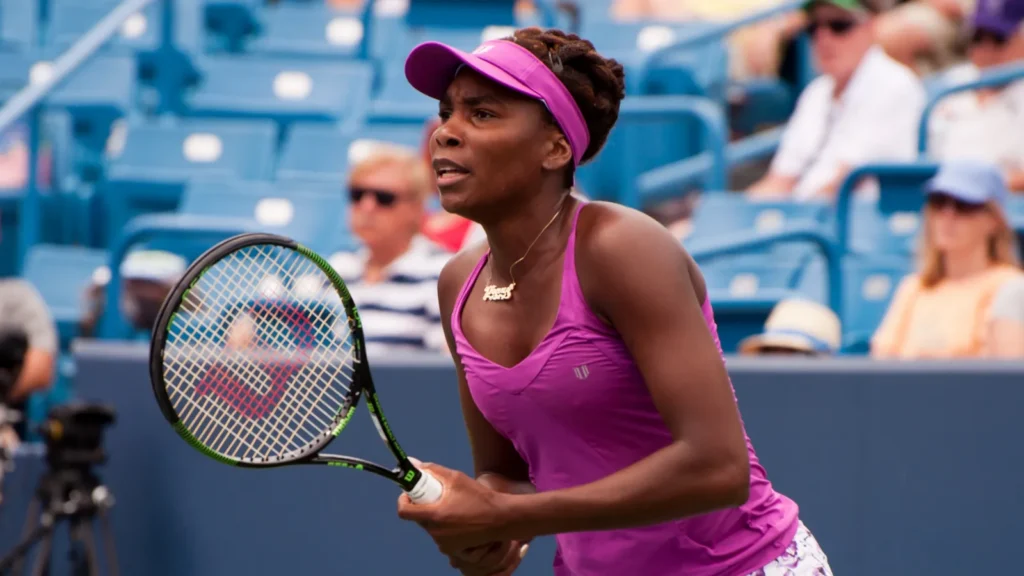
Venus Williams raises conditioning concern
Williams said the delayed start created difficult conditions for both competitors, though each player faced the same schedule. Kenin won in one hour and 48 minutes, saving seven set points in the second set.
The result ended Williams’ 26th US Open singles campaign in the first round. Kenin advanced to face Jessica Pegula, while Williams added another experienced voice to concerns about late Grand Slam scheduling.
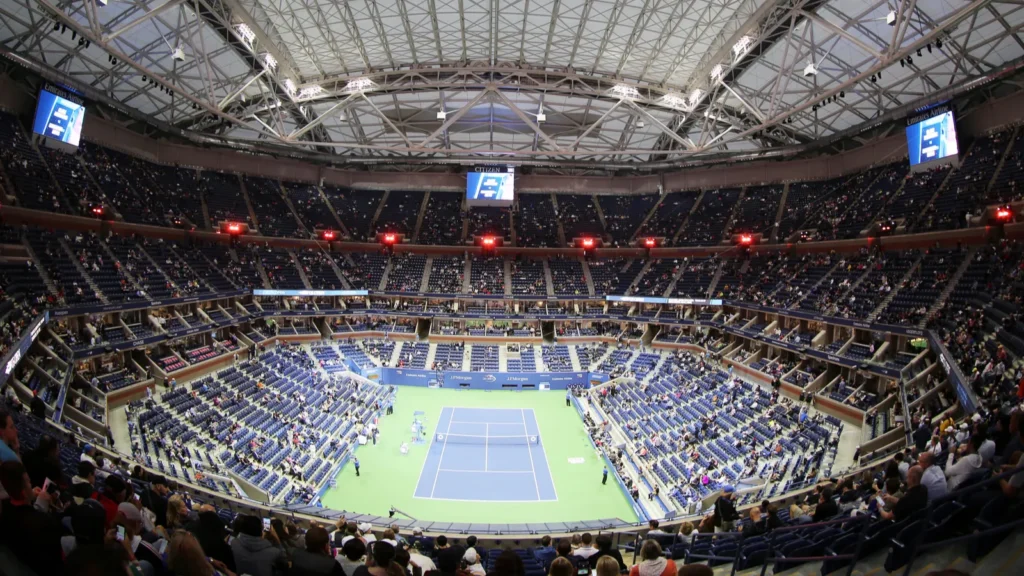
US Open night sessions start at 7 PM
US Open evening sessions at Arthur Ashe Stadium are scheduled to begin at 7 PM. During the early rounds, those sessions include men’s and women’s singles in a single, separately ticketed evening session.
Because tennis matches have no fixed ending time, the second contest can start much later than scheduled. A long five-set men’s match can push the following women’s or men’s contest deep into the night.
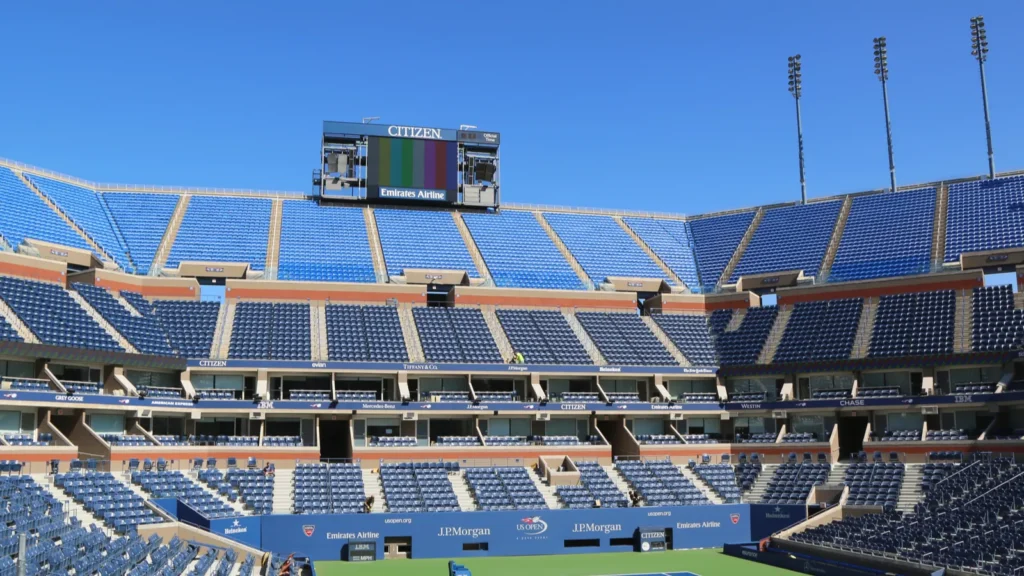
US Open night sessions carry value
Separate day and evening sessions let the US Open sell different tickets for the same stadium seats. Night sessions also place prominent players in prime viewing hours for spectators arriving after work in New York.
Arthur Ashe Stadium holds 23,933 spectators, giving marquee evening matches one of tennis’ largest Grand Slam settings. Separate ticket windows and prime-time broadcasts also give the night session clear commercial value.

US Open keeps ESPN through 2037
In 2024, ESPN and the United States Tennis Association extended their US Open agreement through 2037. The 12-year deal began in 2026 and keeps ESPN as the tournament’s exclusive United States rightsholder.
The agreement expanded streaming coverage beginning in 2026 and continued Spanish-language coverage through ESPN Deportes. ESPN also retains extensive live match coverage throughout the tournament, including evening sessions in New York.

US Open created an 11:15 PM policy
The US Open introduced a late-match policy in 2024, giving the tournament referee discretion to move an unstarted second match on Arthur Ashe Stadium or the final scheduled match on Louis Armstrong Stadium if it had not begun by 11:15 PM.
Tournament officials said the decision could depend on factors including broadcast crews, ball crews, and court logistics. The policy created an option for relocating matches but did not establish a mandatory 11:15 PM cutoff.
US Open still faces unpredictable matches
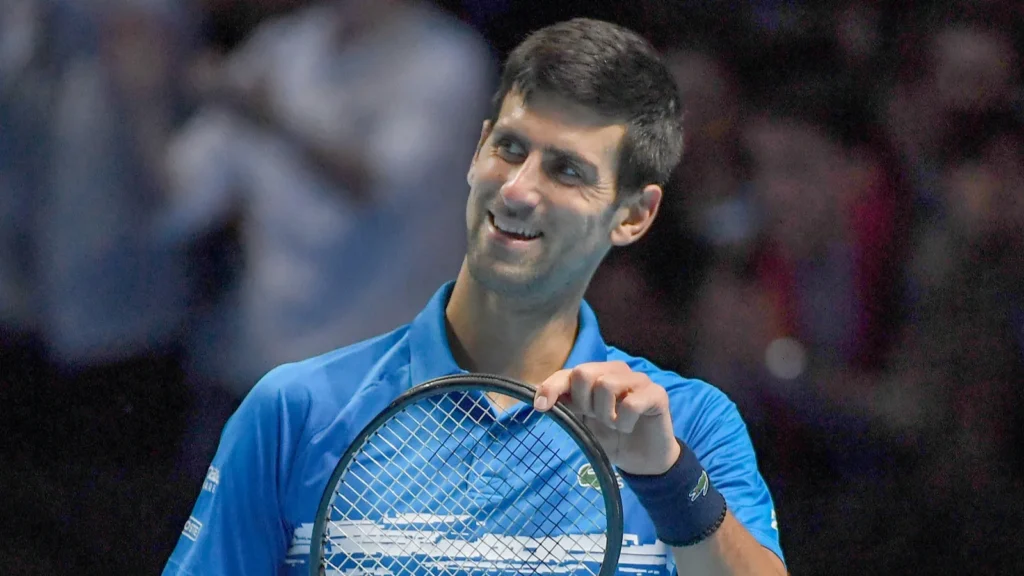
Long matches remain difficult to predict because men’s singles at Grand Slams can extend to five sets. Djokovic and Navone provided a 2026 example when their opening-night contest lasted 4 hours, 36 minutes.
Navone defeated Djokovic 7-6(5), 5-7, 4-6, 6-2, 6-1 before Williams and Kenin began at 12:13 AM. The sequence showed how an extended first match can push a second scheduled contest well beyond its planned start time.
Coco Gauff has criticized late finishes
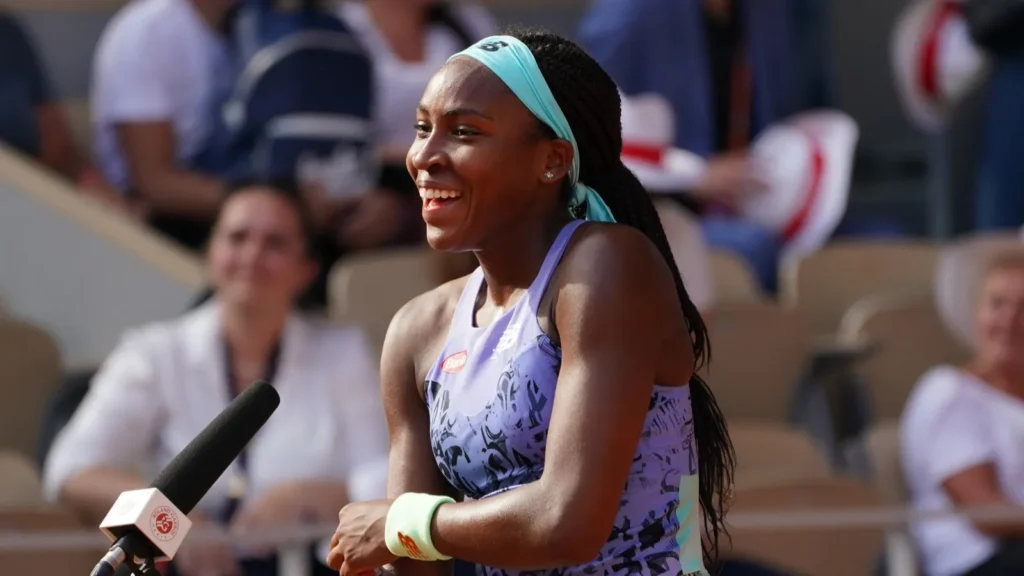
Coco Gauff has criticized extremely late finishes because players still face media duties, showers, meals, and treatment after leaving the court. In 2024, she said a 3 AM finish could mean not going to bed until 5 AM, 6 AM, or even 7 AM.
Gauff described that schedule as unhealthy and said late matches can disrupt a player’s routine. She suggested rules that would prevent matches from starting or finishing deep into the early morning hours.
Taylor Fritz has raised sleep concerns
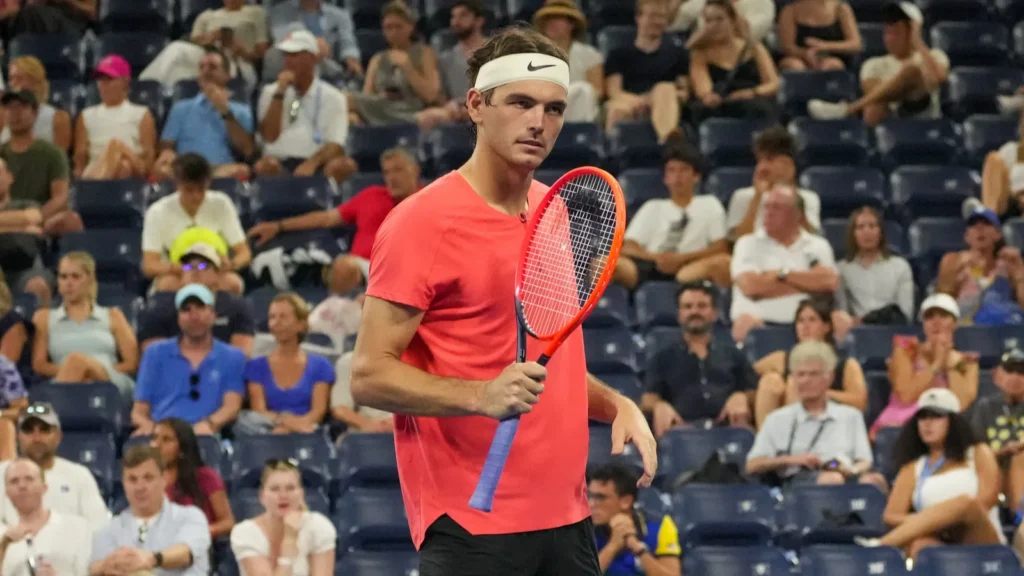
Taylor Fritz has also described the sleep problems created by matches ending around 2 AM. He said there was no chance he would be asleep before 5 AM or 6 AM after such a finish.
His concern reflects a broader player complaint about late-night tennis because recovery continues after competition ends. Eating, treatment, media duties, and physical recovery can extend the working day well beyond the final point.
Fun fact: At her 1997 US Open debut, Venus Williams said one goal was keeping every bead in her hair during matches.
Venus Williams finished before empty seats
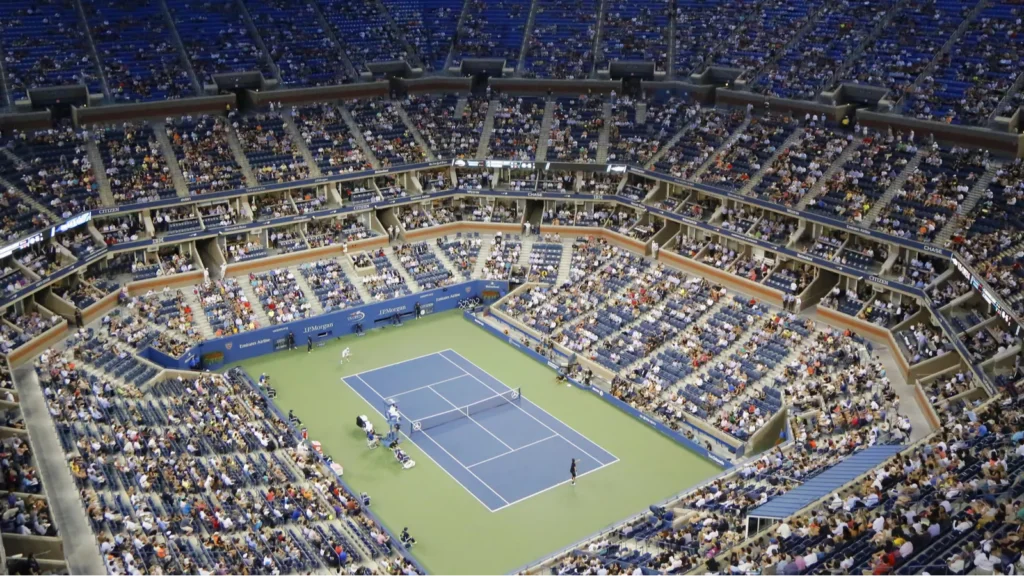
Many seats inside Arthur Ashe Stadium were empty by the time Williams and Kenin finished after 2 AM. The stadium has 23,933 seats, resulting in a visibly smaller crowd in the closing stages.
US Open evening sessions begin at 7 PM, but Williams and Kenin did not start until 12:13 AM. Their match showed how a long opening contest can extend a ticketed session deep into the night.
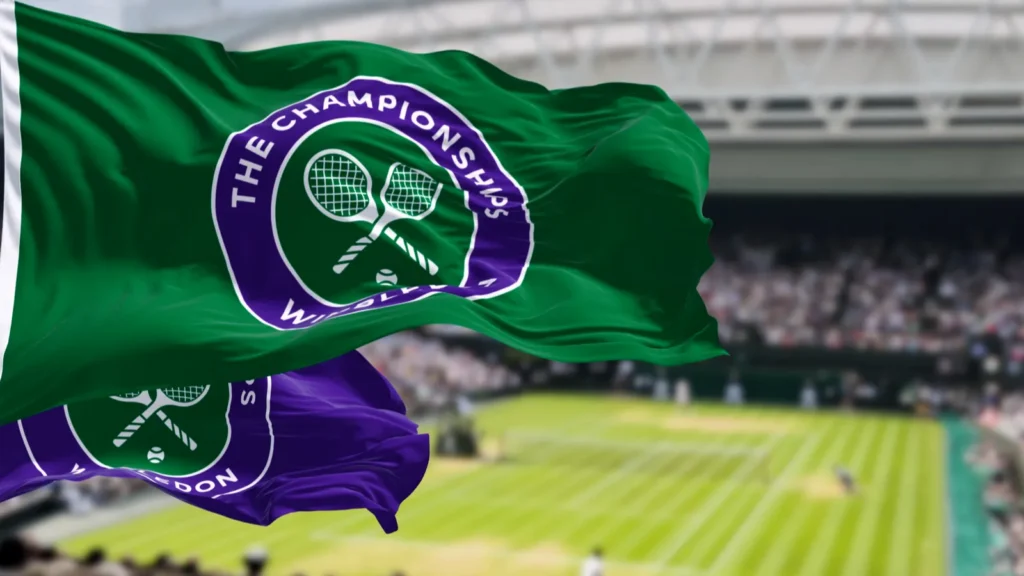
Wimbledon uses an earlier nightly cutoff
Wimbledon uses a different approach because play must stop by an 11 PM local curfew. Unfinished matches resume later, giving players and spectators a clear nightly cutoff even when a contest remains unfinished.
The US Open has no comparable fixed curfew, allowing night matches to continue past midnight. That difference preserves same-night completion in New York but can produce the scheduling problems Williams criticized.
With Joe Rogan revealing Donald Trump’s response to a UFC security concern, the exchange offered an unexpected glimpse into Trump’s reaction. Curious what he said? Explore Rogan’s account of the moment.
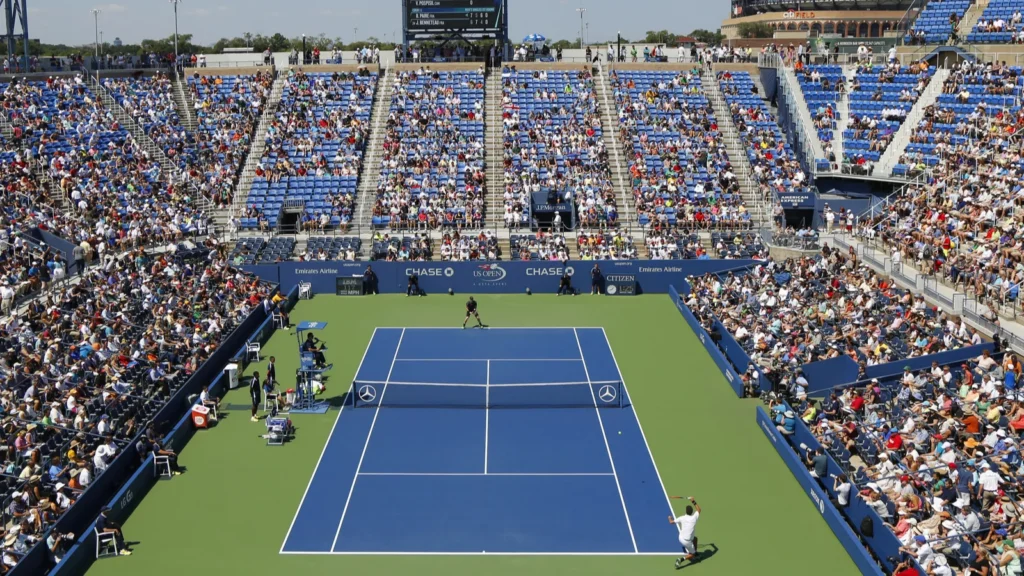
US Open keeps the night session structure
The 2026 US Open schedule continues to list evening sessions beginning at 7 PM in Arthur Ashe Stadium. That means the basic night-session structure remains in place despite Williams’ criticism of the schedule.
US Open scheduling remains subject to change, and officials retain discretion over match placement. Williams’ 12:13 AM start shows the existing system can still produce very late court times despite earlier scheduling safeguards.
With Dana White weighing in on Donald Trump’s planned sports spectacle, his reaction adds another angle to the event. Curious what White really thinks? Explore the comments and why they are drawing attention.
Should the US Open impose a firm late-night cutoff after Venus Williams and other players raised concerns about midnight starts? Share your thoughts in the comments below!
This slideshow was made with AI assistance and human editing.
Read More From This Brand:


