



Amgen Irish Open endured six-hour rounds
The Amgen Irish Open opened September 10, 2026, at Trump International Golf Links Ireland in Doonbeg. Rory McIlroy’s group completed 18 holes in 6 hours and 6 minutes during Thursday’s opening round.
Strong Atlantic winds, course configuration, crowded tee boxes, and repeated waits slowed play across the field. Shane Lowry called the pace “mad,” while McIlroy said he could not remember experiencing a longer round.
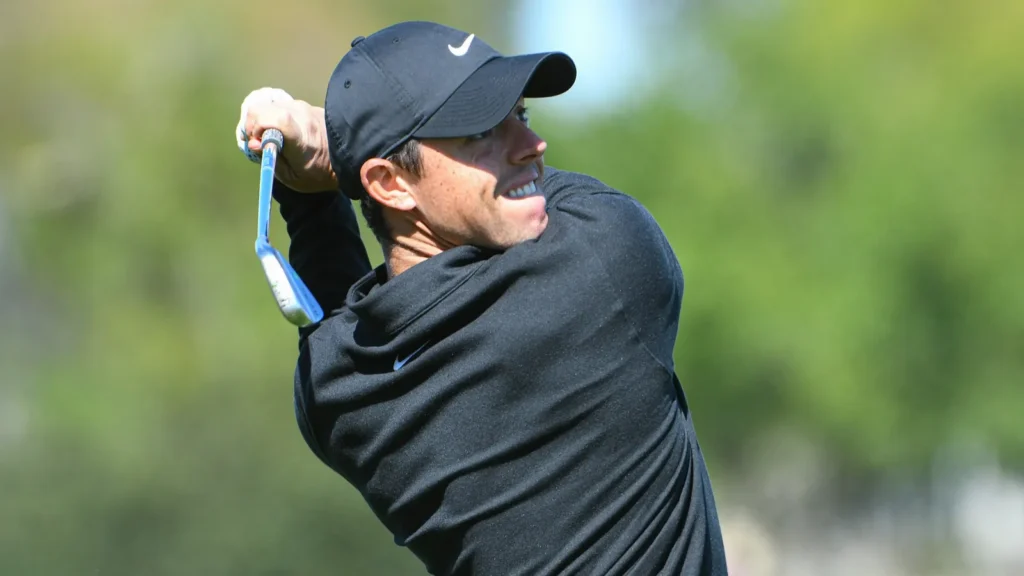
Rory McIlroy faced constant stoppages
Rory McIlroy said repeated stops made it difficult to establish rhythm throughout Thursday’s round. His group with Robert MacIntyre and Brooks Koepka began at 1:35 p.m. as difficult conditions affected play.
McIlroy finished with a 1-under 69, leaving him 4 strokes behind leader Joaquin Niemann. Despite the lengthy round, his opening score kept him within reach heading into Friday’s second round.
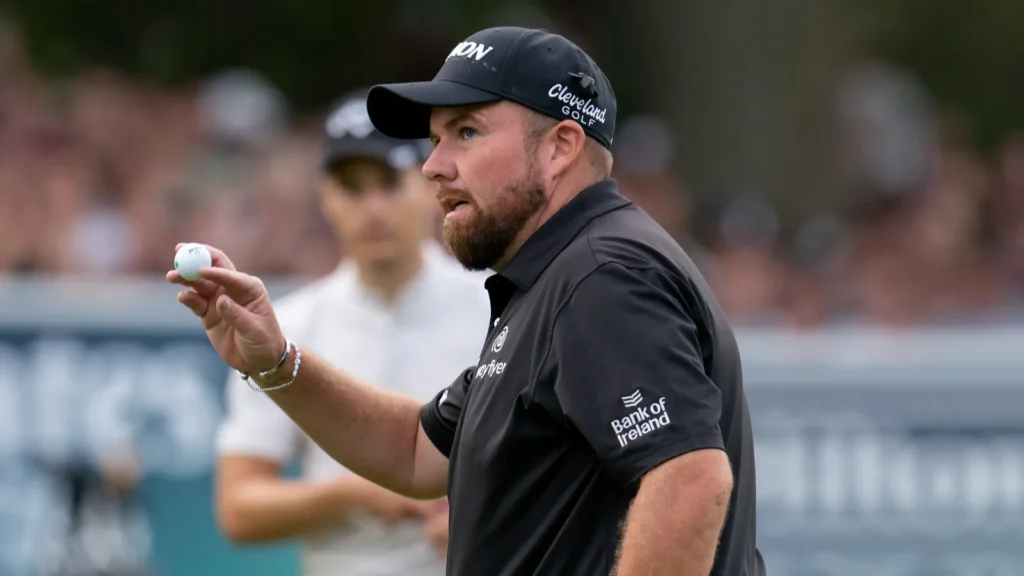
Shane Lowry waited three hours for eight
Shane Lowry reached the eighth tee after roughly 3 hours, a pace he described as “mad.” His group with Jon Rahm and Patrick Reed started 10 minutes after McIlroy’s group that afternoon.
Lowry said his group managed only 2 full strokes during one hour of play. The long waits tested players physically, yet the 39-year-old still completed Thursday with a 3-under 67.
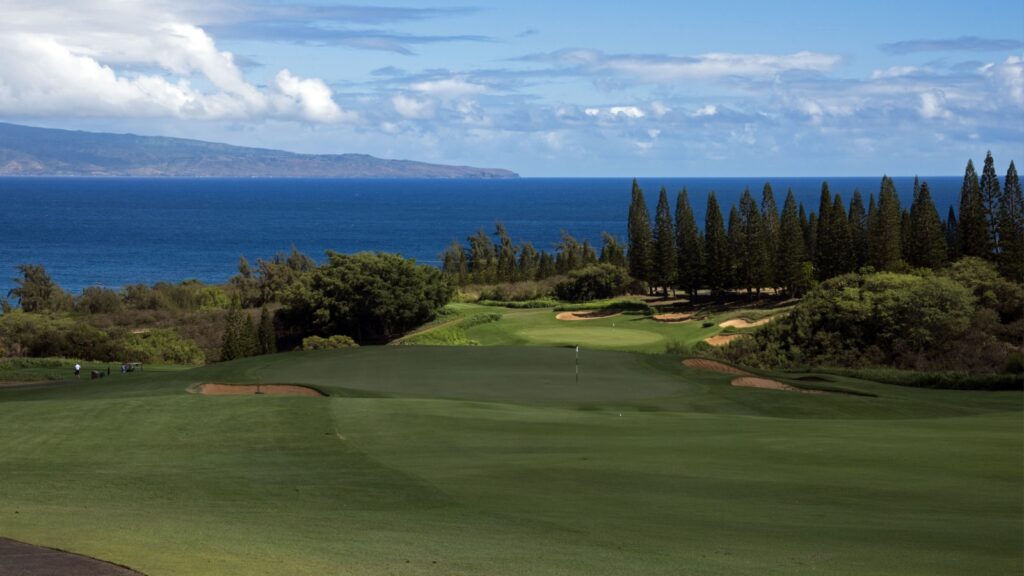
Atlantic winds altered club choices
Atlantic gusts reached about 35 mph during Thursday’s opening round at Doonbeg. Balls moved on exposed greens, while strong wind sharply changed approach distances and complicated club selection across the coastal course.
McIlroy said a 138-yard approach to the final green required a full 7-iron, which he normally carries about 190 yards in warm conditions. He estimated the wind effect at roughly 50 yards.
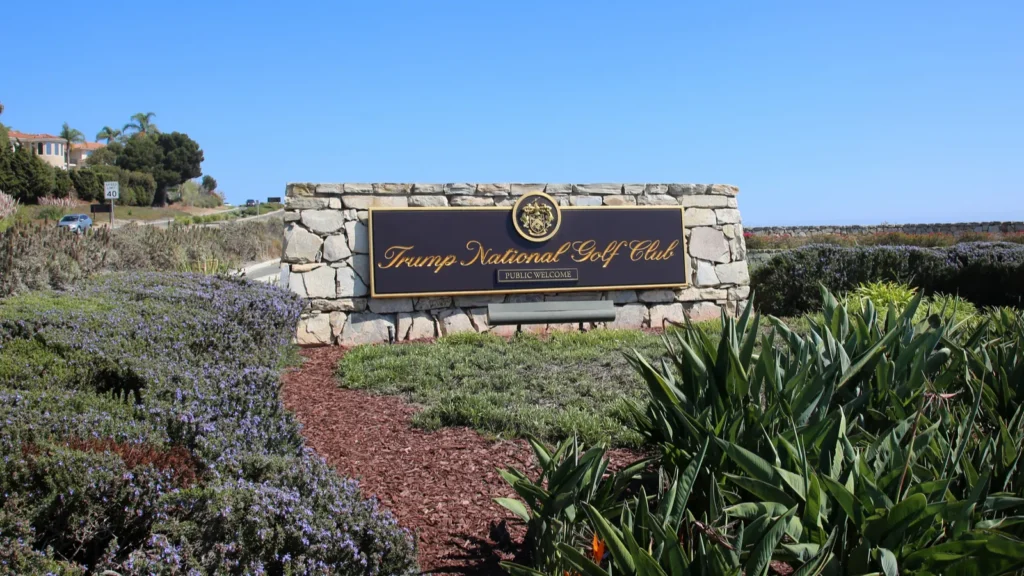
Doonbeg’s layout created natural backups
Trump International Golf Links Ireland used a 6,838-yard, par-70 championship setup for the 2026 Amgen Irish Open. The course follows a single loop of 9 holes outward and 9 back along County Clare.
The Trump Organization purchased the property in 2014, and Martin Hawtree completed a major redesign 2 years later. Reachable par-5s and demanding par-3s contributed to delays when groups waited for space ahead.

Tom McKibbin identified a bottleneck
Tom McKibbin pointed to the downwind par-5 fourth, followed by the difficult sixth into the wind. The seventh offered another reachable green before a par-3 created another demanding decision for players.
McKibbin said Thursday’s wind direction encouraged players to wait before attempting reachable greens. Repeated opportunities to attack from distance meant groups paused longer, allowing traffic to build through that section of the course.

Reachable holes forced longer waits
Several Doonbeg holes gave players chances to reach greens from long range, especially with Thursday’s wind direction. When greens remained occupied, the following groups had to stay on the tees or fairways until space opened.
McIlroy’s group needed about 2 hours to complete its first 5 holes. Early congestion then persisted into later groups because players repeatedly reached the same decision points before those ahead had cleared them.

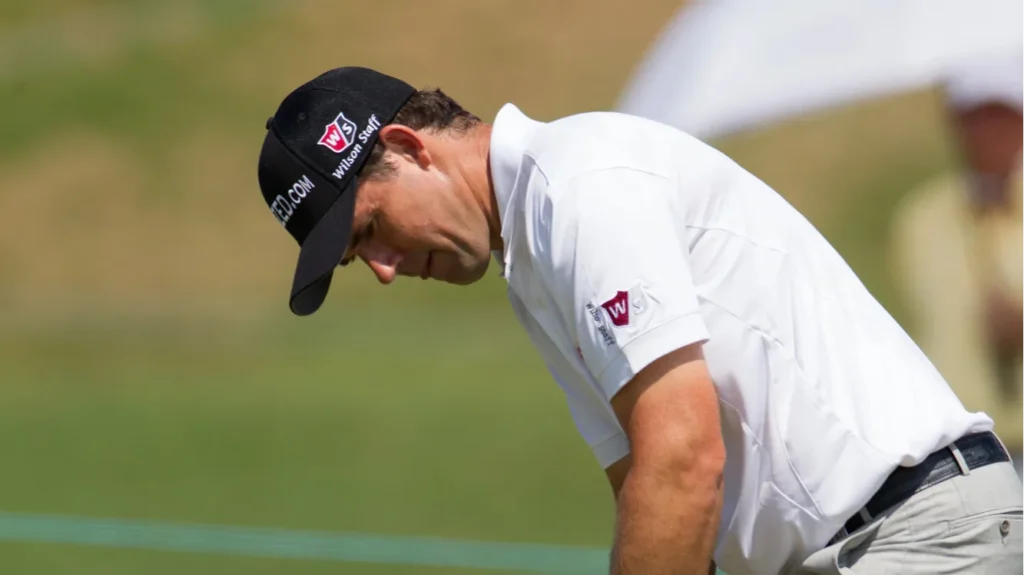
Padraig Harrington saw traffic build
Course configuration contributed to Thursday’s delays, especially where reachable par-5s and tricky par-3s caused groups to back up. A strong southwest wind made conditions difficult, as players repeatedly waited for open space ahead.
Padraig Harrington said the opening holes moved well before traffic developed around a par-5. Once the groups backed up, players naturally slowed because they could see there was nowhere available to advance.

Rules delays added extra minutes
Several smaller issues added time during Thursday’s round, including lost balls and a lengthy rules decision. Those interruptions mattered because the field was already moving slowly under difficult weather and course conditions.
Once one group fell behind, following players gathered on the tees and fairways while waiting for space. Harrington compared the pattern to rush-hour traffic in difficult driving conditions, where one slowdown affects everything behind it.
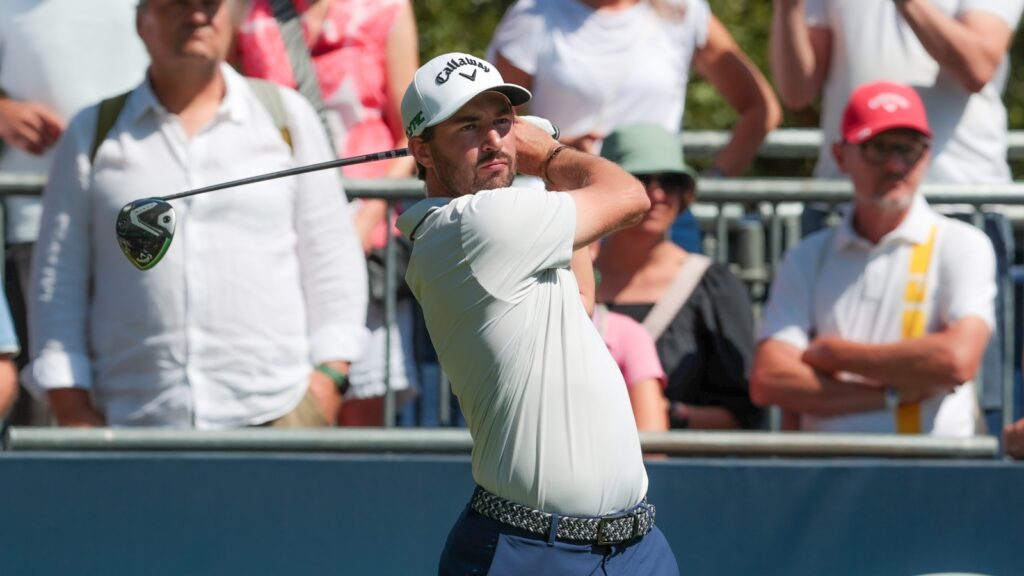
Frederic Lacroix saw wind move his ball
Strong gusts affected putting surfaces as well as full swings during Thursday’s opening round. Frederic Lacroix saw his ball blown off the 13th green after marking its position before continuing play there.
Because Lacroix had already marked the ball, he was allowed to replace it before continuing. The incident came as gusts reached about 35 mph and balls were reported moving on exposed greens.
Fun fact: Doonbeg offers Atlantic Ocean views from 16 of its 18 holes, so even a painfully slow round comes with a fairly dramatic waiting room.
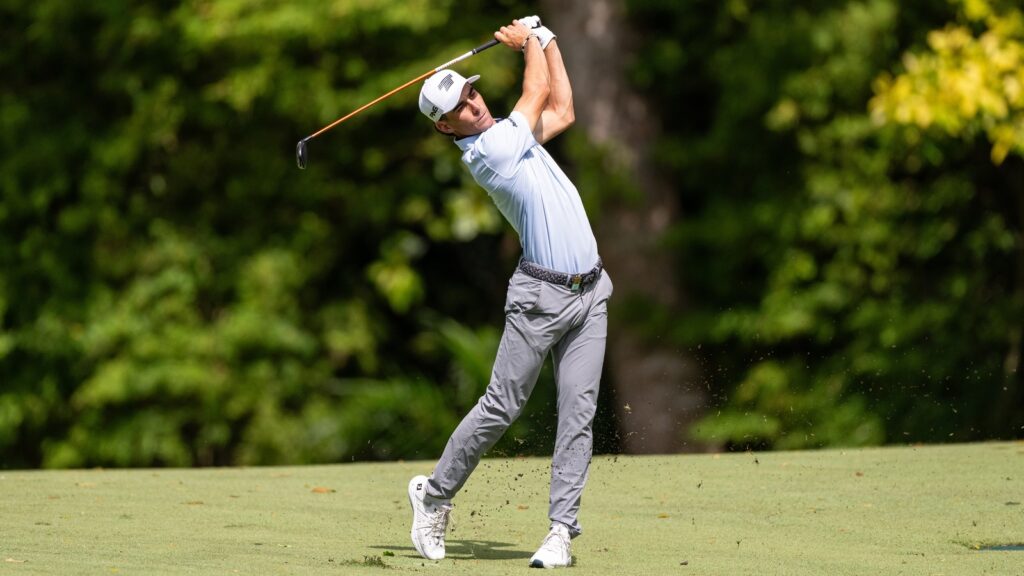
Joaquin Niemann reached 5 under
Joaquin Niemann handled the difficult conditions better than anyone in Thursday’s opening round, completing a 5-under 65. The Chilean made 4 consecutive birdies from holes 14 through 17 to take the lead.
Lowry finished 2 strokes behind Niemann at 3 under, while McIlroy sat 4 back at 1 under. Their scores showed that strong scoring remained possible despite heavy wind, lengthy waits, and difficult conditions.
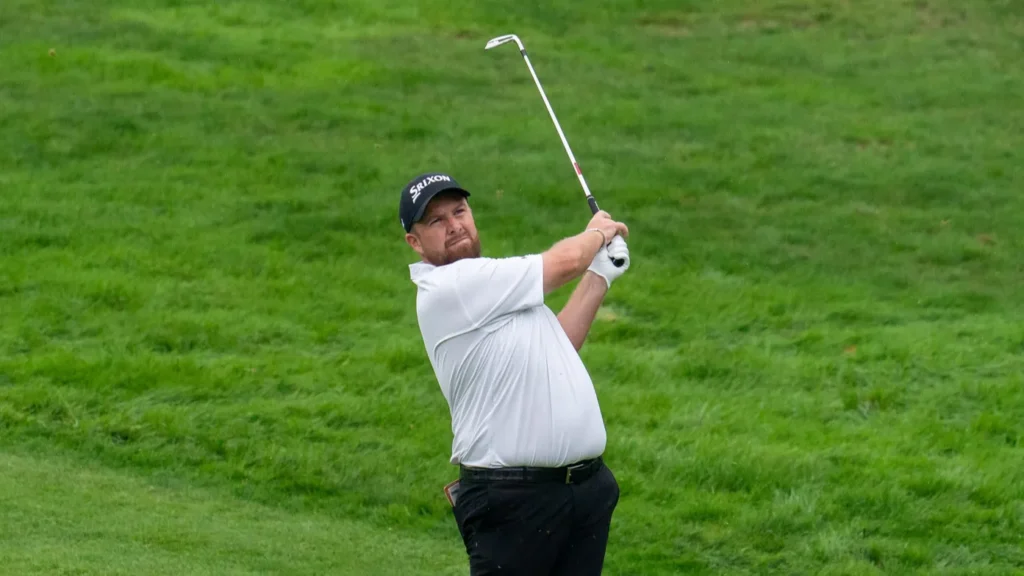
Shane Lowry surged in calmer weather
Friday brought calmer conditions and a faster pace than Thursday. Lowry produced a course-record 62, moving to 11 under through 2 rounds and taking a 3-stroke lead at the halfway stage.
McIlroy reached 2 under after Friday, while Tom McKibbin moved to 5 under. The calmer weather created easier playing conditions and quicker movement following Thursday’s wind-affected opening round at Doonbeg.
Scheffler reportedly said even $1 billion would not lure him away, underscoring how loyalty, career legacy, and competitive priorities can outweigh even extraordinary financial offers in professional golf.
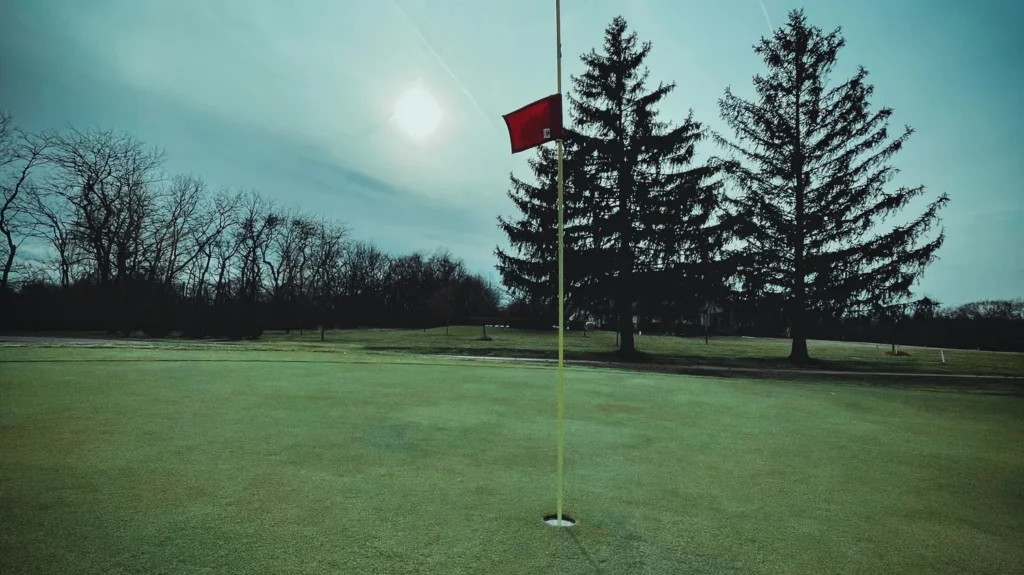
Doonbeg normally expects shorter rounds
Trump International Golf Links Ireland says an average round takes about 4 hours and 30 minutes. McIlroy’s 6-hour, 6-minute Thursday round lasted roughly 96 minutes longer than the course’s stated average.
Opening-day delays resulted from several connected factors. Strong wind, reachable holes, tricky par-3s, a lengthy ruling, lost balls, and backed-up groups combined to create the unusually slow pace across Doonbeg.
LIV Golf owes players at least $45 million after bankruptcy filing, showing how the league’s financial collapse could directly affect unpaid compensation and contractual obligations to its players.
Six-hour rounds tested the patience of Rory McIlroy, Shane Lowry, and spectators alike. What do you think golf should change to prevent delays like these? Share your thoughts in the comments below!
This slideshow was made with AI assistance and human editing.
Read More From This Brand: