
Six host nations will shape football’s biggest global celebration
The 2030 FIFA World Cup is set to make history in ways no previous tournament has. From a groundbreaking hosting plan to a celebration honoring football’s earliest roots, this edition promises to be unlike anything fans have seen before.
But which countries will welcome the world’s biggest sporting event, and what makes their roles so significant? Read on to learn more about the countries selected to host this historic tournament.
Spain will be one of the main hosts
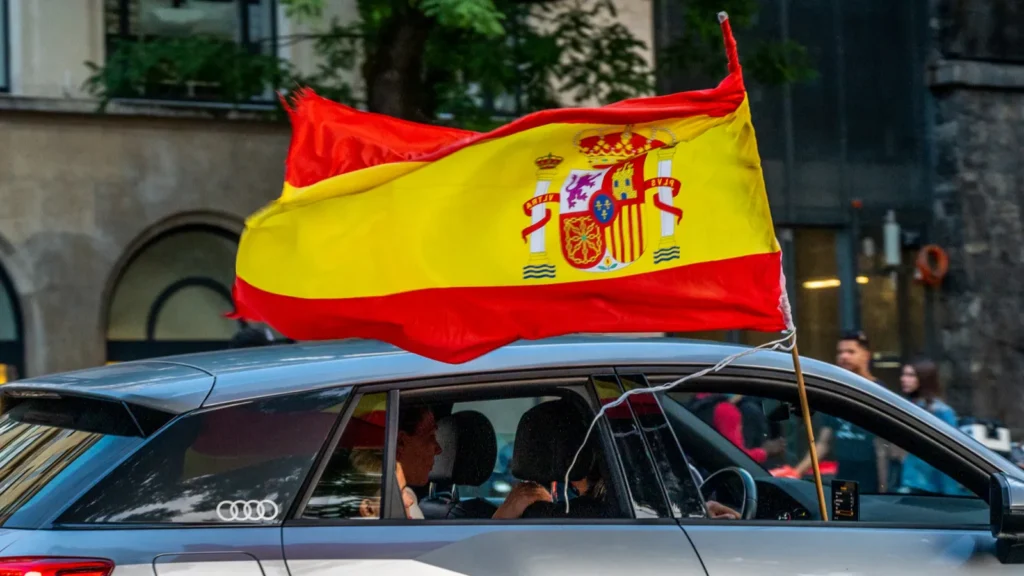
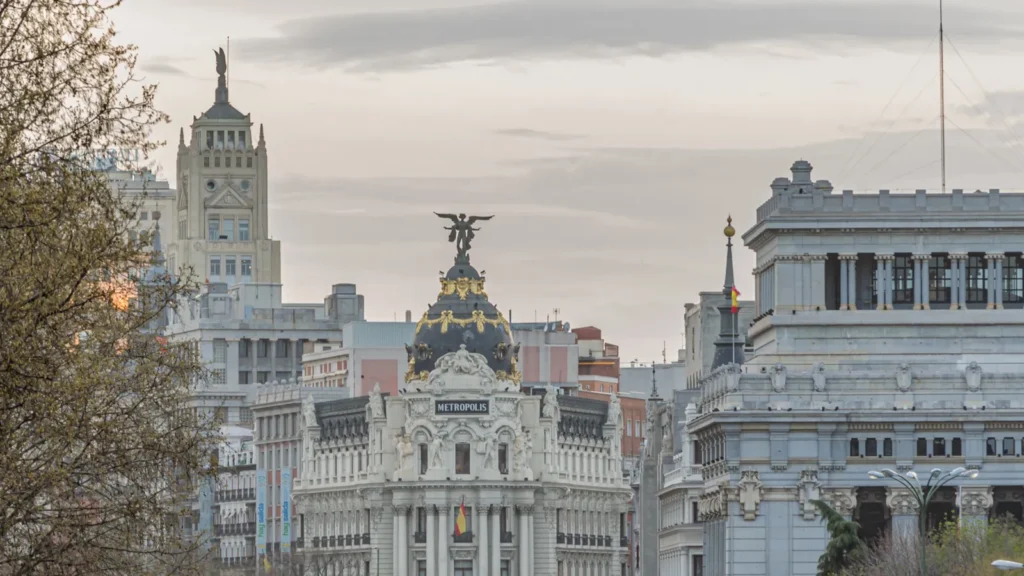
Spain will serve as one of the three main hosts of the 2030 FIFA World Cup alongside Portugal and Morocco after FIFA officially approved the joint bid. Spain previously hosted the FIFA World Cup in 1982 and already has numerous stadiums capable of staging major international matches.
Spain’s extensive transportation network and experience hosting major international sporting events strengthened its successful bid. The country regularly stages major UEFA competitions and remains one of Europe’s leading football destinations.
Portugal returns as a World Cup host
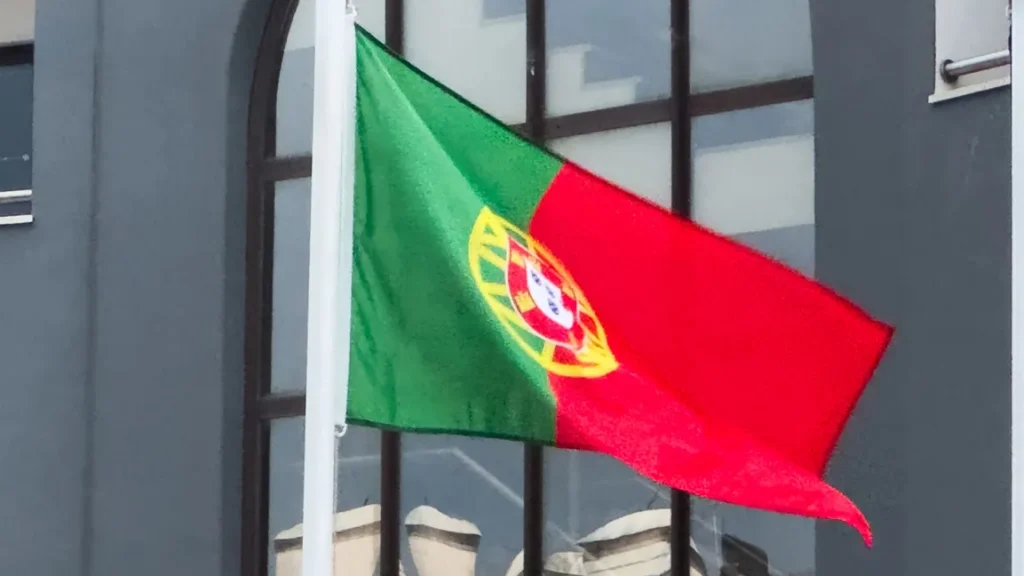
Portugal will co-host the FIFA World Cup for the first time, following its hosting of UEFA Euro 2004. The country’s existing stadium infrastructure and transportation systems played a major role in the successful joint proposal. Portugal will stage multiple matches during the main tournament alongside neighboring Spain.
Hosting the World Cup strengthens Portugal’s role in international football after years of success at both club and national team levels. FIFA selected the joint European-African proposal following its official bidding and approval process, completed during the Extraordinary FIFA Congress.
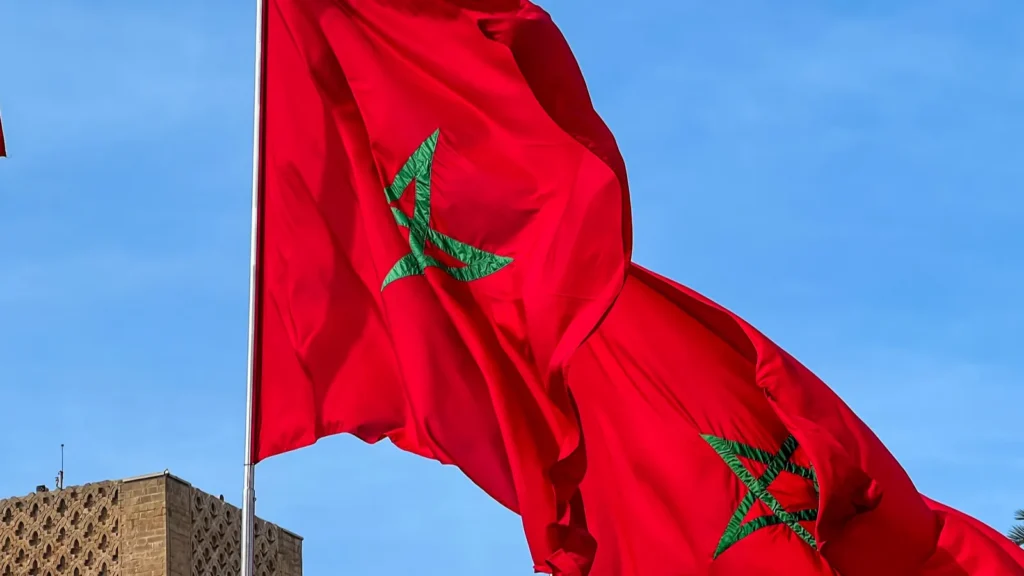
Morocco makes history for Africa
Morocco will become the second African nation to host FIFA World Cup matches after South Africa staged the 2010 tournament. It will also become the first country from North Africa to help host the men’s FIFA World Cup. Morocco’s inclusion creates a historic connection between Europe and Africa during the competition. Several Moroccan stadiums are planned for tournament matches.
Morocco has recently expanded its football infrastructure while hosting several major international competitions. The country’s successful partnership with Spain and Portugal creates the first FIFA World Cup jointly organized by nations from two different continents.
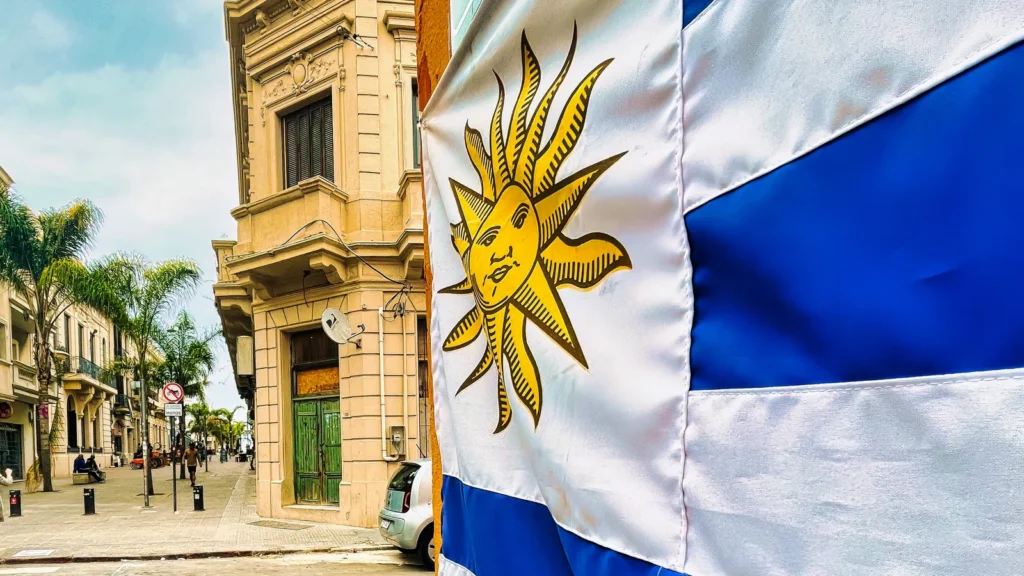
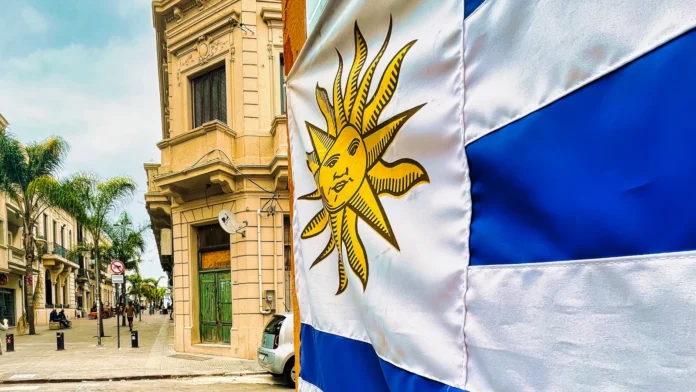
Uruguay will host a historic opening celebration
Uruguay will host one of the three special centenary matches honoring the first FIFA World Cup, which was held in Montevideo in 1930. Uruguay won that inaugural tournament, giving the country a unique place in football history. FIFA will also stage a centenary celebration in Montevideo to mark 100 years of the competition.
The centenary match will take place before the tournament officially begins in Morocco, Portugal, and Spain. As one of the six officially appointed host nations, Uruguay qualifies automatically for the 2030 FIFA World Cup.
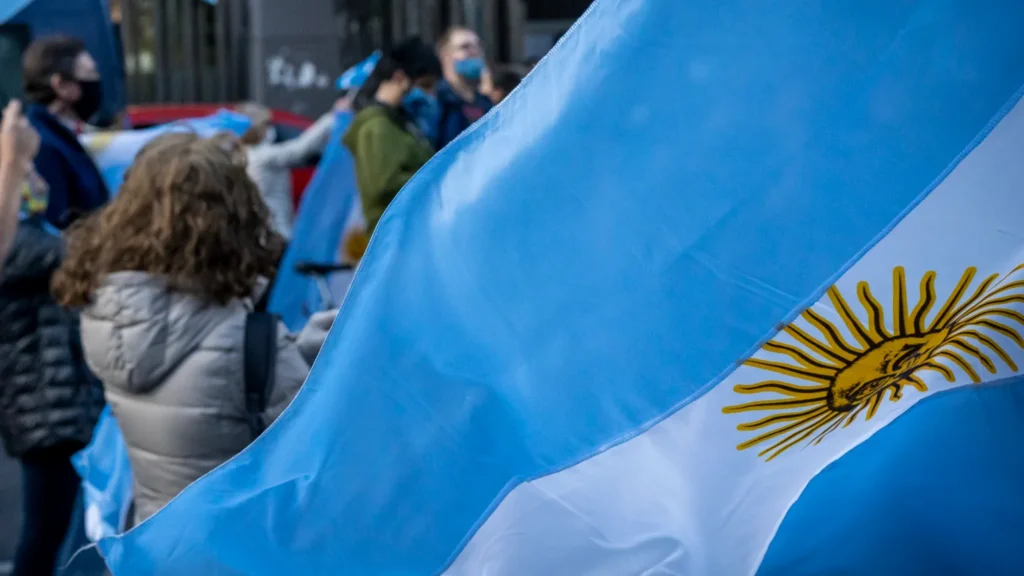
Argentina joins the centenary celebration
Argentina will stage one special World Cup match as part of FIFA’s centenary celebration. The country reached the final of the inaugural 1930 tournament before finishing as runner-up to Uruguay. Its inclusion recognizes Argentina’s important role in football history. Argentina will also qualify automatically for the tournament.
The celebration match allows South American fans to experience part of the World Cup before the tournament shifts to its primary hosts. Argentina remains one of football’s most successful nations, having won multiple FIFA World Cups.
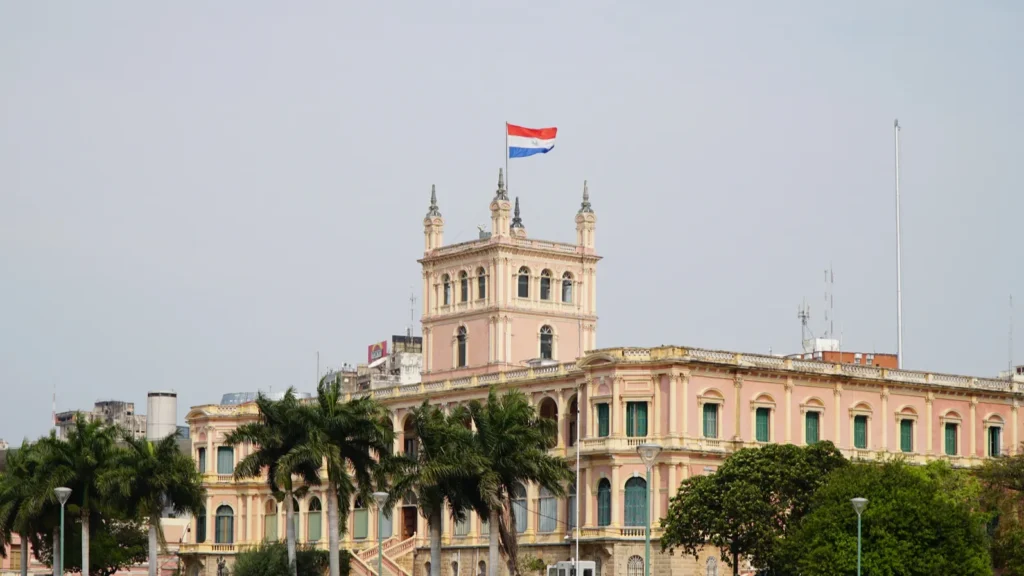
Paraguay completes the South American trio
Paraguay will host one official centenary celebration match during the 2030 FIFA World Cup. FIFA selected Paraguay because it is home to CONMEBOL, South America’s football governing body. The country becomes an official host despite staging only one tournament match. Paraguay also receives an automatic qualification through its hosting role.
The South American celebration highlights the continent where the FIFA World Cup began one hundred years ago. After these opening events, the tournament will continue primarily across Morocco, Portugal, and Spain.

The tournament will cross three continents
The 2030 FIFA World Cup will be the first edition to officially span Africa, Europe, and South America. Teams participating in the centenary matches will receive additional travel and recovery time before continuing the competition. FIFA designed the schedule to accommodate these longer international journeys. The overall international match calendar will remain unchanged.
FIFA says the revised schedule minimizes additional demands on players while preserving tournament operations. The organization expects the global format to showcase football’s worldwide reach during its centennial celebration.
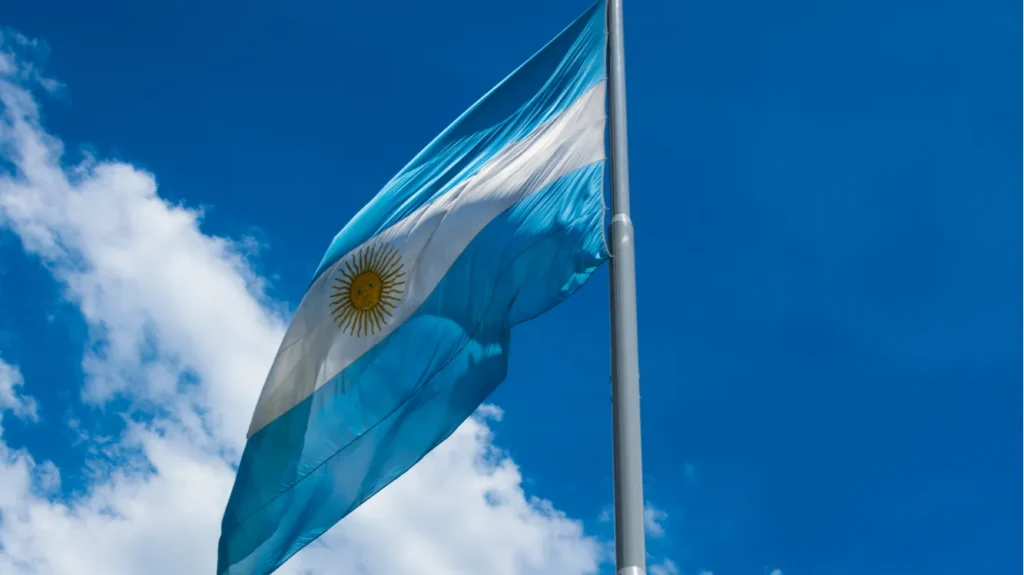
Six host nations qualify automatically
Morocco, Portugal, Spain, Uruguay, Argentina, and Paraguay qualify automatically for the 2030 FIFA World Cup because FIFA designated all six countries as official hosts of the tournament. The remaining places will be decided through qualifying competitions organized by each confederation.
The 48-team tournament provides sufficient places to accommodate the six automatic host berths while maintaining qualification pathways across all confederations.
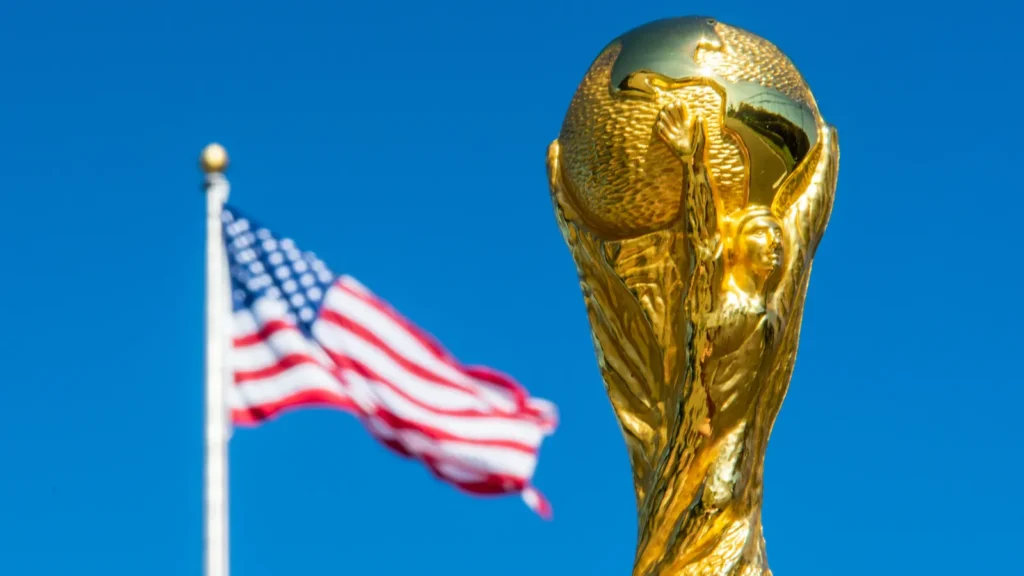
The event continues the 48-team era
The 2030 FIFA World Cup will feature 48 participating national teams, the same number as in the previous tournament. FIFA expanded the competition beginning with the 2026 edition to include more countries.
The combination of more teams and multiple host countries makes tournament planning significantly more complex than in earlier editions. FIFA continues developing operational details as preparations move closer to the competition.

FIFA confirmed the hosts in 2024
FIFA officially appointed the hosts of the 2030 FIFA World Cup during an Extraordinary FIFA Congress held in December 2024. Member associations approved Morocco, Portugal, and Spain as the primary hosts while confirming the three South American celebration matches.
The appointment followed evaluations of hosting requirements and infrastructure prepared by the bidding nations. FIFA described the tournament as a unique centenary celebration connecting football’s history with its modern global reach.
Preparations are already underway
Host countries continue planning stadium upgrades, transportation coordination, and tournament operations ahead of 2030. FIFA works with national organizing committees to prepare venues and supporting infrastructure over several years.
Long-term planning is standard for FIFA World Cups because of the scale of construction, logistics, and security requirements. The multinational format requires close coordination among all six participating host nations.
The internet is also talking about Gianni Infantino facing an ethics complaint over World Cup conduct.
A unique World Cup is approaching
The 2030 FIFA World Cup will mark 100 years since football’s first global championship while introducing an unprecedented hosting model. Morocco, Portugal, and Spain will stage the main competition, with Argentina, Paraguay, and Uruguay hosting special centenary matches.
As preparations continue, the competition remains one of the most anticipated sporting events of the decade. Its structure reflects both football’s historical origins and its continued worldwide expansion into a truly global tournament.
In other news, Erling Haaland and Jennifer Lopez attend a Dolce & Gabbana event after Norway’s World Cup exit.
Which 2030 FIFA World Cup host country are you most excited to see: Spain, Portugal, Morocco, Argentina, Paraguay, or Uruguay? Like this slideshow if you enjoyed it, and share your thoughts in the comments.
This slideshow was made with AI assistance and human editing.
Read More From This Brand: