



Rory’s view started the debate
Rory McIlroy praised the pathway that gives top DP World Tour players PGA Tour cards, calling it a powerful chance for golfers who earn results against deeper fields.
His view became controversial because critics believe the pathway can drain talent from Europe, leaving the DP World Tour looking weaker across important events and sponsor discussions among organizers.

The pathway gives players a bigger stage
The 10-card initiative rewards leading DP World Tour performers with PGA Tour access, where bigger fields, stronger events and ranking chances can change careers quickly for winners.
For ambitious players, the appeal is clear. Strong scoring can create entry into signature events and a faster rise against elite competition across America each week and beyond.

Critics fear Europe loses its pull
The concern is not about player ambition alone. Critics worry Europe’s main circuit loses star names when tournaments need sponsorship, attention, and a stronger identity from fans and players.
Ian Woosnam raised that question after McIlroy’s praise, asking how the DP World Tour could attract sponsors while successful players leave for bigger American stages more often.

Defenders see an old route made official
Supporters argue the system did not create the movement toward America. They believe it simply organized a route strong European players already chased for years before this alliance.
Former DP World Tour chief executive Keith Pelley defended the idea, saying it formalized a pathway rather than turning Europe into something new or diminished for players.
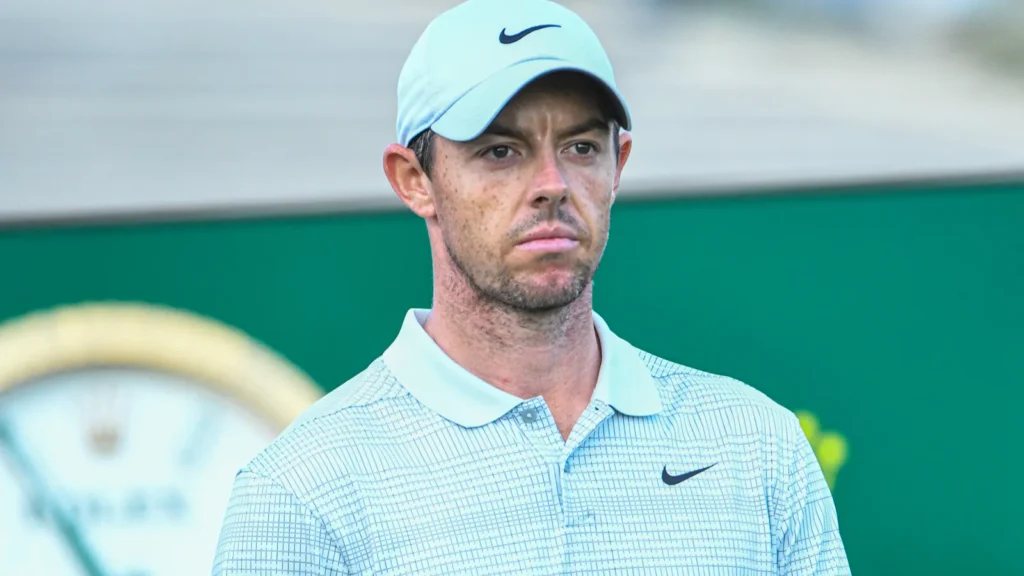
McIlroy pointed to Reitan’s rise
McIlroy used Kristoffer Reitan as his example, saying his PGA Tour win showed how the pathway can reward players who keep producing strong scores under pressure.
He said Reitan’s success can also help Europe later, because interest may follow him back when he plays DP World Tour events after August with extra attention.
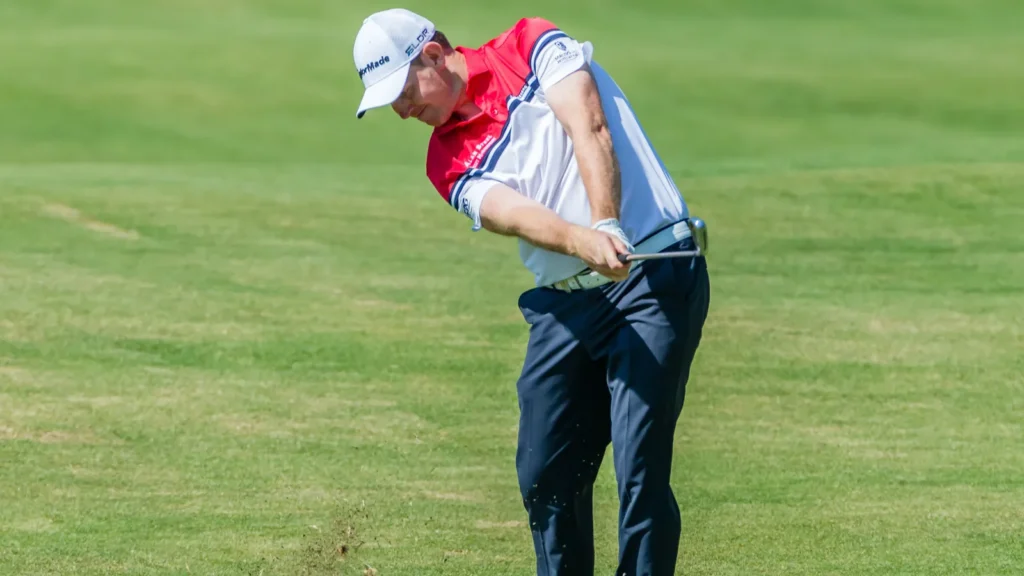
Gallacher sided firmly with Rory
Stephen Gallacher, a Ryder Cup winner from Europe’s 2014 team at Gleneagles, said he understood why McIlroy rated the pathway so highly in practice as the debate widened across golf.
Gallacher called the issue controversial, but argued players who reach America often progress quickly, which supports McIlroy’s confidence in the system for rising Europeans trying to prove themselves.

Bob MacIntyre became a useful example
Gallacher pointed to Bob MacIntyre as proof that a chance in America can sharpen a player rather than erase his European golf identity without compromise on bigger stages.
MacIntyre’s rise mattered because he turned opportunity into Ryder Cup relevance, giving Gallacher a clear example of the pathway working in practice for ambitious Europeans seeking growth.
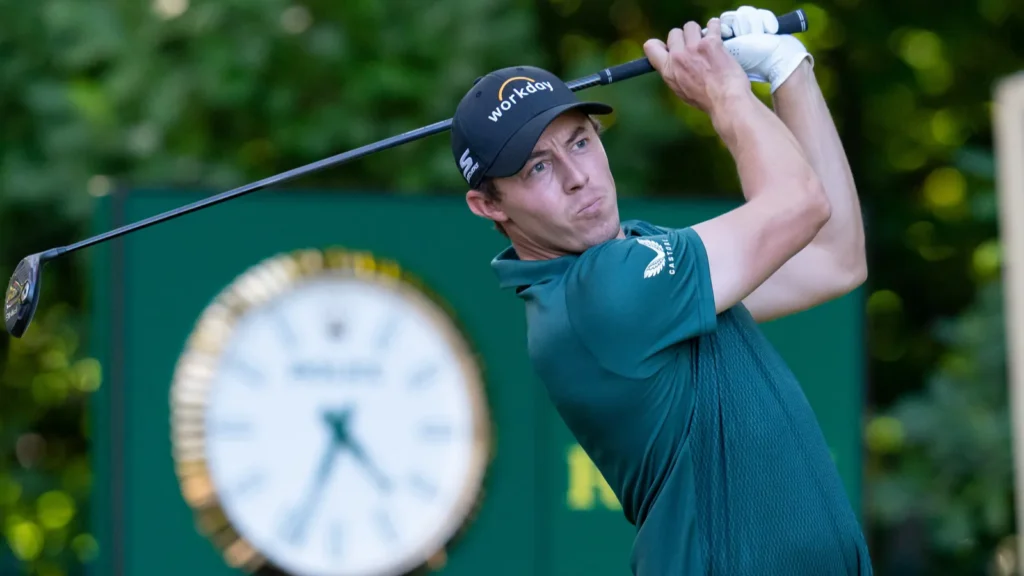
Rai and others widened the argument
Gallacher also mentioned Aaron Rai, the Fitzpatricks, and Reitan, saying their performances showed European players were not only making noise in majors during demanding moments across major weeks.
He highlighted Reitan’s elevated-event win as a major sign, because success in stronger PGA Tour fields gives the argument more weight across the season in more than theory.

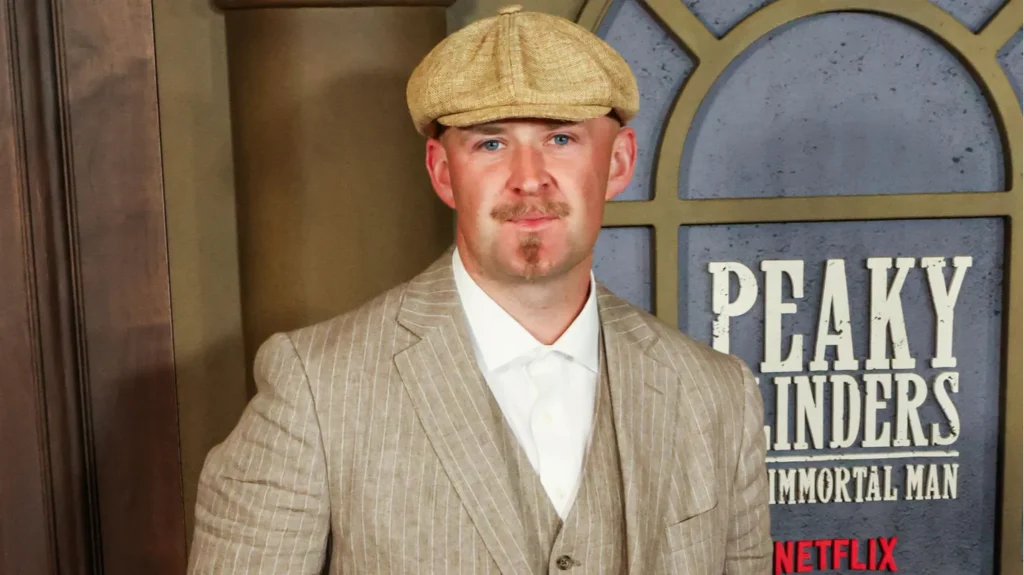
Europe still has depth beneath the stars
Gallacher pushed back against gloom by naming players just below the spotlight, including Harry Hall, Alex Fitzpatrick, Rai, Reitan, and the Hojgaards for future teams and planning.
His point was simple. Europe still has options, even if more of its strongest Ryder Cup candidates spend time competing in America against elite fields as well.

Luke Donald’s selection picture changed
Gallacher said Luke Donald had to consider that many leading European players were earning points in America against stronger fields each week for selection and team balance.
That shift affects Ryder Cup planning, because form on the PGA Tour carries weight when captains compare players facing different competitive levels across a season and team roles.
Fun fact: Stephen Gallacher helped Europe win the 2014 Ryder Cup at Gleneagles, just 35 miles from his Linlithgow home. Pretty tidy commute.

Rai drew special Ryder Cup praise
Gallacher gave Rai a strong endorsement for Europe’s 2027 Ryder Cup picture, praising his temperament, humility, and reliability when pressure rises in tense closing stretches for Europe.
He said players would want someone like Rai as a partner, especially after a major win lifted his reputation to another level on pressure stages when matches tighten.

The debate is really about identity
The larger question is whether Europe should protect its own tour or celebrate a system that lets its best players climb faster through proven results and merit.
McIlroy and Gallacher lean toward opportunity, while critics see risk. That contrast explains why the 10-card pathway keeps dividing opinion inside wider European golf circles and observers.
Despite their loyalty, stars like Rory McIlroy and Scottie Scheffler are increasingly choosing rest over Signature Events. Explore how recent scheduling demands and logistical burnout are forcing the PGA Tour to confront a growing crisis with its most iconic players.

The pathway may reshape European golf
If the strongest players keep succeeding in America, the DP World Tour could gain returning stars while still losing week-to-week presence during key stretches each year.
That balance makes McIlroy’s view so interesting. Gallacher agrees because he sees proof, but the argument over Europe’s future remains unsettled for decision makers across both tours.
Scottie Scheffler showed incredible grit at the RBC Heritage, overcoming a three-shot deficit to force a playoff before ultimately falling to Matt Fitzpatrick. Dive into our analysis of the mental toll this high-stakes battle takes on the world No. 1.
What do you think matters more for European golf, protecting the DP World Tour’s identity or giving rising players a clearer PGA Tour pathway? Share your thoughts.
This slideshow was made with AI assistance and human editing.
Read More From This Brand: