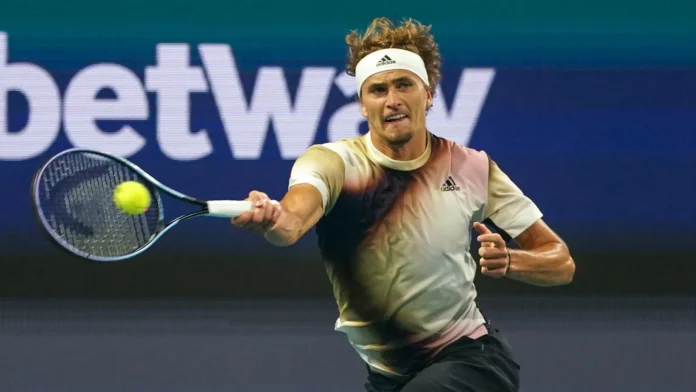
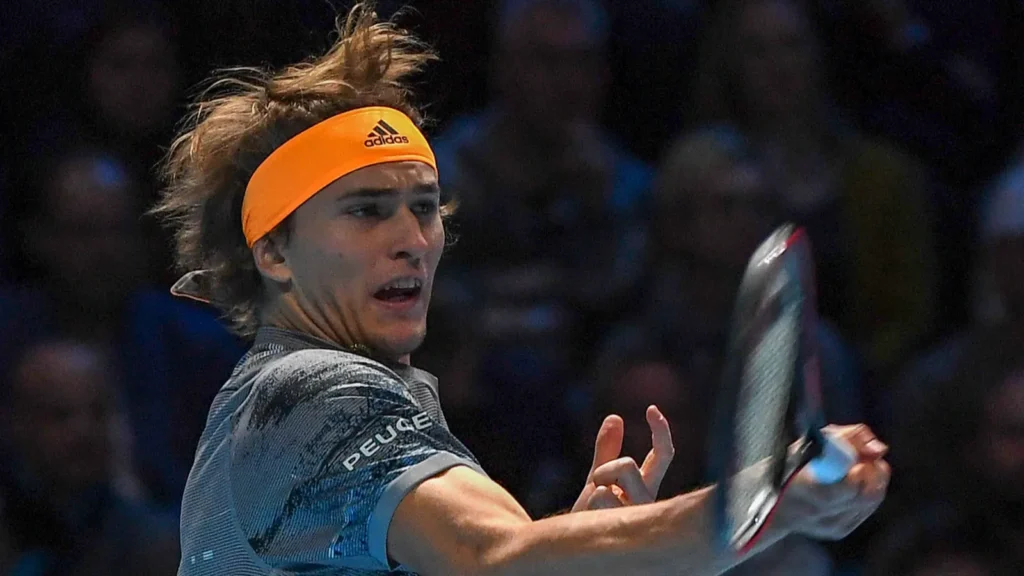
Alexander Zverev’s routine frustrates Shelton
Alexander Zverev defeated Ben Shelton in the 2026 US Open final on September 13 at Arthur Ashe Stadium. Their match also sparked debate over Zverev’s lengthy routine before serving.
Shelton objected after chair umpire Marijana Veljovic told him to reach the baseline earlier while receiving. He said Zverev sometimes bounced the ball 20 to 25 times before serving again.

Ben Shelton explains his frustration
Shelton said remaining in a ready position for about 30 seconds created unnecessary physical tension. He preferred staying loose during Zverev’s routine while insisting he would still be fully prepared.
He accepted that Zverev could use his routine but objected to waiting in a fixed receiving stance throughout lengthy sequences of bounces. His complaint focused instead on receiver preparation rules.

Grand Slam rules explain the dispute
Grand Slam rules allow 25 seconds from the end of one point until the next first serve is struck. After a fault, the second serve must follow without undue delay.
Receivers must follow the server’s reasonable pace and be ready within a reasonable time. That wording allowed Veljovic to tell Shelton to move into his receiving position much sooner.
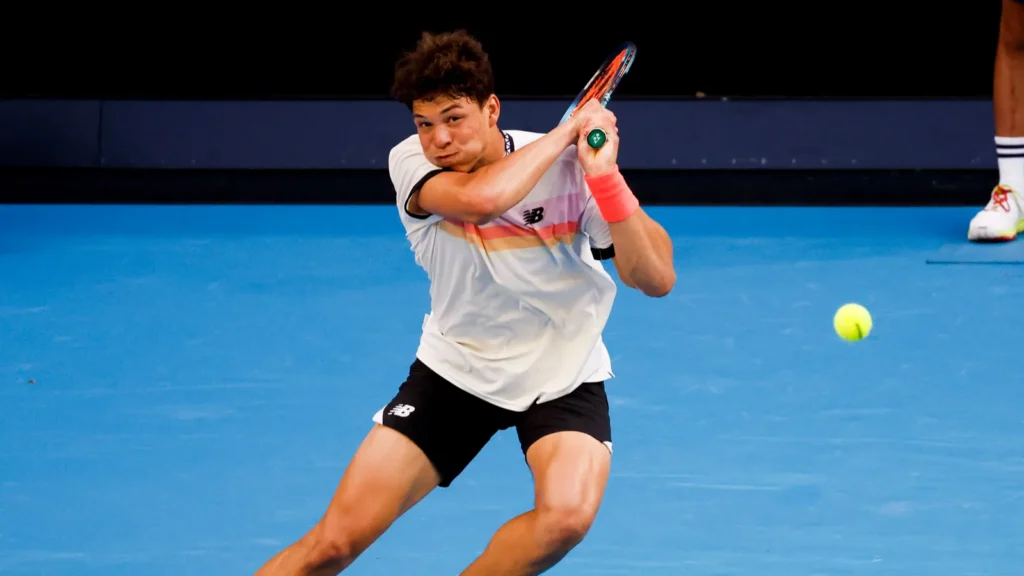
Ben Shelton wants a second serve limit
Grand Slam rules do not assign a separate visible countdown between first and second serves. Shelton argued that this gap allowed lengthy second-serve routines without the same clear timing reference.
He did not propose removing pre-service routines. Shelton said players should retain freedom before first serves, but he wanted a defined limit on second serves to keep play moving more predictably.
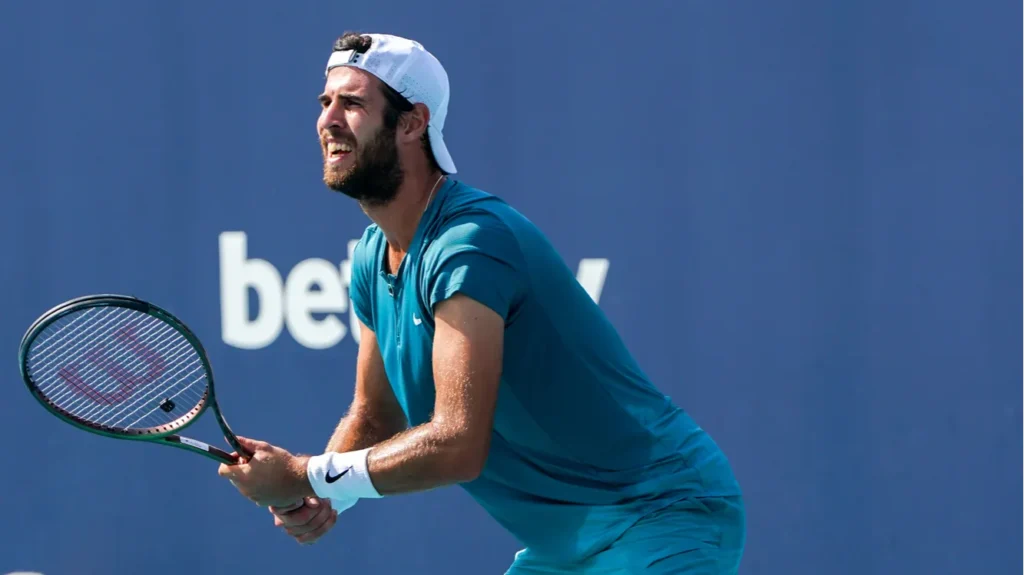
Karen Khachanov had the same concern
Karen Khachanov raised a similar concern after losing to Zverev in the semifinal. He said the repeated bounces made it harder to time his split step while preparing to return.
Khachanov also acknowledged that Zverev could continue the routine under the existing rules. His comments showed Shelton was not the only opponent affected by Zverev’s serving preparation.
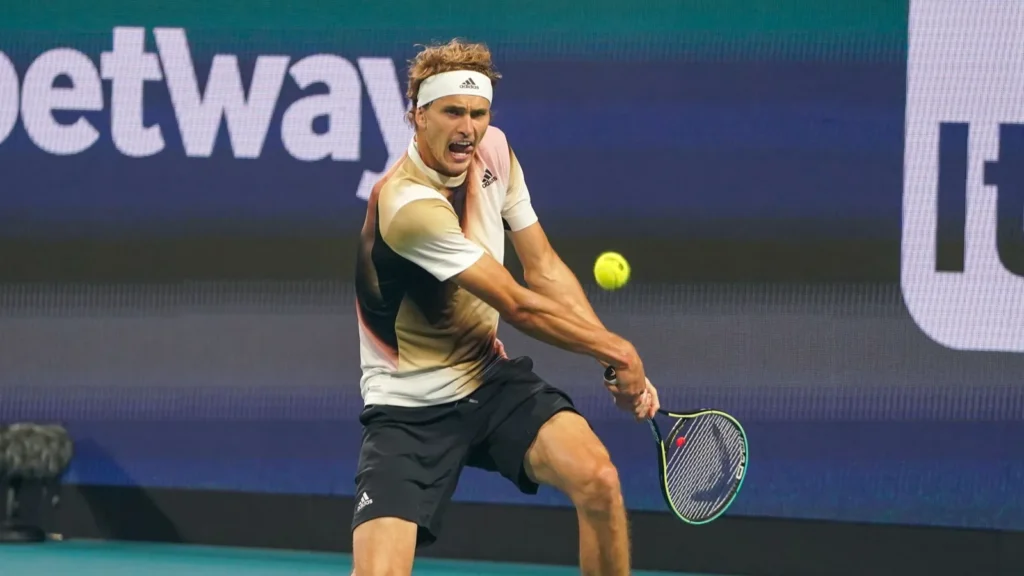
Alexander Zverev controls the final
Zverev controlled the final, winning 6-3, 7-6 (2), 5-7, 6-2 in four sets. Shelton ended Zverev’s run of 66 consecutive service holds by breaking late in the third set.
That break helped Shelton extend the match, but Zverev regained control. Zverev lost only four points on serve in the fourth set before closing the championship with an unreturned serve.
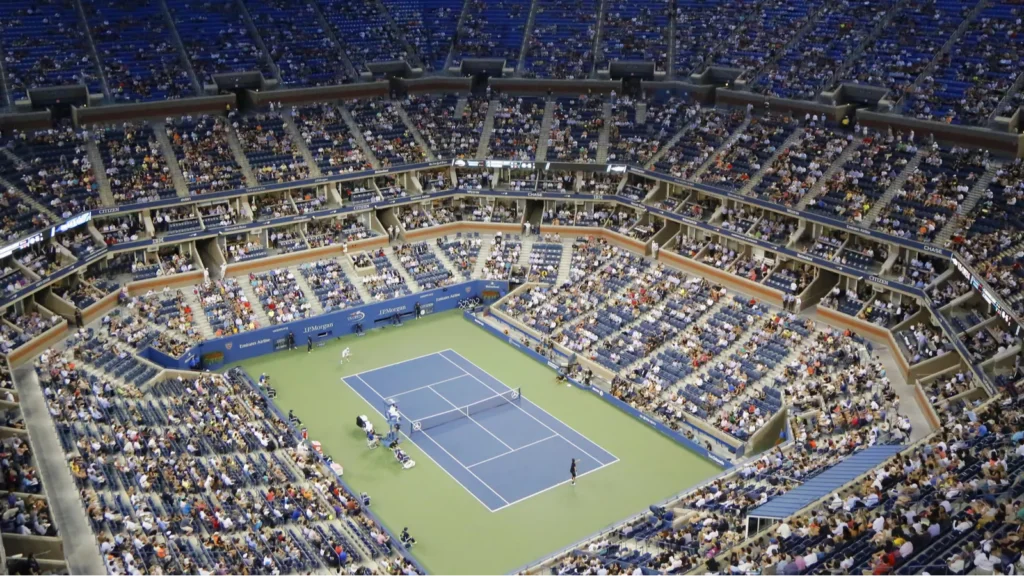
Alexander Zverev makes US Open history
Zverev’s victory delivered his first US Open title and second Grand Slam championship of 2026 after Roland Garros. He became the first German man to win there again since 1989.
Shelton reached his first Grand Slam final as the No. 8 seed. He became the first Black American man to reach the US Open men’s singles final since Arthur Ashe.

Alexander Zverev extends two streaks
The defeat extended the American men’s major title drought that began after Andy Roddick’s 2003 US Open victory. Shelton entered the final with a chance to end a 23-year wait.
Zverev’s victory extended his perfect career record against Shelton to 6-0. Before their first Grand Slam meeting, the German had already defeated Shelton five times, beginning with their 2024 matchup.
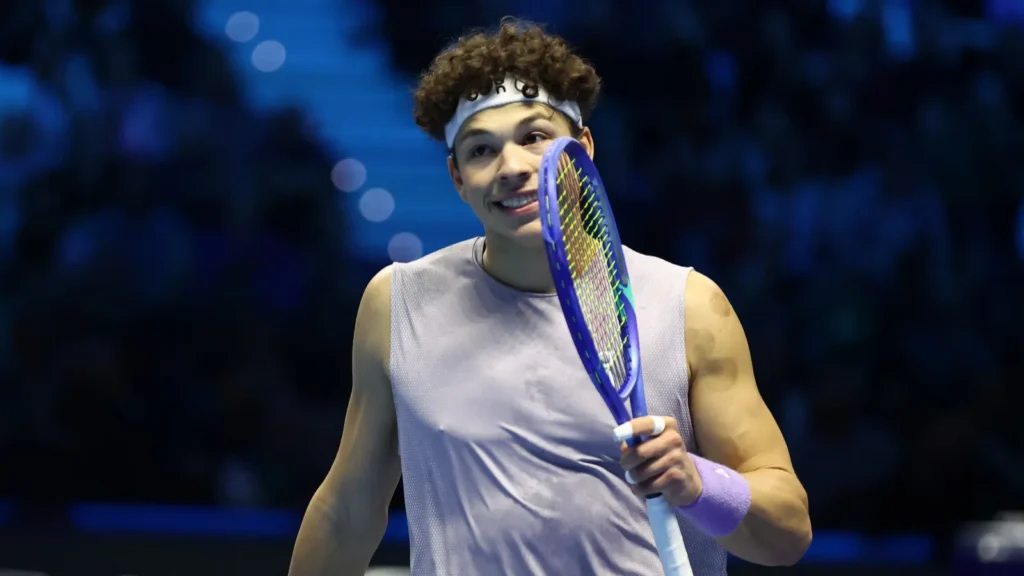
Ben Shelton earns his first major final
Shelton reached the final after defeating defending champion Carlos Alcaraz in five sets during the quarterfinals. He then beat Frances Tiafoe in four sets to reach his first major final.
His tournament also included a 149 mph serve against Alcaraz, the fastest recorded at the 2026 US Open. That power helped Shelton win six matches before losing the final itself.
Tennis already uses visible shot clocks
Tennis uses shot clocks to control the pace between points. ATP rules require electronic timing devices at tour events, providing players and officials with a visible reference for standard match intervals.
Second serves follow a different wording. The server must deliver without delay, leaving chair umpires to judge acceptable timing rather than applying a separate fixed countdown in standard professional match play.
Fun fact: At the 2026 US Open, Zverev’s bouncing irritated more than Shelton. Karen Khachanov said he sometimes reset his split step repeatedly while waiting.
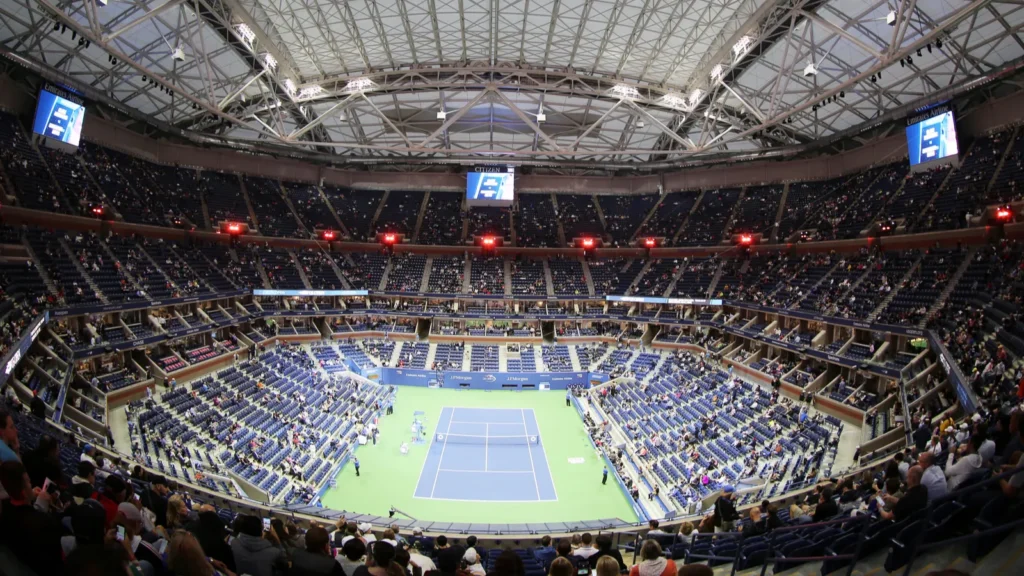
ATP has tested an eight second limit
The sport has tested a more specific approach. At the 2025 Next Gen ATP Finals, players had up to eight seconds between first and second serves, with a visible clock.
That experiment did not apply at the 2026 US Open, but it showed that tennis can measure the interval directly. Shelton’s complaint, therefore, echoed a rules concept already tested professionally before.
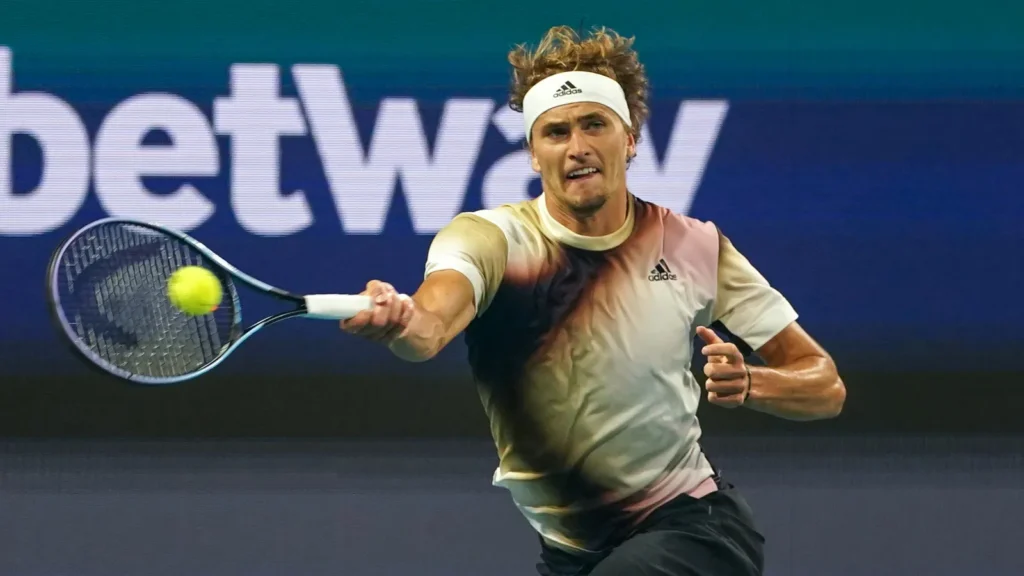
Alexander Zverev caps major season
Zverev entered the final as the top seed and reigning Roland Garros champion. He also reached the Wimbledon final, giving him three consecutive major championship appearances before winning New York.
Zverev, 29, finished the 2026 major season with a 25-2 record. His US Open title followed years of near misses, including a five-set defeat in the 2020 final.
Michelle Obama faces fan backlash after singling out Coco Gauff at the US Open, reflecting how high-profile praise can quickly become a wider debate over fairness, attention, and recognition across American tennis.
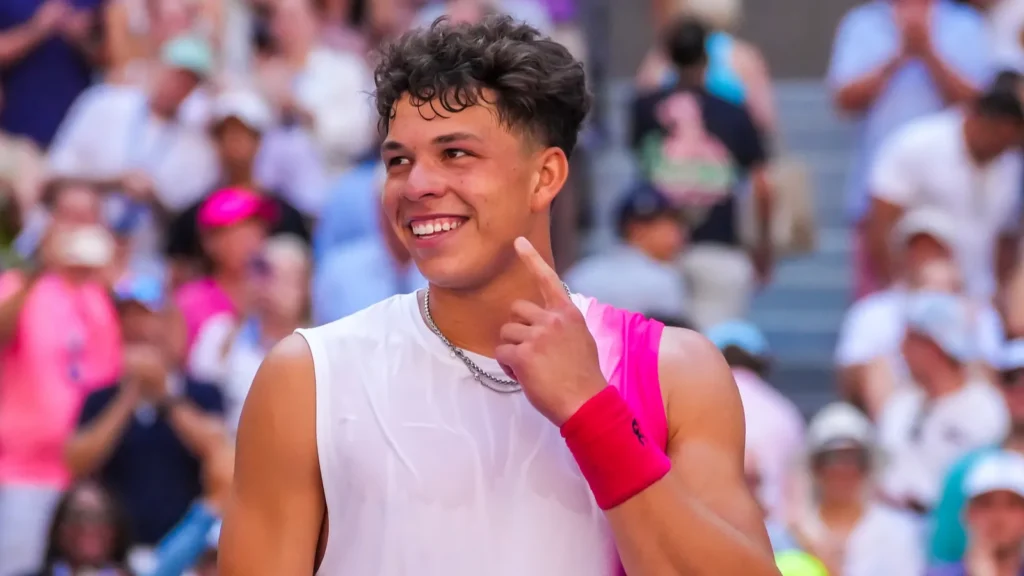
Ben Shelton turns loss into rule debate
Shelton left New York without the title but with his deepest Grand Slam run. The 23-year-old said reaching that stage was motivating and stressed he still had room to improve.
His complaint centered on procedure rather than the final result. Zverev won the championship, while Shelton used the post-match discussion to question the receiver’s readiness and second-serve timing in tennis.
Angel Reese helps Team USA turn a 14-point deficit into its fifth straight World Cup title, showing how resilience, depth, and late-game execution can reshape a championship result even after an uneven start.
Should tennis introduce a clear time limit between first and second serves, or should players keep control of their routines? Share your thoughts in the comments below!
This slideshow was made with AI assistance and human editing.
Read More From This Brand: