

A practice review starts the debate
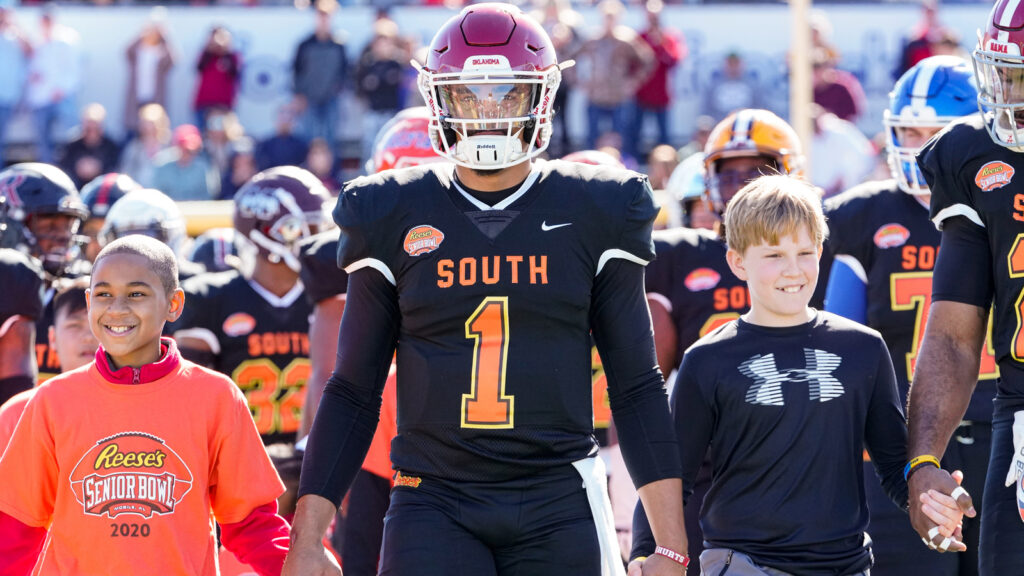
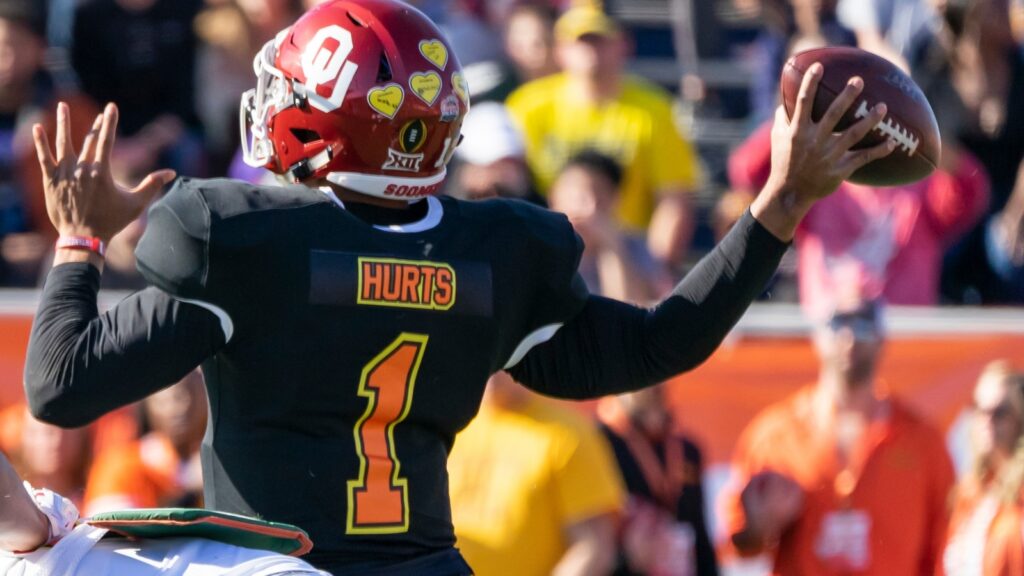
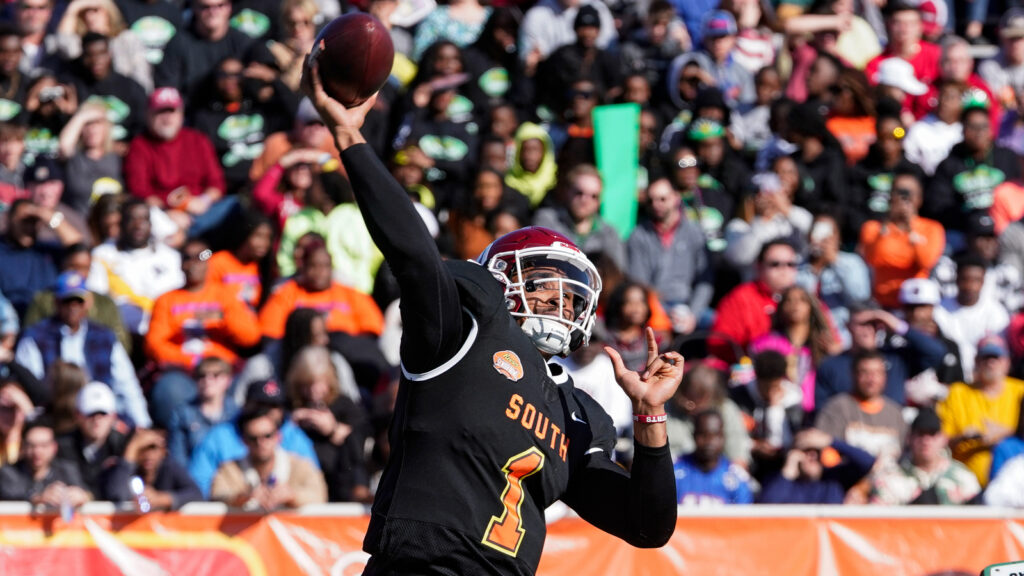
Jalen Hurts arrived at Philadelphia Eagles OTAs with attention already on his next step under new offensive coordinator Sean Mannion and a developing offensive plan for 2026.
The latest practice brought mixed reviews because Hurts showed progress in some moments, but his timing, placement, and decision-making still left room for cleaner execution in practice.
A strong start raised expectations
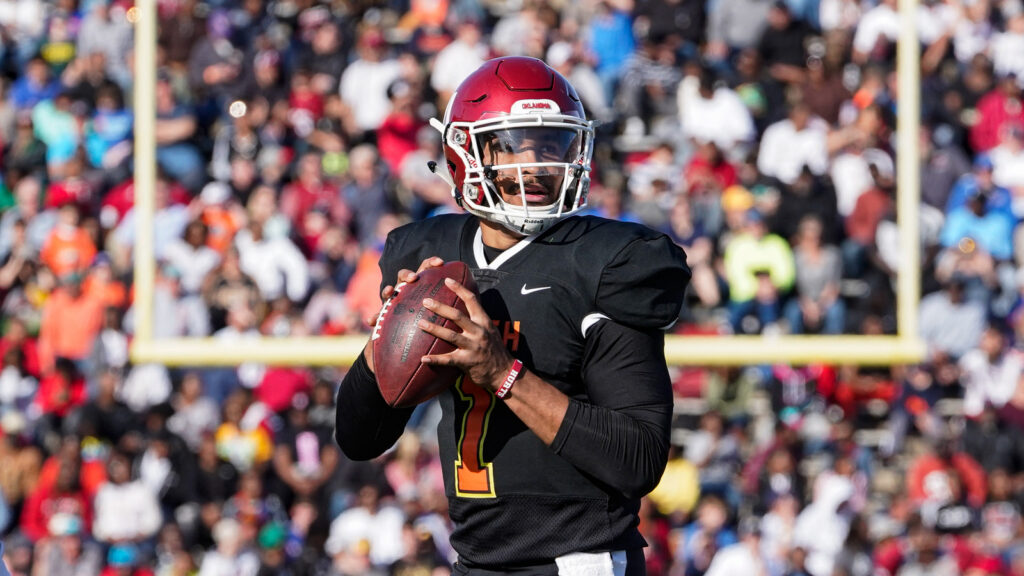
Before the rougher review, Hurts had given reporters a sharper opening look by completing 11 of 14 passes during the first media access practice session for Philadelphia.
That early efficiency mattered because it gave fans a reason to expect quick comfort in Mannion’s system, even before the larger adjustment process became clear in practice.
The next viewing looked uneven
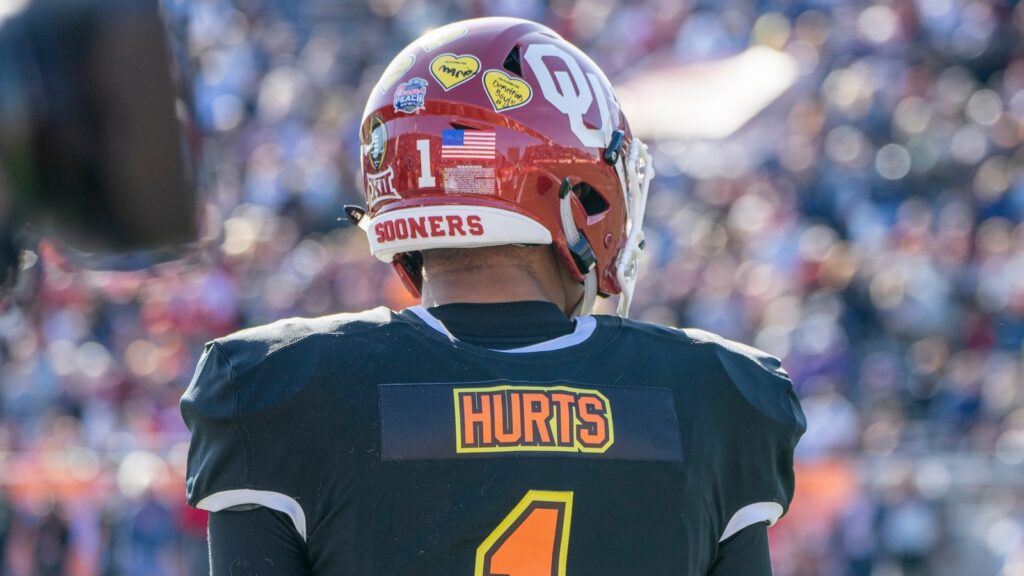
The second media viewing changed the tone. Hurts did not look as steady, and the practice became a reminder that spring work can expose visible flaws for Philadelphia.
That uneven session mattered because OTAs are built for installation, timing, and correction, not polished performances. Still, every visible mistake around Hurts drew attention from reporters.
An early interception stood out
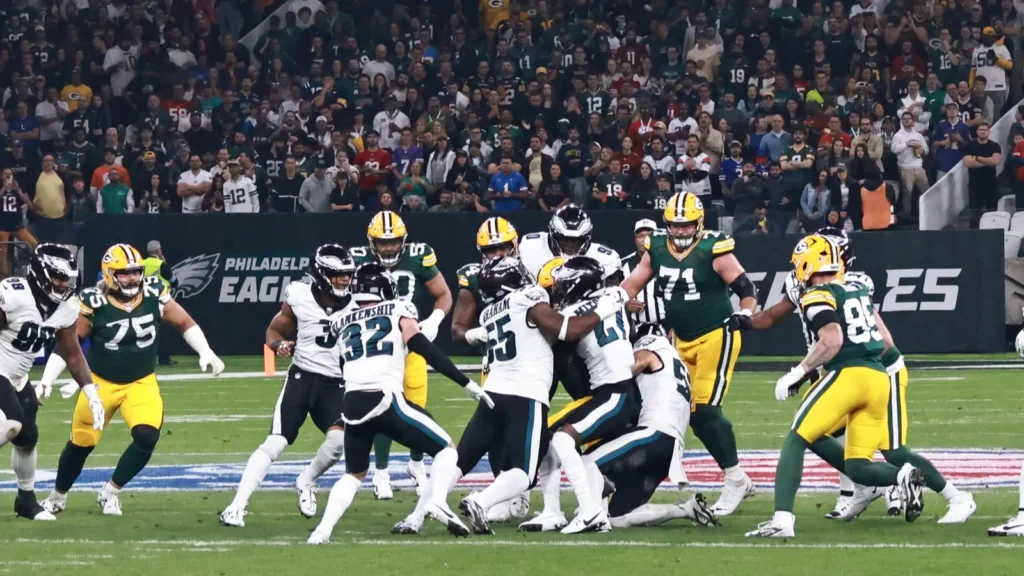
The most noticeable mistake came during seven-on-seven work, when Jeremiah Trotter Jr. intercepted a pass that was reportedly thrown directly to him during team drills.
That moment shaped much of the reaction because turnovers remain a sensitive topic for Philadelphia, especially when the quarterback is learning fresh reads and mechanics at OTAs.
Two touchdowns softened the criticism
Hurts did respond after the interception by throwing 2 touchdown passes, showing that the practice was not simply a bad session from start to finish that day.
One scoring throw to Dontayvion Wicks drew some questions, which kept the review mixed rather than fully positive after the early turnover concern remained fresh for viewers.
Missed throws kept questions alive
The concern returned later when Hurts overthrew Hollywood Brown and also missed DeVonta Smith near the end of practice, leaving reporters with sharper closing notes that day.
Those misses mattered because mechanics are judged through repeatability. A quarterback can flash good throws, but practice reviews often focus on whether accuracy stays stable over time.
Mannion’s offense changes the job
The broader issue is not only one practice. Mannion’s scheme asks Hurts to work more under center and attack the middle of the field for Philadelphia.
That shift creates a different rhythm for Hurts, who has often been more comfortable reading from shotgun looks while controlling the play in front of him after snaps.
The middle of the field matters
Attacking the middle can help an offense find easier completions, but it also asks the quarterback to trust timing, windows, and route spacing quickly in traffic.
For Hurts, that emphasis explains why mechanical details are being watched closely. Footwork, release timing, and eye discipline can decide whether those throws arrive cleanly during practice.
Under center adds another layer
Working under center changes more than the starting spot. It affects footwork, drop timing, play action, and how quickly the quarterback turns into his read during practice.
That makes the adjustment visible during practice. If the rhythm is slightly late, throws can sail high, arrive behind receivers, or invite defensive breaks from coverage during team drills.
A new play caller adds pressure
The report noted Hurts is learning from a new play caller again, continuing a pattern of offensive change across his NFL career in Philadelphia once more.
That context helps explain the uneven reviews. Constant change can build adaptability, but it also forces a quarterback to reset language, timing, and habits each offseason.
Adaptability remains his counterpoint
The same report also noted that Hurts has shown adaptability across different systems, which keeps the practice criticism from becoming a final judgment by observers around Philadelphia.
That matters because June mistakes do not automatically predict September problems. They can simply show where a quarterback is still processing a changed offensive structure under Mannion this offseason.
Mixed reviews make sense
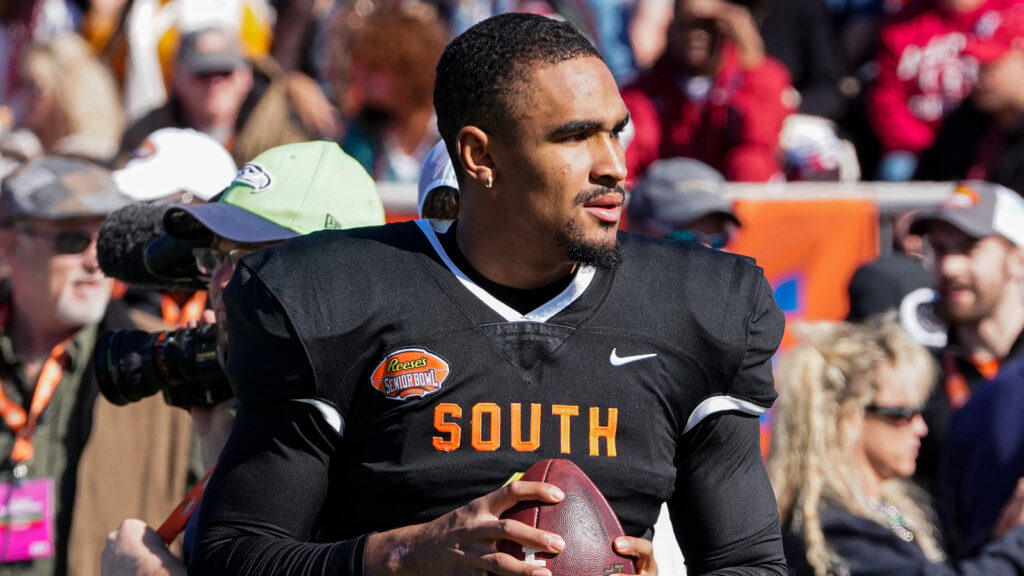
The reaction feels mixed because both sides have evidence. Hurts made mistakes that looked rough, but he also answered with scoring throws during the same practice.
That balance is why the discussion has not landed in one place. The practice showed real concerns, but it has not been proven that the new offensive direction is failing after one session.
Patrick Mahomes chasing revenge against the Broncos already adds major drama to Week 1, but explore why the Chiefs’ quarterback believes this recovery could redefine the next stage of his career.
The next practices carry weight
The story moves forward through repetition. Hurts will need cleaner timing, fewer forced passes, and steadier placement as Philadelphia keeps installing Mannion’s offense through OTAs.
If those details improve, the early mixed reviews may look like a normal spring adjustment. If they linger, the mechanical conversation around Hurts will grow louder around Philadelphia this summer.
Tom Brady’s rise shows how one harsh comment can sharpen a champion’s mindset. To understand how that insult shaped his NFL journey, dive into the story behind the coach’s words and Brady’s response.
Do you think Jalen Hurts’ mechanical changes are just normal offseason work, or should Eagles fans be concerned by the mixed practice reviews? Share your thoughts in the comments below!
This slideshow was made with AI assistance and human editing.
Read More From This Brand: