Baseball is often called America’s pastime, a sport woven into the fabric of towns and cities, big and small. At the heart of that fabric is the world of minor league baseball: the teams, the players, and the communities they serve. While the spotlight often shines on the major leagues, it’s the minor leagues that keep the game grounded in everyday life.
From local ballparks filled with families and fans to young players chasing big-league dreams, minor league baseball matters. This article explores why that’s true and why it continues to play an important role in American sports and culture.
The Roots of the Minor Leagues
The minor league system has a long and storied history in American baseball. Today, Minor League Baseball (MiLB) includes more than a hundred teams across the United States and Canada, most affiliated with Major League Baseball (MLB) clubs as part of a “farm system.” These teams help develop players and bring professional baseball to communities far beyond the major-league cities.
In the early 20th century, baseball fans in smaller towns had local clubs to cheer for. The minor leagues offered professional competition, local heroes to support, and opportunities for raw talent to grow. A turning point came when Branch Rickey helped create the modern “farm system,” allowing major league teams to own or affiliate with smaller clubs.
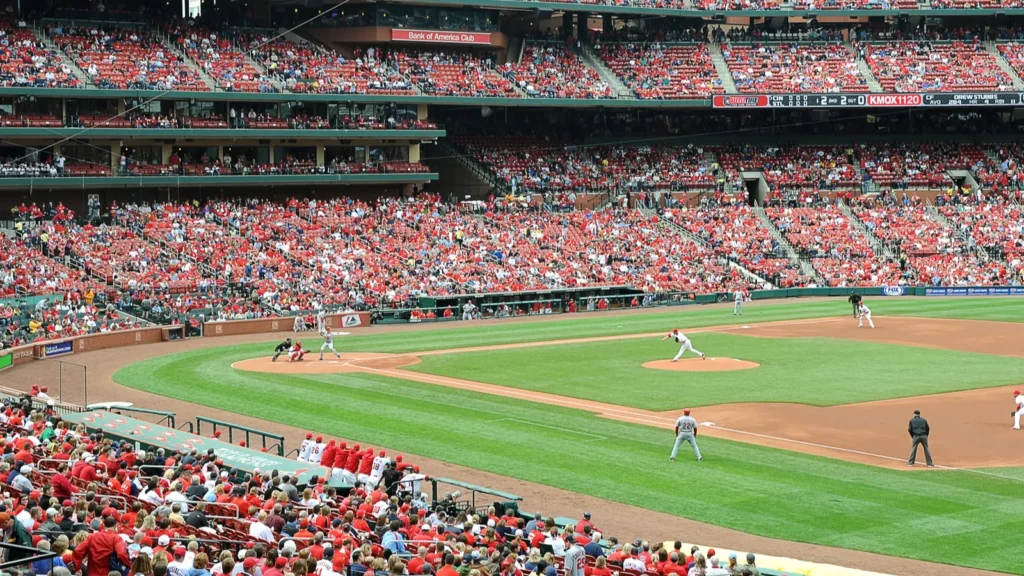
This structure let prospects develop their skills in the minors before advancing to the big leagues.
But the minor leagues did more than just train players. They brought baseball to everyday Americans, gave young athletes a path forward, and offered affordable, family-friendly entertainment. As television, major league expansion, and rising costs changed the sports landscape in the mid-20th century, many minor league teams struggled.
By the 1980s, the system had contracted, and many franchises relied heavily on major league support.
The story didn’t end there. During the 1990s and 2000s, the minors enjoyed a revival. New stadiums opened, fan experiences improved, and promotions became creative and community-focused. Attendance rebounded as fans embraced the chance to see future stars in an intimate, local setting.
In short, the minor leagues began as local clubs, evolved into a player development system, endured challenges, and ultimately reinvented themselves to stay relevant.
Why the Minor Leagues Still Matter
Player Development and the Road to the Big Leagues
One of the most important roles of the minor leagues is developing athletes for Major League Baseball. The affiliate system lets young players refine their skills, gain real game experience, and adjust to the demands of professional play before reaching the majors. This setup gives big-league teams a steady flow of new talent while giving players a structured way to rise through the ranks.
Minor league baseball isn’t just practice, the games count, statistics matter, and performance determines promotion. Coaches, trainers, and scouts track progress closely, helping shape players into potential major leaguers. Without this system, the leap from amateur or college baseball to the MLB would be far more difficult.
Community Connection and Local Entertainment
While Major League Baseball often focuses on big markets and global audiences, the minor leagues stay rooted in local communities. That’s one of their greatest strengths. These teams are often deeply woven into the social life of smaller towns and mid-sized cities. They host youth camps, school events, charity drives, and community nights that make baseball accessible to everyone.
Because ticket prices are lower and the atmosphere more relaxed, going to a minor league game feels personal and welcoming. For many families, it’s a chance to enjoy professional baseball without breaking the bank. Many fans describe the experience as more connected, where they can meet players, enjoy creative promotions, and feel part of the team’s journey.
Economic and Cultural Impact
Beyond entertainment, minor league baseball also boosts local economies. Teams create seasonal jobs, drive business for nearby restaurants and hotels, and attract visitors who spend money in the area. In some cities, new or renovated stadiums have helped spark downtown development and revitalization projects.
Culturally, minor league baseball spreads the love of the game to regions without a major league presence. It keeps the sport alive in rural areas and smaller cities, introducing new generations to baseball’s rhythms, from the national anthem before first pitch to the crack of the bat under stadium lights.
In short, minor league baseball develops players, connects communities, and strengthens local economies. It offers something uniquely American, a down-to-earth version of the game that blends hope, tradition, and community spirit.
Challenges and the Way Forward
League Restructuring
In 2020 and 2021, Major League Baseball reorganized its minor league system, reducing the number of affiliated teams from roughly 160 to around 120. The restructuring aimed to improve efficiency and player conditions but also meant some communities lost their teams. For many fans, that change was a painful reminder of how fragile small-market baseball can be.
Player Pay and Living Conditions
Another ongoing issue is player compensation. For years, minor league players earned modest salaries that often made it difficult to cover living expenses. In recent seasons, MLB has taken steps to improve wages and provide better housing options. These changes mark progress, but the conversation around fair treatment and support for developing players continues.
Competition for Fans
Today’s entertainment market is crowded. Streaming platforms, social media, and other sports compete for attention. Minor league teams have responded with creative promotions, theme nights, fireworks shows, and family-friendly pricing, to keep fans engaged. Many clubs have embraced a “fun-first” approach, emphasizing experience over outcome, and it’s working.
Balancing Player Development and Fan Experience
Minor league baseball has to balance two missions: developing players for the majors and entertaining fans at home. Frequent roster changes can make it tough for fans to form lasting connections with players, but successful teams bridge that gap by celebrating players’ growth and including fans in their stories.
The Path Ahead
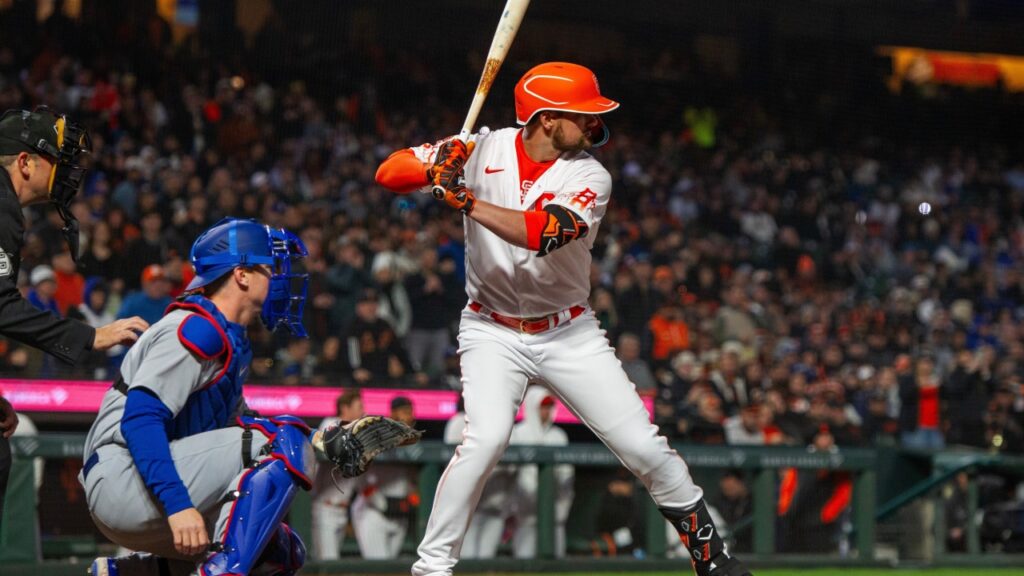
The future of minor league baseball depends on strengthening its identity, local, affordable, and connected to the dreams of the big leagues. Continued investment in facilities, fair treatment for players, and creative fan experiences will keep the sport thriving. If the minors continue to focus on what they do best, community connection and player growth, they’ll remain vital to the game’s future.
Frequently Asked Questions
Q: What levels exist in minor league baseball?
A: The affiliated minor leagues are organized into levels: Triple-A (AAA), Double-A (AA), High-A, Single-A (A), and Rookie leagues. Players typically start in the lower levels and move up as they gain experience and improve their performance.
Q: How many minor league teams are there?
A: As of recent seasons, there are about 120 full-season affiliated teams across the United States and Canada. The exact number can change slightly due to league adjustments and affiliations.
Q: Why doesn’t every minor league player reach the majors?
A: The road to the majors is extremely competitive. Only a small percentage of players make it to Major League Baseball. Factors like skill, consistency, injuries, and team needs all play a role.
Q: Are minor league games worth attending?
A: Absolutely. Minor league games offer an affordable, family-friendly atmosphere and a close-up view of developing talent. Many fans enjoy the relaxed vibe, fun promotions, and smaller crowds.
Q: How do minor league teams help their communities?
A: Teams host local events, partner with charities, and provide affordable entertainment. They also boost local economies through job creation and tourism tied to game days and stadium activities.
Conclusion
- In a world dominated by big contracts, massive stadiums, and national broadcasts, the true heart of American baseball still beats strongest in small towns and humble minor league ballparks.
- Minor League Baseball is more than a training ground for the majors; it symbolizes dreams, community pride, affordable family fun, and local connection.
- The minors remind us that baseball belongs to everyone: small cities, young players working hard to improve, and fans who love the simple joy of the game.
- They help create not only future professional players but also lifelong fans who grow up loving baseball.
- Minor league teams anchor the sport in local neighborhoods and small markets, keeping it vibrant and accessible.
- When you think of America’s pastime, it’s not just about the big leagues; it’s also about local teams, kids in the stands, vendors earning a living, and players chasing dreams.
- The heart of baseball lives in these modest, hopeful spaces, full of energy, tradition, and community spirit.
- Baseball thrives when it stays close to its roots, and the minor leagues make sure it always does.
Read More
- The Rise of International Players in MLB
- These Players Are Heating Up for the 2025 MLB Playoff Push
- How Jackie Robinson Changed American Sports Forever
This article was made with AI assistance and human editing.