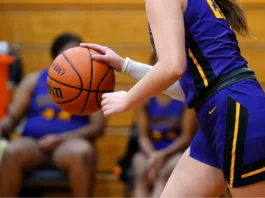


Modern NBA offenses rely on spacing to create scoring opportunities, but elite defenses have evolved powerful counters.
Spacing has become basketball’s most celebrated offensive principle over the past two decades. Teams spread five players across the court to stretch defenses thin and create driving lanes. Elite defensive units have developed sophisticated schemes that neutralize these advantages completely.
The playoffs expose spacing’s fragility when facing disciplined opponents. Understanding why spacing fails requires examining how elite defenses have adapted. The best teams don’t just react to spacing. They actively destroy it through intelligent positioning and communication.
Let’s take a closer look.
The Switching Revolution Changed Everything
Switching pick-and-rolls became the weapon that broke modern spacing.
Elite defenses now switch assignments on nearly every screen to eliminate offensive advantages. Traditional defensive schemes created gaps that spacing exploited through screens and cuts. Switching keeps defenders closer together rather than stretched across the court. The strategy prevents help rotations that create open shots.
In 2014-15, only two NBA teams ran over 1,000 switches. By 2022, 25 teams crossed that threshold, with three exceeding 2,000 switches per season. Switching allows teams to guard pick-and-rolls with two defenders instead of five rotating players. This fundamental shift dismantled spacing’s core advantage.

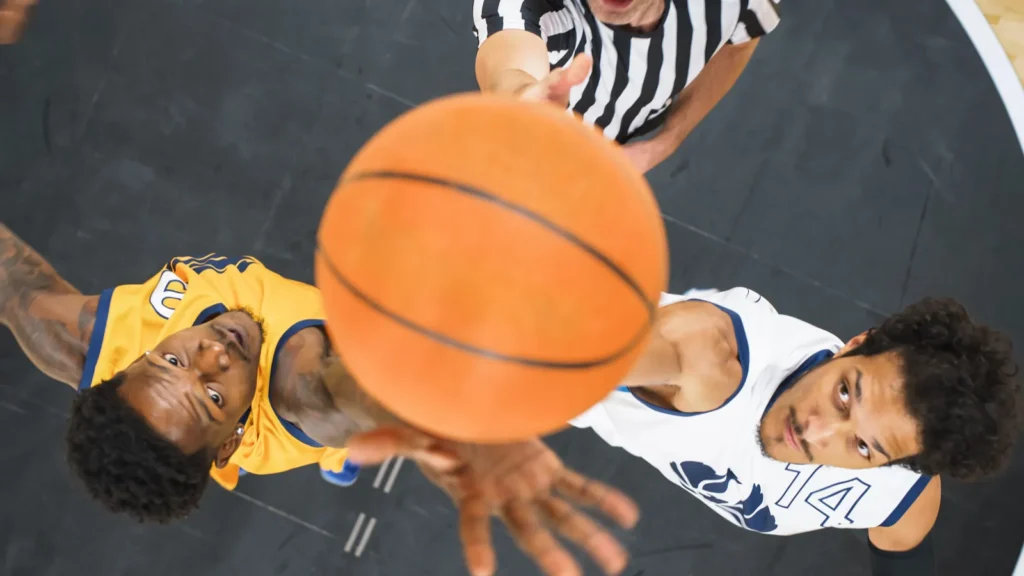
Gap Helps Defense Shut Down Driving Lanes
Off-ball defenders position themselves between their man and the ball handler to clog space.
Gap help emerged as another elite counter to pace and space offenses during the playoffs. Defenders stand in driving lanes without completely abandoning their assignments on the perimeter. This shading deters penetration while maintaining court coverage to contest outside shots. Boston and Miami executed gap help perfectly against elite scorers.
The strategy forces ball handlers into uncomfortable decisions under intense pressure and limited time. Even when spacing looks perfect on paper, gaps help shrink the actual usable space dramatically. Teams that relied purely on floor spacing found themselves unable to generate quality looks consistently.
Versatile Personnel Requirements Expose Team Weaknesses
Elite switching defenses require players who can guard multiple positions effectively at high speed.
Teams without switchable defenders get exposed when elite defenses force them into mismatches repeatedly. The Warriors revolutionized switching by deploying Draymond Green as a center who could guard guards. Most teams lack players with that unique combination of size, speed, and defensive intelligence. Building rosters capable of switching everything became a competitive requirement.
Offenses built around spacing suddenly needed different qualities from their players to counter switching. Pure shooters who couldn’t defend became liabilities when elite defenses hunted them relentlessly in switches. The talent pool for truly versatile defenders remains small across the league today.
Manufactured Spacing Gets Exposed in High-Stakes Games
Teams without elite shooters create artificial spacing through excessive screening actions that elite defenses counter.
Some teams manufacture spacing advantages through complex screening patterns rather than consistently creating legitimate shooting threats. Elite defenses recognize these artificial constructs and neutralize them through intelligent switching schemes. Houston’s switching was Utah’s kryptonite in the playoffs despite Utah’s regular-season spacing success. The difference between real and manufactured spacing becomes painfully obvious.
Defenses that execute switches with discipline and communication make manufactured spacing completely ineffective under pressure. Teams discover their spacing advantages disappear when facing opponents who switch everything with versatility. The playoffs consistently expose which teams have authentic spacing versus clever scheming.

Playoff Intensity Magnifies Defensive Execution
The defensive intensity and game planning in the playoffs make spacing advantages vanish against elite units.
Regular-season defense operates differently from playoff defense in terms of effort and sophistication. Elite teams execute more aggressive coverages with faster rotations that deny spacing advantages entirely. The physical and mental demands increase dramatically when elimination games arrive with focused preparation. Coaches study tendencies and design specific counters.
As one coach explained, defenses ultimately dictate the space regardless of offensive design preferences. Teams that dominated with spacing in regular seasons find themselves struggling against locked-in playoff defenses. The gap between good defenses and elite defenses widens dramatically when games matter most.
Lack of Off-Ball Movement Kills Spacing Advantages
Static spacing without constant cutting and relocating allows defenses to load up against primary actions.
Many teams position shooters around the perimeter and expect spacing alone to create advantages. Elite defenses thrive against static spacing because defenders can anticipate rotations without reading movement. Off-ball cutting and relocating force defenses to make real-time decisions under pressure constantly. Without movement, defenders simply stand in gaps.
The best offenses combine spacing with relentless off-ball action to keep defenses guessing and scrambling. Teams that rely solely on positional spacing find elite defenses perfectly comfortable with their assignments. Movement creates the chaos that true spacing advantages require to generate quality scoring opportunities.
Elite Rim Protection Neutralizes Driving Advantages
Dominant interior defenders erase the driving lanes that spacing is designed to create for offenses.
Spacing aims to pull defenders away from the basket to create driving opportunities. Elite rim protectors like Rudy Gobert anchor defenses that can spread out without sacrificing paint protection. These defenders cover enormous ground to contest shots at the rim despite perimeter spacing. Their presence changes offensive calculations completely.
Teams discover that even perfect spacing fails when elite shot blockers patrol the paint fearlessly. The ability to both defend the perimeter in switches and protect the rim represents elite defense. Spacing advantages evaporate when offenses face this combination of versatility and rim protection together.
TL;DR
- Elite defenses neutralize spacing through switching schemes that keep defenders closer together instead of stretched thin.
- Gap helps defense forces ball handlers into difficult decisions by shading driving lanes without abandoning perimeter assignments.
- Switching requires versatile defenders who can guard multiple positions, exposing teams without that personnel depth.
- Manufactured spacing through screens gets exposed by elite switching defenses in high-pressure playoff environments consistently.
- Playoff intensity brings aggressive coverages and faster rotations that deny spacing advantages against locked-in defensive units.
- Lack of off-ball movement lets defenses comfortably stand in gaps without making real-time decisions under pressure.
- Elite rim protectors anchor defenses that spread out on the perimeter while still protecting the paint.
Read More:
- The craziest NBA comebacks that are still legendary today
- Players who changed NBA rules without ever winning a ring
- Why some NBA arenas feel haunted for visiting teams
This article was made with AI assistance and human editing.