

Minnesota tried to test his patience
Victor Wembanyama entered Game 5 knowing the Timberwolves might try to drag him into emotional trouble. After Game 4 ended badly for him, composure became part of the matchup.
Minnesota’s strategy looked clear early. The Timberwolves wanted contact, words, and tension to become distractions, but Wembanyama seemed prepared to recognize the trap before it worked.
Game 4 created the opening
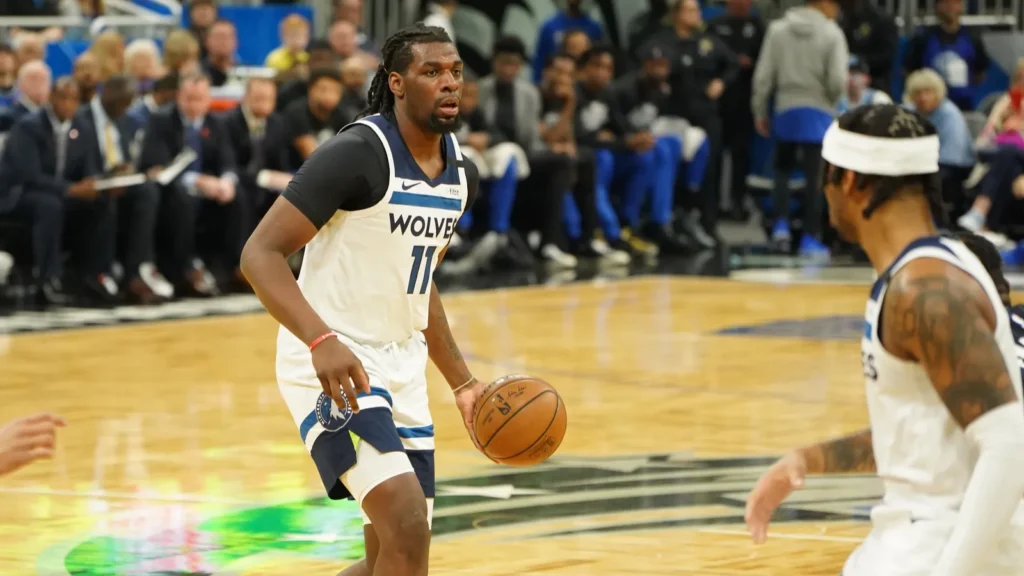
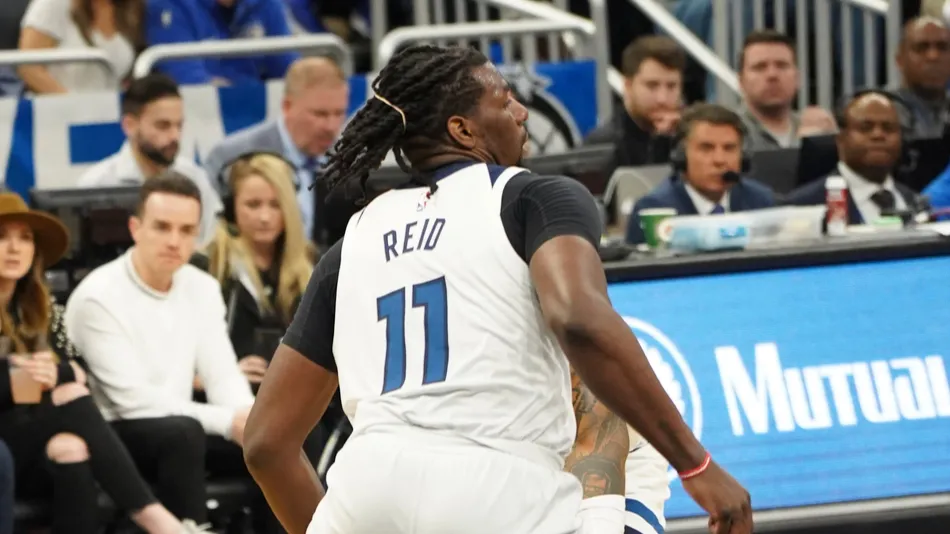
The setup came from Game 4, when Wembanyama was ejected after an elbow above the neck area of Timberwolves big man Naz Reid during Minnesota’s win.
That moment gave the Timberwolves a possible psychological angle for Game 5. If they could trigger another reaction, San Antonio’s best player might hurt his team again.
Wembanyama read the plan quickly
After Game 5, Wembanyama said he felt “rage-baiting” might have been one of Minnesota’s strategies. That answer showed he understood the emotional layer of the matchup.
His wording mattered because it did not sound like random frustration. It sounded like a player describing a tactic he had identified, processed, and refused to overreact against.

Ayo Dosunmu made the first push
Ayo Dosunmu tried to get under Wembanyama’s skin just minutes into Game 5. The two exchanged words during a stoppage, creating an early test for San Antonio’s star.
Instead of escalating the moment, Wembanyama laughed it off. That small reaction mattered because it showed Minnesota would not control his mood so easily.
Anthony Edwards joined the scene
Anthony Edwards also tried to enter the exchange, which could have made the moment much bigger. With multiple Timberwolves involved, the tension had a chance to grow quickly.
That is exactly where Wembanyama’s restraint helped. He did not treat the confrontation like a battle he needed to win verbally, which kept the situation from spreading.
Naz Reid pushed the issue again
The physical edge continued later when Naz Reid shoved Wembanyama during the second quarter. Officials called Reid for a technical foul, putting the pressure back on Minnesota.
That moment showed the Timberwolves were still trying to make the game uncomfortable. The difference was that Wembanyama did not take the bait or lose his focus.
Composure became San Antonio’s answer
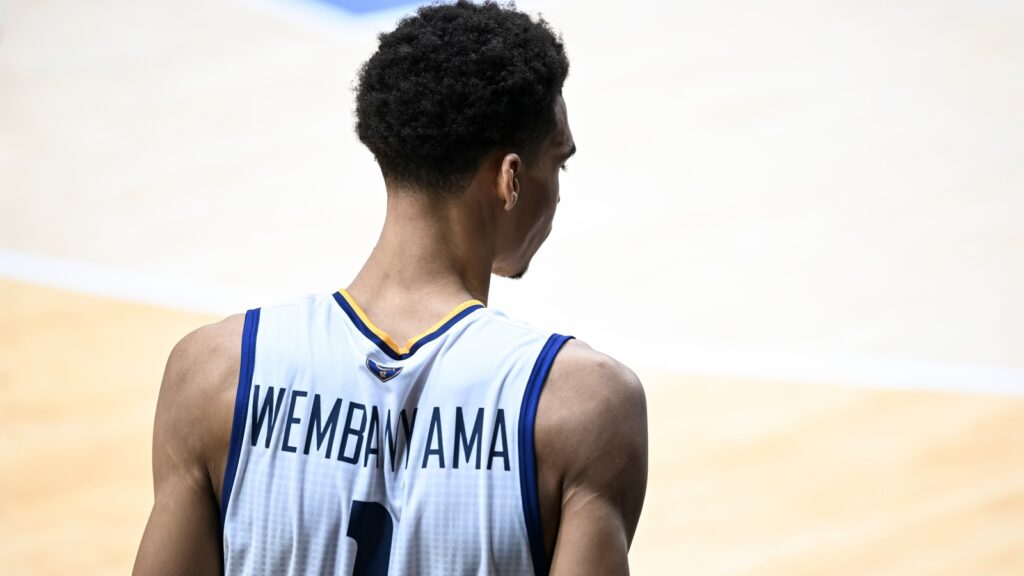
Wembanyama said the Spurs needed to stay composed as a team, which turned the moment into more than a personal lesson. It became San Antonio’s collective response.
That message mattered after Game 4. The Spurs did not need Wembanyama to prove toughness through confrontation. They needed him available, controlled, and locked into the game.
His play answered louder than words
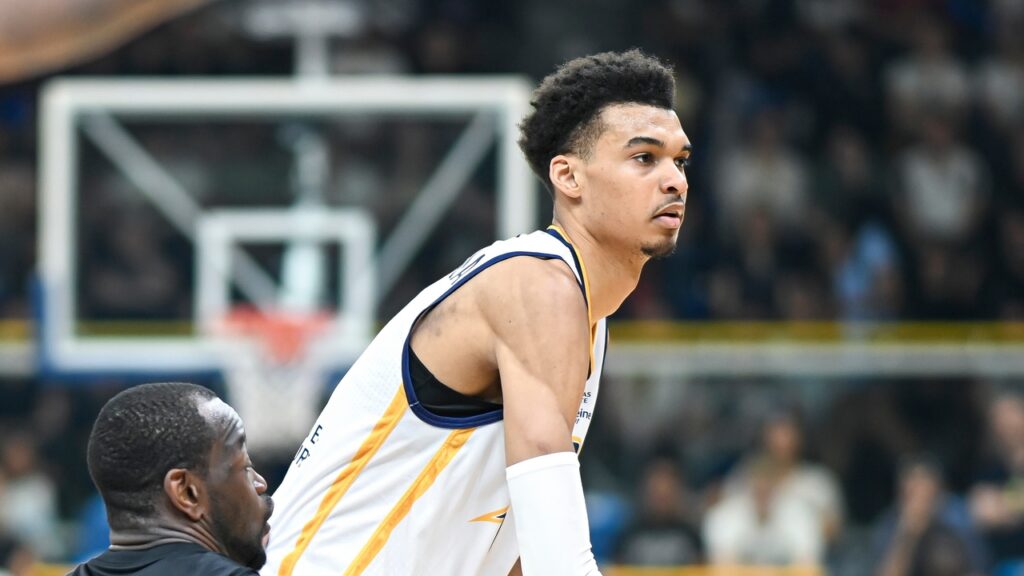
Wembanyama let the scoreboard speak instead, finishing with 27 points, 17 rebounds, and 3 blocks as the Spurs rolled to a 126-97 Game 5 victory.
That performance made Minnesota’s emotional strategy look powerless. The Timberwolves wanted to shake him, but he turned the night into one of his strongest playoff responses.

The Spurs controlled the game physically
San Antonio did not just survive the mind games. The Spurs controlled the game with size, discipline, and force, giving Minnesota fewer clean answers as the night continued.
That made Wembanyama’s composure even more valuable. When he stayed on the floor and remained focused, his presence changed shots, cleaned rebounds, and gave San Antonio structure.

Minnesota’s plan backfired badly
The Timberwolves were looking for an emotional advantage, but the plan instead helped sharpen Wembanyama. By refusing to react, he made Minnesota’s tactics look desperate.
That is the danger with trying to provoke a great player. If the strategy fails, it can wake him up without actually taking him out of rhythm.
Fun fact: Victor Wembanyama once played chess with strangers in rainy Washington Square Park before an NBA flight because he apparently treats competition like a side quest nobody warned civilians about.

Game 5 shifted the series pressure
San Antonio’s win gave the Spurs a 3-2 series lead, putting the Timberwolves one loss from elimination and forcing Minnesota into a much more desperate Game 6.
That changes the emotional stakes again. The Timberwolves now need answers on the scoreboard, not just ways to irritate Wembanyama or pull him into unnecessary conflict.

Wembanyama showed playoff maturity
The biggest takeaway was not just Wembanyama’s stat line. It was how quickly he adjusted from an ejection to a calm, dominant response one game later.
Young stars often learn playoff lessons the hard way. Wembanyama did that in Game 4, then showed in Game 5 that the lesson had already landed.
Michael Jordan’s 23XI Racing is rewriting the NASCAR record books after Tyler Reddick secured a fourth win in just six races. To explore how this team became the most dominant force in the 2026 Cup Series, dive into our full analysis.

Why the strategy failed
Minnesota’s strategy failed because Wembanyama understood the bait before it controlled him. He stayed composed, avoided another damaging reaction, and turned the focus back to basketball.
That is why Game 5 felt like a growth moment. The Timberwolves tested his temper, but Wembanyama answered with discipline, production, and a Spurs win.
Michael Jordan’s failures became the fuel behind his six championships, but explore the brutal mindset and daily habits that turned thousands of missed shots into one of sports’ greatest careers.
Do you think Victor Wembanyama staying calm under pressure was the real turning point in Game 5, or was Minnesota always going to struggle once the Spurs found their rhythm again?
This slideshow was made with AI assistance and human editing.
Read More From This Brand: