A return that restarted the conversation
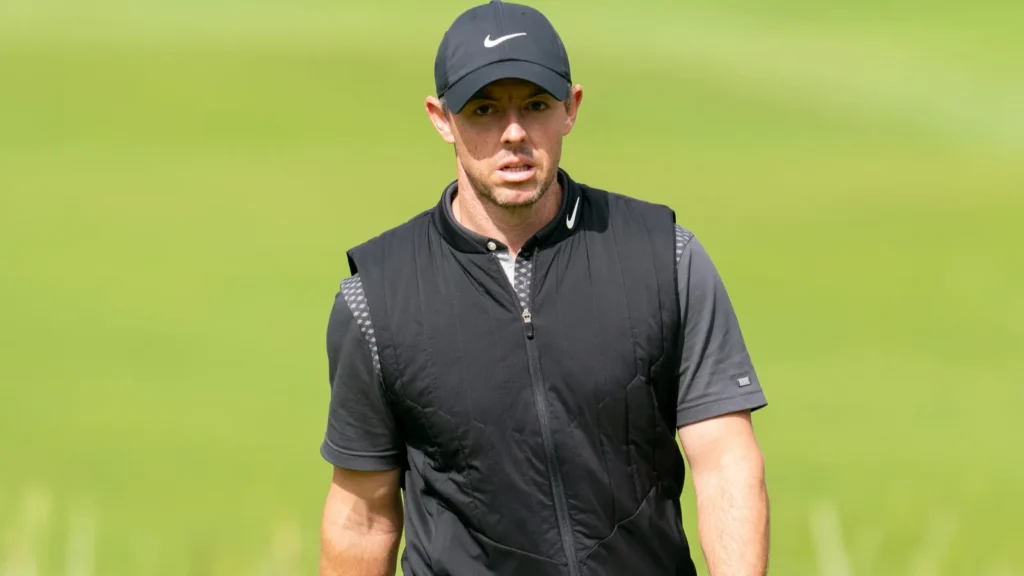
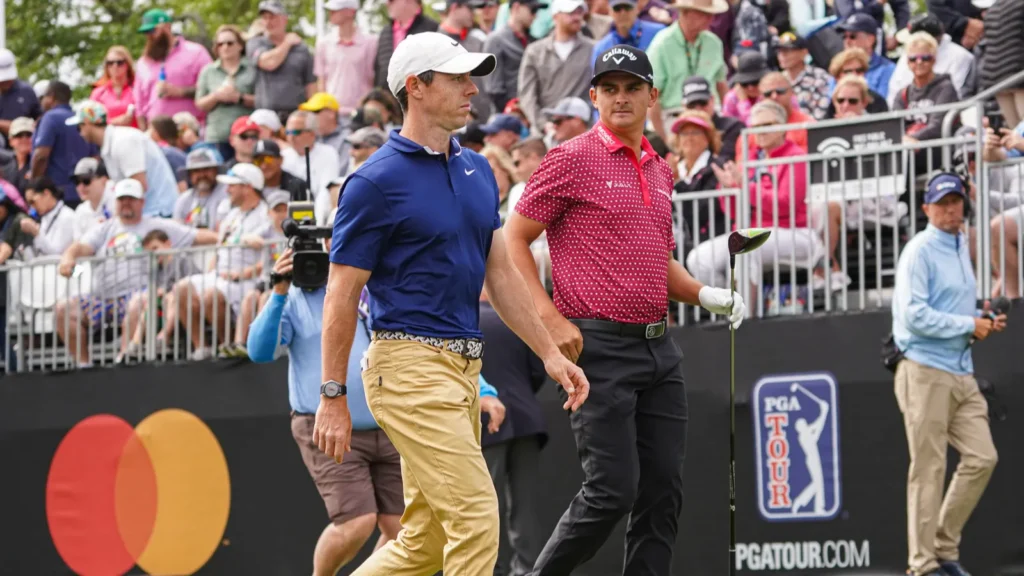
Rory McIlroy returned to PGA Tour action this week at the Truist Championship at Quail Hollow, his first start since defending his Masters title and stepping away from regular tournament play.
That comeback immediately shifted attention toward his selective schedule, because McIlroy had played sparingly in 2026 and seemed ready to explain why top stars no longer feel compelled to appear every week.
His light schedule stood out
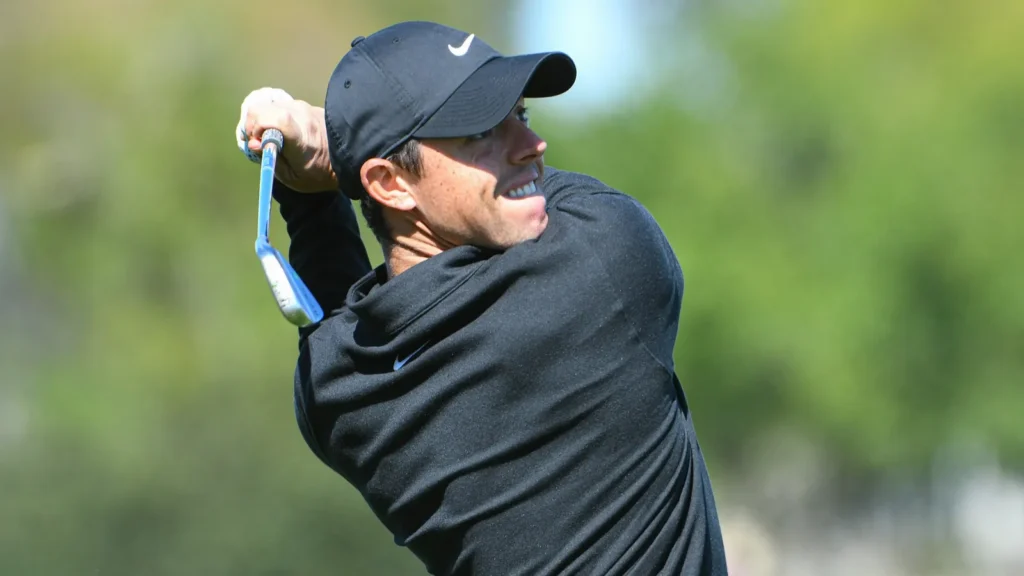
McIlroy had made only five PGA Tour starts entering the week, and one of those ended in a withdrawal due to injury, making his limited schedule impossible for fans to ignore.
That smaller workload naturally invited comparison with other elite players, especially in a season where major stars are expected to headline constantly, even when modern golf schedules give them more room to choose.
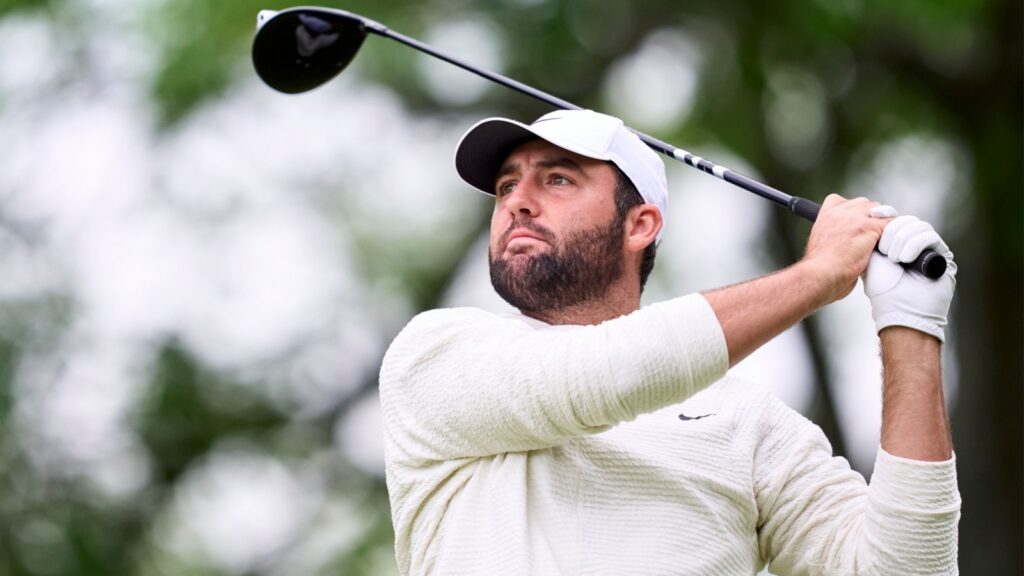
Scottie Scheffler became the perfect comparison
McIlroy himself pointed toward Scottie Scheffler, noting that his PGA Tour rival had made nine starts this season, which helped frame the discussion around how the game’s biggest names manage their calendars.
By using Scheffler as the comparison point, McIlroy made clear this was not just about one player resting more. It was about a bigger pattern among golf’s most important weekly attractions.
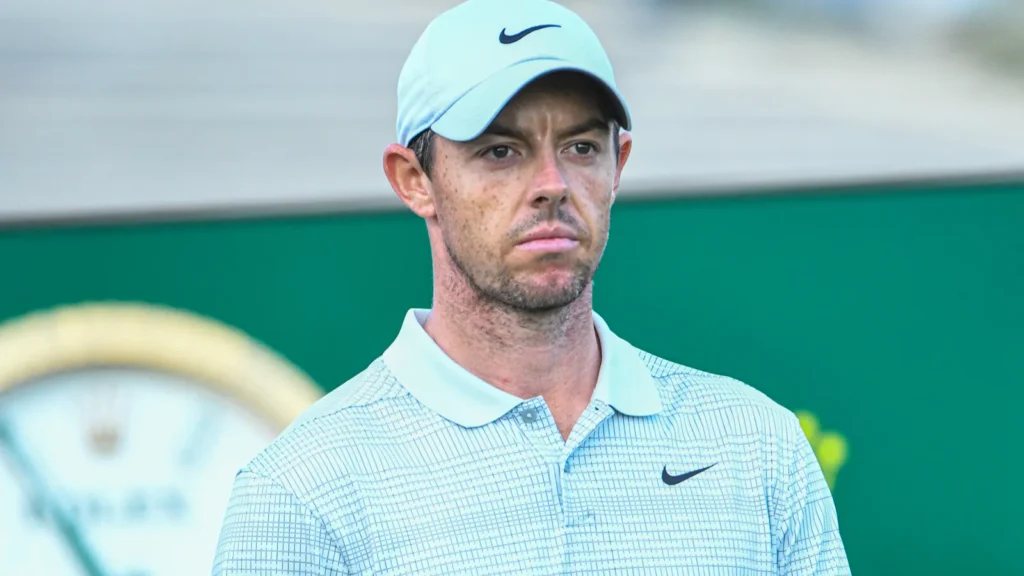
McIlroy said the blueprint is familiar
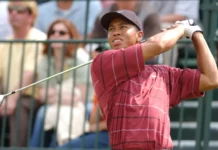
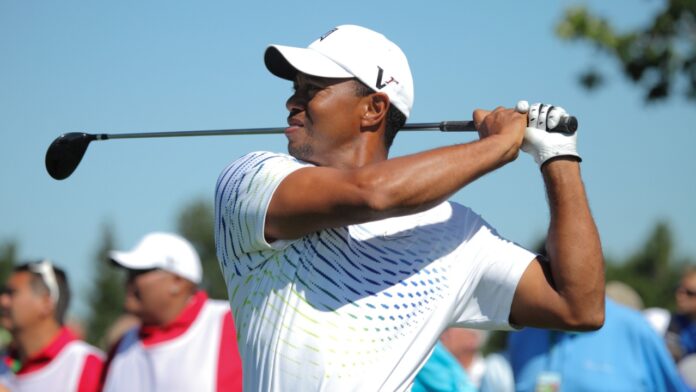
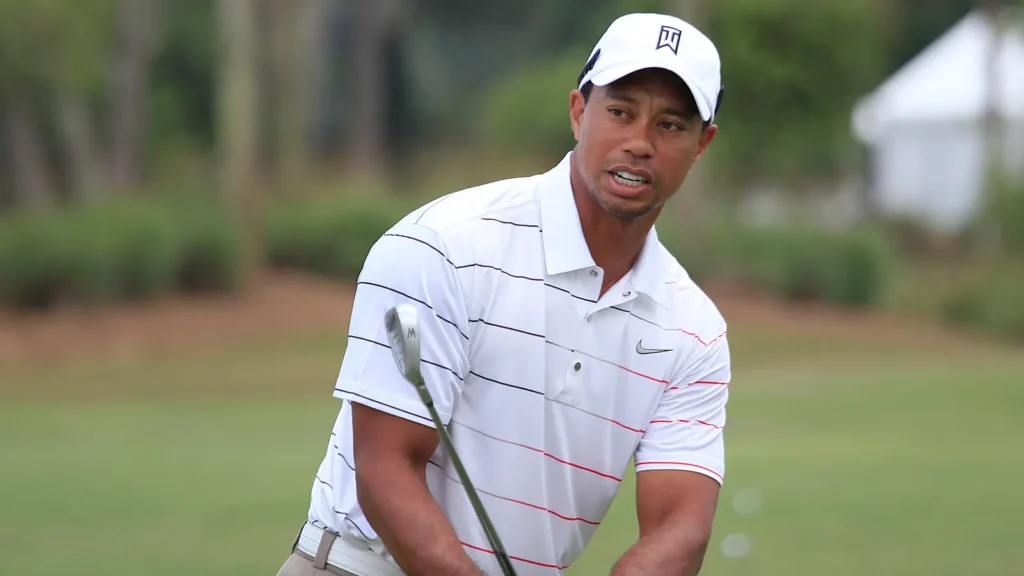
When McIlroy explained the logic, he did not present it as some revolutionary idea. Instead, he said people should expect this approach because Tiger Woods had already shown the model years ago.
That reference gave his comments real weight, because Tiger did not build his career by chasing every event. He built it by targeting the stops that matched his rhythm and strengths.
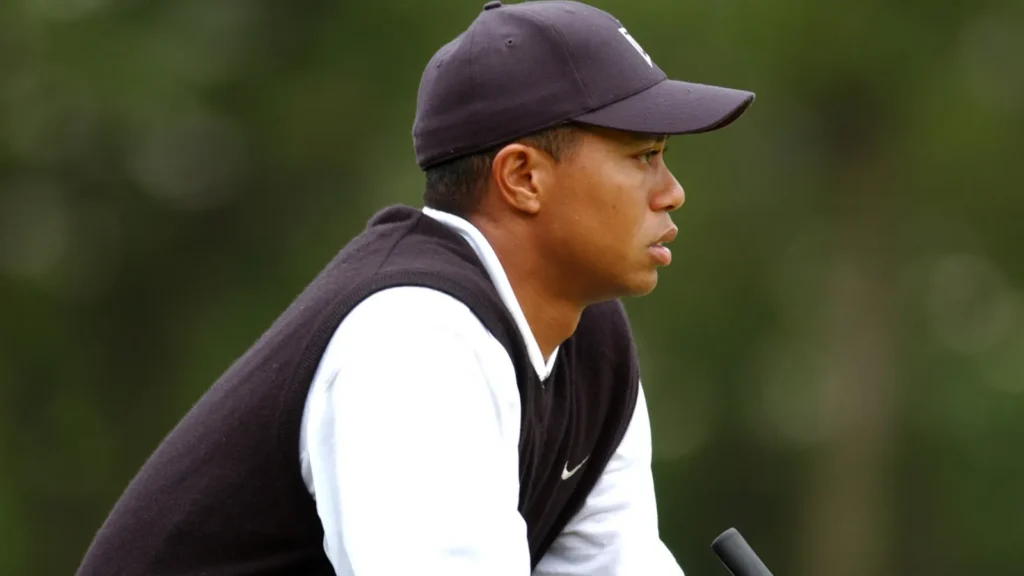
Tiger’s method was about control
McIlroy said Woods picked the events he wanted to play based on cadence and winning chances, which made scheduling less about obligation and more about strategic self-management across a long season.
That matters because elite golf is not only about talent. It is also about arriving sharp, healthy, and mentally ready, especially when majors and signature events shape how a season gets remembered.
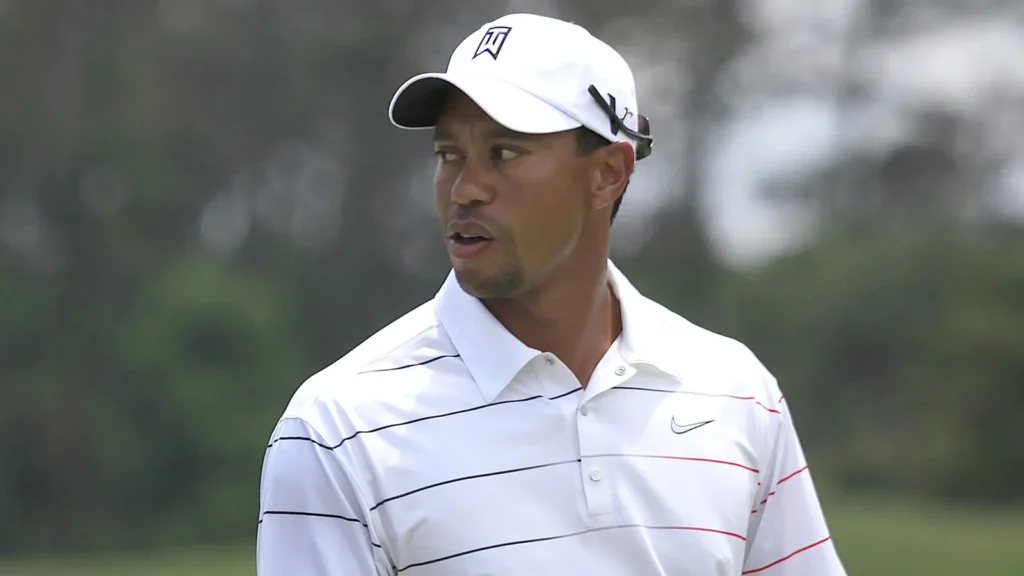
McIlroy sees no difference today
McIlroy was blunt when he linked himself and Scheffler to that old formula, saying what they are doing right now is no different from the route Woods used so effectively.
That statement turned a routine schedule explanation into something bigger. McIlroy was not merely defending missed starts. He was arguing that selective planning is now the smartest way to compete.
Minimum requirements still shape the calendar
McIlroy also noted that players still have minimum event requirements, but they can choose which tournaments satisfy those obligations, leaving room to build a schedule around comfort and preparation.
That flexibility is the key to his whole argument. The rules still require appearances, yet the top players retain enough control to avoid overplaying and protect their strongest competitive windows.

The modern schedule rewards selectivity
His comments suggest that the tour calendar has evolved into something different from a simple weekly grind, where presence alone proves commitment and every missed event automatically looks like a snub.
Instead, McIlroy’s view treats scheduling like performance management. In that world, fewer starts can still make sense if they preserve energy for bigger moments and keep a player fresh enough to contend.
The platform matters more than one star
McIlroy pushed the point even further by saying professional golf’s value lies more in the platform than in any individual player, a notable comment from one of its biggest names.
That idea supports selective schedules because it implies the sport can survive occasional absences from stars. The stage remains valuable even when one headline name decides not to appear.
His own season helps explain the thinking
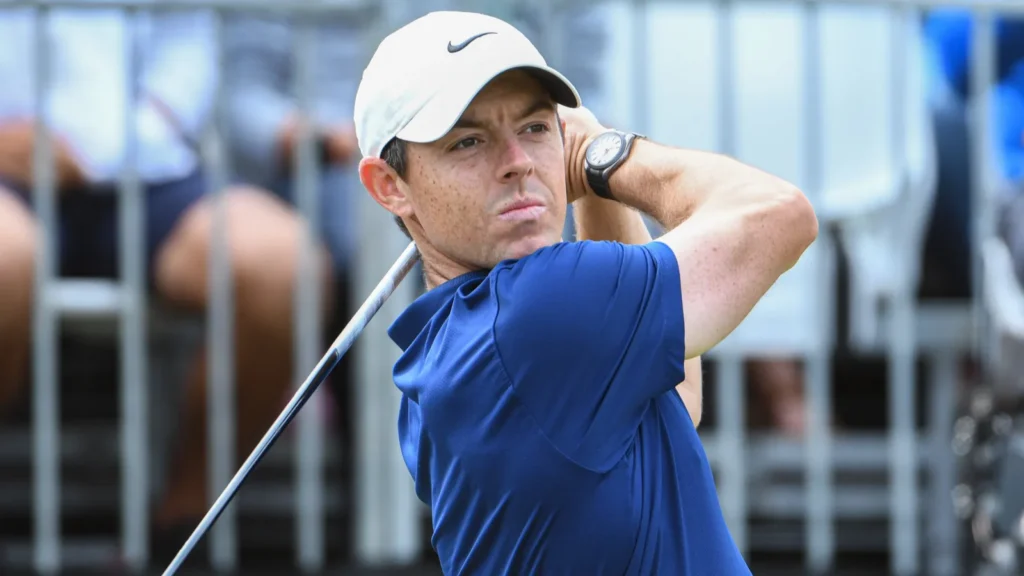
McIlroy’s 2026 season already showed why careful planning appeals to elite players. He arrived at Quail Hollow with limited starts, a recent injury interruption, and the confidence of another Masters victory.
That combination makes overplaying look unnecessary. When a player has already won big and dealt with a physical issue, conserving starts can look more like wisdom than caution.
Fun fact: Scottie Scheffler picked chicken parm and 3 gelato flavors for the PGA Champions Dinner, which is the most world No. 1 way possible to sound like a very specific 12-year-old.
Scheffler’s presence strengthens the case
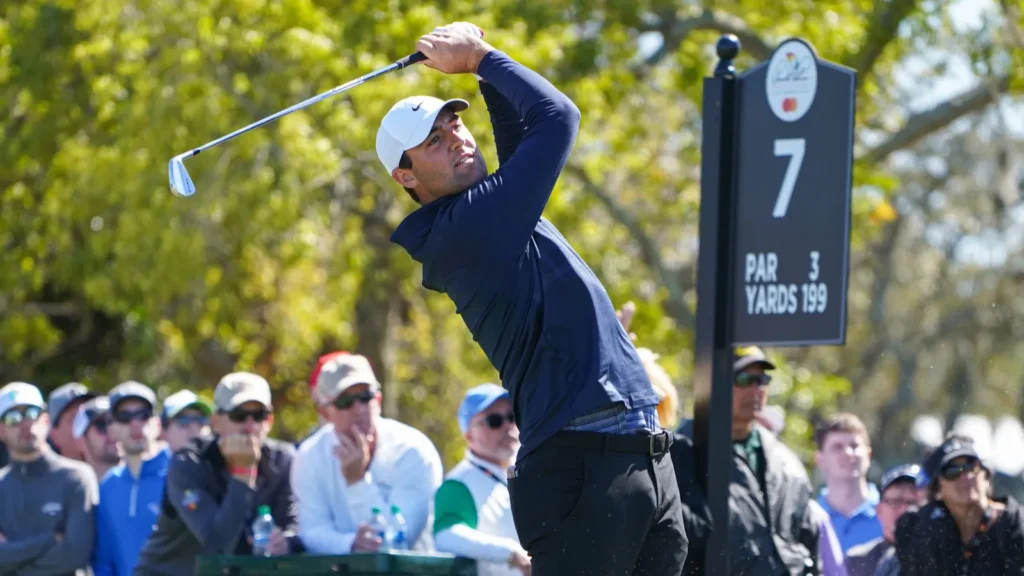
Scheffler’s inclusion in the discussion also matters because he is one of the few players whose current stature makes the comparison feel credible, not exaggerated or nostalgic.
With Scheffler and McIlroy sitting near the top of the sport, their shared approach suggests that Tiger’s old scheduling blueprint has become a modern habit among golf’s biggest contenders.
This is also about winning windows
Underneath McIlroy’s explanation is a simple competitive truth. Great players care most about being at their best in the weeks that matter most, not proving endurance through constant appearances.
That echoes the Woods comparison perfectly, because the blueprint was never about avoiding work. It was about narrowing focus, protecting timing, and showing up when the opportunity felt strongest.
Scottie Scheffler showed incredible grit at the RBC Heritage, overcoming a three-shot deficit to force a playoff before ultimately falling to Matt Fitzpatrick. Dive into our analysis of the mental toll this high-stakes battle takes on the world No. 1.

Why McIlroy sees Tiger in this approach
McIlroy believes he and Scheffler are replicating Tiger Woods because all three approaches begin with the same idea. Top players should shape the calendar around rhythm, health, and winning chances.
His message was not defensive so much as realistic. In modern golf, the smartest stars are not playing less by accident. They are playing selectively because history has already proved it works.
While Scottie Scheffler prioritizes his major championship goals, passing on a $20 million purse remains a bold professional move. Explore the strategic reasoning behind this decision and dive into how his absence reshapes the competition at Quail Hollow.
Do you think Rory McIlroy and Scottie Scheffler are smart to follow Tiger Woods’ selective schedule, or should top stars play more often? Share your take in the comments and leave a like.
This slideshow was made with AI assistance and human editing.
Read More From This Brand: