

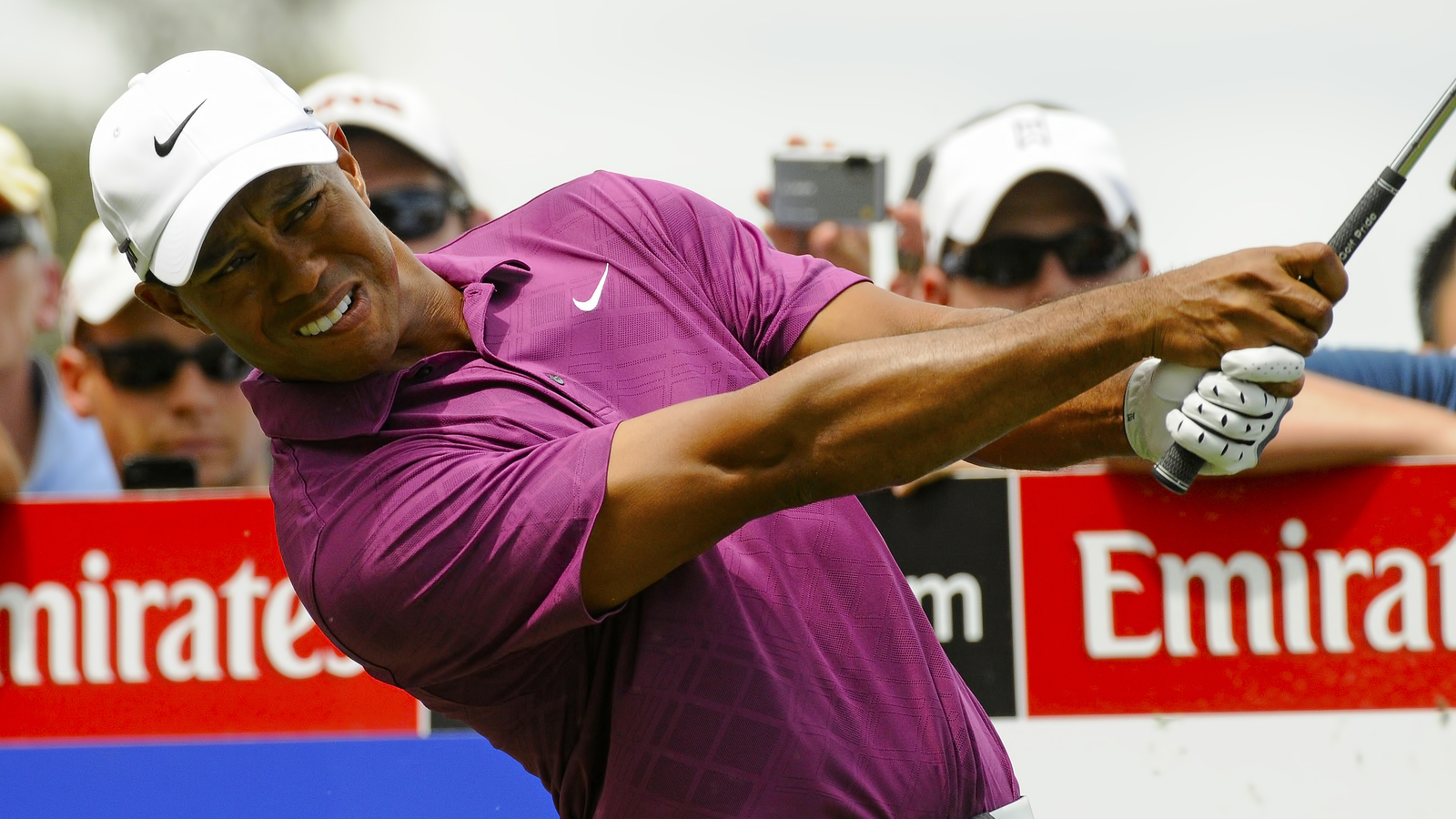

A debate starts with respect
The debate over golf’s greatest player often starts with Jack Nicklaus’ record 18 professional major championships, the clearest statistical benchmark in the conversation.
That answer still leaves room for debate because Tiger Woods built a separate case through 15 major championships, 82 PGA Tour wins, and moments that changed golf’s public scale.

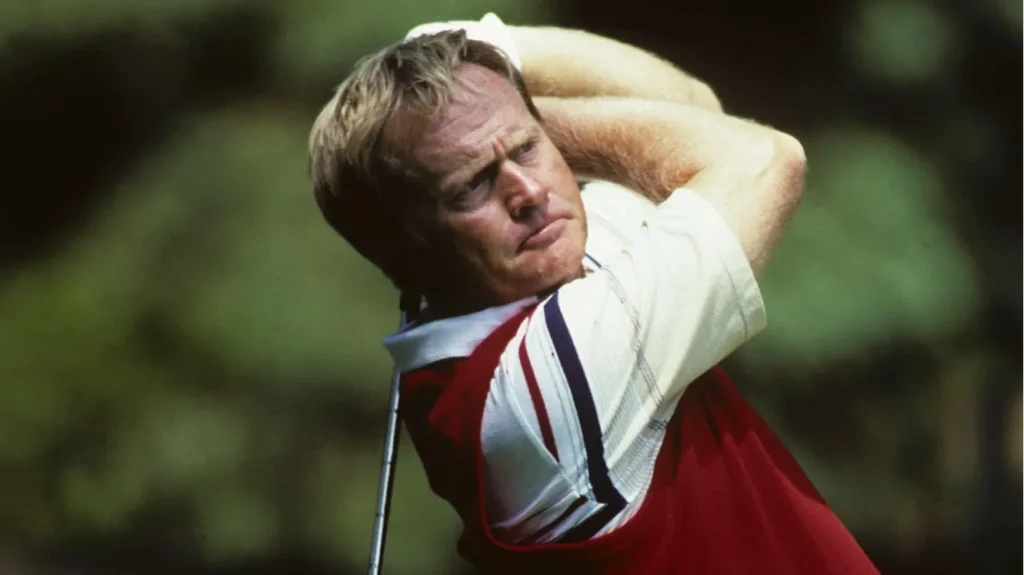
Public respect for a legendary record
Jack Nicklaus’ 18 professional major championships remain the record that anchors many greatest-of-all-time arguments in men’s golf.
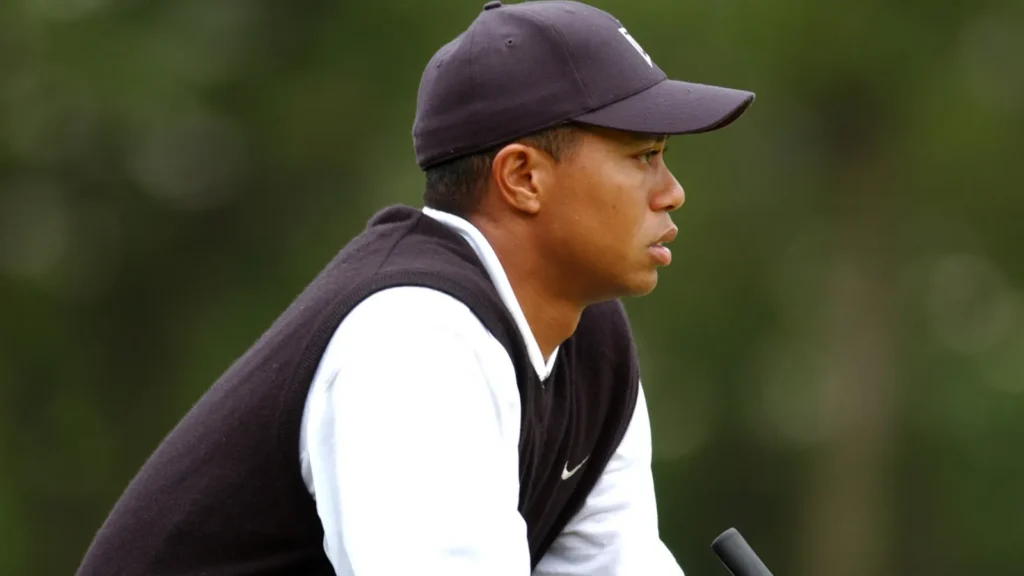
Woods owns 15 major championships, which keeps him behind Nicklaus by that standard. The record favors Nicklaus, while other measurements leave room for debate.
Counting the major championship titles
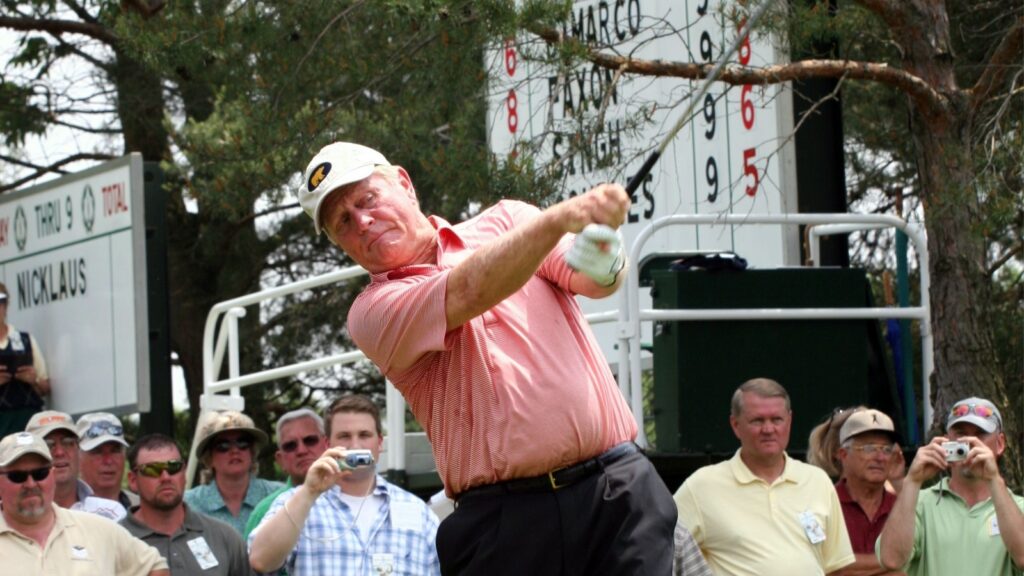
The gap between 18 and 15 remains the simplest way many fans judge the debate. It gives Jack Nicklaus the cleanest statistical advantage over Woods.
Jack Nicklaus won his majors from 1962 through 1986, while Tiger Woods started his major run at the 1997 Masters with a record 12-shot victory.

Distinguishing titles from dominance
Some golf analysis separates major championship totals from broader playing dominance. That distinction adds layers to the Woods-Nicklaus debate beyond a simple trophy count.
Nicklaus holds the major record, while Woods makes a different case with 82 PGA Tour wins, historic winning margins, and the Tiger Slam across 2000 and 2001.

Dominating by huge shot margins
Tiger Woods’ peak case begins with dominance. His 2000 U.S. Open victory by 15 strokes still remains the largest winning margin in major championship history.
He also won the 1997 Masters by 12 strokes, the largest margin in that tournament’s history so far. Those wins sharpened his greatness.
Playing in a changed era
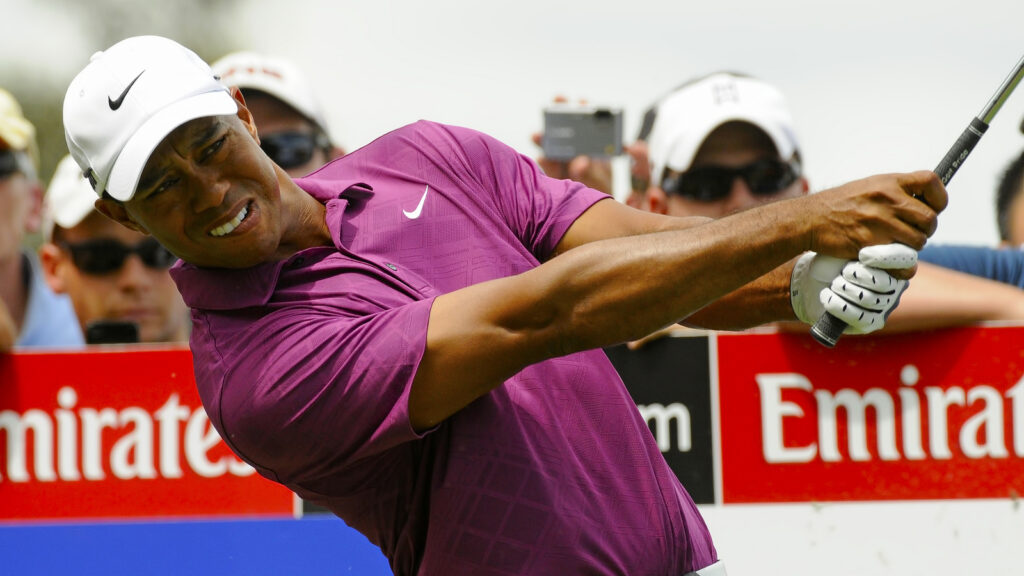
Woods competed in a golf era defined by global fields, sharper athletic preparation, and advances in equipment. Those conditions make direct comparisons with earlier generations useful, but never clean, complete, or settled.
His 82 PGA Tour victories remain central to that argument because they show long-term dominance across changing conditions. The total ties Sam Snead for the most official PGA Tour wins.
Achieving the historic Tiger Slam
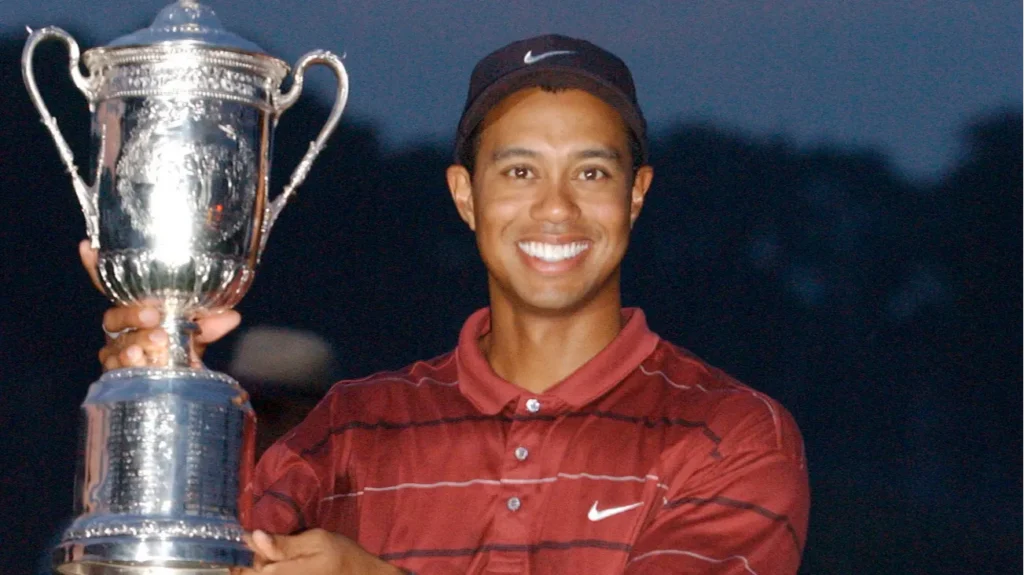
In 2000 and 2001, Woods became the first golfer to hold all four professional majors simultaneously, creating one of golf’s most discussed achievements.
That run included the 2000 U.S. Open, Open Championship, and PGA Championship. He completed it at the 2001 Masters, giving his greatness case a rare historical benchmark.

Comparing two different eras
Comparing Woods and Nicklaus means comparing different versions of golf. Equipment, preparation, media attention, travel demands, and field depth all changed over the course of their careers, complicating simple rankings.
Nicklaus faced icons like Arnold Palmer and Gary Player, while Woods became the standard for a later global field. Both mastered their own environments instead of competing under identical conditions.

Evaluating the factor of longevity
Jack Nicklaus’ longevity remains central to his case because his major success stretched across a remarkable period. He won his first professional major in 1962 and his last in 1986.
His major record also includes 18 victories and 19 runner-up finishes, giving him 37 top-two major finishes. That number shows sustained excellence, not just a short prime.
Considering the impact of injuries
Injuries remain central to the Woods side of the debate. His career included repeated knee problems, back surgeries, and later setbacks that limited tournament appearances during key stretches.
Speculation about 20 majors should be handled carefully, as it cannot be proven. What is certain is that Woods returned to win the 2019 Masters, his 15th major.

Hearing from the Golden Bear
Nicklaus also measured greatness against earlier legends, including Bobby Jones, which shows how golf’s greatest debate has always shifted with eras, records, and personal standards.
That matters because the criteria keep changing. Some fans value majors, while others value peak play, total wins, influence, field strength, or the difficulty of sustained dominance.
Appreciating the greatness of both
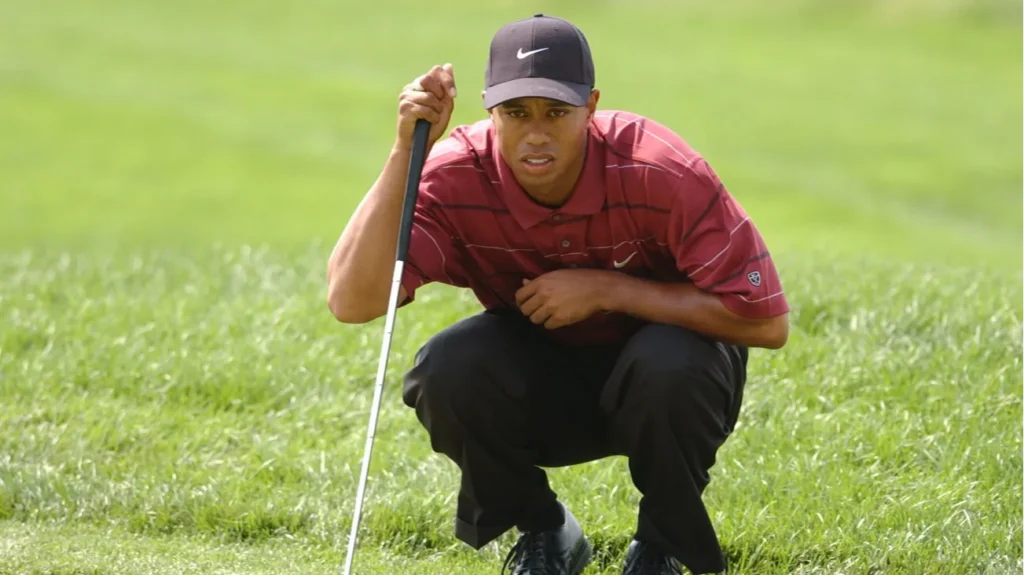
Many fans avoid choosing one name because both golfers changed the sport in different ways. Nicklaus built the major benchmark, while Woods expanded modern golf’s reach and intensity.
Their shared place in the debate is secure. Nicklaus holds the major record, while Woods holds a dominance case built on wins, margins, impact, and peak control.
Scottie Scheffler showed incredible grit at the RBC Heritage, overcoming a three-shot deficit to force a playoff before ultimately falling to Matt Fitzpatrick. Dive into our analysis of the mental toll this high-stakes battle takes on the world No. 1.

Settling the timeless golf debate
The Woods-Nicklaus debate will continue because both sides have strong cases. Nicklaus leads major titles, while Woods owns unmatched modern dominance markers across several categories.
The cleanest answer depends on the question being asked. If the measure is majors, Nicklaus leads. If it is peak force, Woods has the louder argument.
Kurt Kitayama has officially rewritten the narrative of the Professional Golfers Association’s history. Dive into our detailed breakdown to explore how this historic performance permanently alters the legacy of modern golf.
Do you judge golf’s greatest player by Nicklaus’ 18 majors, Woods’ peak dominance, or something else entirely? Share your thoughts in the comments below!
This slideshow was made with AI assistance and human editing.
Read More From This Brand: