National Football League faces grass debate
The National Football League faces renewed questions about artificial turf after FIFA required natural grass for every 2026 World Cup match, including games at seven United States stadiums that normally use synthetic fields.
Temporary installations demonstrated that enclosed, multipurpose venues can support natural grass during major events. NFL players and union leaders continue asking owners to provide comparable fields after the tournament ends in July.
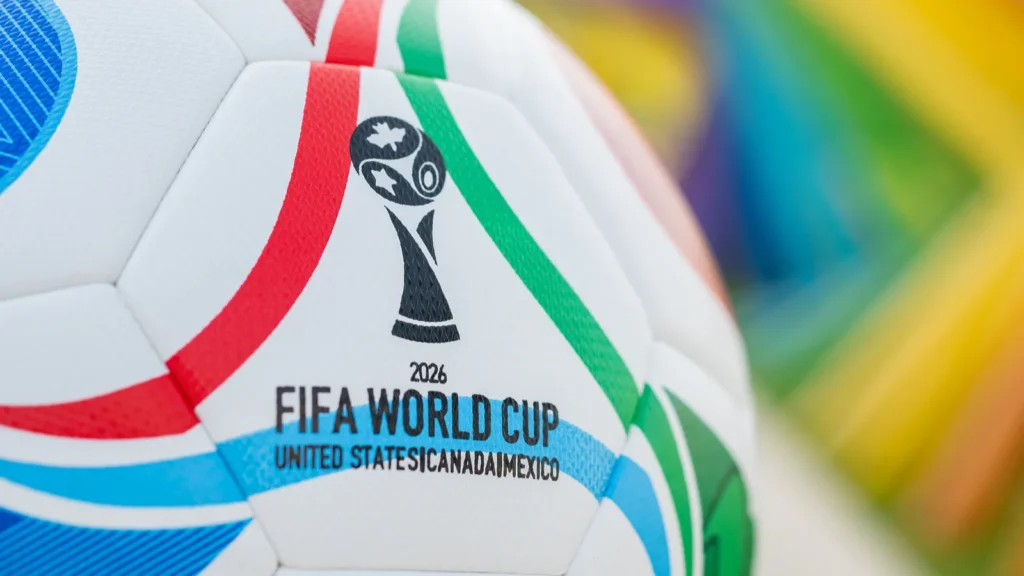
FIFA converts seven NFL stadiums
World Cup organizers installed natural grass at AT&T Stadium, Gillette Stadium, Lumen Field, Mercedes-Benz Stadium, MetLife Stadium, NRG Stadium, and SoFi Stadium before tournament matches began across the United States in June 2026.
Each venue normally uses artificial turf for NFL games. FIFA coordinated specialized grass production, transportation, irrigation, ventilation, lighting, drainage, and maintenance plans designed for different climates, roofs, and stadium configurations.
NFL players favor natural grass
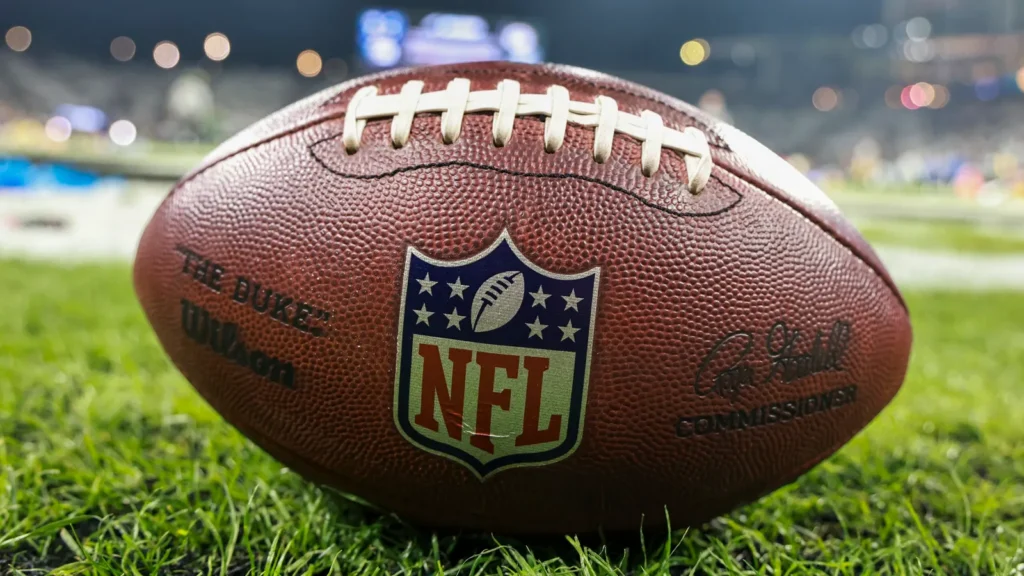
NFL Players Association leaders have repeatedly supported natural grass, citing player reports about soreness, recovery, traction, and confidence. San Francisco 49ers tight end George Kittle renewed those calls during the 2026 World Cup.
A survey of about 1,700 NFL players found that 92% preferred natural grass. Recent league figures were nearly equal, but player opinions continue to reflect comfort and confidence beyond recorded time-loss injury totals.
NFL and union data differ
NFL Players Association data from 2012 through 2018 found 28% more noncontact lower-extremity injuries on artificial turf, including 32% more knee injuries and 69% more foot or ankle injuries than on grass.
The NFL has pointed to more recent injury tracking showing no statistically significant difference between natural and synthetic surfaces for certain injury categories. That disagreement remains central to the league’s turf-versus-grass debate.
NFL adopts new surface standards
The NFL announced updated playing-surface rules in December 2025, requiring every stadium field to meet revised performance standards by 2028. The policy measures field quality without ordering every franchise to install natural grass.
NFL Chief Medical Officer Dr. Allen Sills said recent injury data did not support a leaguewide mandate for grass. The program includes broader testing, maintenance guidance, field certification, and standards covering natural and synthetic surfaces.

Mark Davis supports grass fields
Las Vegas Raiders owner Mark Davis said football should be played on grass and identified player safety as his leading reason. Allegiant Stadium uses a movable natural-grass tray that travels outdoors for sunlight.
The tray returns inside before the Raiders’ games. Davis acknowledged that the system adds costs but called those expenses worthwhile, separating his position from owners who prefer artificial fields for scheduling and operational flexibility.
Jerry Jones plans turf return
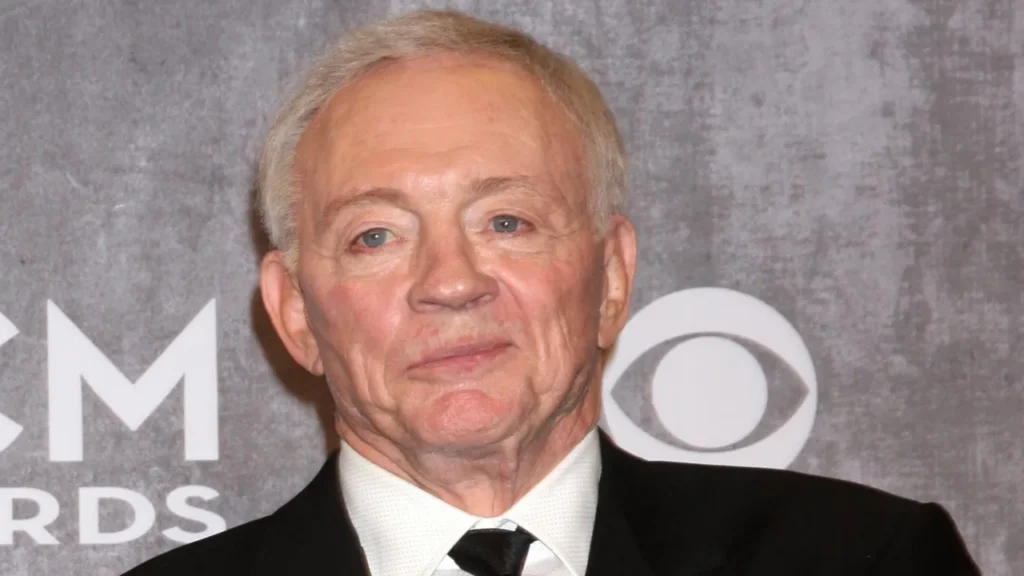
Dallas Cowboys owner Jerry Jones said AT&T Stadium would not retain its temporary World Cup grass. Jones stated that the organization does not believe natural grass provides a safer playing surface for NFL athletes.
Jones connected artificial turf with scheduling flexibility and stadium economics. After hosting nine World Cup matches, the Arlington venue began preparing to remove its temporary grass and reinstall the Cowboys’ synthetic football field.
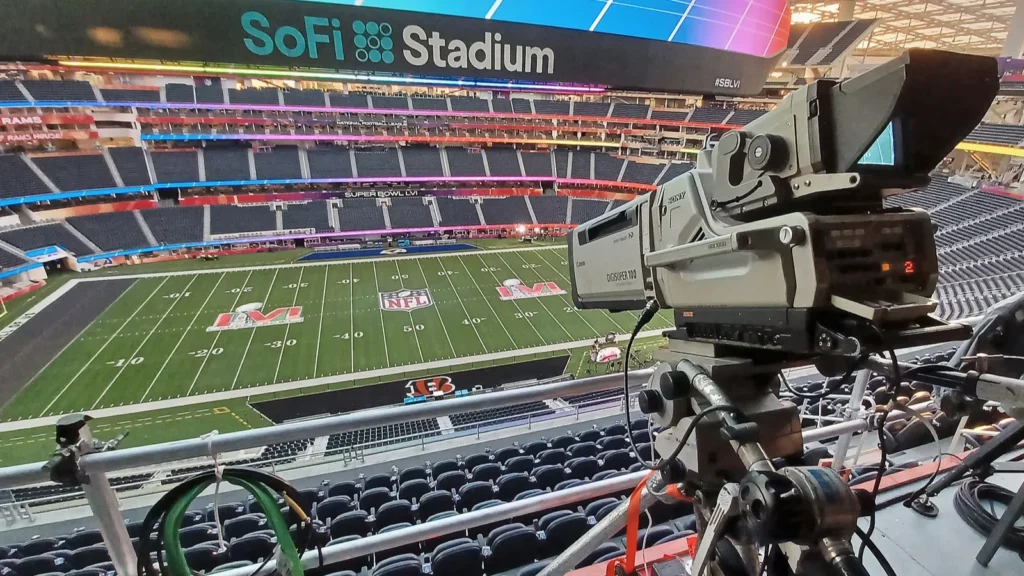
SoFi cites design and scheduling limits
SoFi Stadium hosted eight World Cup matches on temporary natural grass in Inglewood, California. Venue officials said permanent grass remains impractical because the playing area sits below ground and supports year-round events.
The stadium hosts the Rams and Chargers, concerts, Super Bowl LXI in 2027, and events related to the 2028 Los Angeles Olympics. Operators said the World Cup strengthened planning, crowd management, and venue operations.
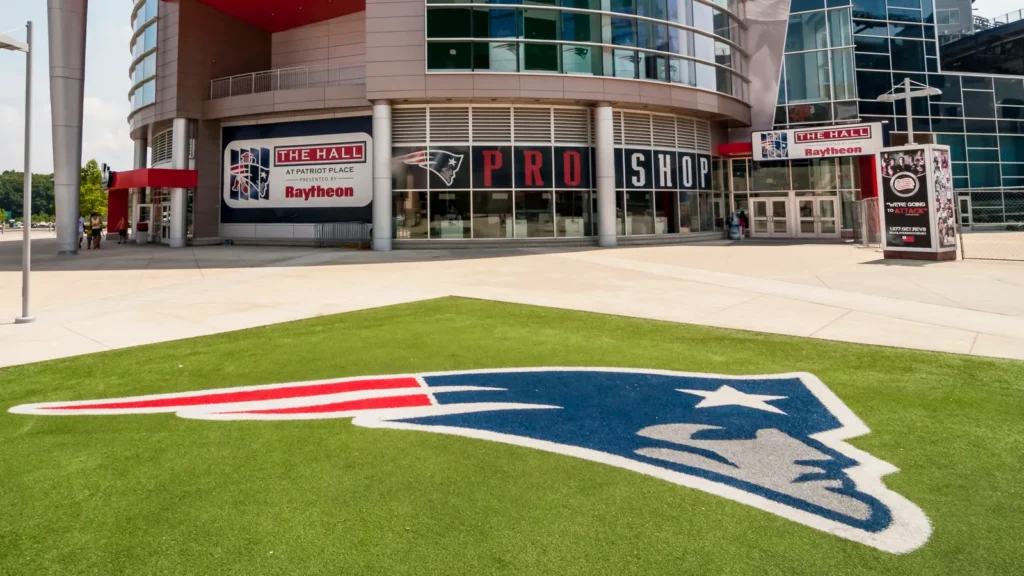
Gillette removes temporary grass
Gillette Stadium installed natural grass for seven World Cup matches in Foxborough, Massachusetts. Workers began removing the field after France defeated Morocco on July 9, the venue’s final tournament match.
The stadium is returning to artificial turf before later soccer and NFL events. The rapid conversion renewed player criticism because World Cup competitors will play on grass while Patriots players will return to a synthetic surface.

Buffalo opens a permanent grass stadium
The Buffalo Bills held a ribbon-cutting ceremony for the new Highmark Stadium on June 23, 2026. The Orchard Park venue has 60,108 seats and a permanent natural-grass football field.
The grass field was installed before the stadium’s public opening. Buffalo’s first regular-season NFL game there is scheduled for September 17, 2026, against the Detroit Lions, replacing the former stadium’s artificial turf.
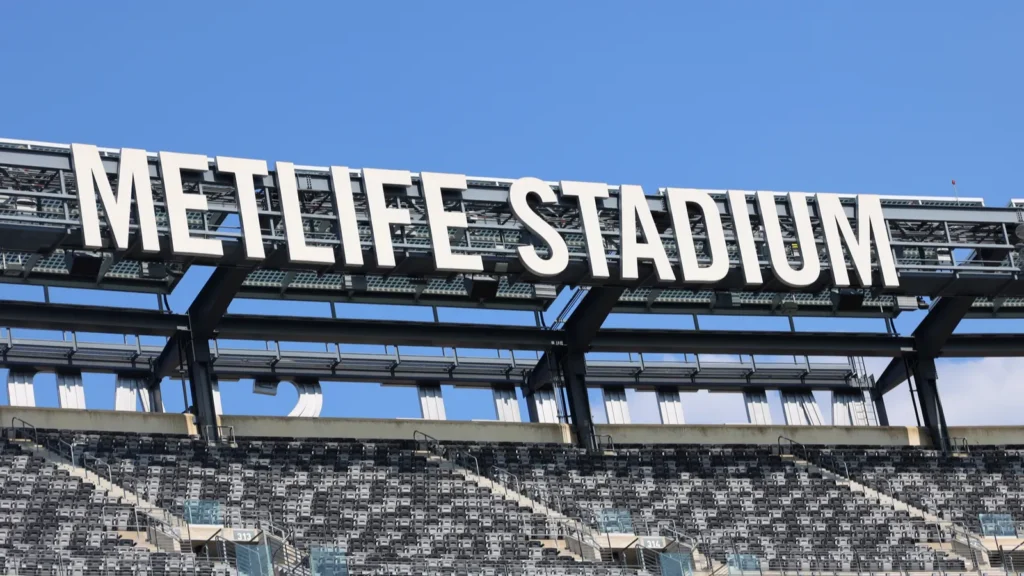
Fourteen NFL venues still use turf
14 NFL stadiums are expected to use artificial turf during the 2026 season. MetLife Stadium serves the Giants and Jets, while SoFi Stadium serves the Chargers and Rams as a shared venue.
The list also includes AT&T Stadium, Bank of America Stadium, Caesars Superdome, Ford Field, Gillette Stadium, Lucas Oil Stadium, Lumen Field, Mercedes-Benz Stadium, Nissan Stadium, NRG Stadium, Paycor Stadium, and U.S. Bank Stadium.
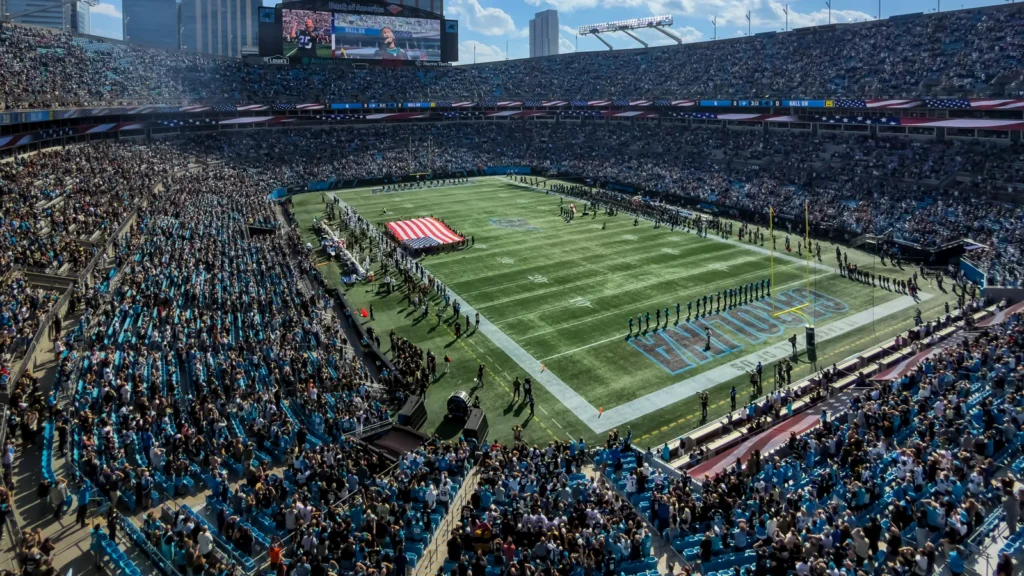
Grass creates higher operating demands
Natural grass requires irrigation, drainage, sunlight, temperature management, repairs, and recovery time between events. Enclosed stadiums may also need movable trays, grow lights, ventilation equipment, or temporary platforms to maintain playable conditions.
Artificial turf can support faster event conversions and wider scheduling options. Owners balance those operating benefits against player preferences, maintenance requirements, replacement schedules, injury research, and the NFL’s updated field-performance standards.
That praise adds another layer to the quarterback debate as Tom Brady calls Aaron Rodgers the best pure passer. Dive into Brady’s reasoning and explore what sets Rodgers apart from other NFL greats.
World Cup pressure may outlast July
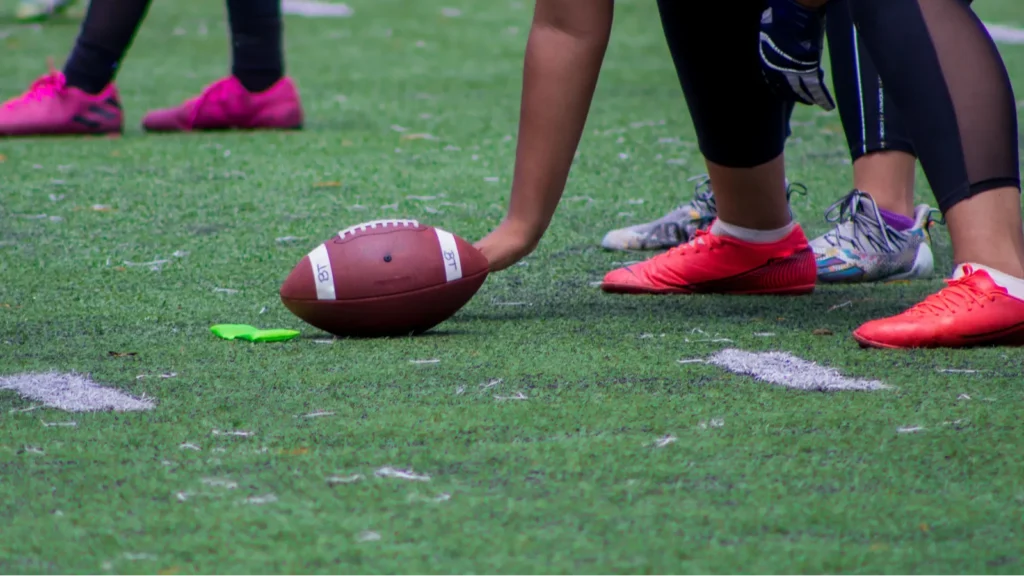
The World Cup showed that seven NFL venues with artificial turf could install natural grass when FIFA required compliant pitches. Several operators still plan to remove those temporary fields after their tournament schedules end.
The NFL has not mandated that every team adopt grass. Players continue to support natural surfaces, while all stadium fields must meet the league’s updated performance standards by the start of 2028.
That mindset may explain how Caleb Williams handles pressure as the Chicago Bears quarterback, but his view on “extra delusion” raises another question. Dive into why he believes that confidence helps him perform.
FIFA installed grass at several NFL venues, but many teams plan to restore artificial turf. Should the league require natural fields for every franchise? Share your thoughts in the comments below!
This slideshow was made with AI assistance and human editing.
Read More From This Brand: