Wimbledon sets new boundaries for creators
Wimbledon is drawing a clearer line around how influencers and content creators will operate at the 2027 tournament. After a series of controversies surrounding creator activity at the 2026 U.S. Open, the All England Club plans to avoid creating a dedicated accreditation category for influencers while enforcing existing rules on equipment and match-day conduct.
Creators will still be able to attend Wimbledon as ticket holders, but equipment such as ring lights could be confiscated if it is considered capable of distracting players or disrupting matches.
The decision follows U.S. Open disruptions
The policy follows several incidents involving disruptive spectator activity during the 2026 U.S. Open in New York. Around 100 content creators received credentials there, nearly twice the 54 credentials issued when the USTA creator program began in 2025.
Incidents during matches involved bright lights, photography and noise from spectators. The USTA said the people responsible for the disruption during Naomi Osaka’s match were not among the officially accredited content creators.
Ring lights face particular scrutiny
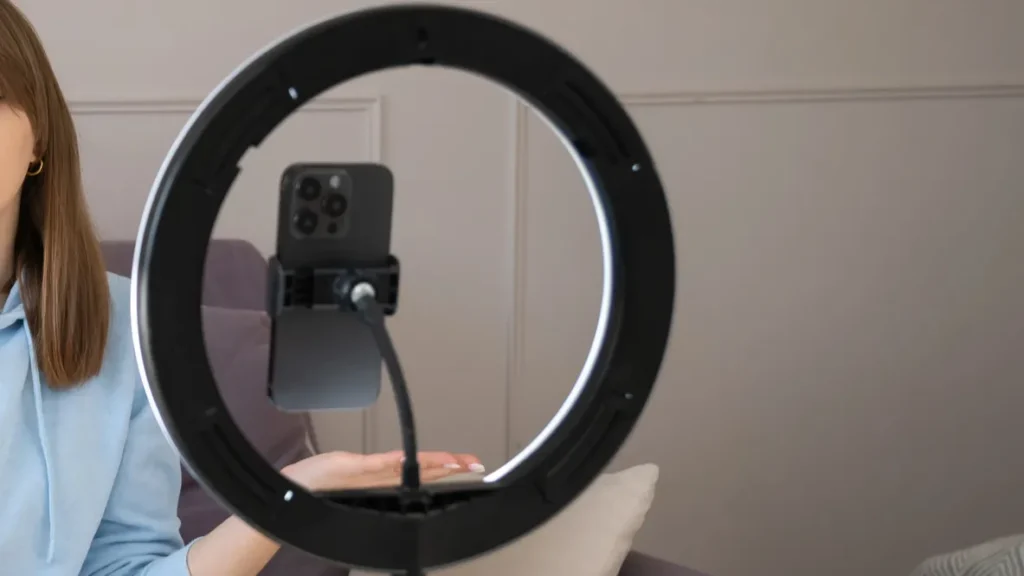
Wimbledon has indicated that equipment capable of distracting players or disrupting matches can be confiscated at the tournament. Ring lights are specifically among the equipment expected to face scrutiny under that approach.
The measure applies to potentially disruptive equipment rather than to a person’s occupation or online following. Influencers are not automatically barred from attending, but their equipment remains subject to Wimbledon’s entry and conduct rules.
Naomi Osaka’s match became a flashpoint
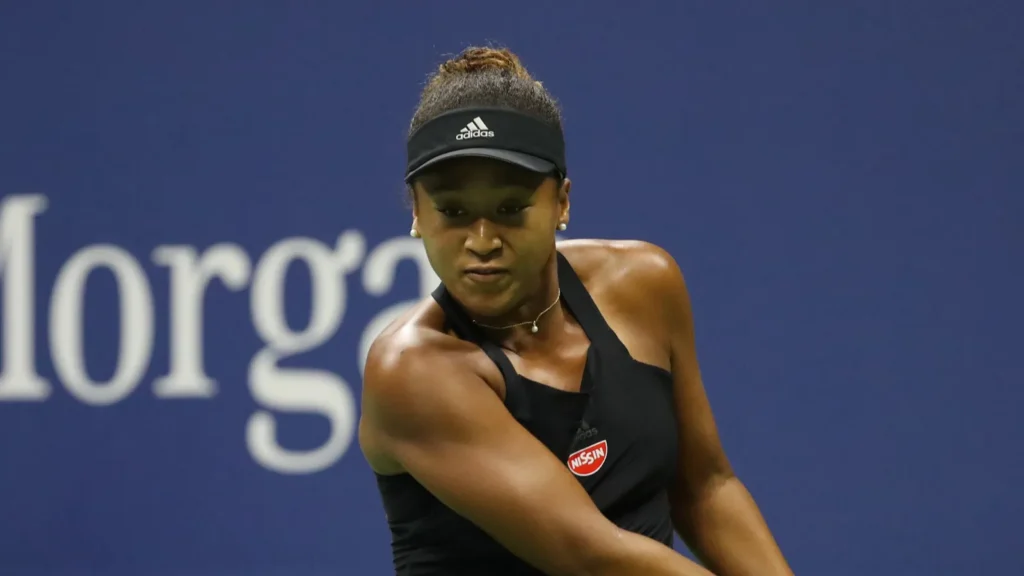
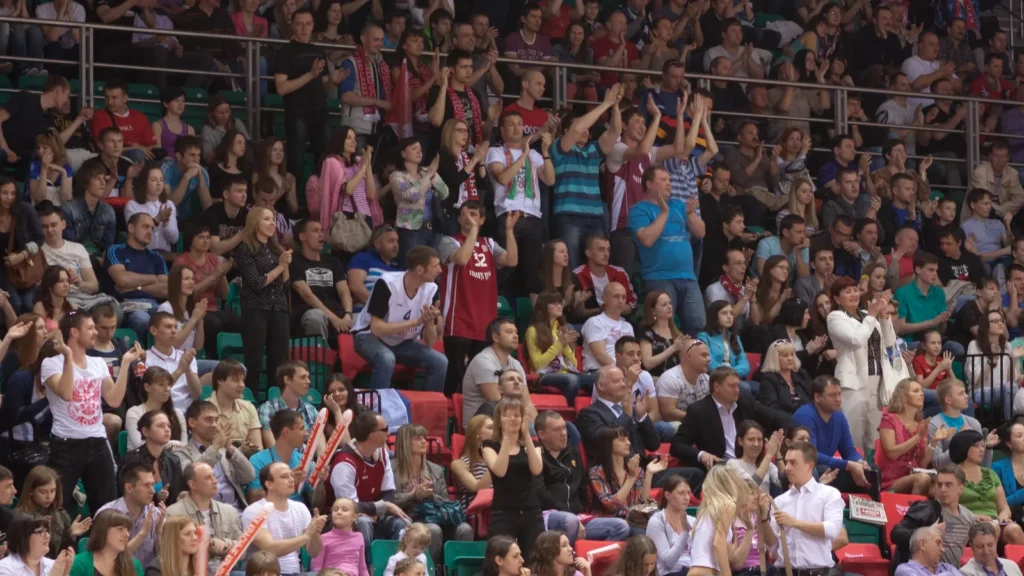
At the U.S. Open, a group of spectators in a suite recorded a video and made enough noise during Naomi Osaka’s first-round match for chair umpire Kader Nouni to intervene. Separate footage from the tournament also showed spectators using bright ring lights during play.
The Osaka incident occurred during her August 31 match against Anastasia Zakharova at Arthur Ashe Stadium. The episode became part of a wider discussion about spectator behavior, tennis etiquette and content creation at major tennis events.
U.S. Open creator credentials expanded
The U.S. Open issued approximately 100 creator media credentials during its 2026 tournament. About 20 of those creators were assigned to cover food and beverage offerings around the event.
The creator program had begun with about 54 credentials in 2025. The expansion demonstrated how significantly social-media creators had become part of the U.S. Open’s media and promotional strategy before the recent controversy.
Wimbledon already limits match recording
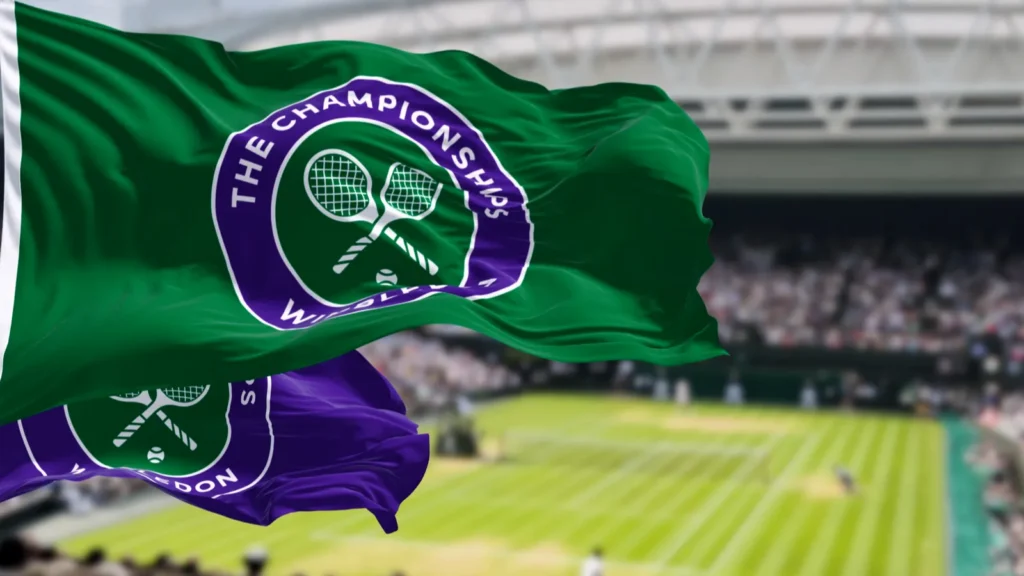
Wimbledon’s existing rules place restrictions on recording and transmitting match content from its grounds. Its published accreditation terms state that audio, commentary and moving or still images may only be captured or transmitted under specified permissions.
Accredited media photographers have separate rules allowing professional still photography for editorial reporting. Other accredited media may use personal cameras, including smartphones, for permitted editorial purposes under the tournament’s conditions.
Ticket holders face separate restrictions
Wimbledon’s ticket conditions also regulate what ordinary spectators can record and share. The rules permit personal photographs for non-commercial use while restricting commercial recording, publication, and transmission without authorization.
Moving images of play are specifically restricted under the published conditions. Flash photography is also prohibited, while electronic devices must not inconvenience other spectators or interfere with activity around courts in play.
Social media remains part of Wimbledon’s strategy
The tighter approach does not mean Wimbledon has abandoned social media or digital creators. The tournament has actively used platforms such as TikTok and Instagram to reach audiences who may not regularly follow traditional tennis coverage.
During the 2025 Championships, Wimbledon’s TikTok account surpassed 200 million cumulative views during the tournament. Its Instagram account also gained about 300,000 followers during the first week.
Interesting fact: Wimbledon is the only Grand Slam tournament played on grass, with its courts using 100% perennial ryegrass.
Wimbledon has worked with creators
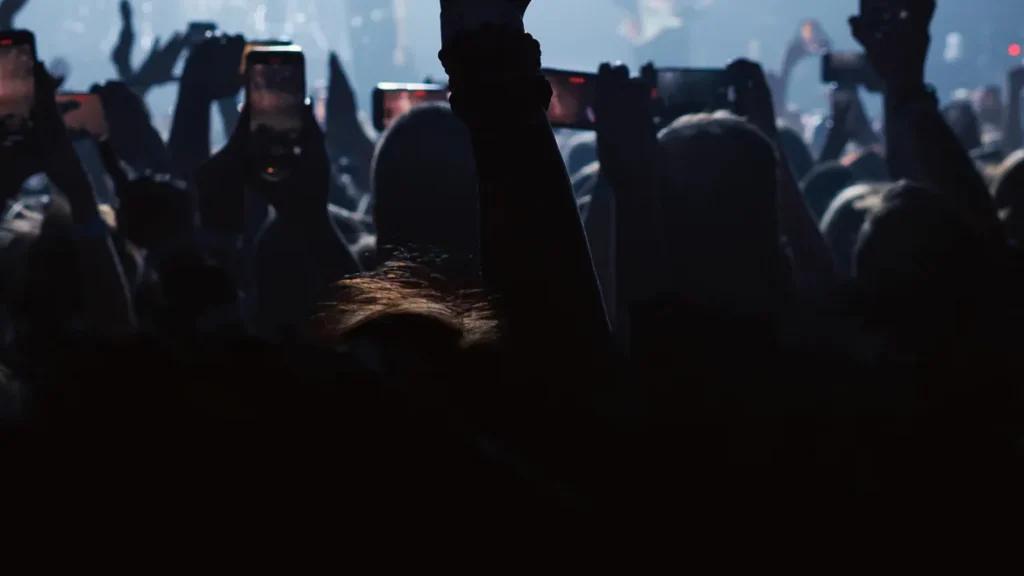
Wimbledon has previously collaborated with content creators as part of its broader digital strategy. In 2026, the tournament invited 12 creators from Japan, Germany, and India as it sought to increase awareness in those markets.
The All England Club has also used creator-led material around fashion, culture, and the tournament experience. These activities show that creator partnerships can continue outside a dedicated accreditation system.
Interesting fact: Wimbledon’s daily ticket Queue remains one of the few major sporting events where fans can buy premium tickets on the day of play.

Younger audiences remain a digital focus
Wimbledon has increased its social-media activity as part of efforts to reach younger audiences. In 2025, its digital team described social platforms as an entry point for people who were not already following tennis-focused accounts.
The tournament’s TikTok and Instagram activity included player clips, interviews, fashion content and entertainment features. Its strategy has therefore combined traditional tennis coverage with material designed for social platforms.
Social media has increased Wimbledon’s visibility
Social platforms have influenced how audiences experience Wimbledon beyond the tennis courts. Reporting from the 2026 Championships documented strong interest in fashion, queues, visitor experiences and other aspects of attending the event.
Wimbledon’s marketing director said the average age of visitors has generally fallen over the past decade. In 2026, the average age was reported at 35 for people joining the public queue and in the mid-40s for ballot ticket holders.
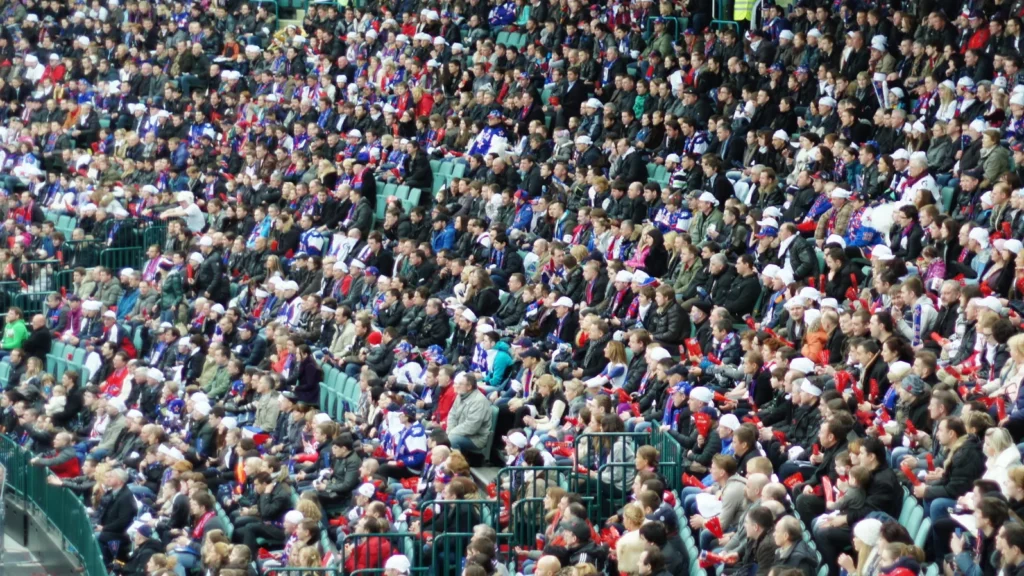
Match-day conduct remains the central issue
Wimbledon’s restrictions apply to behavior that can inconvenience other spectators or disrupt matches, regardless of whether the person is an influencer. Its rules give the tournament authority over recording, equipment and conduct within the grounds.
The recent U.S. Open incidents have placed renewed attention on those principles. Players including Naomi Osaka and Coco Gauff have publicly discussed the importance of spectators following tennis etiquette during matches.
The internet is also talking about Coco Gauff joining elite company after dominant US Open win.
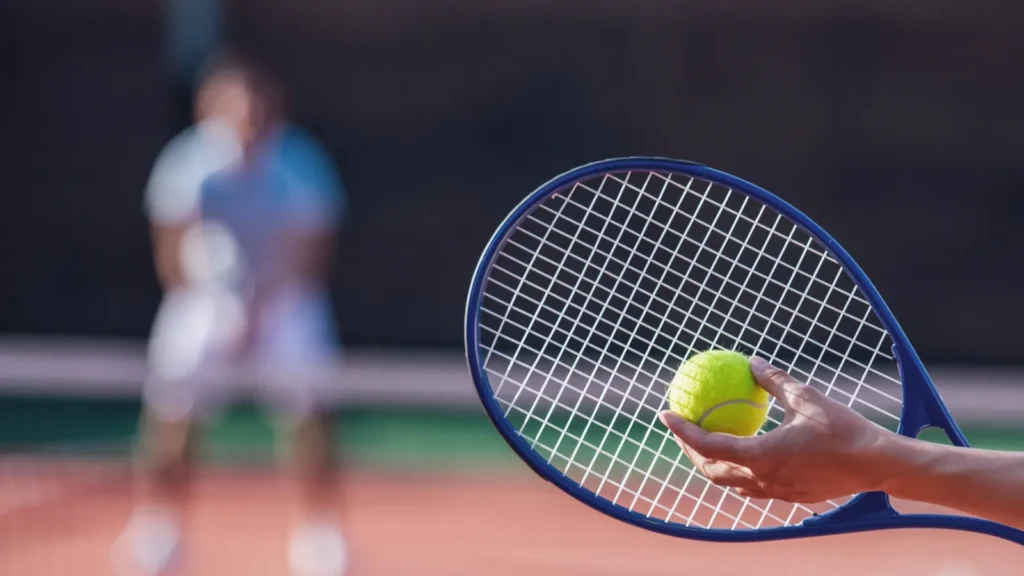
Wimbledon is taking a different route
Wimbledon’s current position differs from the U.S. Open’s expanded creator-accreditation model. Rather than establishing a dedicated category for influencers, the All England Club is relying on its existing accreditation, entry and equipment rules.
The approach still allows influencers and other social-media users to attend with valid tickets. It also leaves Wimbledon able to control equipment and content activity when those actions conflict with its established tournament conditions.
In other news, Serena Williams skips US Open media duty, then gets a surprise.
What do you think about Wimbledon’s approach to influencers and content creators? Like and comment with your take, and share whether you think the rules strike the right balance.
This slideshow was made with AI assistance and human editing.
Read More From This Brand: