




The incident sparks questions about consistency and officiating
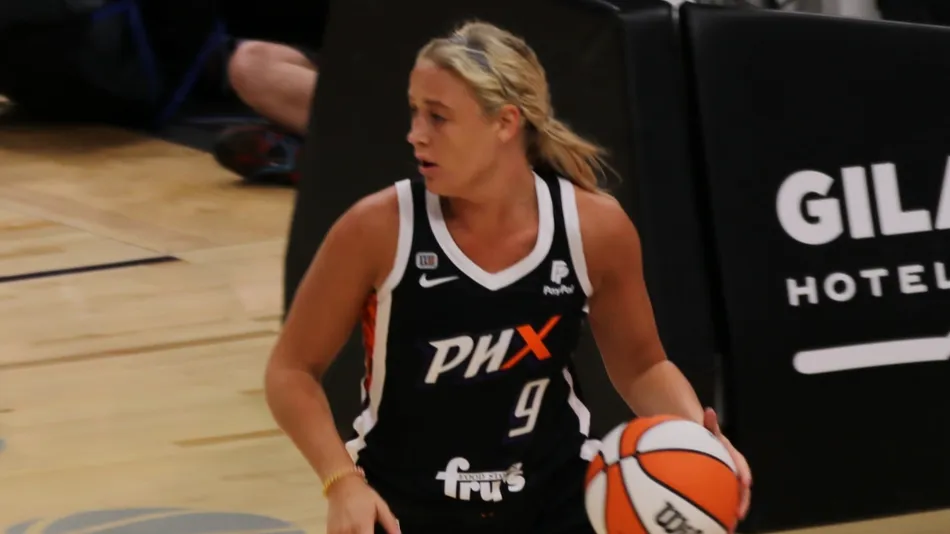
A hard foul between Sophie Cunningham and DiJonai Carrington has sparked a fresh wave of discussion across the WNBA. What happened on the court quickly became bigger than a single play, with questions surrounding officiating, player treatment, and race entering the conversation.
As the league moved forward, the controversy continued to draw attention and set the stage for an even more closely watched rematch. Here’s a closer look at what happened, how the players responded, and why the incident remains part of the WNBA conversation.

The foul was upgraded after replay review
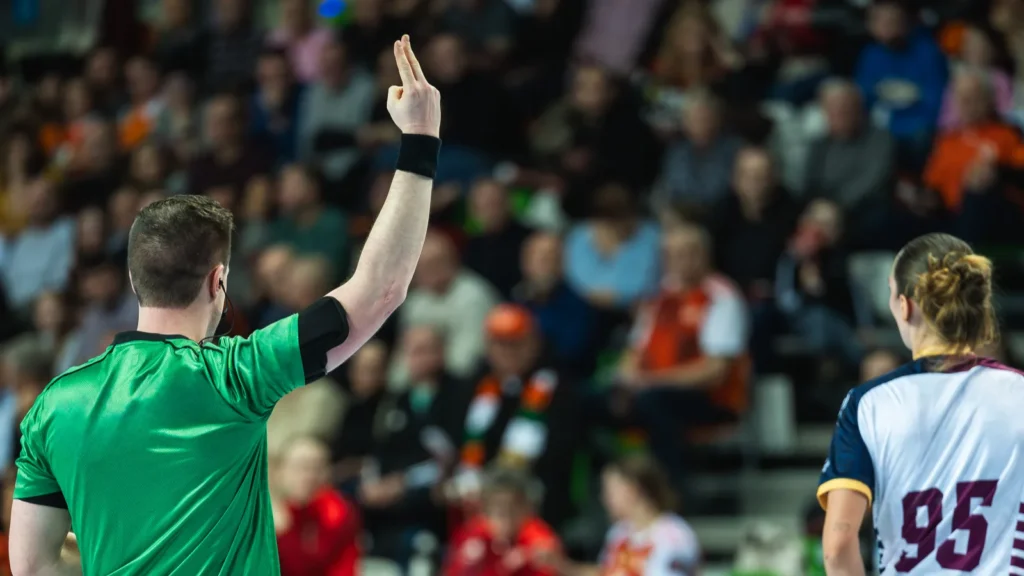
Carrington was assessed a foul after chasing Cunningham on a transition play with about 2 minutes remaining in the first quarter. Officials then reviewed the sequence and determined that the contact included a windup, impact and follow-through.
Those factors led the crew to upgrade the foul to a Flagrant 2. Under WNBA rules, a Flagrant 2 results in immediate disqualification, so Carrington left the game before the first quarter ended.


Cunningham reacted immediately after the contact
Cunningham got up after the foul and moved toward Carrington as teammates and staff stepped between the players. She was not assessed a technical foul for her reaction, and the officiating crew later explained why.
Chief referee Maj Forsberg said officials considered Cunningham’s response acceptable given the severity of the contact. That explanation became an important part of the later discussion about whether both the foul and reaction had been handled consistently.

Coaches differed on whether the contact was intentional
Fever coach Stephanie White said the foul was hard but did not think Carrington intentionally targeted Cunningham’s neck. White agreed with the officials’ decision to eject Carrington.
Sky coach Tyler Marsh said his initial view was that Carrington had been attempting to make a play on the ball. Marsh said he had not yet reviewed the replay when he first discussed the incident, so he did not immediately offer a firm assessment.

Cunningham disputed a racial explanation
After the game, Cunningham said she did not believe race was responsible for Carrington’s ejection. She also pointed to her own Flagrant 2 ejection from the previous season as an example of a similar disciplinary decision involving her.
Cunningham said she believed she had deserved that earlier ejection and argued that the current decision should be viewed under the same standard. Her comments became one of the prominent responses to Carrington’s social-media message following the game.

Carrington’s post became part of the controversy
Shortly after her ejection, Carrington posted the words “WHITE PRIVILEGE” on Threads and tagged the Indiana Fever. The post quickly drew public reactions and became part of the discussion surrounding the incident.
Carrington later said she was not arguing that the specific Flagrant 2 foul call itself was caused by white privilege. She said the meaning of her post had been interpreted by others.
Carrington called for consistency
When Carrington later addressed reporters, she said the contact with Cunningham was not intentional. She explained that her aggressive approach to defending transition plays was part of how she competed, while also saying she did not intend to hurt anyone.
Carrington also called for consistency in how physical plays and reactions are handled across the league. She specifically referenced the importance of applying standards regardless of a player’s jersey, race, or other circumstances.
Interesting fact: The WNBA set a record for international players in 2026, with 51 players born outside the U.S. appearing in at least one game by mid-May.
Cunningham had prior history with a Flagrant 2
The discussion also brought attention to Cunningham’s previous ejection during a June 2025 game against the Connecticut Sun. She was assessed a Flagrant 2 foul after taking down Connecticut’s Jacy Sheldon late in that contest.
Cunningham was immediately disqualified and later received an additional fine from the league. The WNBA did not suspend players involved in the broader series of confrontations during that game, which included several technical and flagrant fouls.
Interesting fact: The WNBA’s 2026 expansion brought the league to 15 teams, with the Toronto Tempo and Portland Fire joining the league.
The Fever defended White’s handling of the incident
White faced criticism after saying she did not believe Carrington intentionally targeted Cunningham’s neck. Some Indiana supporters objected to White’s comments, while Cunningham publicly supported her coach.
White later pushed back against the criticism and defended her support for the Fever players. The controversy continued to affect the team beyond the original game, drawing reactions from fans, players and other basketball figures.

The rematch drew historic television numbers
Indiana and Chicago met again on Aug. 23 in their first matchup since Carrington’s foul on Cunningham. The Fever won 113-90, with Caitlin Clark scoring 37 points and making a career-high 8 3-pointers.
The game averaged 3.31 million viewers across NBC and Peacock, according to Nielsen figures. It became the most-watched regular-season WNBA game since the league’s inaugural season in 1997 and the third-most-watched regular-season game in league history.
The rematch passed without another Cunningham-Carrington incident
Cunningham and Carrington faced each other again during the Aug. 23 game in Chicago. There was no repeat of the Flagrant 2 incident between the two players during the rematch.
The game became notable for Clark’s scoring performance and its record television audience. Neither Cunningham nor Carrington was ejected during the rematch, although another unrelated courtside incident resulted in a spectator being ejected.
The league’s physical-play debate continued
The Cunningham incident arrived after several WNBA games had featured heightened attention on physical contact and player reactions. The league’s official rules distinguish between ordinary fouls, technical fouls, and flagrant fouls, with Flagrant 2 violations carrying immediate disqualification.
That framework was central to the Aug. 8 decision because officials reviewed the contact before determining that it met the Flagrant 2 standard. The review process provided the formal basis for Carrington’s ejection during the game.
The internet is also talking about how Angel Reese’s Flagrant 1 foul on Caitlin Clark adds another chapter to their WNBA rivalry.

The race question remains a matter of debate
The Aug. 8 incident involved a confirmed Flagrant 2 foul, an automatic ejection, and a subsequent public discussion about race and consistency. Carrington later said her post was not a claim that the specific foul call was caused by white privilege.
Cunningham said race had nothing to do with the decision, while Carrington called for consistent treatment throughout the league. The documented record supports discussion about player treatment and consistency, but it does not establish that race determined the officials’ decision.
In other news, WNBA fans point to Caitlin Clark as the league’s leading star based on key numbers.
What do you think about the WNBA’s handling of the Sophie Cunningham incident? Like this slideshow and share your thoughts in the comments.
This slideshow was made with AI assistance and human editing.
Read More From This Brand:


