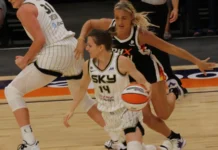
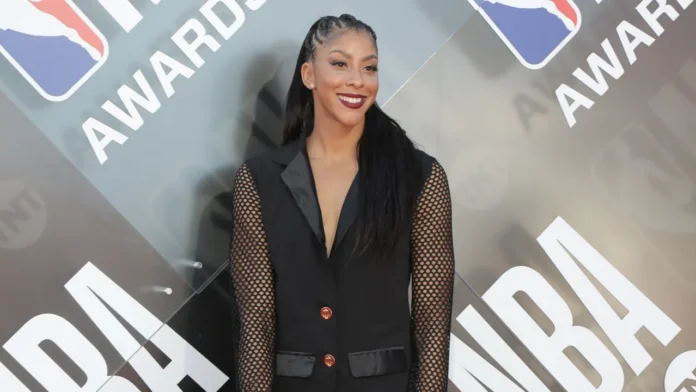
Caitlin Clark earned her third consecutive WNBA All-Star starting selection last week, but the detailed voting results sparked debate after she finished 11th among guards in the player-vote portion of the ballot.
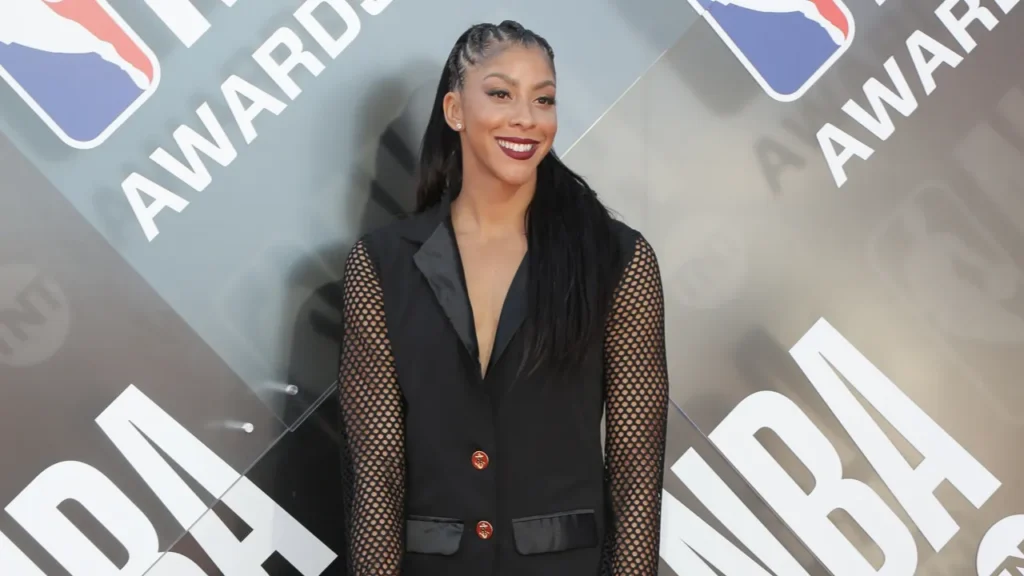
Women’s Basketball Hall of Famer Candace Parker addressed the result on her Post Moves podcast, calling the outcome “crazy” and questioning how some players approached their ballots. Her comments added to the ongoing discussion about how Clark is evaluated by fans, media members, and fellow players.
What sparked the debate
Indiana Fever guard Caitlin Clark was named a starter for the 2026 WNBA All-Star Game on July 2, earning her third consecutive All-Star selection. Attention then shifted to the voting breakdown, which combined results from fans, current WNBA players, and a media panel.
Clark finished second among guards in fan voting and third in media voting. She finished 11th among guards in player voting, creating a notable contrast between the 3 voting groups, even though her weighted score still secured a starting position.
Parker questions the vote
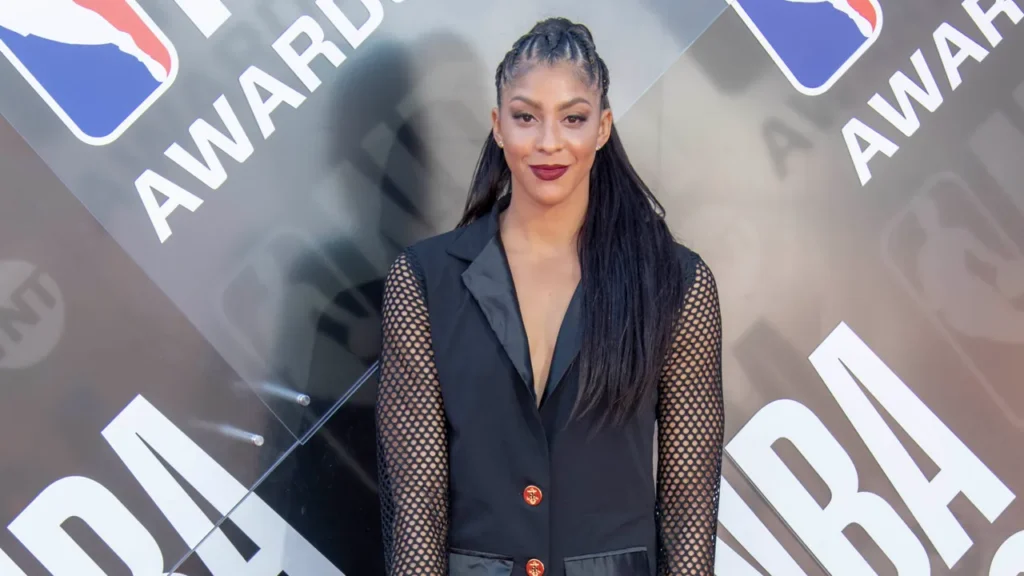
Women’s Basketball Hall of Famer Candace Parker addressed the result on Post Moves, the podcast she co-hosts with Indiana Fever star Aliyah Boston. Parker argued that the WNBA should establish clearer expectations for player ballots.
She called Clark’s 11th-place finish among guards in player voting “crazy” and said players who viewed Clark so unfavorably were showing “insecurities.” Parker also argued that personal feelings should not prevent players from recognizing elite performance when casting All-Star ballots.
She argued that current players should hold themselves to that same standard.
How the voting works
WNBA All-Star starters are selected through a weighted formula. Fan voting accounts for 50% of the result, while current players and a media panel each account for 25%.
For 2026, fan voting ran from June 11 through June 27. Fans with a WNBA ID could submit 1 ballot per day and select up to 4 guards and 6 frontcourt players. Players and media members each submitted a separate ballot.
After the results were calculated, Clark ranked second among guards with fans, third among guards with media members, and 11th among guards with players. The Associated Press reported that more than half of the WNBA’s 180 players did not submit starter ballots.
Clark’s numbers speak loudly
Clark’s production supports her All-Star starting selection. As of the latest completed games available on July 10, she is averaging 20.5 points and 7.9 assists per game, ranking sixth in the WNBA in scoring and second in assists.
Those figures do not mean every player considered her the 11th-best guard. The player-vote result reflects how often she appeared on ballots that allowed each voter to select up to 4 guards. Even so, the contrast between her top-6 scoring, elite playmaking, and 11th-place player-vote finish has fueled debate.
Fun fact: Caitlin Clark became the NCAA Division I all-time leading scorer with 3,951 career points.

Other analysts back Parker
Parker was far from the only prominent voice criticizing the final vote results this week. Senior writers covering the league daily called the ranking simply inaccurate, given everything they had witnessed. One respected national reporter said the numbers clearly contradict where Clark actually stands among her peers.
Commentators across several major sports outlets echoed similar frustration with the surprising outcome. Fans across social media quickly pointed to a broader pattern of undervaluing Clark’s contributions on the court. Many suggested resentment over her fame and marketing power played some role in the voting process.
Supporters argued that players do not need to personally like a rival to respect their game and production. They still should recognize obvious talent when filling out a ballot honestly and fairly each year.
Plum also feels snubbed
Clark was not the only guard whose ranking raised eyebrows among fans this year. Los Angeles Sparks guard Kelsey Plum finished 12th among guards in the player voting category. Parker addressed this particular outcome during the same podcast appearance this week as well.
She called the result surprising, given Plum’s consistent scoring throughout most of the current season and amid roster changes. Plum currently ranks second in league scoring despite missing several recent games entirely due to injury. An injury has kept her sidelined for roughly eight contests so far this season.
Parker acknowledged that the injury may have reasonably influenced how some players voted overall on their ballots. Still, she felt the ranking undersold Plum’s clear impact whenever she is healthy and playing at full strength.
Clark remains a driving force
Since entering the league, Clark has helped transform its visibility, attendance, and overall revenue streams. Attendance figures climbed sharply across the entire WNBA following her memorable rookie debut season. Television ratings have also reached numbers rarely seen before her arrival, according to multiple league reports.
Her popularity continues to drive significant interest even amid ongoing debates among current players and fans. Teammates Aliyah Boston and Kelsey Mitchell have joined Clark as key building blocks for the franchise in Indiana. Together, the trio has turned the Fever into one of the league’s most-watched and discussed teams.
That rapid growth makes the player voting controversy feel especially notable to longtime fans who follow closely. Many see a real disconnect between her overall value and how her peers actually ranked her.
What comes next for Clark
The 2026 All-Star Game will still feature Clark as a starting guard regardless of the controversy. Fan support ultimately outweighed the lower marks she received from fellow players this year. The controversy has renewed public calls for changes to the league’s voting structure.
Parker specifically suggested that new rules could make the entire process fairer for everyone involved going forward. For now, Clark appears focused on her performance rather than on off-court distractions and ongoing debates. Her production this season keeps her firmly among the league’s recognized top guards overall by most measures.
Whether the league eventually adjusts its voting rules remains uncertain heading into future seasons. The conversation Parker sparked this week shows no real signs of fading anytime soon.
Little-known fact: Candace Parker became the first woman to serve as color analyst for the NBA All-Star Game on TNT.
TL DR
- Candace Parker criticized the player-vote result after Caitlin Clark finished 11th among guards in that category.
- Clark still earned an All-Star starting spot after ranking second in fan voting and third in media voting.
- Fans account for 50% of the starter formula, while players and media members each account for 25%.
- As of the latest completed games available on July 10, Clark ranks sixth in scoring and second in assists.
- Kelsey Plum also received a low player-vote result, finishing 12th among guards despite ranking second in league scoring in the latest cited analysis.
If you liked this story, don’t forget to follow us for more exclusive content.
This article was made with AI assistance and human editing.
If you liked this, you might also like: