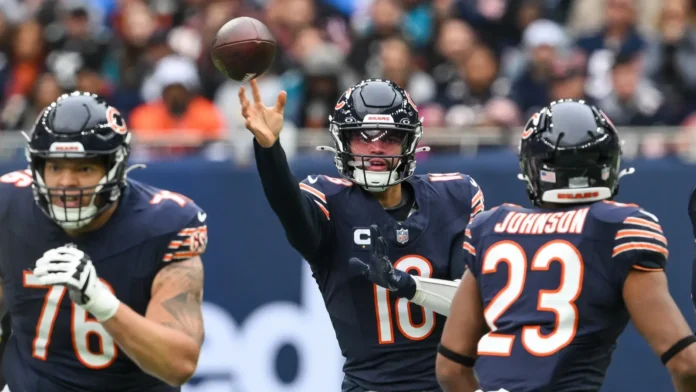
The Chicago Bears’ possible move to Indiana has renewed discussion about whether the franchise should continue using Chicago’s name. No official name change has been proposed, but fans, local media, and former Bears coach Dave Wannstedt have publicly discussed the team’s identity as its Hammond stadium plans advance.
The stadium plans remain the central issue, but the naming debate has quickly become part of the larger story. As a result, the team’s ultimate destination will likely shape not just where they play, but how their legacy is viewed for generations.
Why the naming debate has resurfaced
The discussion gained attention after the Bears’ board voted to advance a stadium development project in Hammond, Indiana. The organization has explored several stadium options in recent years after failing to secure a final agreement for projects in Chicago or Arlington Heights.
Hammond is part of the greater Chicago metropolitan area, but a move across the Illinois-Indiana state line has led some fans and local commentators to question whether the team should continue using Chicago’s name. The Bears have not announced any plan to change the franchise’s name.
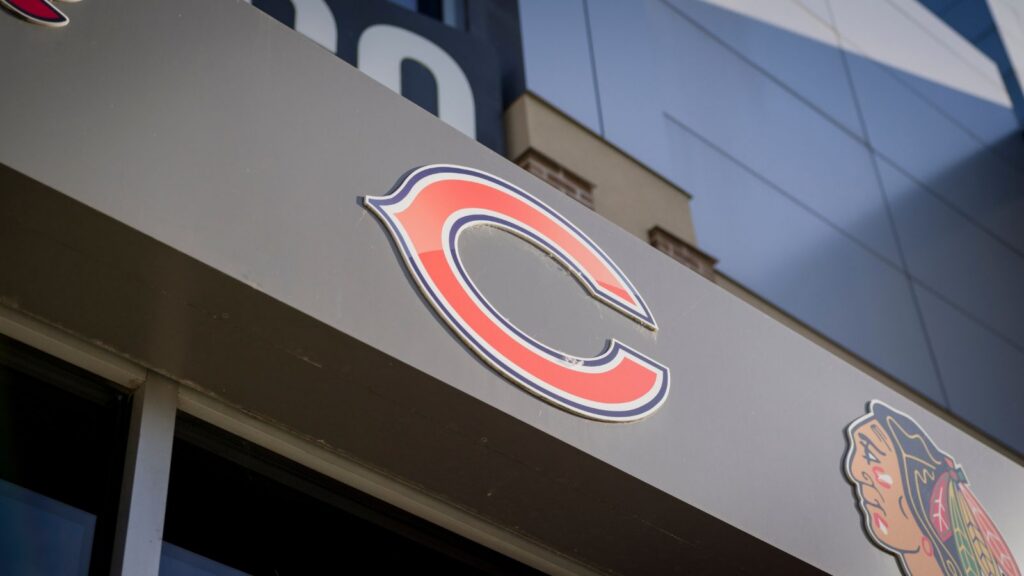
For many supporters, “Chicago” represents more than the location of a stadium. It reflects the franchise’s history, civic associations, and long-standing identity.
History offers plenty of perspective
The Bears have already experienced one major relocation in franchise history. Founded as the Decatur Staleys in 1920, the club moved to Chicago in 1921 before adopting the Bears name the following year.
That history reminds fans that teams can evolve while maintaining their identity. At the same time, the franchise has spent more than 100 years building its connection with Chicago, making any discussion about its name especially emotional.
Other professional teams also provide examples that complicate the conversation. The New York Giants and New York Jets both play home games in New Jersey, while the Washington Commanders play in Maryland. None changed their names because their brands remained closely tied to their metropolitan areas.
Fun fact: The Bears are one of only two remaining founding franchises from the NFL’s original era, alongside the Arizona Cardinals. Their history stretches back to 1920.
Former Bears voices aren’t expecting a change
Former Bears head coach Dave Wannstedt dismissed the idea that the franchise would abandon its historic name. Speaking with NBC Chicago after the Indiana announcement, he said he would be shocked if that ever happened.
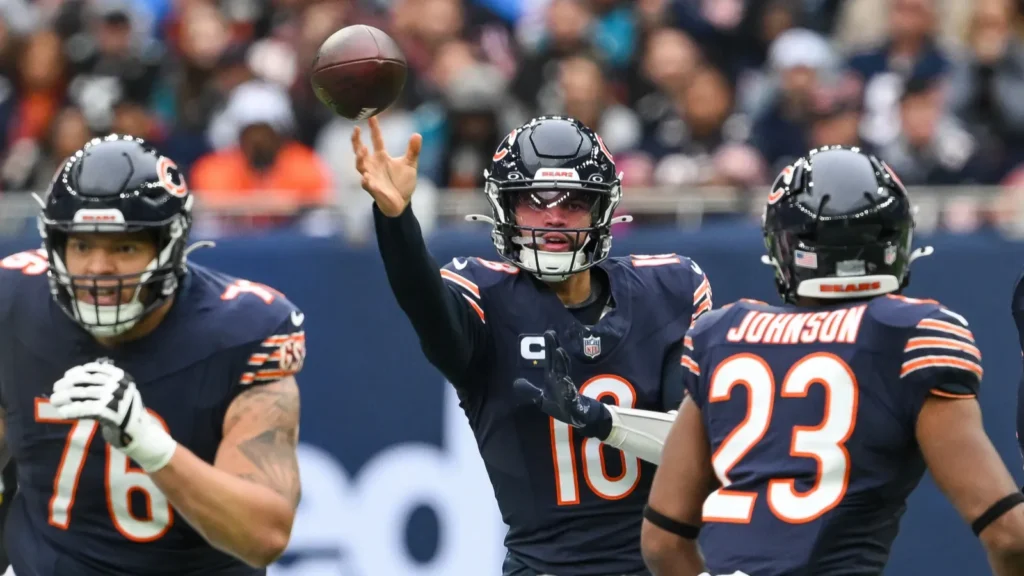
Wannstedt pointed to the team’s rich history, arguing that the Chicago Bears’ name has survived generations of change and remains too important to the franchise’s identity. His comments echoed what many longtime supporters have expressed since the relocation discussions intensified.
Indiana officials have also indicated they aren’t expecting a rebrand. Even supporters of bringing the franchise across the state line have generally referred to it as the Chicago Bears rather than suggesting a completely new identity.
Fans remain divided over the optics
While many fans believe the name should stay, others argue that relocating outside Illinois would naturally raise questions about whether the branding still fits. The discussion has become one of the most active topics surrounding the stadium search.
Online conversations reveal two distinct viewpoints. One side believes leaving Illinois should eventually lead to a new geographic identity, while the other points to several NFL franchises that already play outside the cities or states reflected in their names.
Ultimately, the disagreement reflects how closely fans associate the Bears with Chicago itself rather than just a football stadium.
The stadium remains the real priority
The Bears’ public statements have focused on securing a new stadium. Team leaders have described the proposed Hammond development as a world-class project intended to create economic opportunities and connect Northwest Indiana with the wider Chicago region.
The Bears have considered multiple locations in recent years, including Arlington Heights, the Chicago lakefront, and Hammond. The board has voted to advance the Hammond project, but an exact site and final stadium agreement have not been announced. The organization has not publicly announced that a rebrand is under consideration.
Fun fact: Soldier Field has been the Bears’ primary home since 1971 and is the oldest stadium currently used in the NFL.
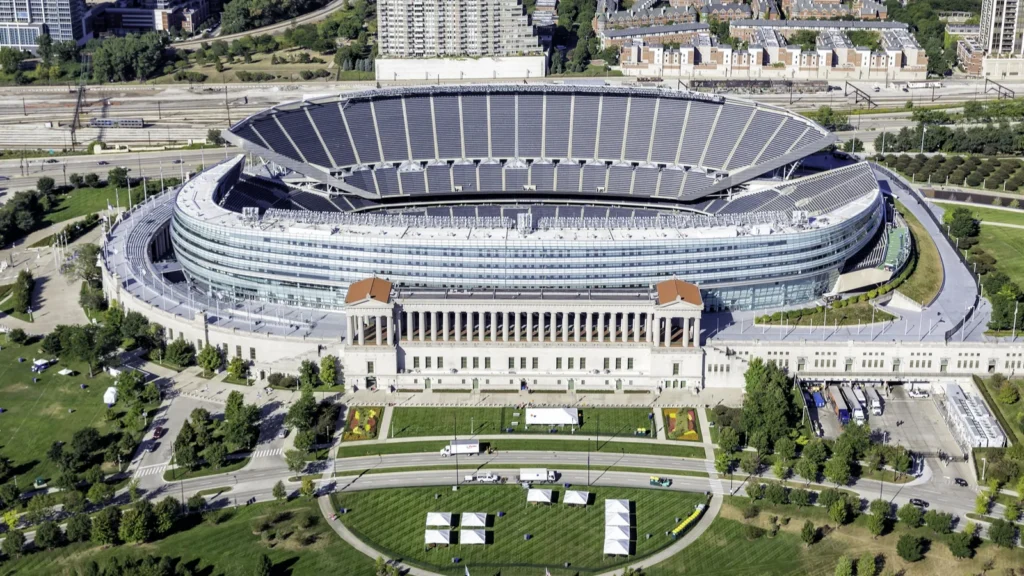
Tradition could outweigh geography
Professional sports history suggests that established brands often survive venue changes. Teams invest decades building recognition, merchandise sales, and emotional connections that extend well beyond the physical location of their stadiums.
For the Bears, that history carries unusual weight. The franchise is one of the NFL’s oldest organizations, and its navy-and-orange identity is recognized across generations of football fans.
That doesn’t mean the public discussion will disappear anytime soon. As long as the Indiana project remains under consideration, questions about the team’s identity will likely continue to surface alongside updates on stadium negotiations.
For now, though, the conversation reflects public curiosity rather than organizational intent. Fans are debating possibilities, but the franchise itself remains focused on where it will eventually play, not what it will eventually be called.
Fun fact: George Halas, often called “Papa Bear,” helped shape both the Bears and the NFL, serving the organization in multiple roles for more than six decades.
TL;DR
- The Bears’ potential move to Hammond, Indiana, has prompted questions about whether the team should retain the Chicago name.
- The Bears have not announced a proposal to change the franchise’s name.
- Former coach Dave Wannstedt said he would be shocked if the team stopped being called the Chicago Bears.
- Some fans have pointed to NFL teams that play outside their namesake cities, including the New York Giants and New York Jets in New Jersey.
- The organization’s public announcements remain focused on securing a long-term stadium.
If you liked this story, don’t forget to follow us for more exclusive content.
This article was made with AI assistance and human editing.
If you liked this, you might also like: