
Inside the Bills’ historic stadium transition
The Buffalo Bills have entered a major new chapter, leaving behind a stadium that witnessed unforgettable moments over more than five decades. A state-of-the-art venue now stands ready to shape the franchise’s future, but the transition involves much more than a change of address.
From historic milestones to innovative features, there’s plenty to discover about the Bills’ new home. Here’s a closer look at what makes this move one of the NFL’s biggest stories.
A modern home replaces a longtime landmark
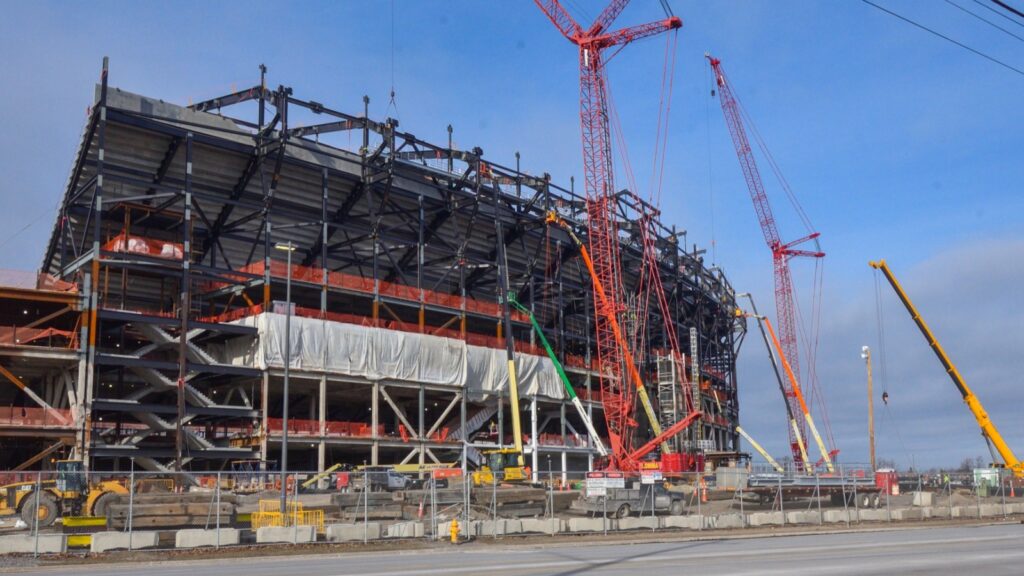
Construction of the new stadium began while the original Highmark Stadium remained in use across the street. This approach allowed the Bills to avoid relocating during construction while preparing for a seamless move.
The previous stadium hosted football for more than five decades before demolition began. The project reflects a carefully planned transition between generations of the Bills’ football.

The project reached a historic price
The new Highmark Stadium cost approximately $2.1 billion, making it one of the most expensive NFL stadium projects completed to date. The development combines public funding with private investment from Bill’s ownership.
Construction also became the largest building project in Western New York’s history. The stadium secures the franchise’s long-term future in the Buffalo region.
Seating focuses on the fan experience
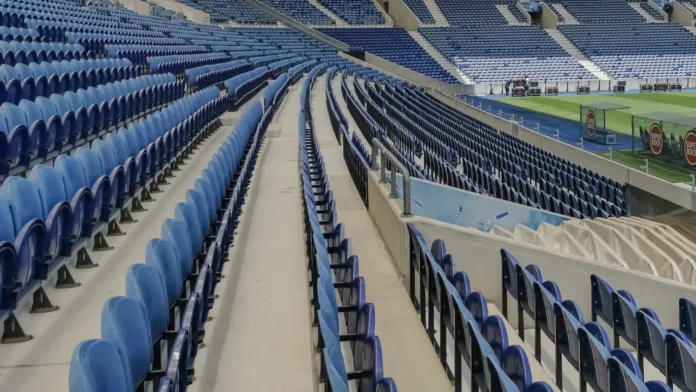
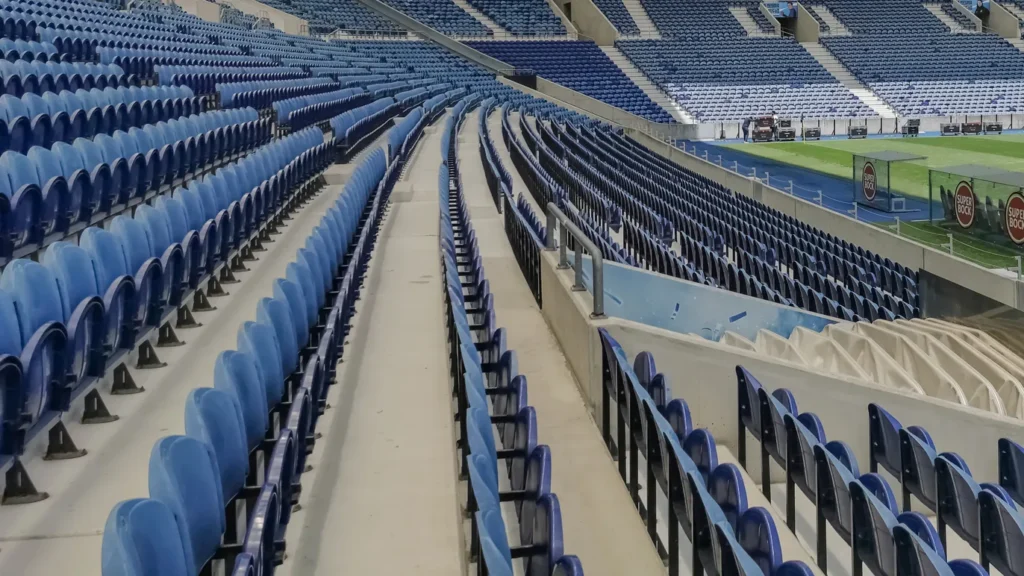
Unlike its predecessor, the new stadium seats about 60,000 fans, down from more than 71,000 at the former venue. The reduced capacity creates a more compact environment with improved sightlines throughout the stadium.
Designers emphasized comfort while maintaining the loud atmosphere for which Bills fans are known. Wider concourses and additional gathering areas also improve game-day movement.

Weather inspired key design features
Buffalo’s winter climate strongly influenced the stadium’s architecture and engineering decisions. A 360-degree canopy covers about 64% of the seating bowl while helping reduce wind inside the venue.
The field also features underground heating systems to prevent freezing during colder months. These upgrades improve comfort while preserving the stadium’s open-air design.

Natural grass returns for Buffalo
The Bills have switched from artificial turf to a natural Kentucky bluegrass playing surface in their new home. Grass was installed well before opening to allow the field adequate time to mature.
The heated system beneath the surface helps protect playing conditions during colder months. Natural grass has become an increasingly discussed topic across professional football.

Modern amenities reshape game days
The stadium introduces expanded lounges, larger concourses, upgraded lighting, and enhanced sound systems for fans. Local artwork is displayed throughout the facility to reflect Western New York’s identity.
The venue also includes a large entrance plaza featuring stainless steel bison sculptures. These additions create a more modern entertainment experience beyond football itself.
Inspiration came from overseas
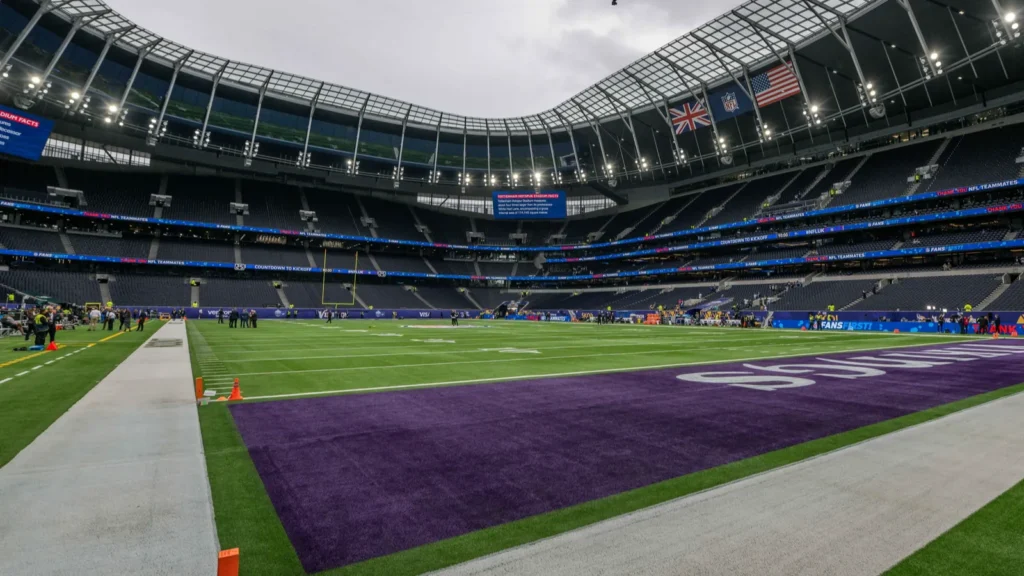
Bills leadership studied successful sports venues before finalizing the stadium’s design. One major influence was Tottenham Hotspur Stadium in England, which regularly hosts NFL games.
Team officials examined seating quality and fan visibility throughout the facility. That research helped shape Buffalo’s emphasis on delivering strong views from every section.
The old stadium enters demolition
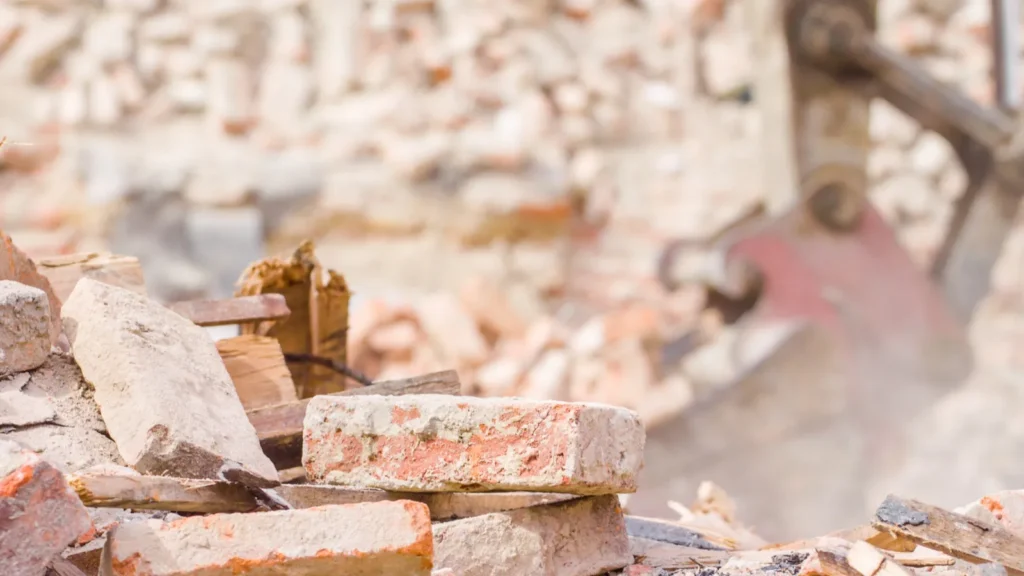
Mechanical demolition of the original Highmark Stadium is progressing after the team’s move into its new home. Officials selected a phased demolition process rather than explosives.
The work is expected to continue into 2027 before redevelopment opportunities are considered. The aging stadium remains an important part of Bills history despite its removal.

Future development remains under review
Once demolition is complete, the former stadium property could support future mixed-use development. Bills executives have discussed possibilities, including entertainment, hospitality, and year-round attractions connected to the new stadium.
No final redevelopment plan has been announced at this time. The location offers opportunities beyond serving only football fans.

Opening events build excitement
The new stadium’s first public event is the Bills’ annual Blue and Red practice on August 8, followed by additional football events before the regular season begins. These events allow fans to experience the venue before the team’s first regular-season home game.
The Bills will host the Detroit Lions on September 17, 2026, in the first regular-season game at the new Highmark Stadium. That matchup will officially launch the building’s NFL regular-season history.
The move reflects leaguewide trends
Across the NFL, franchises continue investing in modern stadiums featuring expanded fan amenities and advanced technology. Buffalo’s new venue follows that broader trend while remaining an outdoor football stadium.
The project balances updated facilities with traditions valued by Bills supporters. Stadium improvements are increasingly important to team operations and fan engagement.
The internet is also talking about Seattle Seahawks preparing for new era under billionaire ownership group.
Buffalo looks toward the future
The Bills begin a new era with one of the NFL’s newest stadiums while honoring decades of history at their former home. The transition combines modern construction, improved fan experiences, and a long-term commitment to Western New York.
As demolition progresses and redevelopment plans evolve, the new stadium is expected to remain central to the franchise’s future for decades to come.
In other news, former NFL quarterback reveals several teams pursued him after retirement.
What do you think of the team’s $2.1 billion stadium? Like this slideshow, leave a comment with your thoughts, and tell us whether you think the new Highmark Stadium will become one of the NFL’s best venues.
This slideshow was made with AI assistance and human editing.
Read More From This Brand: