
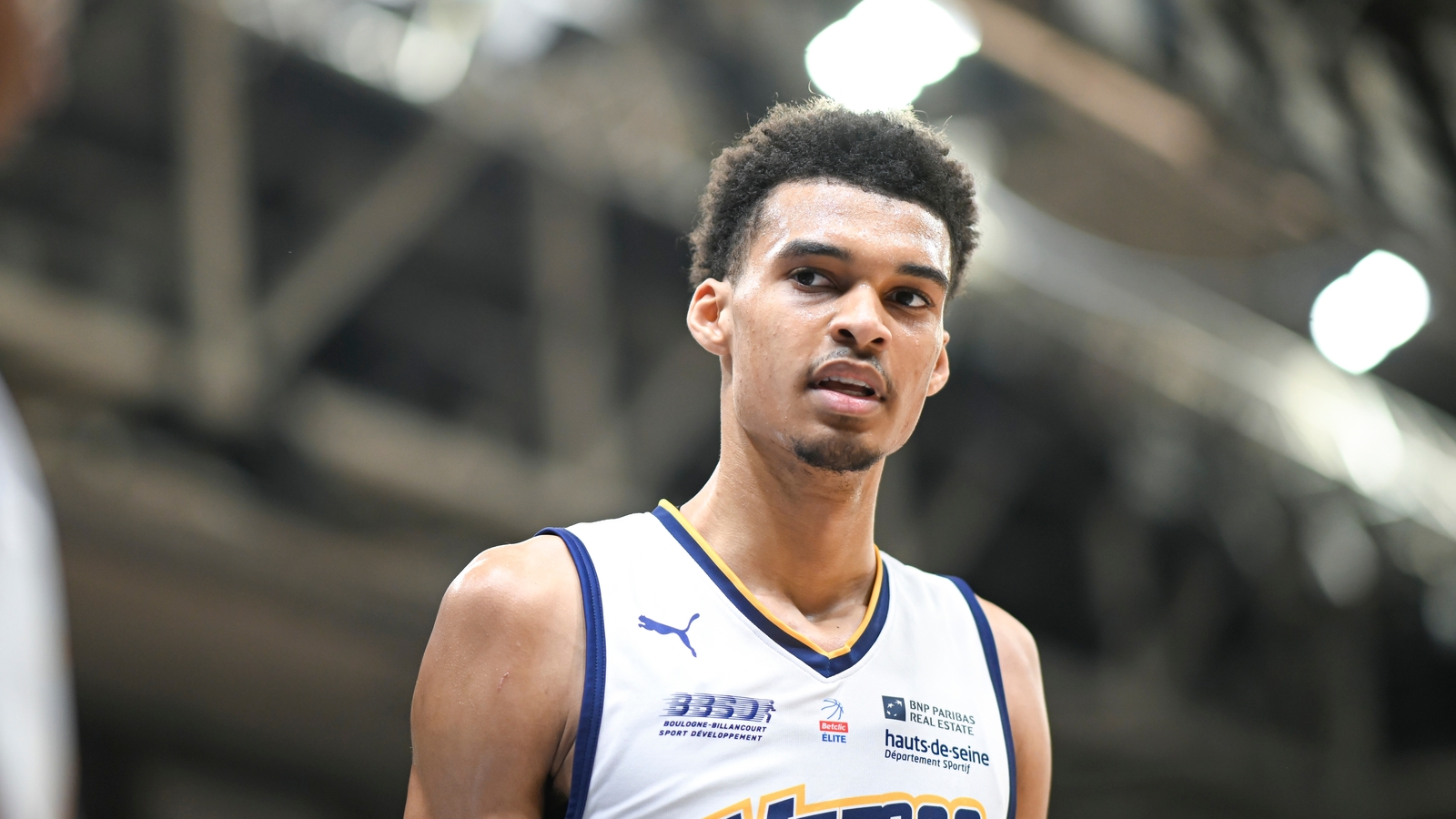
Victor Wembanyama’s playoff conduct has become one of the biggest talking points of the NBA postseason, and Draymond Green is among the most prominent voices weighing in.
The Golden State Warriors veteran recently argued that the San Antonio Spurs star had been shown significant leniency by the league despite several controversial incidents during the playoffs.
Green’s comments quickly sparked debate among fans and analysts because of his own long history with league discipline. The discussion isn’t just about one player or one call. It’s also raising broader questions about consistency in NBA punishment and how star players are handled on the league’s biggest stage.
Why did Draymond Green make the claim?
Speaking on his podcast during the NBA Finals, Green said he generally dislikes seeing playoff series impacted by suspensions. However, he also stated that Wembanyama had been “shown a lot of grace” and suggested the Spurs superstar probably should have been suspended at some point during the postseason.
Green’s comments carried extra weight because he has personally experienced multiple playoff suspensions and disciplinary actions throughout his career. While he acknowledged that fans want to see the best players on the floor, he questioned whether the league had applied its standards consistently.

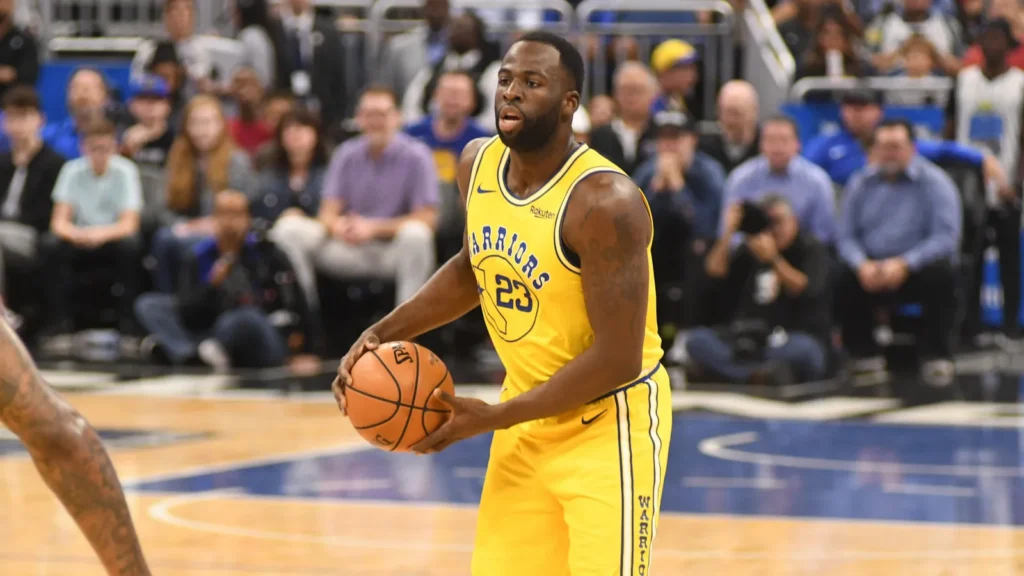
He also emphasized that his criticism was not personal. Instead, Green framed the issue as one involving league policy and precedent, arguing that similar actions by other players might have produced a different outcome under the NBA’s disciplinary system.
What incidents fueled the debate?
Several playoff plays involving Wembanyama became major discussion points during the Finals run. One of the most talked-about moments came when Wembanyama shoved New York Knicks guard Jalen Brunson during Game 3 of the NBA Finals.
League officials later acknowledged that a foul should have been called, but the NBA chose not to upgrade the play to a flagrant foul after review.
A few days later, Wembanyama received a Flagrant 1 foul after striking Karl-Anthony Towns with an elbow during Game 4. Because of his existing flagrant-foul points, many observers closely monitored whether additional disciplinary action would follow. Ultimately, no suspension was issued.
Why are fans discussing consistency?
Much of the conversation centers on whether star players receive different treatment from the league. Many fans on social media pointed to Wembanyama’s importance to the Finals and questioned league officials’ reluctance to remove one of basketball’s biggest attractions from the series.
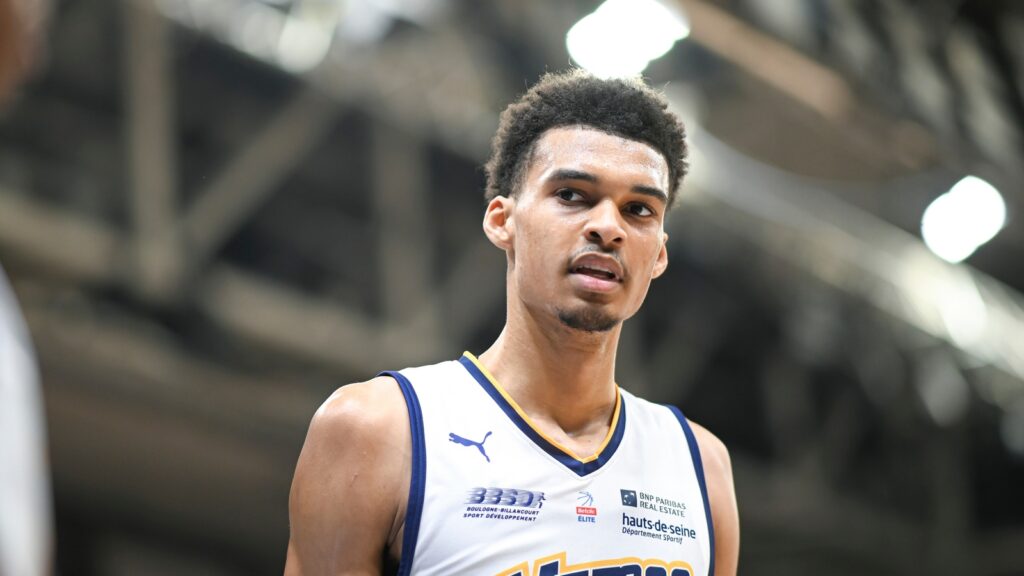
Green’s remarks echoed a sentiment that had already been circulating online. He stopped short of accusing the NBA of wrongdoing but suggested that the league had exercised considerable restraint in its handling of Wembanyama’s case. At the same time, others argued that suspensions should only occur when the evidence clearly meets league standards.
Supporters of the NBA’s decisions noted that reviewed plays often involve context, angles, and interpretations that are not always obvious in real time.
Fun fact: Green’s most famous suspension came during the 2016 NBA Finals, when he was forced to miss Game 5 after accumulating enough flagrant-foul points during the postseason.
How does Wembanyama fit into the bigger picture?
The controversy highlights the pressure that comes with being one of the NBA’s most visible young stars. Wembanyama was central to San Antonio’s Finals run, and every major foul review involving him drew extra attention because of the stage and the stakes.
That visibility can turn routine disciplinary debates into larger conversations about star treatment. When a player becomes a major face of a playoff series, every non-call, review, and flagrant decision is examined far more closely than it might be during a regular-season game.
Green acknowledged that tension in his comments. He argued that Wembanyama had benefited from the league’s restraint, but he also said he understood why fans and the NBA would rather see top players decide a Finals series on the court.
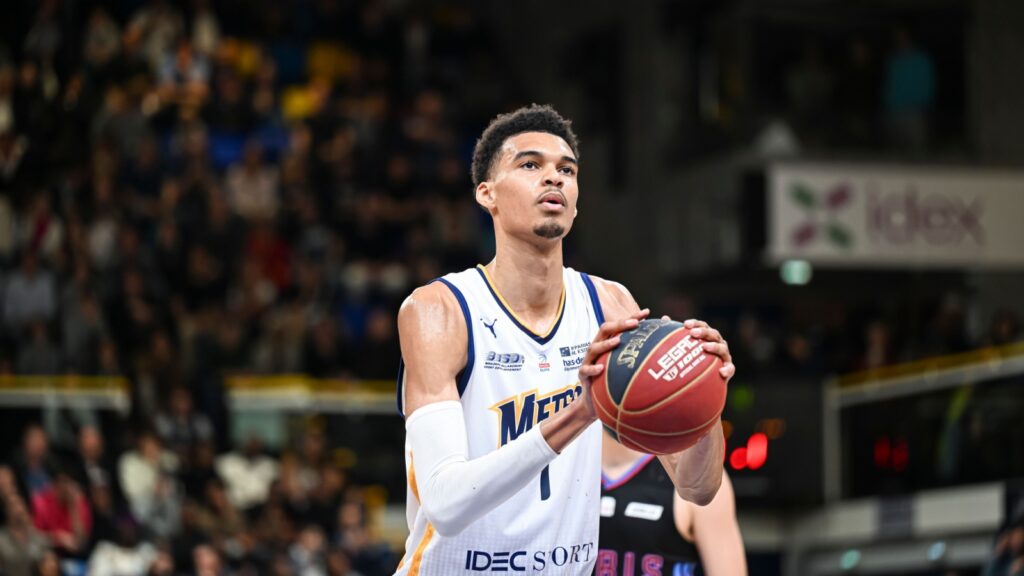
Fun fact: Draymond Green’s 2016 Finals suspension came from that same four-point system. The NBA assessed him a Flagrant 1 after Game 4 against Cleveland, giving him his fourth postseason flagrant point and suspending him for Game 5.
What happens next?
The debate is unlikely to disappear just because the Finals are over. Green’s comments continue to resonate because they touch on a longstanding NBA question: how strictly should disciplinary rules be applied when a playoff series involves one of the league’s biggest stars?
There is no simple answer. What is clear is that Wembanyama’s postseason became about more than basketball performance alone. Between controversial fouls, league reviews, and Green’s criticism, the conversation turned into a larger debate about fairness, consistency, and how the NBA handles discipline on its biggest stage.
TL;DR
- Draymond Green said Victor Wembanyama had been shown significant “grace” by the NBA during the playoffs.
- Green argued Wembanyama probably should have been suspended at some point, but also understood why the league avoided it.
- Several controversial plays involving Jalen Brunson and Karl-Anthony Towns fueled the debate.
- Fans and analysts questioned whether star players receive different treatment in disciplinary decisions.
- The discussion has become part of a broader conversation about consistency in NBA punishment.
If you liked this story, don’t forget to follow us for more exclusive content.
This article was made with AI assistance and human editing.
If you liked this, you might also like: